
How Does Nickel 201 Foil Improve the Reliability of Industrial Equipment?
- Nickel 201 Foil
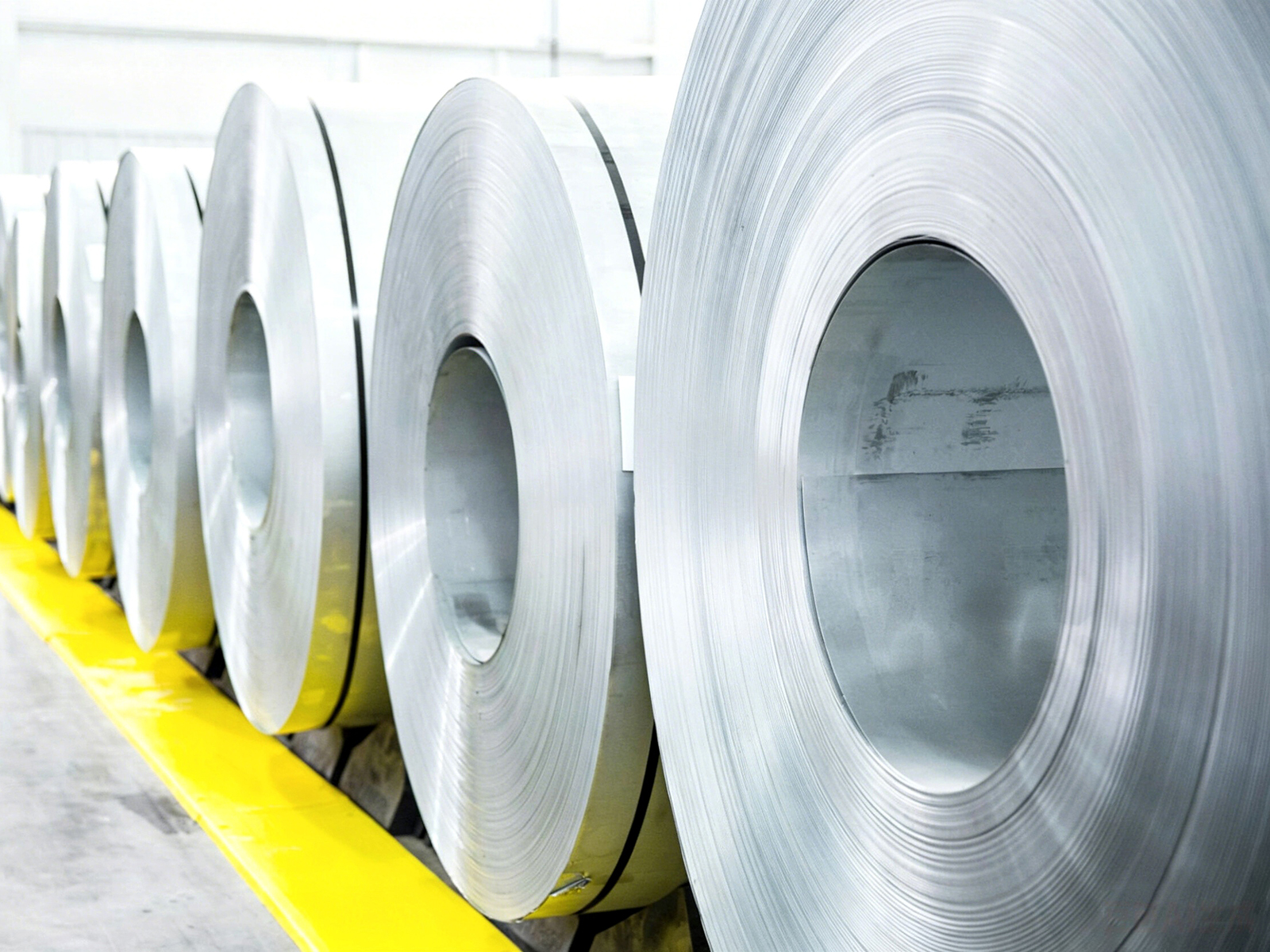
Nickel 201 foil, a low-carbon pure nickel material (C <= 0.02%), exhibits exceptional resistance to graphitization and outstanding corrosion resistance in high-temperature environments. Compared with conventional Nickel 200, Nickel 201 effectively eliminates the risk of graphitization above 315 C through strict carbon content control, making it a critical material in high-temperature, corrosive environments such as chemical processing, energy, and environmental protection. This article provides an in-depth exploration of how Nickel 201 foil enhances the long-term reliability of industrial equipment through its material properties.
I. Core Material Properties of Nickel 201 Foil
1. Graphitization-Resistant Mechanism of Low-Carbon Design
The carbon content of Nickel 201 foil is strictly controlled at <= 0.02%, significantly lower than the <= 0.15% limit of Nickel 200. In temperature environments above 315 C, carbon in conventional nickel alloys reacts with nickel to form nickel carbide (Ni3C), which further decomposes into graphite and pure nickel. This leads to grain boundary weakening, volume expansion, and degradation of mechanical properties–a phenomenon known as “nickel graphitization.” Due to its extremely low carbon content, Nickel 201 fundamentally eliminates the material basis for graphitization, ensuring long-term structural integrity in high-temperature environments.
2. Outstanding Alkali Corrosion Resistance
Nickel 201 foil demonstrates exceptionally strong corrosion resistance in aggressive alkali environments. In sodium hydroxide (NaOH) solutions with concentrations as high as 70%, even at boiling temperatures (approximately 140 C), its corrosion rate remains below 0.01 mm/year. This characteristic makes Nickel 201 foil an ideal material for caustic evaporation and concentration equipment, chlor-alkali electrolytic cells, and caustic soda storage systems.
3. Retention of Mechanical Properties at Elevated Temperatures
Nickel 201 foil retains 70-80% of its room-temperature strength within the 400-500 C temperature range. Annealed Nickel 201 foil exhibits a tensile strength of 380-470 MPa with an elongation of >= 35%, and strength can be further enhanced in the hot-worked condition. This high-temperature strength retention ensures structural stability of equipment under high-temperature operating conditions.
Performance Comparison
| Property | Nickel 201 Foil | Nickel 200 Foil | 316L Stainless Steel |
| Carbon Content (%) | <= 0.02 | <= 0.15 | <= 0.08 |
| Alkali Corrosion Resistance | Excellent (0.01 mm/year) | Good | Moderate |
| Above 315 C | No Graphitization | Possible Graphitization | Not Applicable |
| Tensile Strength (MPa) | 380-470 | 380-480 | 515-620 |
II. Specific Ways Nickel 201 Foil Enhances Equipment Reliability
4. Extended Equipment Service Life
Reactors and storage tanks lined with Nickel 201 foil can achieve a service life of 15-20 years in high-temperature (315-600 C) caustic environments–5 to 8 times that of carbon steel equipment and 3 to 5 times that of 316L stainless steel equipment. The extended service life directly reduces equipment replacement frequency and maintenance costs.
5. Reduction of Unplanned Downtime
The excellent corrosion resistance of Nickel 201 foil means that equipment rarely experiences leaks or failures due to corrosion during operation. After a chemical plant installed Nickel 201 foil heat exchanger tube sheets, annual unplanned downtime decreased from 120 hours to less than 10 hours.
6. Improved Product Quality Consistency
Nickel 201 foil does not release corrosion products into the processed media, ensuring the high purity requirements of food, pharmaceutical, and electronic-grade chemicals. In semiconductor wet-cleaning equipment, tank bodies and piping manufactured from Nickel 201 foil do not introduce metallic ion contamination.
7. Enhanced Safety Protection Levels
The reliability of Nickel 201 foil in high-temperature, high-pressure corrosive environments significantly reduces the risk of accidents such as equipment leaks and explosions. In the chlor-alkali industry, the successful operation of Nickel 201 foil electrolytic cells has prevented potential hazards associated with toxic chlorine gas leaks.
Reliability Enhancement Summary
| Reliability Dimension | Specific Measures | Effect | Economic Benefit |
| Extended Service Life | Nickel 201 lining | Life extended 3-8x | Reduced replacement frequency |
| Reduced Downtime | Corrosion-resistant, maintenance-free | < 10 hrs/year downtime | Significant production gain |
| Improved Purity | No corrosion product release | Product yield > 99.5% | Quality premium |
| Enhanced Safety | Elimination of leak risks | Accident rate reduced 90% | Lower insurance & maintenance costs |
III. Typical Application Areas of Nickel 201 Foil
8. Chlor-Alkali Industry
In the chlor-alkali industry, Nickel 201 foil is primarily used to manufacture diaphragms for electrolytic cells, caustic evaporators, and linings for chlorine drying towers. In high-temperature, high-concentration sodium hydroxide environments, the corrosion resistance of Nickel 201 foil far exceeds that of other metal materials.
9. Pulp and Paper Industry
In the sulfate (kraft) pulping process, Nickel 201 foil is used to manufacture digesters and black liquor evaporators. The high-temperature, high-concentration alkali environment (NaOH + Na2S) imposes extremely demanding corrosion resistance requirements on materials.
10. Food Processing
Nickel 201 foil is used to manufacture high-temperature sterilization equipment, concentration tanks, and drying towers. During the processing of dairy products and vegetable oils, Nickel 201 foil resists high-temperature alkaline cleaning while meeting food safety requirements.
11. Environmental Protection Equipment
In flue gas desulfurization systems of waste-to-energy incineration plants, spray pipes and mist eliminators manufactured from Nickel 201 foil effectively resist erosion by high-temperature corrosive media containing chlorine and sulfur.
Application Characteristics
| Application Area | Operating Temperature | Corrosive Media | Nickel 201 Advantages |
| Chlor-Alkali Electrolysis | 80-100 C | Concentrated NaOH | Alkali-resistant + Anti-graphitization |
| Paper Digestion | 150-170 C | NaOH + Na2S | High-temp alkali corrosion resistance |
| Food Concentration | 100-140 C | Alkaline cleaning + Organic acids | Food-safe + Corrosion resistant |
| Environmental Desulfurization | 60-90 C | Chlorine + Sulfur-containing | Chloride ion corrosion resistance |
IV. Selection Guidelines and Maintenance Recommendations for Nickel 201 Foil
12. Selection Principles
- Operating temperature > 315 C: Nickel 201 must be selected over Nickel 200.
- Alkali concentration > 30%: Nickel 201 is the preferred material.
- Chloride-ion-containing environments: Nickel 201 outperforms stainless steel.
- Food/pharmaceutical contact: Products complying with FDA and 3-A certification must be selected.
13. Maintenance and Care
- Regularly inspect the integrity of the oxide film on the surface of Nickel 201 foil.
- Avoid contact with strong reducing acids (e.g., hydrochloric acid, hydrofluoric acid).
- Use neutral detergents for cleaning; avoid chlorine-containing bleach.
- Store in a dry environment to prevent prolonged exposure to humid conditions.
14. Conclusion
With its low-carbon design and excellent high-temperature and corrosion resistance, Nickel 201 foil provides reliable material assurance for industrial equipment in chemical processing, energy, and environmental protection sectors. By extending equipment service life, reducing downtime, and improving product quality, Nickel 201 foil significantly enhances the overall reliability of industrial equipment. For applications involving high-temperature caustic solutions and corrosive environments, Nickel 201 foil is a trustworthy choice.
FAQ
Q1: What is the main difference between Nickel 201 foil and Nickel 200 foil?
The primary difference lies in carbon content: Nickel 201 has a carbon content of <= 0.02%, whereas Nickel 200 has a carbon content of <= 0.15%. This enables Nickel 201 to remain graphitization-free in high-temperature environments above 315 C, while Nickel 200 may pose a graphitization risk at these temperatures.
Q2: Can Nickel 201 foil be welded?
Yes. Nickel 201 foil can be welded using conventional processes such as TIG, MIG, and resistance welding. When welding, filler metals of the same composition (e.g., ERNi-1) should be used under argon gas shielding to ensure the corrosion resistance of the weld.
Q3: Why is Nickel 201 foil more expensive than Nickel 200?
The production of Nickel 201 requires stricter decarburization smelting processes, which increases production costs. Additionally, the output of Nickel 201 is relatively smaller, and it does not benefit from the same economies of scale as Nickel 200. Typically, Nickel 201 costs 5-15% more than Nickel 200.
Looking for a Reliable Nickel 201 Foil Supplier
Baoji Titanium Valley Titanium, Nickel & Zirconium Material Processing Co., Ltd. is a professional manufacturer of high-end rare metal processing products. Equipped with an Italian Danieli rolling production line, the company produces over 1,000 metric tons of nickel foil annually, offering full-size customization and EN 10204 3.1 certification services. Contact us now for technical support and quotation:
Email: sales@titaniumvalleys.com
For a broader view of available grades, supply forms, and related specifications, explore our Nickel Foil category.
For product-level details and supply options, you can also review our Nickel 201 Foil page.
References
- ASTM International. ASTM B90-21 Standard Specification for Nickel Sheet, Strip, and Foil [S]. West Conshohocken: ASTM International, 2021.
- GB/T 5231-2012 Chemical Composition of Processed Nickel and Nickel Alloys [S]. Beijing: Standards Press of China, 2012.