
How Should Global Buyers Source High-Quality Gr12 Titanium Rods From China?
- Gr12 Titanium Rods
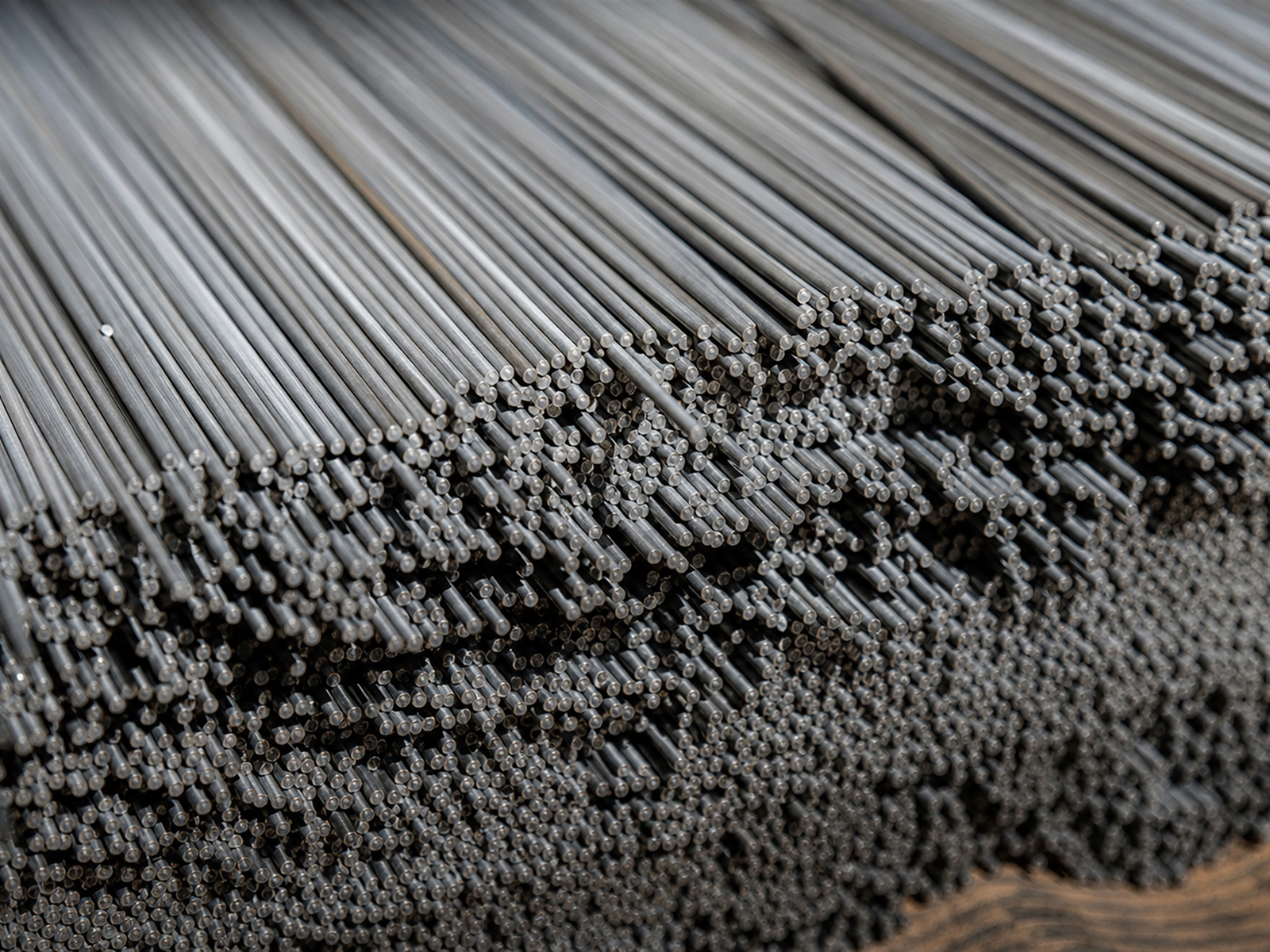
In the wave of global industrial upgrading and material innovation, Gr12 titanium rod has become a key material in the chemical industry, marine engineering and energy fields with its excellent corrosion resistance and stable mechanical properties. As a major producer of titanium materials, China has made progress in precision processing technology and quality control systems in recent years. Companies such as Baoji Titanium Valley have introduced Italian Danieli rolling production lines and established a full-process quality traceability system. The annual production capacity exceeds 20, 000 tons, and their products strictly comply with ASTM B348 standards. Compared with the traditional supply chain, China-made Gr12 titanium rods not only ensure technical indicators, but also have more flexible customization capabilities, shorter delivery cycles and more competitive cost advantages. They have become the preferred solution for buyers in industries such as American aviation medical, German high-end manufacturing, and Japanese precision electronics.
1. Why Does Gr12 Titanium Rod Perform Well in Harsh Working Conditions?
(1) What Should You Know About Uniqueness of Alloy Composition Design?
The core advantage of Gr12 titanium rod comes from the Ti-0.3Mo-0.8Ni alloy system. The addition of molybdenum can improve the material’s corrosion resistance in reducing acids (such as sulfuric acid, hydrochloric acid), while nickel can enhance its resistance to hydrogen embrittlement. This precise proportion of trace elements allows it to maintain good plasticity of α-phase titanium alloy while having higher strength reserves.
(2) What Should You Know About Technical Characteristics of Resisting Localized Corrosion?
In seawater environments or chemical media containing chloride ions, traditional stainless steel often causes premature failure due to pitting and crevice corrosion. Gr12 titanium rod is alloyed and modified to form a dense oxide film protective layer, which effectively blocks the penetration of corrosive media. Experimental data shows that its pitting corrosion potential in 3.5% sodium chloride solution (25℃, pH=7, static state) is more than 120mV higher than that of pure titanium, and the crevice corrosion depth is reduced by 60%.
(3) What Should You Know About Long-term Stability at Moderate Temperatures?
Many industrial equipment need to operate continuously in the temperature range of 80-250℃. Gr12 titanium rod maintains a stable structure within this range, and the oxidation weight gain rate is less than 0.5mg/cm²·year, which can avoid material deterioration caused by high-temperature oxidation. After using this material for heat exchangers, desulfurization towers and other equipment, the maintenance cycle will be extended by 2-3 times.
2. What Are the Competitive Advantages of Gr12 Titanium Rods Made in China?
(1) What Should You Know About Standardization and Intelligence of Production Processes?
Chinese titanium companies generally use two vacuum consumable electric arc furnace (VAR) meltings (some high-end products use three meltings) to ensure composition uniformity through multi-pass electrode preparation and precise thermal parameter control. The weight of titanium ingots in a single heat can reach 5-8 tons, and the chemical composition segregation is controlled within ± 0.02%, providing a stable raw material basis for subsequent processing.
The introduction of the Danieli rolling line in Italy has enabled the dimensional accuracy of the bar to reach ± 0.05mm and the surface roughness Ra≤ 0.8um. The annealing process uses argon gas protection + vacuum environment to eliminate residual stress and avoid surface contamination. Each batch of products comes with a furnace number traceability code, and the mechanical property fluctuation coefficient is <3%.
From the entry of raw materials into the factory to the delivery of finished products, ERP+MES integrated management is implemented throughout the process. Non-destructive testing equipment such as ultrasonic flaw detection and eddy current testing are monitored online, with a defect detection rate of 99.8%. Customers can check production progress and quality inspection reports in real time through the cloud platform to achieve supply chain transparency.
(2) What Should You Know About Rational Analysis of Cost Structure?
cost item | Proportion of Made in China | Proportion of European and American manufacturing | Source of advantage |
Raw material procurement | 32% | 28% | Titanium sponge production capacity accounts for 60% of the world’s |
Energy and equipment depreciation | 18% | 35% | Electricity costs are 40% lower (China); European and American equipment depreciation is higher mainly due to the long investment amortization period and high maintenance costs of automated production lines |
Labor cost | 12% | 25% | Wage gap among skilled workers narrows and efficiency increases |
Logistics and customs duties | 8% | 12% | Belt and Road Logistics Network Optimization |
The comprehensive cost advantage makes the price of Chinese Gr12 titanium rods 15-25% lower than similar products in Europe and the United States, saving buyers project budgets while ensuring quality.
(3) What Should You Know About Flexibility of Customized Service Capabilities?
Chinese titanium companies can provide: according to customer needs:
- Various shapes of round rods, square rods and hexagonal rods with a diameter range of 5-300mm are available.
- Different performance states such as M state (annealed), cold drawn state, forged state, etc.
- Polishing, turning, polishing and other surface treatment processes
- Flexible order acceptance capacity for a single batch of 10 tons-500 tons
A German chemical equipment manufacturer once required special specifications of Φ80mm×6000mm rods. It only took 45 days from demand confirmation to batch delivery. The order cycle for similar orders from European suppliers usually exceeds 3 months.
3. How Do Major Global Application Industries Choose Gr12 Titanium Rods?
(1) How Should Overview of Selection Methods?
The selection of Gr12 titanium rods should be based on three steps: first, evaluate the working environment (medium type, temperature, pressure, chloride ion concentration, etc.); second, determine the suitability by comparing the material corrosion resistance data; finally, select the size and status of the rod according to the specifications of the equipment components. The following is a breakdown by industry.
(2) What Should You Know About Chemical and Petrochemical Industry?
The stirring shafts, heating tubes, and pump bodies in production devices such as sulfuric acid, hydrochloric acid, and phosphoric acid need to withstand the dual challenges of concentration fluctuations and temperature changes. The corrosion rate of Gr12 titanium rod in 98% sulfuric acid (80℃) is <0.05mm/year, which is much lower than the 1.2mm/year of 316L stainless steel. After an Indian fertilizer plant used this material to replace the previously used alloy steel material, the equipment’s trouble-free operation time was extended from 18 months to 60 months.
The anode rod of the electrolytic cell and the internal parts of the chlorine drying tower need to be immersed in the electrolyte containing chloride ions for a long time. Relying on the passivation effect of nickel element, Gr12 titanium rod remains stable in acidic chloride solution with pH<2 and has a service life of more than 10 years.
The production of pharmaceutical intermediates and pesticide raw materials often involves mixed acid systems and high-temperature and high-pressure conditions. Material failure may lead to leakage accidents. The hydrogen embrittlement sensitivity of Gr12 titanium rods is 40% lower than that of pure titanium. With strict welding processes, the risk of accidents can be minimized.
(3) What Should You Know About Marine Engineering and Seawater Desalination Fields?
Equipment parts | Pain points of traditional materials | Gr12 titanium rod application effect |
Multistage flash evaporator tube bundle | Copper-nickel alloy is prone to erosion and corrosion | The service life is increased by 3 times and the maintenance cost is reduced by 60%. |
Reverse osmosis high pressure pump shaft | Stainless steel pitting corrosion leads to seal failure | Zero pitting corrosion record, 50, 000 hours of continuous operation |
Seawater lifting pipe | Carbon steel anti-corrosion layer peels off frequently | Maintenance-free design, 30-year design life |
After a 100, 000-ton-daily desalination plant in the Middle East fully adopted Gr12 titanium, its annual operation and maintenance costs dropped from US$3.5 million to US$800, 000.
The cooling water system of deep sea drilling platforms and the heat exchanger of LNG ships need to resist the high-speed flow of seawater and microbial corrosion. Pipe joints and flanges made of Gr12 titanium rods do not need to be replaced in the North Sea oil field for 5 years, while similar parts of nickel-aluminum bronze will crack in an average of 18 months.
(4) What Should You Know About Energy and Environmental Protection Equipment?
The spray pipes and demister support beams in the wet desulfurization absorption tower are exposed to acidic flue gas condensate containing SO₂ and Cl⁻ for a long time. After a Korean power plant switched to Gr12 titanium rods, the annual replacement frequency dropped from four to zero, reducing downtime losses by approximately US$2 million per year.
The superheater tubes and economizer tubes of the incinerator waste heat boiler need to withstand the mixed corrosion of HCl and H2SO4. The stability of the oxide film of Gr12 titanium rods in simulated flue gas environment (600℃, containing 5% HCl) is better than that of nickel-based alloys, and the equipment life is extended to more than 15 years.
The pipes and valves of the nuclear island cooling water system have extremely high requirements on material purity and welding quality. The Gr12 titanium rods made in China have passed ASME nuclear grade material certification, and the hydrogen content is controlled below 10ppm, meeting the third-generation nuclear power technology standards.
4. What Are the Key Factors to Pay Attention to When Purchasing Chinese Gr12 Titanium Rods?
(1) What Should You Know About Verification Method of Technical Parameters?
Suppliers are required to provide spectral analysis reports, focusing on checking whether the Mo and Ni contents are within the range of 0.20-0.40% and 0.60-0.90%. The oxygen content needs to be ≤ 0.25% (too high will reduce the plasticity and increase the brittle transition temperature); the hydrogen content needs to be ≤ 0.015% (i.e. 150ppm) to prevent the risk of hydrogen embrittlement.
Performance indicators | ASTM B348 standard | High-quality product testing | Detection method |
tensile strength | ≥ 483 MPa | 510-540 MPa | Tensile test (refer to ISO 6892-1) |
Yield strength | ≥ 345 MPa | 370-390 MPa | Specified plastic elongation strength Rp0.2 |
Elongation | ≥ 20% | 25-30% | Gauge length 50mm specimen |
hardness | – | HB 200-220 | Brinell hardness tester |
For batch orders, 10% of samples should be randomly inspected for full performance testing, and the pass rate must reach 100%.
Use visual inspection + fluorescent penetrant inspection to confirm that there are no defects such as cracks, folds, and delamination. The diameter tolerance is controlled at h9-h11 level, and the curvature is ≤ 1mm/m. The surface of the cold-drawn product should be smooth and free of oxide scale. Slight discoloration is allowed but no peeling is allowed in the annealed state.
How Should Evaluation Criteria for Supplier Qualifications?
Quality suppliers should have:
- ISO 9001 quality management system certification
- ISO 14001 Environmental Management System Certification
- OHSAS 18001 Occupational Health and Safety Certification
- Special equipment manufacturing license (pressure piping components)
- EU CE certification or US ASME certification (for export products)
Companies such as Baoji Titanium Valley have passed supplier audits by international aviation giants such as Boeing and Airbus, and their quality control capabilities have reached world-class levels.
Check whether the supplier has:
- Enterprise technology centers or engineering laboratories at or above the provincial level
- Cooperation projects with universities and scientific research institutes
- Number of invention patents in the past three years (≥ 5 is preferred)
- Experience in participating in the development of industry standards
Companies with strong technical capabilities can provide material selection suggestions for special working conditions to avoid over-design or insufficient performance.
Suppliers who can provide the following services are preferred:
- 24-hour technical consultation hotline
- On-site welding process guidance and training
- 48-hour response mechanism for quality issues
- Maintain inventory of more than 1, 000 tons for common specifications
- Overseas warehousing network (United States, Germany, Japan, etc.)
A procurement case of a Japanese electronics company shows that it only takes 14 days for a Chinese supplier to place an order and deliver it to Tokyo, while a similar order from a European supplier takes 6-8 weeks.
(3) What Should You Know About Logistics and Tariff Optimization Strategies?
- Sea transportation: suitable for large-volume orders (≥ 20 tons), with the lowest cost but longer lead time (30-45 days)
- Air freight: the first choice for urgent orders, it takes 3-7 days to arrive at the port, and the freight is 5-8 times that of sea freight.
- China-Europe trains: balancing cost and timeliness, reaching major European cities in 15-20 days
The United States imposes a 25% tariff on Chinese titanium materials, but the tax burden can be reduced in compliance with regulations by re-exporting to a third country or using transit warehouses in RCEP agreement countries (Vietnam and Thailand). Suppliers should assist in applying for Form E or Form A certificate of origin to ensure preferential tax rates.
Titanium rods need to be packed in moisture-proof plastic film + wooden boxes. The weight of each box is ≤ 2 tons for easy lifting. Long bars (>6 meters) need to be reinforced with I-beams to prevent bending and deformation during transportation. Desiccant should be placed inside the shipping container to avoid surface oxidation caused by marine climate.
5. How to Verify the Reliability of China’s Gr12 Titanium Rods Through Cases?
(1) Why Is Application Practice in the Field of Aviation Medicine in the United States Important?
The inner tank of the high-pressure sterilization equipment produced by an American medical device manufacturer needs to withstand repeated flushing of 135℃ saturated steam and disinfectant. Initially, 316L stainless steel was used, but stress corrosion cracking occurred after 18 months. After switching to Chinese-made Gr12 titanium rods, it has been running without failure for 5 years, equipment maintenance costs have been reduced by 70%, and customer satisfaction has been significantly improved.
(2) What Should You Know About Material Upgrades for the German Automotive Industry?
The electrolyte circulation pump shaft of a new energy battery manufacturer in Germany was originally made of Hastelloy C-276, with a single unit cost of 8, 000 euros. After evaluation, the technical team selected Gr12 titanium rods as a replacement. The cost dropped to 2, 400 euros, the corrosion resistance was equivalent, and the annual procurement cost savings exceeded 1.2 million euros. This case prompted 30% of companies in the same industry in Germany to follow up on the localization of materials.
(3) What Should You Know About Quality Control Verification of Japan Precision Electronics?
Japanese semiconductor equipment manufacturers have extremely high requirements for the purity of titanium materials and have conducted blind tests on five suppliers. A Chinese company’s Gr12 titanium rod ranked first in 9 out of 12 indicators such as inclusion content and grain size uniformity, and was eventually awarded a three-year long-term contract. The company’s annual supply has increased from 50 tons to 300 tons, occupying 15% of the Japanese market.
(4) What Are the Differences in Cost Comparison of Chemical Projects in India?
project | European Supplier Program | China Supplier Program | Difference analysis |
Material unit price | $45/kg | $34/kg | Save 24% |
Customized processing fee | $8000/ton | $3500/ton | Flexible and responsive |
Delivery time | 16 weeks | 7 weeks | Reduce capital occupation |
Technical services | Email support | Resident Engineer | High problem solving efficiency |
total project cost | $5.2 million | $3.85 million | Comprehensive savings of 26% |
The Indian fertilizer plant project was put into operation two months ahead of schedule, with annual profits increasing by $1.8 million.
6. What Is the Conclusion?
As a representative of corrosion-resistant alloys, Gr12 titanium rod occupies an important position in the global industrial material system. Made in China has become a reliable choice for international buyers with its mature process technology, strict quality control and flexible service model. From chemical equipment to marine engineering, from energy and environmental protection to precision manufacturing, China’s Gr12 titanium rods help global customers achieve the dual goals of equipment upgrades, cost reduction and efficiency increase with excellent performance and reasonable cost.
FAQ
Q1: What are the main advantages of Gr12 titanium rods compared with pure titanium?
By adding molybdenum and nickel elements, Gr12’s corrosion resistance in reducing acid environments is increased by 5-8 times, its hydrogen embrittlement resistance is enhanced by 40%, and its strength is 20% higher than that of pure titanium. It is more suitable for harsh chemical and marine working conditions, and its service life is extended by more than 3 times.
Q2: Can the Gr12 titanium rod made in China meet the requirements of European and American standards?
High-quality Chinese suppliers strictly implement international standards such as ASTM B348 and ASME SB-348. Their products have passed third-party testing and certification such as TÜV and SGS. Their chemical composition and mechanical properties are consistent with European and American products. They have been widely used in equipment certified by FDA and CE.
Q3: How to ensure the delivery cycle for large-volume purchases of Chinese Gr12 titanium rods?
Large-scale suppliers usually maintain stocks of more than 1, 000 tons of common specifications, and standard products are shipped within 2-3 weeks. The delivery cycle for customized orders is 6-10 weeks based on quantity and specifications. With overseas warehousing, it can be further shortened to 7-14 days, which is much faster than the 12-16 week cycle in Europe and the United States.
7. What Should You Know About Get Global Certified Grade Gr12 Titanium Rod Now?
As a professional manufacturer and supplier of Gr12 titanium rods (Ti-0.3Mo-0.8Ni), Baoji Titanium Valley Titanium Nickel and Zirconium Materials Processing Co., Ltd. is equipped with Italian Danieli continuous rolling production line and vacuum consumable arc melting system, with an annual production capacity of 20, 000 tons, and can provide customized services for Φ5-300mm full-size rods. The products fully comply with ASTM B348, ASME SB-348 and AMS 4921 standards and can be delivered in annealed (M), cold-drawn and forged states. The surface supports lathe, grinding, polishing and pickling treatments. It serves the global chemical equipment, marine engineering, nuclear power energy and medical equipment fields. Each batch of products comes with a full set of EN 10204 3.1/3.2 quality assurance documents, third-party testing and certification, and full-process traceable quality reports. Welcome to send technical requirements to sales@titaniumvalleys.com to obtain selection suggestions, sample testing and professional technical support.
References
- Wang Xiaofeng, Li Minghua. “Corrosion Resistance and Engineering Applications of Titanium Alloys”. Beijing: Metallurgical Industry Press, 2021.
- Chen Zhiqiang, Zhao Guohua. “Titanium and Titanium Alloy Material Processing Technology”. Beijing: Chemical Industry Press, 2019.
- China Nonferrous Metals Industry Association Titanium, Zirconium and Hafnium Branch. “China Titanium Industry Development Report (2023)”. Beijing: China Standards Press, 2023.
- Liu Zhenyu, Wang Haibo. “Titanium Alloy Materials and Applications for Marine Engineering”. Shanghai: Shanghai Jiao Tong University Press, 2020.
- Zhao Guoqing, Sun Zhiqiang. “Corrosion and Protection Technology of Petrochemical Equipment”. Beijing: Machinery Industry Press, 2018.