
What Makes Ni200 Rod a Preferred Industrial Material for Strong Alkali Resistance, High Purity, and Low Magnetism?
- Ni200 Rod
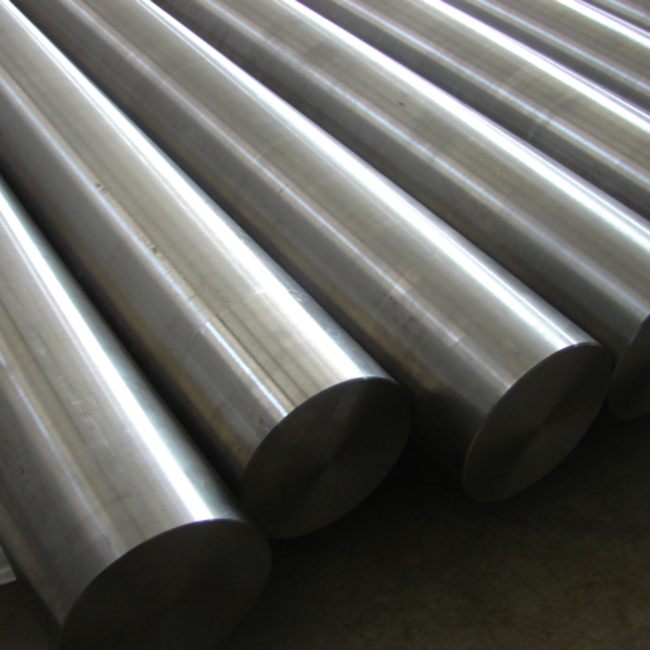
In demanding industrial environments, material choice directly affects equipment life and production efficiency. Ni200 Rod is a commercially pure nickel material. It offers excellent resistance to alkaline corrosion, strong electrical and thermal conductivity, and good machinability. These advantages make it a preferred material in chemical processing, electronics, marine engineering, and many other industries.
This high-purity nickel rod contains at least 99.0% nickel, with a typical nickel content of 99.2% to 99.6%. It performs well in strong alkaline media for long periods. It also offers good weldability and reliable heat and electrical transfer. Ni200 rod helps solve common problems such as corrosion failure, media contamination, and magnetic interference.
1. Key Performance Advantages of Ni200 Rod
1.1 Exceptional Resistance to Strong Alkali Corrosion
Ni200 rod performs very well in strong alkaline environments. In caustic alkali solutions such as sodium hydroxide (NaOH) and potassium hydroxide (KOH), common materials like carbon steel and stainless steel often suffer severe corrosion. Ni200 remains stable over long service periods.
Its corrosion resistance comes from its high-purity nickel matrix. In alkaline media, the material forms a dense passive film. This film blocks corrosive substances and protects the surface. In chlor-alkali plants, manufacturers often use Ni200 rod for electrolyzers, evaporators, and heating tubes. These parts can last 3 to 5 times longer than standard materials. This reduces replacement frequency and lowers maintenance costs.
1.2 Excellent Electrical and Thermal Conductivity
With more than 99.0% nickel purity, Ni200 rod delivers reliable electrical and thermal performance. Its electrical conductivity reaches about 14.6% IACS (International Annealed Copper Standard). Its thermal conductivity reaches around 90.7 W/(m·K) at room temperature. These values exceed those of many common alloy materials.
In electroplating and electrolysis systems, Ni200 electrodes reduce resistance loss, improve current efficiency, and lower energy use. In heat exchangers and heating elements, strong thermal conductivity supports faster heat transfer. This shortens heating and cooling cycles and reduces operating costs.
1.3 Stable Performance in High and Low Temperatures
Ni200 rod keeps stable mechanical properties and corrosion resistance across a wide temperature range. At cryogenic temperatures as low as -196°C, the material still keeps good toughness. It does not become brittle like carbon steel. This makes it suitable for cryogenic tanks and liquefied gas equipment.
At elevated temperatures up to 600°C, Ni200 still provides good oxidation resistance and mechanical strength. This stability across a broad temperature range makes it a reliable option for aerospace, energy, and chemical industries. It also reduces the risk of equipment failure caused by temperature changes.
However, one point needs attention. When Ni200 works above 315°C for long periods, its carbon content (≤0.15%) may move to grain boundaries and form graphite precipitates. This may cause material embrittlement. For long-term service above 315°C, Ni201 rod offers a better option. Ni201 contains lower carbon (≤0.02%) and helps avoid graphitization at high temperatures.
Comparison of Key Properties Between Ni200 and Common Materials
| Performance Property | Ni200 | 316L Stainless Steel | Carbon Steel | Application Advantage |
|---|---|---|---|---|
| Resistance to Strong Alkali Corrosion | Excellent | Moderate | Poor | Extends chlor-alkali equipment life by 3–5 times |
| Electrical Conductivity (%IACS) | Approx. 14.6 | Approx. 2.5 | 10–15 | Reduces electroplating energy use by 15–20% |
| Thermal Conductivity W/(m·K) | Approx. 90.7 | Approx. 16.3 | Approx. 50 | Improves heat exchange efficiency |
| Magnetic Permeability (Annealed State) | Low magnetic | Slight magnetic | Highly magnetic | Suitable for precision electronics and MRI equipment |
| Nickel Purity | ≥99.0% | Approx. 10% | Trace amount | Meets high-purity process needs |
| Low-Temperature Toughness (-196°C) | Excellent | Good | Brittle | Reliable for cryogenic tanks and gas equipment |
2. Industry Problems Solved by Ni200 Rod
2.1 Material Failure in Strong Alkali Environments
In chemical processing, strong alkali corrosion remains a major technical challenge. Traditional 316L stainless steel often suffers from intergranular corrosion and stress corrosion cracking in high-temperature and high-concentration alkali solutions. This leads to leakage and sudden equipment failure.
Ni200 rod improves this situation significantly. In one chlor-alkali plant, engineers replaced stainless steel evaporator tube bundles with Ni200 parts. The equipment service life increased from 18 months to more than 5 years. Maintenance cost dropped by about 60%. Production safety also improved.
2.2 Media Contamination in High-Purity Applications
Pharmaceutical, food, and semiconductor industries require very high material purity. Even trace element contamination can affect product quality. Standard alloys often contain elements like chromium and manganese. These elements may dissolve into process media under certain conditions.
Ni200 rod contains at least 99.0% nickel and very low impurity levels. Carbon stays at ≤0.15%, and sulfur at ≤0.01%. This high purity helps maintain a clean process environment. In pharmaceutical reactors and food equipment, Ni200 components meet GMP and FDA requirements and support product safety and brand reliability.
2.3 Magnetic Interference in Sensitive Equipment
Precision electronics, MRI systems, and high-accuracy instruments are sensitive to magnetic fields. Ferromagnetic materials can disturb signals and reduce accuracy.
Ni200 rod shows very weak magnetism at room temperature. In annealed condition, its magnetic permeability stays close to 1.0. It behaves as a low-magnetic material. Engineers often use it in MRI support structures, electron beam equipment fixtures, and sensor housings. It reduces magnetic interference and improves measurement stability.
Typical Applications and Economic Benefits of Ni200 Rod
| Industry | Typical Components | Replacement Material | Service Life Increase | Economic Benefit |
|---|---|---|---|---|
| Chlor-Alkali Industry | Electrolyzer anode plates, heating tubes | 316L stainless steel | 3–5 times | Maintenance cost reduced by 60–70% |
| Electronics Industry | Battery current collectors, vacuum tube anodes | Nickel alloys | 2–3 times | Improved product reliability |
| Marine Engineering | Heat exchanger tubes for desalination | Stainless steel | Significant increase vs stainless steel | Reduced maintenance frequency |
| Food & Pharmaceutical | Reactors, press rollers | Stainless steel | 1.5–2 times | Meets cleanliness standards |
| Aerospace | Heat-resistant fasteners, sensor shafts | High-temperature alloys | N/A | Lower weight and reduced magnetic interference |
3. Value in Major Application Fields
3.1 Core Material for Chemical and Chlor-Alkali Industry
Chlor-alkali production is the most important application area for Ni200 rod. During caustic soda and chlorine production, electrolyzers operate in hot and concentrated alkali solutions (30–50% NaOH at 80–110°C).
Ni200 rod works well for anode plates, heating tubes, pump shafts, and agitators. It resists corrosion under these harsh conditions. Compared with nickel-based alloys, pure nickel performs more stable in reducing media. It also avoids selective corrosion of alloying elements.
In one international chemical company, Ni200 pump components ran continuously for more than 8 years without replacement. Maintenance cost dropped by more than 70%.
3.2 Key Components in Electronics and Electrical Industry
Electronics manufacturing requires high conductivity, high purity, and low magnetism. Ni200 rod works well in resistance heating elements, battery current collectors, and vacuum tube electrodes.
In nickel-metal hydride and nickel-cadmium batteries, Ni200 collectors reduce contact resistance and improve stability. In vacuum tubes, Ni200 anodes, grids, and supports maintain performance under high temperature without magnetic interference. In semiconductor packaging, Ni200 lead frames provide good solderability and thermal matching for high-reliability chips.
3.3 Corrosion Resistance in Marine Engineering
Marine environments contain high chloride levels and cause strong corrosion risks. Ni200 rod is mainly used in alkaline systems, but it also performs well in neutral chloride environments under reducing or low-oxygen conditions.
In desalination systems, engineers use Ni200 in heat exchanger tubes, high-pressure pump shafts, and underwater connectors. This improves service life. Ship systems also use Ni200 fasteners and valve parts to resist seawater corrosion.
However, in high-chloride marine environments, titanium alloys still perform better. Ni200 works best in specific reducing conditions rather than full seawater exposure.
Applications and Economic Benefits of Ni200 Rod by Industry
| Application Field | Typical Parts | Replacement Material | Life Improvement | Economic Effect |
|---|---|---|---|---|
| Chlor-Alkali | Electrolyzer plates, heating tubes | 316L stainless steel | 3–5× | Maintenance cost down 60–70% |
| Electronics | Battery collectors, vacuum anodes | Nickel alloys | 2–3× | Higher reliability |
| Marine Engineering | Desalination heat exchangers | Stainless steel | Significant improvement | Less maintenance |
| Food & Pharma | Reactors, rollers | Stainless steel | 1.5–2× | Meets hygiene standards |
| Aerospace | Fasteners, sensor shafts | High-temp alloys | N/A | Lower weight, low magnetism |
4. Economic Value Analysis of Ni200 Rod
4.1 Full Life-Cycle Cost Advantage
Ni200 rod costs more than standard stainless steel at the initial stage. However, it shows clear advantages in full life-cycle cost.
Its service life can extend by 3 to 5 times. This reduces replacement cycles and lowers downtime losses. In chlor-alkali plants, Ni200 heating systems may require higher upfront investment. But over a 10-year operation period, total cost drops significantly when you include maintenance, replacement, and shutdown losses.
Long-term stable operation also reduces emergency repair needs and spare part inventory pressure. This improves production planning and operational predictability.
4.2 Safety and Environmental Benefits
Equipment corrosion failure can cause serious safety risks and environmental damage. Strong alkali leakage may harm workers and the environment.
Ni200 rod reduces leakage risk in key components. It improves overall operational safety. From an environmental view, longer service life reduces scrap material generation. This supports sustainable production goals.
Better electrical and thermal efficiency also lowers energy consumption. This reduces carbon emissions and helps companies build a greener image.
4.3 Technical Support and Quality Assurance
High-quality Ni200 rod depends on strict production control. Professional manufacturers use vacuum melting, precision rolling, and controlled heat treatment. These processes ensure uniform structure and stable performance.
A complete quality system includes chemical analysis, mechanical testing, and non-destructive inspection. Each batch comes with a material certificate and third-party test report.
Technical teams also support material selection, machining guidance, and welding solutions. This helps customers achieve better performance and cost balance in real applications.
Conclusion
Ni200 rod offers strong resistance to alkaline corrosion, excellent electrical and thermal conductivity, stable performance across wide temperature ranges, and good machinability. It has become an important material in chemical processing, electronics, and marine engineering.
It solves key problems such as corrosion failure, high-purity contamination, and magnetic interference. It also brings longer service life, lower maintenance cost, improved safety, and better environmental performance.
For material selection, temperature plays an important role. Ni200 works best from room temperature up to 315°C. For long-term service above 315°C, Ni201 is a better choice due to its lower carbon content and reduced risk of graphitization.
As industrial technology continues to develop, Ni200 rod will see wider use in advanced engineering fields.
FAQ
1. What is the difference between Ni200 and Ni201? How should I choose?
Ni200 contains up to 0.15% carbon. Ni201 contains up to 0.02% carbon. At temperatures above 315°C, Ni200 may form graphite at grain boundaries. This can reduce ductility.
For high-temperature service above 315°C, Ni201 is safer. For room temperature and medium temperature use (≤315°C), Ni200 offers better cost performance.
2. Can Ni200 rod work in strong oxidizing acid environments?
No. Ni200 does not suit strong oxidizing acids such as nitric acid or hot sulfuric acid. It may corrode quickly in these conditions.
Ni200 works best in alkaline, reducing, and neutral environments. For oxidizing acids, nickel-chromium alloys or Hastelloy-type materials perform better.
3. How can I ensure the quality of purchased Ni200 rod?
Choose suppliers who provide full material certificates and third-party test reports. Check chemical composition, mechanical properties, and dimensional tolerance against ASTM B160 or related standards.
For critical use, request PMI testing and ultrasonic inspection. Also confirm ISO certification and production capability of the supplier.
Looking for a Reliable Ni200 Rod Supplier?
Baoji Titanium Valley Titanium Nickel Zirconium Material Processing Co., Ltd. is a professional manufacturer of high-end rare metal materials. We provide Ni200 rod products that meet ASTM B160 standards, along with custom machining services.
Our products are widely used in aerospace, medical, and electronics industries. We focus on stable quality and strong technical support.
Contact us: sales@titaniumvalleys.com
References
- Zhang Jianmin, Li Huaqiang. Application and Material Selection of Pure Nickel and Nickel Alloys in Chemical Equipment. Chemical Equipment and Pipeline, 2021(3): 45–52.
- Wang Desheng, Zhao Minghui. Corrosion Behavior and Protection of Ni200 in Chlor-Alkali Industry. Corrosion Science and Protection Technology, 2022(4): 298–305.
- Zhang Qing, Wang Chunming. Research Progress on High-Temperature Corrosion of Nickel-Based Alloys. China Materials Progress, 2025, 44(10): 903–913. DOI: 10.7502/j.issn.1674-3962.202404009.
- Li Yongqin, Zhao Yonghong. Processing and Welding Technology of Pure Nickel. Hot Working Technology, 2020, 49(15): 21–25.