
What Should You Know About Custom UNS R60702 Foil Production, Thickness, Dimensions, and Service?
- UNS R60702 Foil
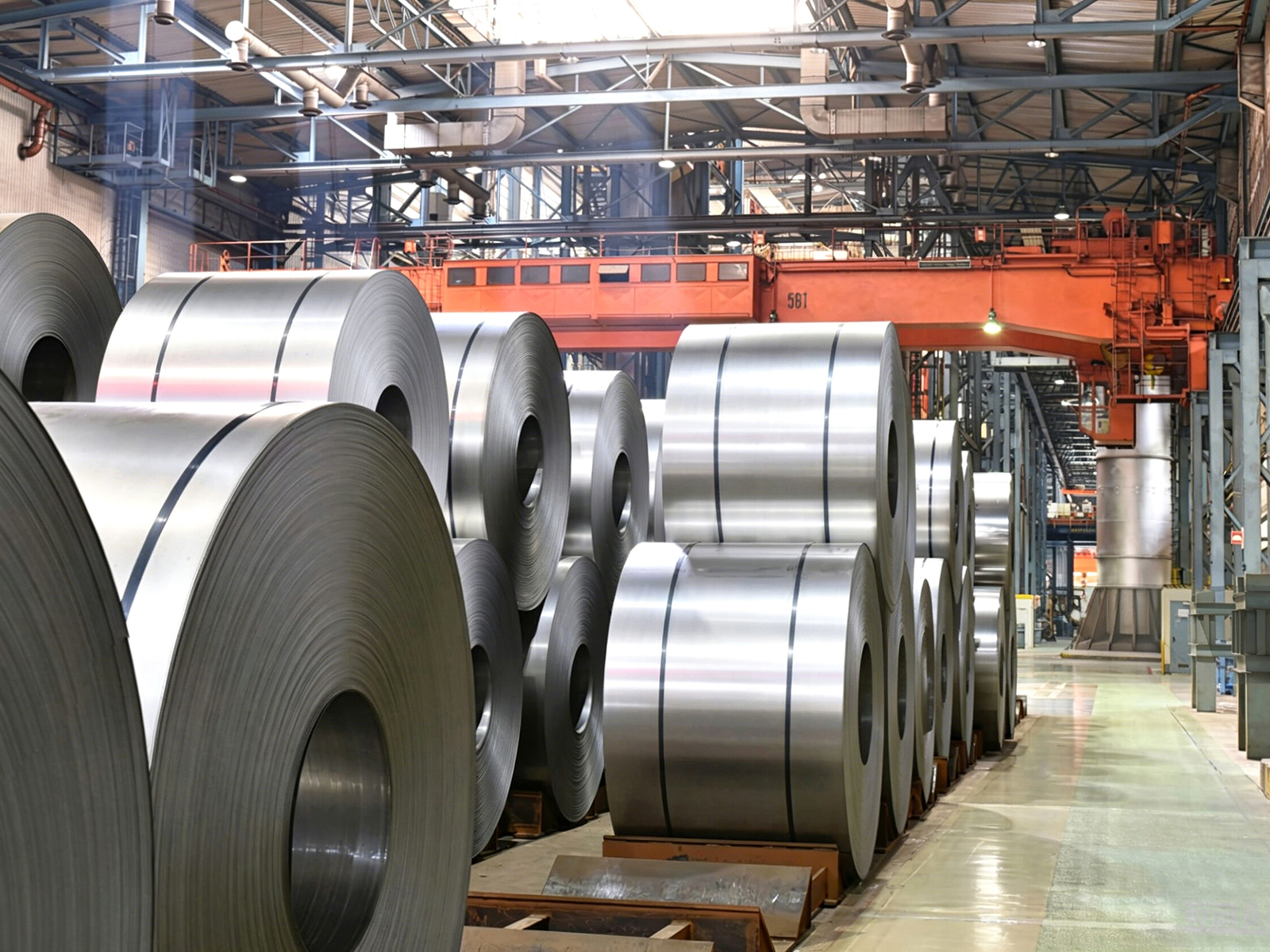
When your engineering team faces challenges such as seal failure in highly acidic environments, rapid corrosion of electrolyzer electrodes, or metal contamination in high-purity systems, custom production capabilities for UNS R60702 foil can be a critical solution. With the high purity of Zr+Hf ≥ 99.2%, this industrial pure zirconium foil shows long-term stability far exceeding that of titanium and stainless steel in hydrochloric acid, sulfuric acid and mixed acid systems. Professional customized production services cover conventional thicknesses of 0.02-1.0mm and ultra-thin specifications of 0.005mm, with widths up to 680mm. With precision tolerance control of ± 0.002mm, vacuum annealing and full-process clean production, we ensure that each roll of foil can meet the stringent requirements of high-reliability applications such as chemical and electrochemical fields, and new energy batteries.
1. Why Does UNS R60702 Foil Need Customized Production?
(1) What Should You Know About Extreme Working Conditions Impose Stringent Requirements on Material Performance?
The highly corrosive medium environment in chemical plants is not a standardized scenario. Some processes involve circulating concentrated hydrochloric acid above 60℃, while others require long-term operation in a mixed acid system containing chloride ions. It is difficult to balance thickness accuracy, surface cleanliness and corrosion-resistant life with general-purpose metal foils. UNS R60702 foil can be adapted to ultra-compact sealing structures through customized thickness control (the thinnest can be up to 0.005mm); and through vacuum or inert atmosphere annealing treatment, processing stress can be eliminated and the grain structure can be optimized, allowing the material to maintain a stable passivation film in high-temperature acidic environments.
(2) What Should You Know About Different Industries Have Different Needs for Size and Surface?
The electrolysis industry requires wide foils (350-670mm) to reduce the number of welds and reduce the risk of electrolytic cell leakage; the pharmaceutical and chemical industries require surface dyne values ≥ 40 to ensure subsequent coating adhesion; the aerospace field focuses on non-magnetic and lightweight, and requires precise control of thickness tolerances to ± 0.001mm. These diverse needs cannot be met by stocking standard products. Customized production allows customers to choose the annealed state (M) or cold working state (H) according to actual working conditions, adjust the balance of tensile strength (≤ 380MPa) and elongation (≥ 16%), and provide surface treatment options such as bright or matte surfaces.
(3) What Should You Know About Batch Consistency and Long-term Supply Guarantee?
High-end equipment manufacturers are most concerned about supply chain disruptions or batch-to-batch performance fluctuations. A new energy company once experienced a 15% drop in battery assembly yield due to foil thickness deviation exceeding the standard. The professional UNS R60702 foil customization service relies on a stable production capacity of 3, 000 tons per year. It uses 20-roll finishing equipment to achieve precise control of multi-pass cold rolling and intermediate annealing, and cooperates with a production line with an automation rate of 90% to ensure a high degree of consistency in the chemical composition, mechanical properties and surface quality of each batch.
Custom dimensions | Standard specification limitations | Customized production advantages |
Thickness range | 0.05-0.5mm regular stock | 0.005-1.0mm full coverage, ± 0.002mm tolerance |
Width selection | Single narrow or fixed width | 15-680mm continuously adjustable, adaptable to different equipment |
surface state | Universal cleaning treatment | Ultrasonic + alkali cleaning dyne value 40, roughness can be customized |
Delivery cycle | Inventory fluctuations causing delays | Stable delivery capacity of 3, 000 tons per year |
2. What Should You Know About Analysis of Core Customization Parameters of UNS R60702 Foil Materials?
(1) How Thickness Accuracy Affects Application Performance?
In electrolytic cell sealing gasket applications, 0.02mm foil needs to withstand a clamping force of 5MPa without perforation. This requires thickness uniformity to be controlled within ± 3%, and any local thinning may lead to stress concentration. The professional 20-roller finishing mill uses multi-roller distributed loading technology to evenly disperse the rolling pressure, and cooperates with the real-time thickness detection system to achieve stable mass production of ultra-thin specifications of 0.02-0.8mm. For the extreme needs of scientific research or vacuum equipment, 0.005mm ultra-thin foils can be customized, but it is necessary to balance the extreme thinness and dimensional stability. At this time, by controlling the annealing temperature (± 2℃ accuracy) and cooling rate, local strength unevenness caused by abnormal grain growth can be prevented.
(2) What Should You Know About Processing Challenges of Width and Edge Quality?
The traditional slitting process is prone to edge burrs or micro-cracks when processing ultra-thin zirconium foil. These defects can become corrosion starting points in strong acid environments. The production of wide-width foil (350-670mm) is more difficult, and the problems of transverse thickness difference and plate shape control need to be solved. The advanced slitting line is equipped with an optimized tension control system and precision cutting tools to ensure edge smoothness; the high-precision leveling line eliminates residual stress through multi-roller straightening, making the flatness of wide foils reach the industry-leading level. A chemical company used 670mm wide UNS R60702 foil to make reactor linings. Compared with the splicing solution, it reduced the number of welds by 80%, and there was no leakage in three years of operation.
(3) What Should You Know About the Key Role of Surface Treatment in Subsequent Processing?
The thickness, color uniformity and cleanliness of the oxide film on the foil surface directly affect the welding quality and forming performance. Ultrasonic cleaning can remove rolling grease and micron-sized particle contamination, while alkali treatment activates the surface to increase the dyne value to above 40, which is beneficial for stamping or chemical plating. The continuous annealing line is protected by vacuum or argon gas to avoid surface discoloration caused by high-temperature oxidation. A precision instrument manufacturer requires that the surface gloss difference of foil materials be less than 5%. Through customized polishing and strict gloss testing, the final product passed rigorous optical performance tests.
Surface treatment process | Technical parameters | Application effect |
Ultrasonic + alkali cleaning | Frequency 40kHz, lye pH 10-12 | Remove oil stains and oxide layers, dyne value ≥ 40 |
Vacuum annealing | Temperature 600-750℃, vacuum <10⁻³Pa | Eliminate stress and prevent surface oxidation and discoloration |
Precision polishing | Roughness Ra≤ 0.2um | Improves gloss uniformity for optical applications |
3. What Should You Know About Full-process Customization Services From Raw Materials to Finished Products?
(1) What Should You Know About Alloy Composition Customization and Purity Control?
Although the UNS R60702 standard stipulates Zr+Hf≥ 99.2% and Hf≤ 4.5%, different applications have special requirements for trace elements. The nuclear industry needs to strictly control the Hf content (usually requiring Hf ≤ 0.01% to reduce neutron absorption), while the chemical industry pays more attention to reducing the content of impurities such as Fe and Cr (general target Fe+Cr ≤ 0.20%) to reduce the risk of pitting corrosion. The customized service supports optimizing the ingredient ratio within the standard range. Through vacuum melting and multiple refining, the oxygen content is controlled to ≤ 0.12% (lower than the 0.16% required by the ASTM B551 standard) to further improve corrosion resistance. Raw material testing includes ICP spectroscopy and nitrogen, oxygen and hydrogen analyzers to measure gas elements to ensure that the purity of each batch of zirconium sponge meets strict standards.
(2) What Should You Know About Personalized Adjustment of Heat Treatment Regime?
Annealing is a key step in determining the final properties of the foil. The standard annealed condition (M) is suitable for most forming applications, but some high strength seals require the semi-hard condition (H) to increase load carrying capacity. By adjusting the annealing temperature (650-800℃), holding time (2-6 hours) and cooling rate, the grain size (5-15um) and recrystallization degree can be precisely controlled. A battery manufacturer required the current collector foil to have both high strength and good ductility. Through a customized stress relief annealing process and low-temperature treatment after cold working, the performance balance was successfully achieved.
(3) What Should You Know About Refined Management of Size Cutting and Packaging?
Customized services go beyond production to include on-demand cutting and professional packaging. Customers can specify the roll length (50-500m), single roll weight or slice size, and the sliver width accuracy is ± 0.5mm. For ultra-thin foil (<0.05mm), a sandwich protective paper is used to prevent scratches, and a plastic shaft is used in the inner core of the coil to avoid metal contamination. Export orders are provided with vacuum aluminum plastic film packaging and moisture-proof wooden boxes to ensure that the material does not oxidize in the shipping environment. The 0.03mm × 500mm × 200m foil customized by a German customer still maintains its silvery white luster on the surface after three months of shipping, without any signs of rust.
4. How Customized Production Breaks Through Industry Technical Bottlenecks?
(1) What Should You Know About Springback and Flatness Control in Ultra-thin Rolling?
The yield-to-strength ratio of industrial pure zirconium in the annealed state is usually 0.5-0.7, and springback during cold rolling makes thickness control more difficult. When a traditional four-high rolling mill rolls 0.02mm foil, the springback can reach 15%, and the transverse thickness difference exceeds ± 0.005mm. By increasing the number of support rolls and work rolls, the 20-high finishing mill transmits the rolling force to the strip more evenly and reduces the springback to less than 8%. Cooperating with the hydraulic AGC (automatic thickness control) system to adjust the rolling pressure in real time, the transverse thickness difference is reduced to ± 0.002mm. The multi-pass rolling strategy is also crucial – the reduction rate of each pass is controlled at 15-25%, and a stress relief annealing process is inserted in the middle to restore plasticity and avoid edge cracks caused by work hardening.
(2) What Should You Know About Oxidation and Structural Uniformity During Annealing?
Zirconium is easily oxidized at high temperatures, and traditional air annealing will form a thick oxide layer on the surface, reducing corrosion resistance and causing uneven color (from silvery white to dark gray). Although vacuum annealing can avoid oxidation, if the heating rate is too fast, it will cause uneven structure – the surface has recrystallized but the core is still a deformed structure. The continuous annealing line adopts segmented heating technology. The entrance preheating zone slowly heats up to 400℃, the middle insulation zone maintains a constant temperature of 700℃ for 6 hours, and the outlet slow cooling zone controls the cooling rate to <50℃/h. Argon protection annealing strikes a balance between cost and effect, and is suitable for mass production of medium-thickness foils (0.05-0.3mm). Metallographic examination shows that the standard deviation of grain size after optimized annealing is <2um, and the hardness fluctuation is <5HV.
(3) What Should You Know About Edge Defect Control During Slitting Process?
When slitting ultra-thin zirconium foil, tool wear and tension fluctuations will cause edge tears or burrs. A company once scrapped an entire batch of products due to 0.02mm micro-cracks on the edge of the foil. The professional slitting line is equipped with a carbide disc knife, which maintains sharpness 5 times that of ordinary knives; the tension control system adopts multi-stage independent adjustment, and gradient settings of the entrance tension, slitting area and winding area to prevent stress concentration. Edge quality inspection uses laser scanning + machine vision to identify burrs >0.01mm in real time and automatically eliminate unqualified sections. The optimized edge tear rate is significantly reduced and the yield rate is improved.
Technical bottleneck | Traditional craft issues | Breakthrough technology | Performance improvements |
Ultra-thin rolling | Springback 15%, thickness difference ± 0.005mm | 20-high rolling mill + AGC system | Springback 8%, thickness difference ± 0.002mm |
Annealing and oxidation | Surface discoloration and uneven texture | Vacuum/argon protection + segmented heating | Consistent color, grain standard deviation <2um |
Slitting defects | The edge crack rate is 3% and the burrs are serious. | Carbide knife + gradient tension | Edge crack rate 0.2%, smooth edges |
5. Why Is Customized Strategies for Different Industry Application Scenarios Important?
(1) How Should Thickness and Width Selection in the Field of Chemical Anti-corrosion?
The lining of hydrochloric acid storage tanks requires foil with a thickness of 0.3-0.5mm. This thickness range not only ensures corrosion resistance but also facilitates on-site welding construction. Wide specifications (500-670mm) can reduce the number of splicing welds and reduce leakage risk points. A chlor-alkali company used 0.4mm×600mm UNS R60702 foil to make the electrolytic cell diaphragm support structure. Compared with the original titanium solution, the corrosion depth was <0.02mm after five years of operation in a 35% hydrochloric acid + 70℃ environment, and the maintenance cycle was extended three times. Customization services also include preforming – providing pre-bent foil rolls according to the curvature of the tank, reducing on-site processing difficulties.
(2) What Should You Know About Conductivity and Purity Requirements for the Electrolytic Plating Industry?
Although the conductivity of zirconium (approximately 2.4×10⁶S/m) is lower than that of nickel, in acidic plating solutions containing chloride ions, the nickel electrode will quickly dissolve while the zirconium electrode remains stable. Foil materials for electrolysis are usually chosen to have a thickness of 0.05-0.1mm to balance conductivity and cost, and the surface needs to be mirror-like (Ra≤ 0.1um) to reduce electrochemical polarization. The 0.08mm bright foil customized by a PCB copper plating company has been precision polished and ultrasonic cleaned. The surface copper ion deposition rate has been increased by 20%, and the electrode life has been extended from 6 months to 18 months. Purity control is particularly critical – reducing the Fe content can significantly improve the corrosion resistance of the electrode in acidic environments.
(3) What Should You Know About Ultra-thinness and Surface Activity of New Energy Batteries?
The negative electrode current collector of lithium batteries is transforming from copper foil to corrosion-resistant metal, and UNS R60702 ultra-thin foil (0.01-0.03mm) has become a candidate. Ultra-thinness can increase energy density, but requires extremely high thickness uniformity – a deviation of ± 1um will cause local overheating. Customized production uses an online laser thickness measurement system to monitor and feed back to the rolling mill in real time to adjust the roll gap and control the thickness tolerance to ± 0.5 um. Surface treatment requires a balance between cleanliness and activity: excessive cleaning will reduce the adhesive adhesion, and residual oil will affect the electrochemical performance. A power battery manufacturer requires surface carbon content <50ppm and water contact angle 45-55°, and successfully met the standards through a customized plasma cleaning process.
(4) What Should You Know About Key Quality Assessment Points for Custom Production?
When evaluating custom service providers, you should focus on the following aspects: whether the production equipment has more than 20 rolls of finishing equipment, which is the hard threshold for stable production of 0.02mm ultra-thin foil; whether the quality management system has passed ISO 9001 certification, and a full-process traceability system from raw materials to finished products has been established; whether key processes have statistical process control (SPC), and whether batch testing includes all items such as chemical composition, mechanical properties, metallographic structure, and corrosion properties. At the same time, suppliers should be able to provide third-party testing reports that comply with ASTM B551 standards to meet the verification requirements of high-end applications.
6. What Is the Conclusion?
The customized production capability of UNS R60702 foil determines whether it can truly meet the stringent requirements of high-reliability applications such as chemical anti-corrosion, electrolytic plating, and new energy batteries. From 0.005mm ultra-thin specification to 680mm ultra-wide precise control, from vacuum annealing to edge quality optimization, every customization link directly affects the long-term stability of the material under extreme working conditions. Choosing professional suppliers with advanced equipment, perfect quality systems and profound technical accumulation is the key to ensuring the success of the project.
FAQ
Q1: To what level can the thickness tolerance of 0.02mm ultra-thin UNS R60702 foil be controlled?
Professional 20-roll finishing equipment combined with online thickness measurement and AGC systems can stably control the thickness tolerance of 0.02-0.08mm ultra-thin foil within ± 0.002mm, and the transverse thickness difference is <± 0.001mm, meeting the strict requirements of precision sealing and electronic applications.
Q2: How long does the delivery lead time usually take for customized wide-width foil (above 600mm)?
Regular wide-width customization (0.05-0.5mm thickness) takes about 3-5 weeks from order confirmation to delivery, including raw material preparation, multi-pass rolling, annealing and quality inspection. For urgent orders, production capacity can be coordinated to provide expedited service for 2 weeks. For ultra-thin or special surface treatment needs, it may be extended to 6-8 weeks.
Q3: How to verify whether the foil surface meets the cleanliness standards for chemical anti-corrosion applications?
Comprehensive evaluation through surface dyne value test (should be ≥ 40), ion pollution detection (Cl⁻, Fe³⁺ content <10ppm) and water contact angle measurement (45-60° is preferred). Professional suppliers provide ultrasonic + alkali cleaning treatment, and attach third-party surface analysis reports to ensure compliance with high-purity chemical equipment requirements.
7. What Should You Know About Get Customized UNS R60702 Zirconium Foil Now?
As a professional manufacturer and supplier of UNS R60702 zirconium foil, Baoji Titanium Valley Titanium Nickel Zirconium Material Processing Co., Ltd. is equipped with a 20-roller precision finishing unit and a continuous vacuum/argon protected annealing line with an annual production capacity of 3, 000 tons. It can provide customized foil services in full specifications of 0.005-1.0mm and widths up to 680mm. Our products strictly comply with ASTM B551 standards and serve customers in global chemical anti-corrosion, electrolytic plating, new energy batteries, aerospace and other high-end fields. Welcome to send technical requirements to sales@titaniumvalleys.com to obtain sample testing and professional technical support.
References
- Zhang Jianjun, Li Minghua. Research on cold rolling process and microstructure properties of zirconium and zirconium alloy foils [J]. Rare Metal Materials and Engineering, 2021, 50(3): 456-462.
- Wang Haitao, Zhao Guoqiang. Development of ultra-thin metal foil precision rolling technology and equipment [J]. Journal of Plastic Engineering, 2022, 29(2): 78-85.
- Chen Zhiming, Liu Wei. Corrosion behavior and protection of industrial pure zirconium in strong acid environment [J]. Corrosion Science and Protection Technology, 2020, 32(5): 412-418.
- Li Jianhua, Zhang Zhenyu. Effect of vacuum annealing process on the structure and properties of zirconium foil [J]. Journal of Materials Heat Treatment, 2021, 42(8): 98-104.