
What Should You Know About Nickel 201 Foil Composition, Properties, and Applications?
- Nickel 201 Foil
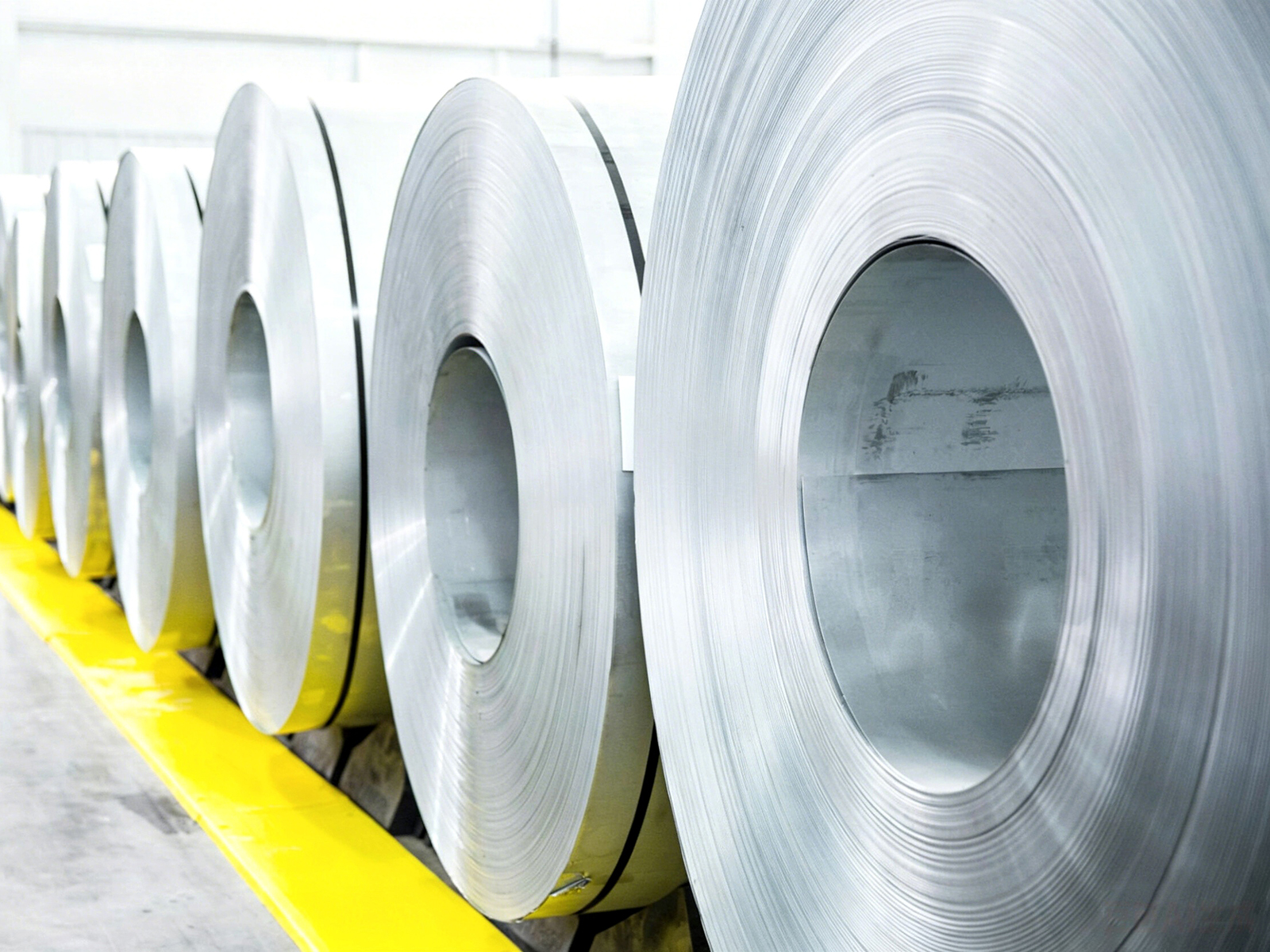
Nickel 201 is a low-carbon, high-purity nickel thin strip material with a carbon content strictly controlled below 0.02% and a nickel purity of not less than 99.0%. Compared with Nickel 200, the significantly reduced carbon content effectively suppresses the graphitization tendency that may occur in the material in high temperature environments, allowing Nickel 201 to maintain better structural stability in the range of 315℃ to 600℃. This material combines the excellent electrical conductivity and corrosion resistance of pure nickel, and shows a long service life in strongly alkaline media, electrochemical systems and high temperature conditions. With good ductility and formability, Nickel 201 foil is widely used in new energy batteries, chemical electrolysis, electronic shielding and precision manufacturing.
1. What Should You Know About Material Composition and Metallurgical Properties of Nickel 201 Foil?
(1) What Should You Know About the Technical Significance of Low-carbon Design?
The carbon content of Nickel 201 foil is strictly limited to less than 0.02%. This design is directly related to the high temperature stability of the material. When ordinary nickel materials serve for a long time in an environment exceeding 315℃, carbon elements may precipitate and form graphite particles, leading to grain boundary embrittlement and mechanical property degradation. Reducing the carbon content effectively delays this process, allowing the material to maintain a stable microstructure in an environment below 600℃.
(2) What Should You Know About Precise Control of Alloying Elements?
In addition to carbon, Nickel 201 has strict limits on impurity elements such as iron (≤ 0.40%), manganese (≤ 0.35%), and silicon (≤ 0.35%). The content of these elements directly affects the conductive properties and corrosion resistance of the material. Excessive iron content will reduce alkali corrosion resistance, and silicon may form oxide inclusions at high temperatures. Through the vacuum smelting and refining process, the content of harmful elements can be effectively controlled during the production process to ensure the high purity characteristics of the material.
(3) What Should You Know About Microstructure and Grain Structure?
After multiple passes of cold rolling and continuous annealing, Nickel 201 foil forms fine and uniform recrystallized grains. This microstructure gives the material good plasticity and formability. The grain size of annealed materials is usually controlled at ASTM level 5-7, which not only ensures strength but also maintains good ductility.
chemical composition | Content range | Performance impact |
Nickel (Ni) | ≥ 99.0% | The main element determines the basic performance |
Carbon(C) | ≤ 0.02% | Inhibit high temperature graphitization and improve stability |
Iron(Fe) | ≤ 0.40% | Affects alkali corrosion resistance |
Manganese(Mn) | ≤ 0.35% | Increase intensity but need strict control |
Silicon (Si) | ≤ 0.35% | Excessive amounts will form oxidized inclusions |
Copper(Cu) | ≤ 0.25% | Exists in trace amounts, affecting conductivity |
Sulfur(S) | ≤ 0.01% | Hazardous elements, strictly restricted |
2. What Should You Know About Nickel 201 Foil Key Performance Indicators?
(1) What Should You Know About Electrical and Thermal Conductivity?
Nickel 201 foil retains the conductive properties of pure nickel. The conductivity is about 20-22% of copper. Although it is not as good as copper and aluminum materials, it is better than stainless steel and titanium alloys. This makes it a candidate material where conductivity and corrosion resistance need to be balanced. In new energy battery systems, Nickel 201 tabs can stably conduct large currents while resisting chemical erosion of the electrolyte. The thermal conductivity is about 90 W/(m·K), which is suitable for heating elements and heat exchange structures that require heat transfer.
(2) What Should You Know About Mechanical Stability in High Temperature Environments?
The tensile strength of annealed Nickel 201 foil at room temperature is 350-420 MPa, and the elongation is usually in the range of 30-40%, showing good plasticity. In addition, the material will not undergo significant strength attenuation or embrittlement when used for a long time below 600℃. In contrast, Nickel 200 may have a reduced grain boundary strength and shortened service life due to carbon precipitation in an environment above 370℃.
(3) What Should You Know About Comprehensive Corrosion Resistance?
Nickel 201 shows good stability in a variety of corrosive media: the corrosion rate in strong alkaline solutions such as sodium hydroxide and potassium hydroxide is less than 0.05mm/year; it has certain resistance to chloride ion environments such as sea water and salt spray; it can also remain stable in reducing acids (such as dilute sulfuric acid). It should be noted that nickel has limited corrosion resistance to phosphoric acid at high temperatures, and actual use should be evaluated based on temperature conditions. This broad-spectrum corrosion resistance makes it a common material for chemical equipment and electrolysis systems.
performance category | Annealed state (M) | Cold rolled state (Y) | Test conditions |
tensile strength | 350-420 MPa | 500-600 MPa | room temperature stretching |
Elongation | ≥ 30% | ≥ 8% | Standard sample |
melting point | 1455℃ | 1455℃ | – |
density | 8.9 g/cm³ | 8.9 g/cm³ | – |
Use temperature | ≤ 600℃ | ≤ 600℃ | Long-term stability (needs to be evaluated based on working conditions) |
conductivity | About 20-22% of copper | About 20-22% of copper | Room temperature test |
magnetic | ferromagnetic | ferromagnetic | room temperature state |
(4) What Should You Know About Process Adaptability?
Nickel 201 foil has good forming properties and can be processed with precision stamping, deep drawing, bending and folding. The work hardening index of the material is moderate, which can improve the strength through cold working without causing cracking due to excessive hardening. In terms of welding, pure nickel is prone to thermal cracks and pores during welding, so appropriate welding process control measures need to be taken, such as controlling heat input and using appropriate filling materials.
3. What Should You Know About Production Process and Quality Control of Nickel 201 Foil?
(1) What Should You Know About Vacuum Smelting and Refining Technology?
The production of Nickel 201 foil begins with high-purity nickel ingots, using vacuum induction melting to eliminate gas inclusions and precisely control the alloy composition. Argon gas protection is used during the smelting process to avoid oxidation and nitridation. In the refining stage, harmful elements such as sulfur and phosphorus are removed through slag treatment to ensure the purity of the final material. This process is crucial to the precise control of carbon content, which requires multiple tests to verify that the carbon content is stable within the range of 0.015-0.020%.
(2) What Should You Know About Multi-pass Precision Cold Rolling Process?
Ultra-thin foil is rolled using a twenty-high precision rolling mill, which is capable of applying uniform rolling pressure and precisely controlling thickness. From the initial plate to the ultra-thin specification of 0.03mm, it needs to be gradually thinned through multiple passes. The reduction amount of each pass needs to be strictly controlled to ensure the uniformity of the material structure and avoid excessive work hardening. During the rolling process, the tension control system maintains stable front and rear tension to ensure that the flatness and thickness tolerance of the foil meet the requirements.
(3) What Should You Know About Continuous Annealing and Tissue Optimization?
The cold-rolled foil needs to be continuously annealed to restore plasticity and optimize the microstructure. The annealing furnace is filled with high-purity argon protective atmosphere, and the temperature is controlled in the range of 700-900℃. Precise temperature control ensures that the material’s recrystallization process proceeds evenly and avoids local over- or under-burning. The annealed foil has fine and uniform grains and a consistent silvery white luster on the surface.
(4) What Should You Know About Surface Cleaning and Quality Inspection?
Use a proper cleaning process to remove rolling grease and micro-particle contaminants from the foil surface. The cleaned surface needs to meet the set cleanliness standards, but it should be noted that the alkaline cleaning solution may react with the nickel surface. Appropriate cleaning solution ingredients should be selected and its impact on surface properties should be evaluated. Quality testing covers chemical composition analysis, mechanical property testing, surface quality inspection and dimensional accuracy measurement.
Process link | key equipment | Technical parameters | Quality assurance |
Vacuum melting | Vacuum induction furnace | Vacuum degree<0.1Pa | High purity raw material control |
precision rolling | Twenty-high rolling mill | Thickness tolerance ± 0.001mm | Multi-pass gradual thinning |
continuous annealing | Argon gas protection annealing furnace | Temperature ± 2℃ control | Tissue uniformity guaranteed |
Surface cleaning | Ultrasonic cleaning line | Set cleanliness standards | Need to evaluate the impact of cleaning fluid |
Precision slitting | High precision slitting machine | Burr-free edges | Automated dimensional inspection |
Smoothing | Tension leveling machine | Flatness≤ 5mm/m | Shape stability control |
4. Why Is Application of Nickel 201 Foil in New Energy and Electronics Industries Important?
(1) What Should You Know About Power Battery Tabs and Connection Structure?
In lithium-ion batteries and solid-state battery systems, the tabs perform the key function of current extraction. Nickel 201 foil has become one of the commonly used materials for high-performance battery tabs due to its conductivity and corrosion resistance. Compared with copper tabs, nickel tabs are more stable in the electrolyte environment. Compared with pure aluminum, nickel tabs have higher mechanical strength and can withstand the thermal stress during ultrasonic and laser welding.
(2) What Should You Know About Electromagnetic Shielding and Signal Transmission Components?
5G communication equipment, precision instruments and consumer electronics products have put forward higher requirements for electromagnetic interference shielding. Nickel 201 foil can be made into a shielding film after special treatment, and its conductive properties can be used to attenuate electromagnetic waves. In flexible circuit boards and connectors, ultra-thin Nickel 201 foil serves as a conductive layer and structural support layer.
(3) What Should You Know About Capacitor and Sensor Electrodes?
High-performance capacitors require large-area, high-purity electrode materials. After surface roughening treatment, the specific surface area of Nickel 201 foil is increased, which can increase the energy density of the capacitor. In gas sensors and electrochemical sensors, nickel electrodes have certain catalytic activity for hydrogen, carbon monoxide and other gases.
5. Why Is Application of Nickel 201 Foil in Chemical Industry and High Temperature Equipment Important?
(1) What Should You Know About Alkali Electrolysis and Chlor-alkali Industry?
In the chlor-alkali industry, electrolytic cell cathode materials need to be immersed in high-concentration sodium hydroxide solution for a long time. Nickel 201 foil has good corrosion resistance to strong alkaline media. Its electrical conductivity helps reduce the energy consumption of the electrolysis process. It should be noted that Nickel 201 is usually used as the cathode material, and the anode is often coated with titanium or nickel.
(2) What Should You Know About Heating Elements and Vacuum Systems?
In vacuum coating equipment, semiconductor manufacturing furnaces and high-temperature experimental furnaces, heating elements need to work stably in an environment of 500-600℃. The heating plate made of Nickel 201 foil can provide heat distribution, but pure nickel may still oxidize or creep when used for a long time at this temperature. Nickel-based alloys are often used in practical applications.
(3) What Should You Know About Chemical Reactor Linings and Piping?
In the pharmaceutical, fine chemical and food processing industries, the lining materials of reactors and conveying pipelines need to meet the dual requirements of high cleanliness and corrosion resistance. After electropolishing, the surface roughness of Nickel 201 foil can reach Ra 0.1-0.2um, which makes it difficult for contaminants to adhere and is easy to clean. It has certain stability to organic acids and other media.
6. What Is the Conclusion?
Nickel 201 foil adopts low-carbon and high-purity design, while maintaining the excellent conductivity and corrosion resistance of pure nickel, and improving the structural stability in high-temperature environments. Its wide application in fields such as new energy batteries, electronic shielding, chemical electrolysis and high-temperature equipment proves the value of this material in balancing performance and reliability. With the maturity of rolling technology and improvement of quality control system, Nickel 201 foil is becoming an important functional material for high-end industrial manufacturing.
FAQ
Q1: What are the main differences between Nickel 201 and Nickel 200 foils?
The carbon content of Nickel 201 is limited to less than 0.02%, while Nickel 200 is 0.15%. This makes Nickel 201 better resistant to graphitization in environments above 315℃. It is particularly suitable for long-term high-temperature working conditions such as high-temperature electrolysis and alkali treatment, and its service life is usually longer than Nickel 200.
Q2: What is the minimum thickness of Nickel 201 foil?
Using a twenty-high precision rolling mill and an optimized rolling process, Nickel 201 foil can stably produce 0.03mm conventional specifications. Ultra-thin specifications of 0.005-0.01mm are usually customized and processed, and the supplier needs to be consulted to confirm whether mass production is possible.
Q3: How to ensure the performance consistency of Nickel 201 foil purchased in bulk?
It is recommended to choose a supplier that has established a full-process quality traceability system. Each batch of raw materials undergoes spectral analysis to verify the ingredients. Automatic thickness monitoring and online annealing temperature control are implemented during the production process. The finished products undergo roll-by-roll mechanical performance sampling and surface quality inspection to ensure the stability of performance between batches.
7. What Should You Know About Get Your Customized Nickel 201 Foil Now?
Baoji Titanium Nickel and Zirconium Material Processing Co., Ltd. is a professional Nickel 201 foil manufacturer and supplier. It is equipped with a twenty-roller precision rolling mill unit, a continuous argon-protected annealing line and a fully automatic slitting system. Its annual production capacity reaches 5, 000 tons, and it can provide full-specification customized services for 0.01-0.8mm thickness and 5-650mm width. The product complies with ASTM B162 and AMS 5553 standards, and its surface condition supports bright annealing, electropolishing and precision cleaning, meeting the stringent requirements in the fields of new energy batteries, chemical electrolysis, electromagnetic shielding and high-temperature equipment. Welcome to send technical requirements to sales@titaniumvalleys.com to obtain sample testing and professional technical support.
References
- China Nonferrous Metals Industry Association. Nickel and Nickel Alloy Materials Manual[M]. Beijing: Metallurgical Industry Press, 2021.
- National Electrochemical Standardization Technical Committee. Guide to the Selection of Nickel Materials for the Electrochemical Industry[S]. Beijing: China Standards Press, 2019.
- Wang Jianjun, Li Minghua. Research on the preparation process and properties of pure nickel materials [J]. Rare Metal Materials and Engineering, 2020, 49(7): 2345-2350.
- Zhang Wei, Chen Zhiqiang. Research on the corrosion behavior of nickel-based alloys in high-temperature alkaline solutions [J]. Corrosion Science and Protection Technology, 2018, 30(4): 389-394.