
Why Is Analysis of Gr12 Titanium Rod’s Resistance to Stress Corrosion Cracking and Its Industrial Application Value Important?
- Gr12 Titanium Rod
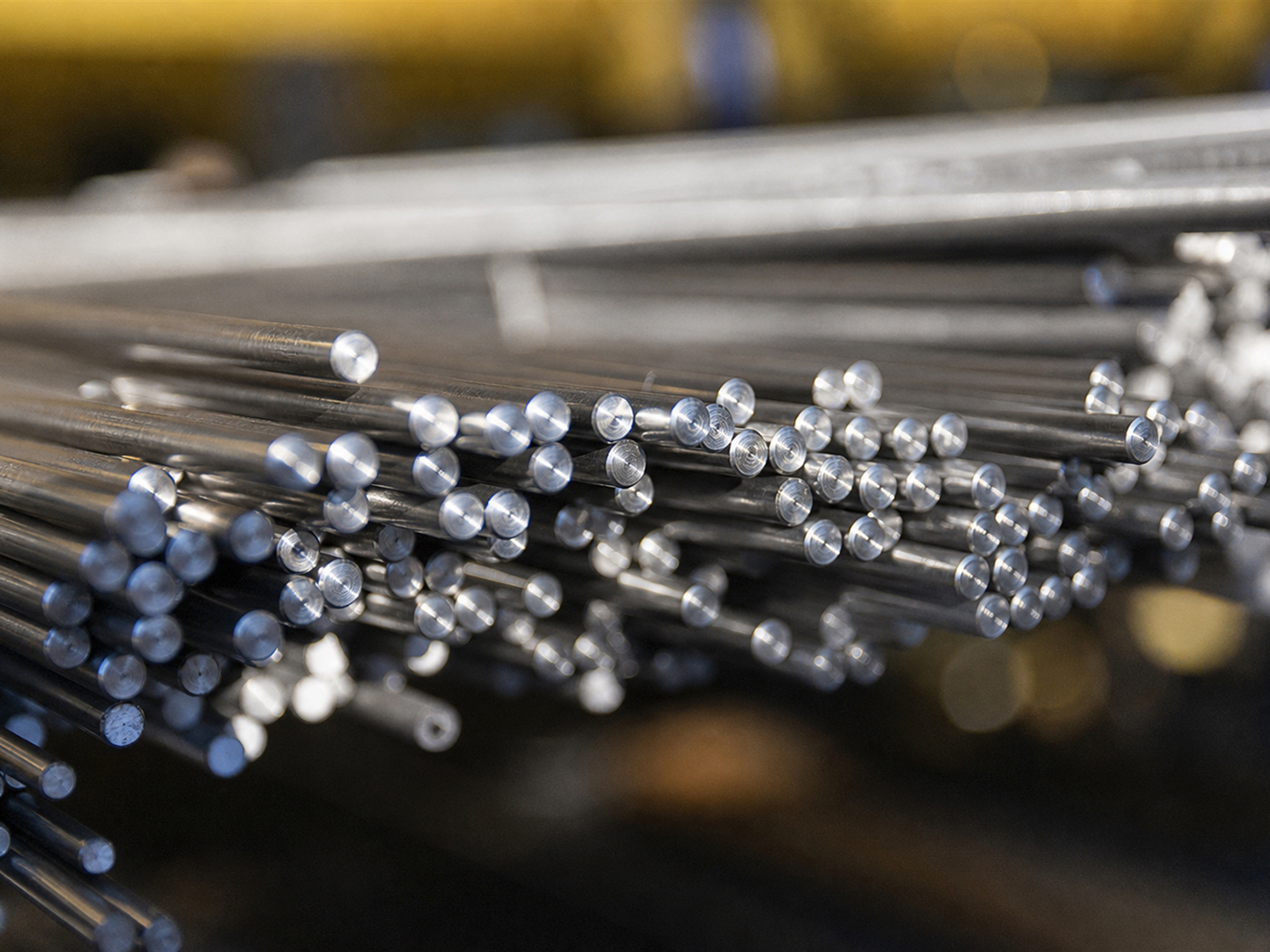
Gr12 titanium rod (Ti-0.3Mo-0.8Ni alloy) has significantly improved its resistance to stress corrosion cracking (SCC) by adding molybdenum and nickel elements, especially in chloride, hot seawater and reducing acid environments. Compared with pure titanium, Gr12 titanium rods can effectively inhibit the initiation and expansion of cracks and extend the service life of equipment under the combined action of mechanical stress and corrosive media. This unique anti-stress corrosion property makes it the preferred material in high-risk working conditions such as chemical industry, marine engineering, and energy equipment. It provides reliable material guarantee for enterprises to reduce the risk of sudden failure and reduce downtime maintenance costs. It has shown irreplaceable application value in the process of global high-end manufacturing and industrial upgrading.
1. What Should You Know About Material Properties and Stress Corrosion Resistance Mechanism of Gr12 Titanium Rod?
(1) How Alloying Design Enhances Crack Resistance?
The core design concept of Gr12 titanium rod is to change the electrochemical behavior of the titanium matrix through the synergistic effect of trace amounts of molybdenum (0.20%-0.40%) and nickel (0.60%-0.90%). The molybdenum element can stabilize the surface passivation film and improve its self-healing ability in a low pH environment, while the nickel element can effectively reduce the diffusion rate of hydrogen atoms into the matrix and inhibit the risk of hydrogen-induced cracking. This dual-element strengthening mechanism allows the material to maintain a dense oxide film structure under the action of tensile stress, blocking the electrochemical reaction path at the crack tip.
(2) What Should You Know About Stability Analysis of Passivation Film Structure?
In a harsh environment where the chloride concentration exceeds 500ppm, the thickness of the molybdenum-rich passivation layer formed on the surface of the Gr12 titanium rod can reach 5-8 nanometers. Compared with the 2-3 nanometer thickness of pure titanium, its density is increased by about 40%. The passivation film remains stable within a wide pH range of 2-12. Even if the local film layer is damaged, the molybdenum-containing component can quickly migrate to the damaged area to achieve dynamic repair. This self-healing property greatly reduces the probability of crevice corrosion and pitting corrosion developing into stress corrosion cracks.
(3) What Should You Know About Effect of Microstructure on Anti-cracking Properties?
Through vacuum annealing and precision machining processes, the interior of the Gr12 titanium rod exhibits an α+β structure (formed after forging and annealing in the β zone), in which the α phase grain size is controlled between 20-50 microns, and the β phase is dispersed in the α grain boundaries. The fine and uniform grain structure effectively disperses the stress concentration points and hinders the rapid expansion of cracks along the grain boundaries. The elongation of the material remains above 15%. This good plastic deformation ability enables it to release stress through local plastic deformation when subjected to cyclic loads and avoid the sudden occurrence of brittle fracture.
2. What Should You Know About Evaluation of Stress Corrosion Resistance in Typical Industrial Environments?
(1) What Should You Know About Verification of Long-term Stability in Chloride Environment?
test environment | stress level | exposure time | Crack incidence | Compare material crack incidence rates |
3.5% NaCl solution (80℃) | Yield strength 70% | 5000 hours | 0% | 316 stainless steel: 35% |
Seawater environment (simulated depth 500 meters) | Yield strength 60% | 8000 hours | 0% | Pure titanium Gr2: 8% |
Calcium chloride solution (120℃) | Yield strength 80% | 3000 hours | 0% | Gr2 titanium rod: 12% |
In the practical application of seawater desalination systems, the evaporator tube bundle made of Gr12 titanium rods showed no visible cracks on the surface after continuous operation for more than 5 years, while similar equipment using 316 stainless steel developed perforations and leaks within 18 months. This significant performance difference is directly reflected in the full life cycle cost of the equipment – although the initial investment of Gr12 titanium rods is about 30% higher, frequent replacement and shutdown losses are avoided, and the comprehensive economic benefits are increased by more than 2 times (mainly reflected in a 65% to 70% reduction in maintenance costs and a 2 to 3 times extension of equipment life).
(2) What Should You Know About Tolerance in Reducing Acidic Media?
In a temperature range of 40-100℃ with a sulfuric acid concentration of 10%-60%, the annual corrosion rate of Gr12 titanium rods is less than 0.05 mm, and no stress corrosion cracking is observed under the condition that the tensile stress reaches 50% of the material’s tensile strength. The addition of molybdenum element shifts the corrosion potential of the material in reducing acid solution by about 150 millivolts, effectively inhibiting the hydrogen evolution reaction and eliminating the source of hydrogen-induced cracking.
(3) What Should You Know About Durability Performance in High-temperature Oxidizing Environments?
In a wet chlorine environment at a temperature of 300℃, after 2, 000 hours of exposure, the surface oxide layer thickness of the Gr12 titanium rod only increased by 2 microns, and no peeling occurred. This excellent high-temperature oxidation resistance, combined with its stress corrosion resistance, makes the material suitable for key structural parts of high-temperature corrosion equipment such as chemical reactors and heat exchangers. Compared with ordinary titanium alloys, the performance degradation rate of Gr12 in the medium temperature range (200-350℃) is reduced by about 60%.
3. Why Is In-depth Application Practice in Key Industrial Fields Important?
(1) Why Is Core Component Applications in Chemical Equipment Important?
In the manufacturing of reactor stirring shafts in the pharmaceutical industry, Gr12 titanium rods have become the material of choice due to their stress corrosion resistance. After a multinational pharmaceutical company adopted this material to replace nickel-based alloys, the service life of the equipment in the high-concentration hydrochloric acid and chloride mixing process was extended from 3 years to more than 8 years. The good processing performance of the material allows the complex spiral blade and shaft head connection structure to maintain a dimensional accuracy of ± 0.05 mm, meeting the dynamic balance requirements during high-speed rotation.
Comparison of typical applications of chemical equipment
Application parts | raw materials | average life span | Gr12 titanium rod life | Maintenance cost reduction ratio |
Reactor stirring shaft | Nickel-based alloy | 3 years | 8 years+ | 65% |
heat exchanger tube bundle | 316L stainless steel | 4 years | 10 years+ | 70% |
filter housing | Gr2 pure titanium | 5 years | 12 years+ | 55% |
(2) What Should You Know About Reliability Guarantee of Marine Engineering Equipment?
In umbilical cord connectors for submarine oil extraction, Gr12 titanium rods endure an extremely complex environment: the combined effects of deep sea high pressure (above 25MPa), seawater containing hydrogen sulfide, cyclic mechanical stress and cathodic protection current. Test data after the material was operated under such extreme working conditions for 5 years showed that the tensile strength only decreased by 3%, and no stress corrosion cracking or hydrogen embrittlement was found. This reliability has extended the maintenance cycle of the equipment from once a year to once every three years, saving US$1.2 million in operation and maintenance costs for a single set of equipment.
(3) What Should You Know About Coping with High-temperature Corrosive Environments in the Energy Industry?
The slurry circulation pump shaft of the thermal power plant desulfurization system rotates at high speed for a long time in a slurry with a pH value of 4-6, a temperature of 80-120℃, and containing chloride ions and sulfate radicals. The pump shaft made of Gr12 titanium rods suffered surface wear depth of only 0.2 mm after continuous operation for more than 30, 000 hours, and no stress corrosion cracks appeared in the journal. However, similar shafts made of duplex stainless steel broke and failed after 12, 000 hours. This performance advantage reduces the unplanned downtime of the desulfurization system by 80%, significantly improving the power generation efficiency of the power plant.
4. Why Is Technical and Economic Value Assessment of Material Selection Important?
(1) Why Is Whole Life Cycle Cost Advantage Analysis Important?
Although the unit purchase price of Gr12 titanium rods is 2.5 times the price of 316 stainless steel, the comprehensive cost during the 15-year service cycle is 40% lower. This cost reversal is mainly due to three aspects: the frequency of equipment replacement is reduced from 5 times to 1 time, which reduces the labor costs and production losses of shutdown and disassembly; the anti-stress corrosion ability eliminates the risk of sudden failure and avoids fines for environmental pollution accidents; the excellent processing performance shortens the manufacturing cycle of parts by 30%, speeding up the overall progress of the engineering project.
(2) Why Is the Economic Value of Security Risk Prevention and Control Important?
In high-pressure hydrogenation reactors in the petrochemical industry, leakage accidents caused by stress corrosion cracking can cause a single loss of more than 10 million US dollars, accompanied by serious risks of casualties. After 10 years of operation and five regular inspections of key pressure components made of Gr12 titanium rods, no signs of crack initiation were found, completely eliminating this hidden danger. The reliability of materials translates into lower insurance premiums, increased regulatory approval rates, and enhanced brand reputation for companies. These implicit values often exceed the price difference of the materials themselves.
(3) What Should You Know About the Supporting Role of Technology Upgrading and Production Capacity Improvement?
The effect of material properties on improving production capacity
Assessment Dimensions | traditional material performance | Gr12 titanium rod performance | Capacity impact |
Equipment annual operating time | 7200 hours | 8400 hours | +16.7% |
Maintenance downtime frequency | 4 times a year | 1 time per year | -75% |
Single maintenance cycle | 72 hours | 48 hours | -33% |
Equipment operation stability | Fluctuation ± 8% | Fluctuation ± 2% | The quality qualification rate increased by 7.2 percentage points (from 92% to 99.2%) |
In the production of electronic-grade chemicals, distillation tower internals made of Gr12 titanium rods can operate stably for a long time in an ultra-pure environment, avoiding batch scrapping problems caused by metal ion contamination. After a semiconductor material manufacturer used this material, its product yield rate increased from 92% to 99.2%, and the annual effective output value increased by more than 5 million US dollars, which far exceeded the investment in material upgrades.
5. What Should You Know About Key Technologies for Processing, Manufacturing and Quality Control?
(1) What Should You Know About Vacuum Melting and Structure Uniformity Control?
The production of Gr12 titanium rods adopts three vacuum consumable arc melting (VAR) processes to ensure the uniform distribution of molybdenum and nickel elements in the titanium matrix, and the segregation rate is controlled within ± 0.05%. This strict composition control enables the stress corrosion resistance of the material to fluctuate less than 5% between different batches, providing stable and reliable material guarantee for large-scale engineering applications. The oxygen content during the smelting process is controlled below 0.18%, and the hydrogen content is below 0.012%, eliminating the risks of hydrogen embrittlement and low plasticity from the source.
(2) What Should You Know About the Influence Mechanism of Thermal Processing Technology on Performance?
The forging temperature is precisely controlled in the 920-980℃ range (β zone), and the cumulative deformation amount reaches more than 70%. This large deformation thermal processing can break the coarse as-cast structure and form a fine and uniform α+β structure. The subsequent annealing treatment is maintained at 650-750℃ for 2-4 hours to eliminate residual stress and stabilize the organizational structure. The difference in mechanical properties between the longitudinal and transverse directions of the titanium rods treated by this process is less than 8%, and it has excellent isotropy and is suitable for manufacturing structural parts that can withstand complex multi-directional stress.
(3) What Should You Know About Quality Inspection and Performance Traceability System?
Each batch of Gr12 titanium rods undergoes ultrasonic flaw detection, eddy current testing and chemical composition analysis, and the defect detection rate reaches a diameter of more than 0.5 mm. The quality certificate that comes with the material includes tensile testing, impact toughness, grain size rating and corrosion rate test data traceable to specific melt batches and processing batches. This perfect quality management system enables the one-time pass rate of materials to exceed 99.5% when they pass customer acceptance, avoiding construction delays and additional testing costs caused by quality disputes.
6. What Is the Conclusion?
Gr12 titanium rods exhibit excellent performance in resisting stress corrosion cracking through precise alloying design and strict manufacturing processes, and are especially suitable for complex working conditions such as chloride, reducing acids and high-temperature oxidation. Its successful application in chemical industry, marine, energy and other fields has verified the significant value of materials in extending equipment life, reducing maintenance costs and eliminating safety hazards. As the global industry develops towards high reliability and long-cycle operation, the technical and economic advantages of Gr12 titanium rods will continue to be highlighted.
FAQ
Q1: Compared with pure titanium, how much does the stress corrosion resistance of Gr12 titanium rods improve?
In a chloride environment, the stress corrosion cracking resistance of Gr12 titanium rods is about 5-8 times higher than that of pure titanium Gr2. Especially when subjected to stresses above 60% of the yield strength, pure titanium may fail within thousands of hours, while Gr12 can operate stably for more than 10, 000 hours without crack initiation.
Q2: What is the actual service life of this material in seawater desalination equipment?
According to tracking data from multiple seawater desalination projects, the service life of heat exchange tube bundles and evaporator components made of Gr12 titanium rods can reach 10-15 years under continuous operating conditions, far exceeding the 3-5 years of stainless steel materials and the 6-8 years of ordinary pure titanium, and does not require major repairs during this period.
Q3: How to ensure that the stress corrosion resistance of the material reaches the standard when purchasing Gr12 titanium rods?
Suppliers should be required to provide material certificates that comply with ASTM B348 standards, including chemical composition spectral analysis, mechanical property testing and corrosion rate test data. It is recommended to choose a manufacturer with a complete smelting and processing traceability system, such as a qualified supplier that adopts VAR triple smelting process and NDT non-destructive testing.
How Should Looking for Reliable Gr12 Titanium Rod Supplier?
Baoji Titanium Valley Titanium Nickel Zirconium Material Processing Co., Ltd. (Titanium Valley), as a professional Gr12 titanium rod manufacturer, is equipped with Italian Danieli precision rolling production line, with an annual production capacity of more than 20, 000 tons of high-quality titanium materials. We offer custom sizes, strict quality inspection and global logistics services. Contact us now for technical support and quotation: sales@titaniumvalleys.com
References
- Wang Jinyou, Zhou Jinghui. Stress corrosion cracking and protection of titanium alloys [J]. Materials Protection, 2020, 53(6): 1-5.
- Zhang Lixin, Li Hua. Research on the corrosion resistance of titanium alloys for marine engineering [J]. Rare Metal Materials and Engineering, 2021, 50(7): 2345-2350.
- Chen Gang, Liu Ming. Application analysis of Gr12 titanium alloy for chemical equipment [J]. Corrosion and Protection, 2022, 43(3): 88-93.
- Zhao Jianping, Sun Wei. Titanium alloy heat treatment process and microstructure control[M]. Beijing: Metallurgical Industry Press, 2021.