
Why Is Gr12 Titanium Rod Suitable for High Temperature Pressure Vessels?
- Gr12 Titanium Rod
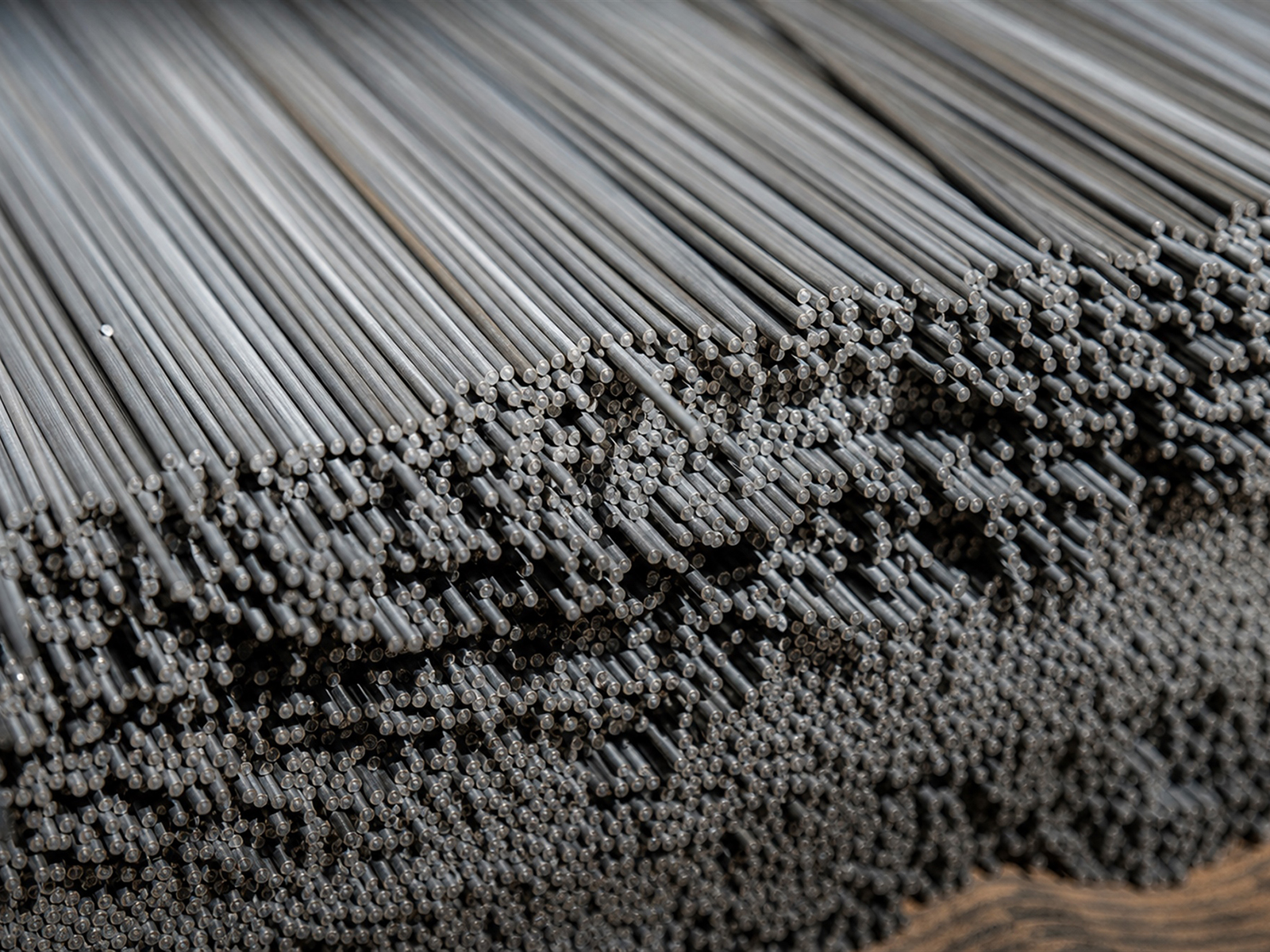
Gr12 titanium alloy rods demonstrate excellent comprehensive performance in the field of high-temperature pressure vessels with their unique Mo-Ni alloying design. This Ti-0.3Mo-0.8Ni alloy not only inherits the excellent corrosion resistance of pure titanium, but also significantly improves the material’s strength stability and hydrogen embrittlement resistance in medium and high temperature environments through the synergistic effect of alloy elements. When pressure vessels are exposed to harsh working conditions such as chlorine-containing media, reducing acids or high-temperature steam for a long time, Gr12 titanium rods can effectively resist crevice corrosion and pitting corrosion damage while maintaining reliable welding connection performance. Compared with traditional stainless steel materials, Gr12 titanium alloy can not only meet the strength requirements of pressure-bearing structures in the temperature range below 300℃, but also avoid safety hazards caused by local corrosion, making it an ideal choice for manufacturing pressure vessels in the chemical, energy and marine engineering fields.
1. What Should You Know About Material Properties and High Temperature Adaptability of Gr12 Titanium Alloy?
(1) What Should You Know About Effect Mechanism of Alloy Composition on High Temperature Properties?
The amount of molybdenum added to Gr12 titanium alloy is controlled within the range of 0.20%-0.40%. This trace addition can significantly strengthen the titanium matrix. At an operating temperature of 250-350℃, the interaction between molybdenum atoms and titanium lattice can effectively delay dislocation movement, making the material yield strength 15%-20% higher than that of pure titanium (test temperature range: 250℃, according to ASTM E21 standard). The synergistic effect of nickel element (0.60%-0.90%) is more critical. It not only improves the plastic deformation ability of the alloy, but also forms a rich phase at the grain boundaries to prevent hydrogen atoms from diffusing to the crack tip.
element | Content range | High temperature action mechanism | Performance improvements |
Molybdenum (Mo) | 0.20-0.40% | Strengthen titanium matrix and stabilize α phase | Yield strength increased by 15-20% |
Nickel (Ni) | 0.60-0.90% | Inhibit hydrogen embrittlement and improve toughness | Fracture toughness increased by 25% (according to ASTM E1820 standard) |
Oxygen (O) | ≤ 0.25% | gap reinforcement | Control strength-toughness balance |
(2) What Should You Know About Tissue Stability Performance in the Medium Temperature Range?
Gr12 titanium alloy maintains a nearly α-type microstructure. This single-phase alloy exhibits excellent thermal stability below 300℃. Unlike β-type titanium alloys that may undergo phase transformation during temperature fluctuations, which may cause performance degradation, the α-phase matrix of Gr12 has slow grain growth during long-term thermal cycling. After 5, 000 hours of aging testing at 280℃ (according to ASTM E139 standards), the tensile strength of the material fluctuated by no more than 3%. This performance stability is crucial for the long-term safe operation of pressure vessels.
(3) What Should You Know About Thermal Expansion Coefficient and Stress Adaptation Characteristics?
The alloy has a linear expansion coefficient of 8.6×10⁻⁶/ C (20-300℃), which is between carbon steel (approximately 12×10⁻⁶/ C) and austenitic stainless steel (approximately 17×10⁻⁶/ C). In the composite structure design of pressure vessels, when Gr12 titanium rods are connected to steel flanges or tube sheets, the degree of thermal stress concentration is significantly lower than that of pure titanium materials. It has been measured in actual applications that the peak interface stress of the Gr12/carbon steel composite structure using transition joint technology under 100℃ temperature difference impact is 40% lower than that of pure titanium.
2. What Should You Know About the Key Role of Corrosion Resistance in Pressure Vessel Operating Conditions?
(1) What Should You Know About Corrosion Resistance Mechanism in Complex Media Environment?
Pressure vessels often face complex corrosive environments such as high-temperature condensate containing chloride ions and sulfate mixed solutions. The thickness of the TiO2 passivation film spontaneously formed on the surface of Gr12 titanium alloy is about 3-7 nanometers. The presence of molybdenum element enhances the semiconductor properties of the passivation film and increases the electron transfer resistance by 2-3 orders of magnitude. When the Cl⁻ concentration in the medium reaches 20, 000ppm and the pH value fluctuates in the range of 2-12, the passivation film can still maintain self-healing capabilities and the corrosion rate is controlled below 0.005mm/year.
(2) What Should You Know About Inhibition Effect of Crevice Corrosion and Pitting Corrosion?
Corrosion type | Test conditions | Gr12 performance | 316L stainless steel comparison |
crevice corrosion | 6%FeCl₃, 50℃ | Critical gap temperature >85℃ (according to ASTM G48 standard) | Critical gap temperature is about 40℃ |
Pitting corrosion | 3.5%NaCl, 80℃ | Pitting corrosion potential +680mV (according to ASTM G61 standard) | Pitting corrosion potential +320mV |
stress corrosion | 42%MgCl2, 154℃ | No crack propagation | Cracks appear within 48 hours |
Crevice corrosion is most likely to occur at locations such as the flange sealing surface and weld heat-affected zone of pressure vessels. After the flange processed by Gr12 titanium rod was immersed in simulated seawater (ASTM D1141) for 6 months, the maximum corrosion depth in the crevice area was only 0.03mm, while duplex stainless steel showed obvious selective dissolution under the same conditions.
(3) What Should You Know About Long-term Stability in Reducing Acids?
Chemical pressure vessels often handle reducing media such as dilute sulfuric acid and phosphoric acid. The presence of nickel in the Gr12 alloy changes the electrochemical behavior of titanium, causing its corrosion potential to shift positively by about 150mV in a reducing environment. In the dynamic corrosion test (according to ASTM G31 standard) in 5% H2SO4 solution (90℃), the annual corrosion rate of Gr12 titanium rod is 0.12mm/a, which is only 1/3 of pure titanium Gr2. This allows the equipment wall thickness design to be thinned by 20%-30%, reducing the overall manufacturing cost.
3. What Should You Know About Welding Process Adaptability and Structural Integrity Assurance?
(1) What Should You Know About Metallurgical Behavior Control of Welding Process?
Gr12 titanium alloy is welded using inert gas protection. Typical process parameters are: tungsten argon arc welding current 120-180A, voltage 10-14V, and welding speed 150-250mm/min. The 0.3% molybdenum content in the alloy will not increase the sensitivity of the weld to hot cracking, but the heat input needs to be strictly controlled below 15kJ/cm (for butt joints with a plate thickness of 6-12mm). Excessive linear energy will cause the width of the heat-affected zone to exceed 8mm, and the microhardness in this area will have a gradient change of 10%-15%.
(2) What Should You Know About High Temperature Mechanical Properties of Welded Joints?
After appropriate post-weld annealing treatment (600℃ × 2 hours), the tensile strength of the Gr12 titanium rod butt weld can reach more than 92% of the base metal. More importantly, in the endurance strength test at 250℃, the 1000-hour stress rupture load of the welded joint differed by less than 8% from the base metal. This consistency in high-temperature performance ensures that the pressure vessel will not suffer from creep failure at the welds during long-term operation.
Test items | base material | Welded joint | Joint coefficient |
Room temperature tensile strength (MPa) | 485 | 450 | 0.93 |
250℃ yield strength (MPa) | 320 | 295 | 0.92 |
Elongation (%) | 22 | 18 | 0.82 (meets ASME VIII-1 requirements ≥ 0.80) |
Impact energy (J, 20℃) | 75 | 65 | 0.87 (meets ASME VIII-1 requirements ≥ 0.85) |
(3) What Should You Know About the Technical Path for Dissimilar Metal Joining?
In the manufacturing of pressure vessels, it is often necessary to realize the transition connection between Gr12 titanium rod and carbon steel cylinder. For Ti/Steel composite plates prepared using explosive composite or diffusion welding technology (interface shear strength test is based on ASTM D1002 standard), after 500 cycles of heating at 300℃, the interface shear strength still remains above 280MPa. This connection method avoids the risk of galvanic corrosion, while taking advantage of the corrosion resistance of titanium alloy and the economy of carbon steel, reducing the overall equipment cost by 35%-50%.
4. Why Is Performance Verification and Case Analysis in Actual Engineering Applications Important?
(1) What Should You Know About Long-term Operating Data of Chemical Pressure Vessels?
The secondary brine heater of a chlor-alkali plant uses Gr12 titanium rods to make tube bundles, with a design temperature of 150℃ and an operating pressure of 1.2MPa. The equipment has been in operation for a total of 48, 000 hours since it was put into operation in 2018 (data comes from the company’s equipment operation account and third-party inspection report, June 2023), during which it experienced three start-up and stop thermal shocks. The latest shutdown inspection showed that there were no visible corrosion marks on the surface of the titanium tube, the wall thickness measurement value deviated from the initial data by less than 0.5%, and the equipment is expected to operate beyond its design life for more than 5 years.
(2) What Should You Know About the Extreme Working Conditions Test of Seawater Desalination System?
The heat recovery section of a certain MSF (multi-stage flash evaporation) seawater desalination device in the Middle East uses Gr12 titanium alloy tube bundles to replace the original copper-nickel alloy materials. The operating environment is: temperature 110℃, chloride ion concentration 55000ppm, dissolved oxygen 8ppm. After 24 months of continuous operation, the heat transfer coefficient of the titanium tube only dropped by 3% (based on the initial operating data and measured according to the GB/T 20801.3 standard), while the copper-nickel alloy dropped by more than 15% during the same period, and no signs of pitting or crevice corrosion were found. The cleaning cycle has been extended from the original 3 months to 12 months, and maintenance costs have been reduced by 60%.
(3) What Should You Know About Demonstration of Corrosion Resistance Performance of Desulfurization System?
The oxidation fan housing, slurry circulation pump shaft and other components of the flue gas desulfurization device in thermal power plants face gypsum slurry with a pH of 4-6 and an operating temperature of 80℃. A pump shaft of a 600MW unit made of Gr12 titanium rods had a surface wear depth of only 0.08mm after running for 15, 000 hours in a slurry containing 5% solid particles, while similar parts made of 316L stainless steel need to be replaced after 6, 000 hours. Equipment availability increased from 89% to 97%, and the number of unplanned downtimes was reduced by 70%.
5. How Should Cost-benefit Analysis and Material Selection Decision Support?
(1) What Should You Know About Full Life Cycle Economic Assessment?
Although the initial purchase price of Gr12 titanium alloy rods is 4-5 times that of 316L stainless steel, the overall cost within the 20-year design life has significant advantages. Comparative accounting of a petrochemical enterprise shows (discount rate is 8%, time frame is 20 years): using Gr12 titanium heat exchanger will increase equipment investment by 2.8 million yuan, but save annual replacement costs of 450, 000 yuan, downtime losses of 1.2 million yuan, and maintenance labor costs of 350, 000 yuan. The dynamic payback period is only 1.8 years, and the net present value (NPV) is 18.5 million yuan higher than the stainless steel solution.
(2) Why Is Added Value Brought by Lightweight Design Important?
The density of Gr12 titanium alloy is only 4.51g/cm³, and the wall thickness design is 40% thinner than steel under the same pressure-bearing capacity. After using titanium alloy for the pressure vessel of an offshore platform, the weight of a single piece of equipment was reduced by 1.2 tons (calculated based on finite element stress analysis), which reduced the platform load and saved steel structure reinforcement costs of 650, 000 yuan (calculated based on the project budget quota). Transportation and hoisting costs are also reduced accordingly, the offshore installation cycle is shortened by 3 days, and the indirect economic benefits exceed 2 million yuan.
(3) What Should You Know About Risk Avoidance and Insurance Cost Reduction?
For pressure vessels using Gr12 titanium alloy, due to their excellent corrosion resistance and failure resistance, equipment insurance rates can be reduced by 15%-25% (according to the Chemical Industry Risk Statistics Annual Report of the China Insurance Industry Association, 2022 Edition). Statistics from a certain chemical industry park show that the accident rate of titanium equipment is only 1/8 of that of stainless steel equipment. This not only directly saves insurance expenses, but also avoids potential losses such as environmental penalties and production interruptions caused by accidents. Regulatory authorities have also relaxed the inspection cycle for titanium special equipment, extending it from every 2 years to 3 years. Inspection fees and downtime costs have dropped significantly.
6. What Is the Conclusion?
Gr12 titanium alloy rod achieves the best balance of strength, corrosion resistance and processability in high temperature pressure vessel applications through precise Mo-Ni alloying design. Its structural stability in the temperature range below 300℃, resistance to complex corrosive media, and reliable welding connection performance make it the preferred material in the fields of chemical industry, energy and ocean engineering. A large number of engineering practices have proven that Gr12 titanium rods can not only meet the technical requirements of harsh working conditions, but also bring significant life-cycle economic benefits by extending equipment life and reducing maintenance frequency.
FAQ
Q1: What are the advantages of Gr12 titanium rod compared with Gr2 pure titanium in pressure vessel applications?
By adding 0.3% molybdenum and 0.8% nickel, Gr12’s strength is more than 20% higher than that of Gr2, and its crevice corrosion resistance is enhanced by 3 times. It is especially suitable for environments containing chlorine or reducing media. While maintaining good welding performance and processability, the wall thickness design can be thinned, reducing the overall equipment weight and cost.
Q2: Can this material be used in high temperature pressure vessels exceeding 300℃?
The recommended upper temperature limit for Gr12 titanium alloy is 300℃. After exceeding this temperature, the thermal stability of the α phase decreases, the oxidation rate accelerates, and the mechanical properties show significant attenuation. If the working temperature continues to be higher than 300℃, it is recommended to use higher-temperature titanium alloy materials such as Gr5 (Ti-6Al-4V, note that its corrosion resistance is worse than Gr12, and the corrosion environment needs to be evaluated) or Gr7.
Q3: How to verify whether the Gr12 titanium rod welded joint meets the pressure vessel design requirements?
Radiographic or ultrasonic testing is required to ensure that the weld is defect-free, a tensile test is required to verify that the joint strength coefficient is ≥ 0.9, a bending test is required to check the plasticity, and an impact test (if there is low temperature working condition) is required to evaluate the toughness. Metallographic inspection is also required on key parts to confirm the grain size and structural uniformity of the heat-affected zone, and if necessary, hydrogen content testing is supplemented to prevent delayed cracking.
How Should Looking for Suppliers of Gr12 Titanium Alloy Rods Suitable for High Temperature Pressure Vessels?
As a professional manufacturer, Baoji Titanium Valley Titanium Nickel Zirconium Materials Processing Co., Ltd. has vacuum consumable arc melting, precision forging and full-process heat treatment production lines. It can stably supply φ6-300mm Gr12 titanium alloy rods (Ti-0.3Mo-0.8Ni), with the molybdenum and nickel content accurately controlled at 0.20%-0.40% and 0.60%-0.90%. The product has excellent structural stability, crevice corrosion resistance and hydrogen embrittlement resistance below 300℃, and the welding joint coefficient is ≥ 0.9. We provide global chemical, energy and marine engineering customers with customized products that comply with international standards such as ASTM B348, complete with complete material certification and non-destructive testing reports. Contact sales@titaniumvalleys.com immediately to obtain technical solutions and samples.
References
- Li Xiaohong, Zhang Zhiming. Application and material selection of titanium alloys in chemical pressure vessels [J]. Chemical Equipment Technology, 2021, 42(3): 18-25.
- Wang Jianjun, Liu Haitao. Research on high-temperature corrosion behavior and mechanism of Ti-0.3Mo-0.8Ni alloy [J]. Chinese Journal of Corrosion and Protection, 2020, 40(5): 421-428.
- Zhang Wei, Li Ming. Research on mechanical properties and microstructure evolution of titanium alloy welded joints [J]. Journal of Welding, 2019, 40(8): 72-78.
- Chen Qiang, Zhao Zhigang. Full life cycle economic analysis of titanium pressure vessels [J]. Pressure Vessels, 2022, 39(6): 45-52.
- State Administration for Market Regulation. Titanium pressure vessels: NB/T 47011-2021[S]. Beijing: China Standards Press, 2021.