
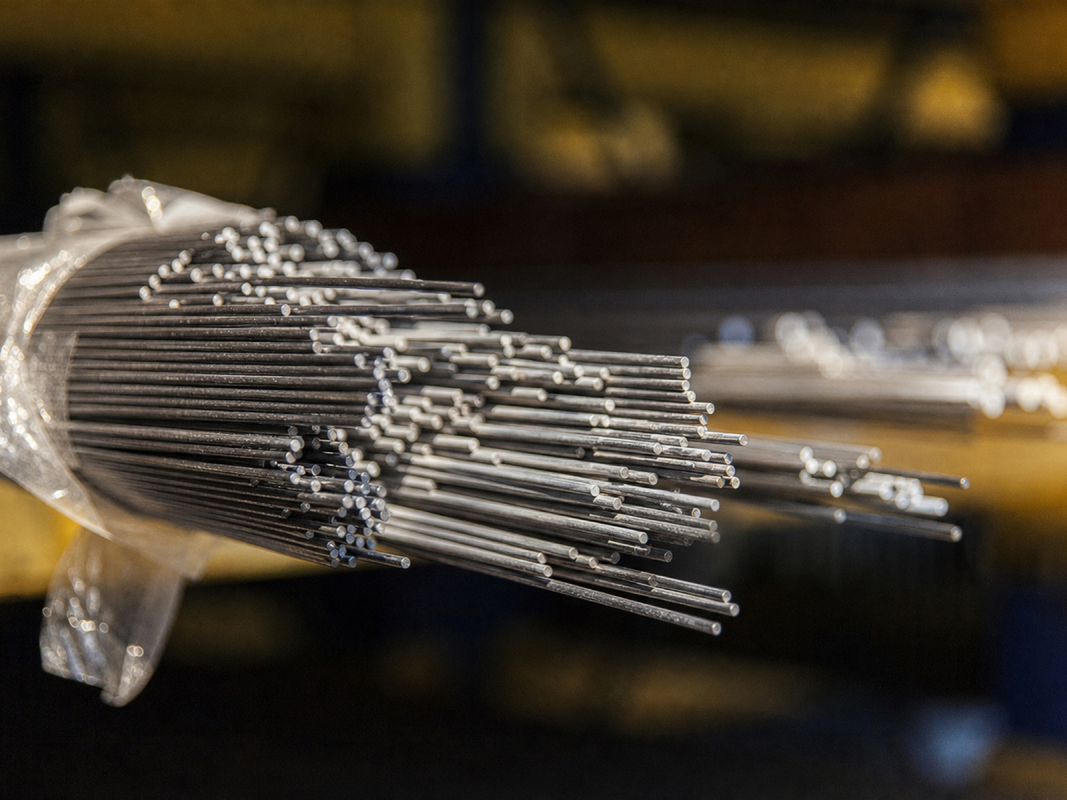
How to Overcome Tool Built-Up Edge Problems When Machining Ni200 Nickel Bars?

Ni200 nickel bars (industrial-grade pure nickel) frequently exhibit tool built-up edge (BUE) during ...
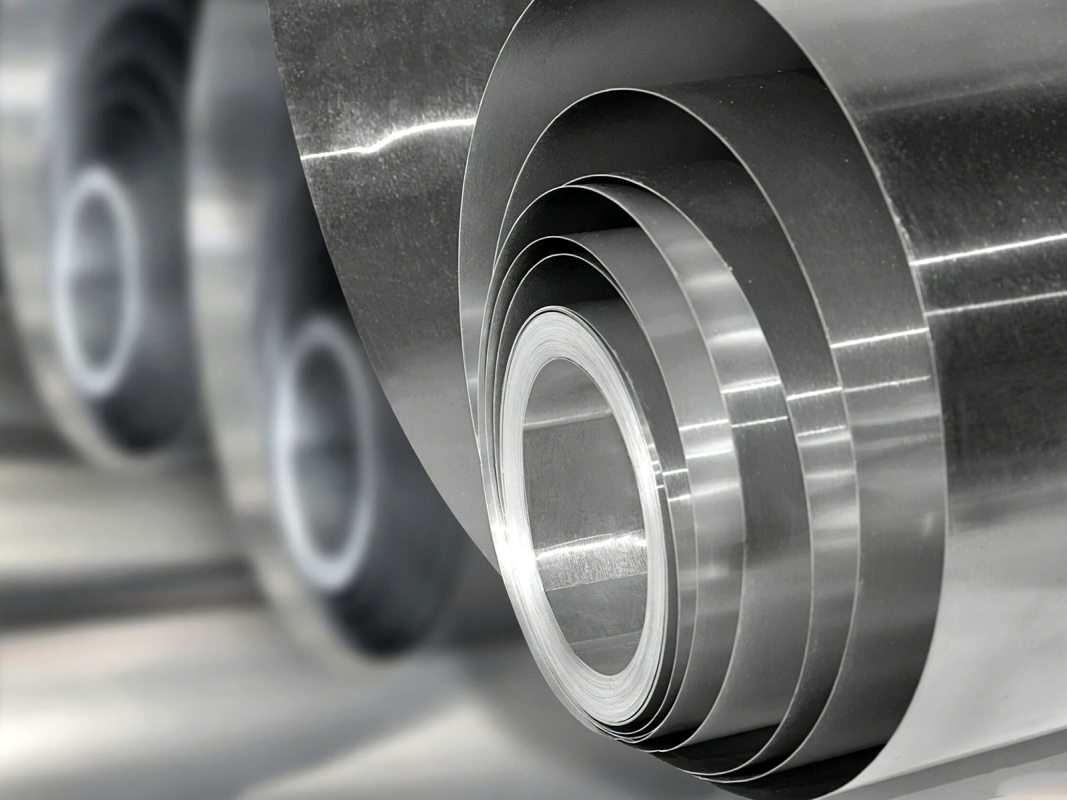
Nickel 200 vs. Nickel 201 Foils: Understanding the Key Differences
1. Chemical Composition
(1) The Decisive Role of Carbon ContentNickel 200 and Nickel 201 both b...
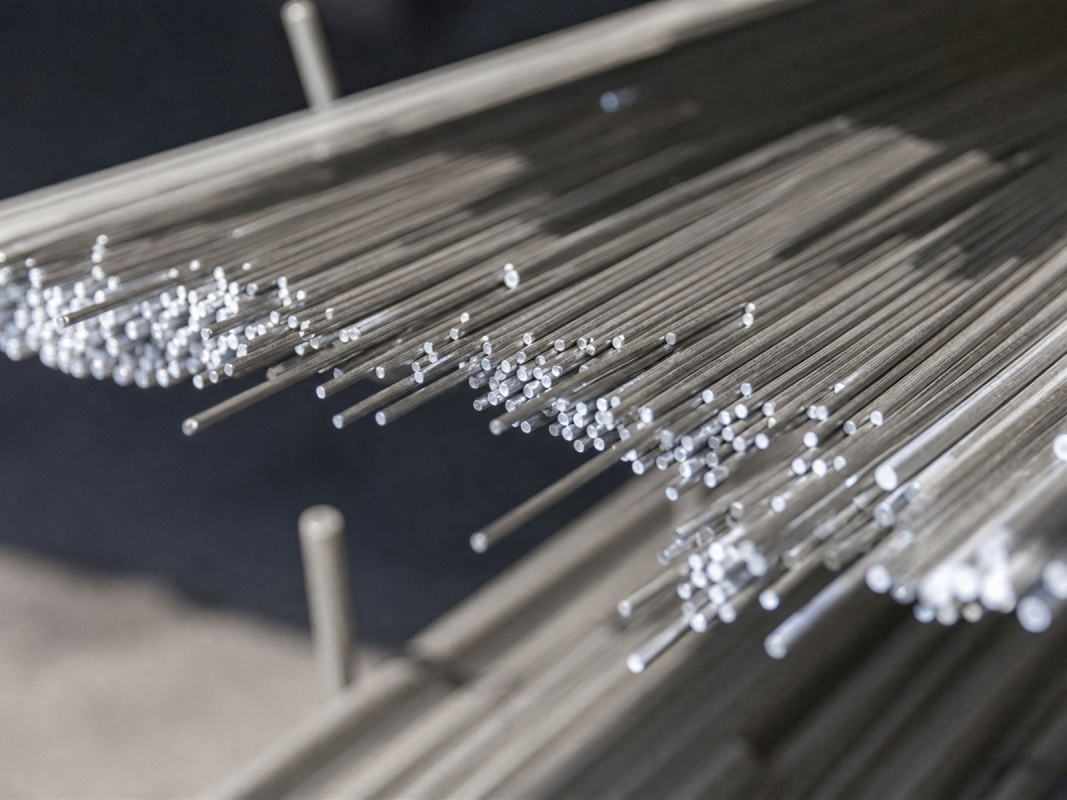
Applications of TB13 Titanium Alloy Bars in Next-Generation Military Industry
TB13 titanium alloy (~Ti-10Nb-2.5Mo), a novel beta-type titanium alloy, demonstrates significant app...

Understanding Grade 4 Titanium Foil Composition Strength and Applications
Grade 4 (Gr4) titanium foil is the highest-strength grade among commercially pure titanium alloys. I...
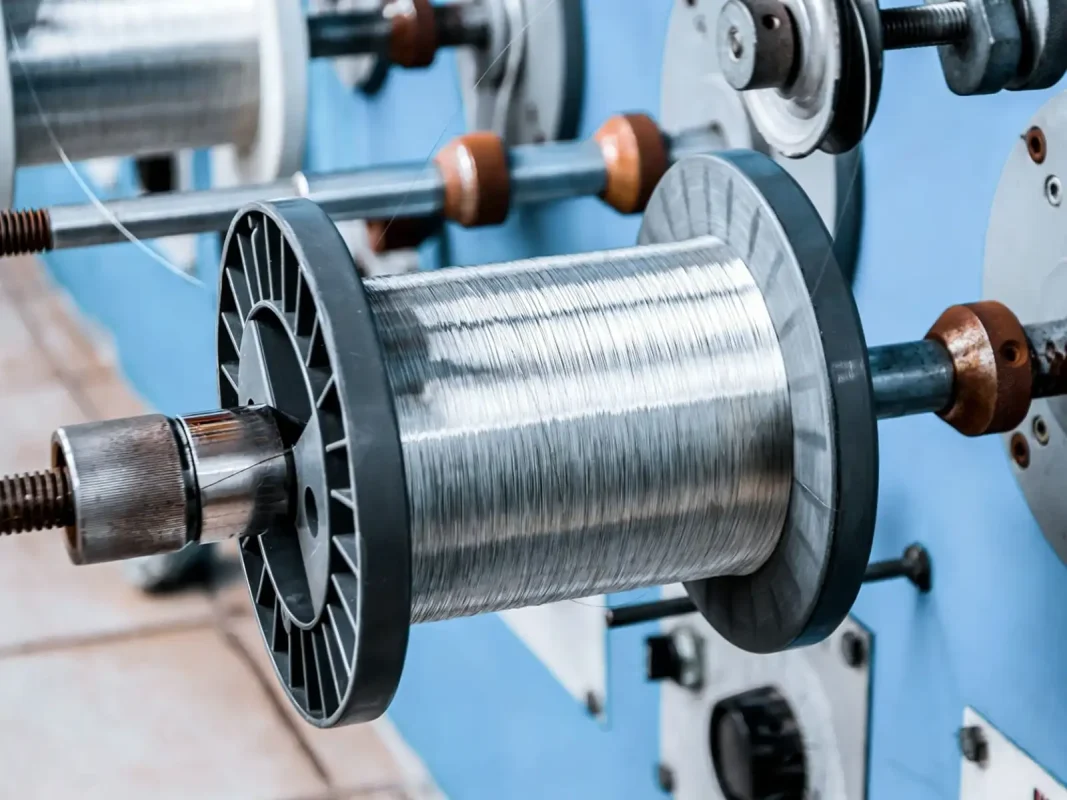
UNS R60705 Zirconium WireComprehensive Guide for Engineers and Procurement Professionals?
1. Introduction
UNS R60705 (Zr-2.5Nb) zirconium wire, as a high-strength zirconium alloy wire produ...
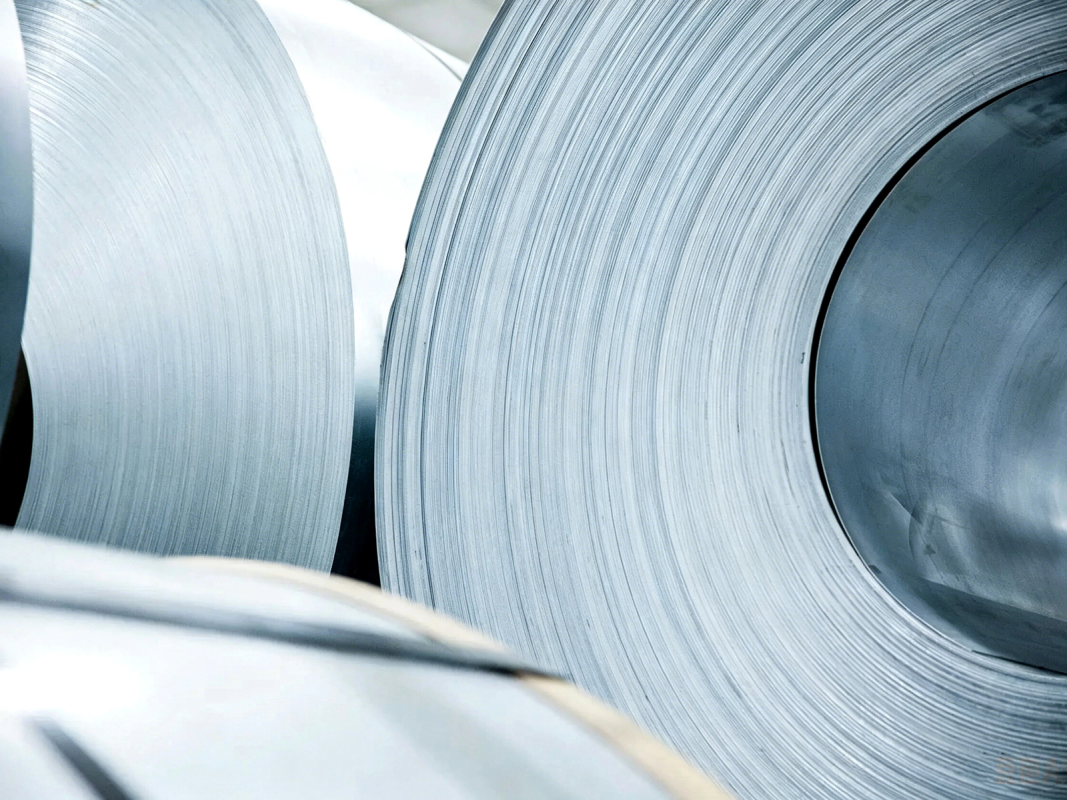
What Are the Characteristics of UNS R60702 Foil?
UNS R60702 (corresponding to Nickel 200) foil is a high-purity, commercially pure nickel material wi...

What Are the Differences Between ASTM B160 Nickel Bars and Other Specifications?
As a globally recognized forging pure nickel bar standard, ASTM B160 differs from other specificatio...