
Gr2 Titanium Foil in Chemical Processing Industries: Wide-Ranging Applications and Performance Benefits
- Gr2 titanium foil
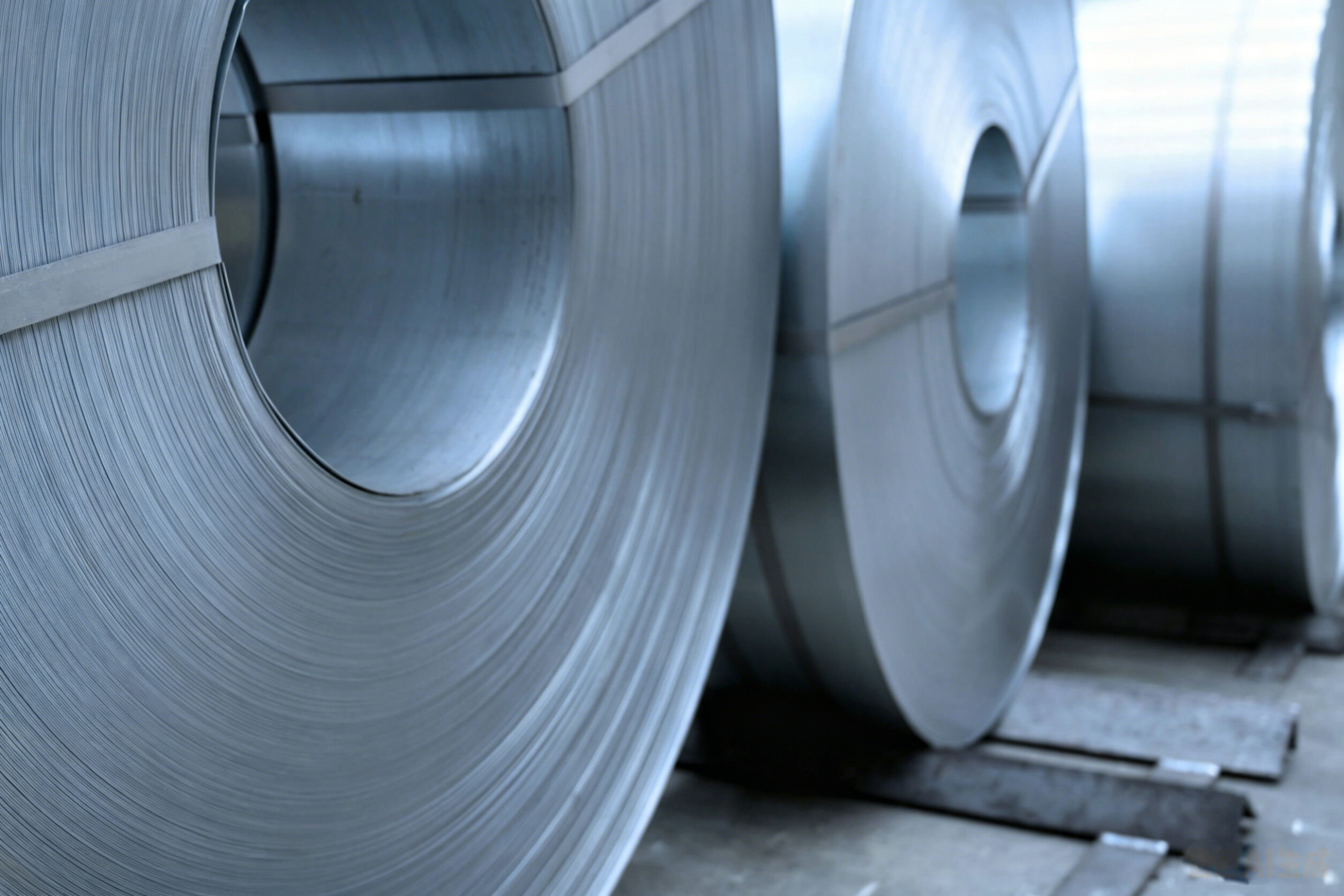
Gr2 Titanium Foil The chemical processing industry demands materials that can withstand aggressive corrosive environments while maintaining structural integrity under elevated temperatures and pressures. Gr2 titanium foil, with its higher strength and excellent corrosion resistance compared to Gr1, has become an indispensable material for heat exchangers, reactor linings, filtration systems, and chemical storage equipment. This article explores the diverse applications of Gr2 titanium foil in chemical processing and the technical advantages that drive its widespread adoption.
1. Corrosion Resistance in Chemical Environments
(1) General Corrosion Performance
Gr2 titanium foil exhibits outstanding general corrosion resistance across a broad spectrum of chemical environments. In oxidizing acids (nitric acid, chromic acid), the passive TiO2 film forms rapidly and self-heals, resulting in corrosion rates below 0.001 mm/year. In reducing acids (dilute hydrochloric, sulfuric), Gr2 demonstrates superior resistance compared to most stainless steels and nickel alloys at temperatures below 60 degrees C.
| Chemical Medium | Concentration | Temperature | Corrosion Rate |
|---|---|---|---|
| Nitric Acid (HNO3) | Any concentration | Boiling | < 0.001 mm/year |
| Sulfuric Acid (H2SO4) | < 10% | < 60 degrees C | < 0.01 mm/year |
| Hydrochloric Acid (HCl) | < 5% | < 30 degrees C | < 0.05 mm/year |
| Acetic Acid (CH3COOH) | Any concentration | Boiling | < 0.001 mm/year |
(2) Pitting and Crevice Corrosion Resistance
Gr2 titanium foil shows exceptional resistance to pitting and crevice corrosion in chloride-containing environments. The pitting potential (Epit) of Gr2 titanium in 1M NaCl at 25 degrees C is approximately +0.2 V vs. SCE, significantly higher than 316L stainless steel (+0.05 V vs. SCE). This makes Gr2 ideal for chemical processing equipment operating in seawater cooling systems, brine concentration, and halogenated compound handling.
2. Key Applications in Chemical Processing
(1) Heat Exchanger Components
Gr2 titanium foil is extensively used in plate-type and shell-and-tube heat exchangers for chemical processing plants. Its combination of high thermal conductivity (approx. 17 W/m-K), thin-gauge formability (down to 0.02 mm), and corrosion resistance enables compact, efficient heat transfer equipment with service lives exceeding 20 years. Gr2 titanium foil heat exchangers are particularly valued in chlorine dioxide generation, titanium dioxide pigment production, and caustic soda evaporation.
(2) Reactor Linings and Cladding
For large-volume chemical reactors processing aggressive media, Gr2 titanium foil is employed as cladding or liner material bonded to carbon steel or stainless steel substrates. The foil thickness typically ranges from 0.3 to 2.0 mm, providing a cost-effective corrosion barrier while maintaining the structural strength of the underlying substrate. Explosion bonding and roll bonding techniques ensure metallurgical continuity between the Gr2 titanium foil and substrate.
(3) Filtration and Separation Systems
Gr2 titanium foil is fabricated into sintered filter elements, screen meshes, and porous media for chemical liquid and gas filtration. The material’s ability to withstand high temperatures (up to 300 degrees C) and corrosive chemicals makes it ideal for catalyst recovery, acid purification, solvent filtration, and compressed air drying systems in chemical processing facilities.
(4) Storage and Transportation Equipment
Gr2 titanium foil-lined tanks, drums, and intermediate bulk containers (IBCs) are used for storing and transporting corrosive chemicals including hypochlorite solutions, ferric chloride, phosphoric acid, and organic intermediates. The foil lining provides a chemically inert barrier that prevents product contamination and equipment degradation over extended service periods.
3. Mechanical Properties Supporting Chemical Processing Demands
Gr2 titanium foil offers higher mechanical strength than Gr1, with tensile strength >= 345 MPa and yield strength >= 275 MPa (per ASTM B265). This enhanced strength allows thinner foil gauges (0.02-0.5 mm) to withstand higher pressure differentials in heat exchanger and filtration applications. The material maintains its mechanical properties at elevated temperatures up to 300 degrees C, with minimal creep deformation under sustained loading.
4. Fabrication and Installation Considerations
Gr2 titanium foil can be readily fabricated using standard sheet metal working techniques: cutting, bending, rolling, welding (TIG, laser, electron beam), and forming. Proper surface preparation (pickling, passivation) before installation ensures optimal corrosion resistance. Field welding requires inert gas shielding (argon or helium) to prevent contamination of the hot titanium during cooling from welding temperature to below 400 degrees C.
5. Economic Analysis and Total Cost of Ownership
While Gr2 titanium foil has a higher initial cost compared to stainless steel or nickel alloys (approximately 2-3 times per kg), the total cost of ownership is often significantly lower due to extended service life, reduced maintenance frequency, and minimized downtime for equipment replacement. Life cycle cost analyses in chemical processing applications typically show payback periods of 18-36 months, with cumulative savings of 40-60% over 15-year service periods compared to conventional materials.
Conclusion
Gr2 titanium foil has established itself as a premier material for chemical processing equipment requiring durable corrosion resistance, mechanical strength, and long-term reliability. Its broad applicability across heat exchangers, reactor linings, filtration systems, and storage equipment makes it an essential component in modern chemical plant design and retrofitting programs.
FAQ
Q1: What thickness range is available for Gr2 titanium foil in chemical processing applications?
Gr2 titanium foil is available in thicknesses from 0.02 mm to 2.0 mm, with common specifications ranging from 0.1 mm to 0.8 mm for heat exchanger and cladding applications.
Q2: Can Gr2 titanium foil be welded in the field?
Yes, Gr2 titanium foil can be field-welded using TIG or laser welding methods. Proper inert gas shielding and contamination control are essential to maintain corrosion resistance at weld joints.
Q3: How does Gr2 titanium foil compare to Hastelloy C-276 for chemical processing?
Gr2 titanium foil offers comparable corrosion resistance in oxidizing environments at significantly lower cost and weight. However, Hastelloy C-276 provides superior performance in strong reducing acid environments (hot concentrated HCl, H2SO4) where titanium may corrode.
Contact Us
Baoji Titanium Valley Titanium Nickel Zirconium Material Processing Co., Ltd. manufactures Gr2 titanium foil meeting ASTM B265 specifications with thickness tolerances of +/- 0.005 mm. Contact us at sales@titaniumvalleys.com for chemical processing applications.
References
[1] Jones D.A. Principles and Prevention of Corrosion[M]. 2nd Edition. Prentice Hall, 2022.
[2] Callister W.D., Rethwisch D.G. Materials Science and Engineering: An Introduction[M]. 10th Edition. Wiley, 2023.
[3] ASM Handbook Volume 13C: Corrosion: Environments and Industries[M]. ASM International, 2022.
[4] ASTM B265/B265M-23. Standard Specification for Titanium and Titanium Alloy Sheet and Plate.