
What Is UNS R60705 Zirconium Wire?
- UNS R60705 Zirconium Wire
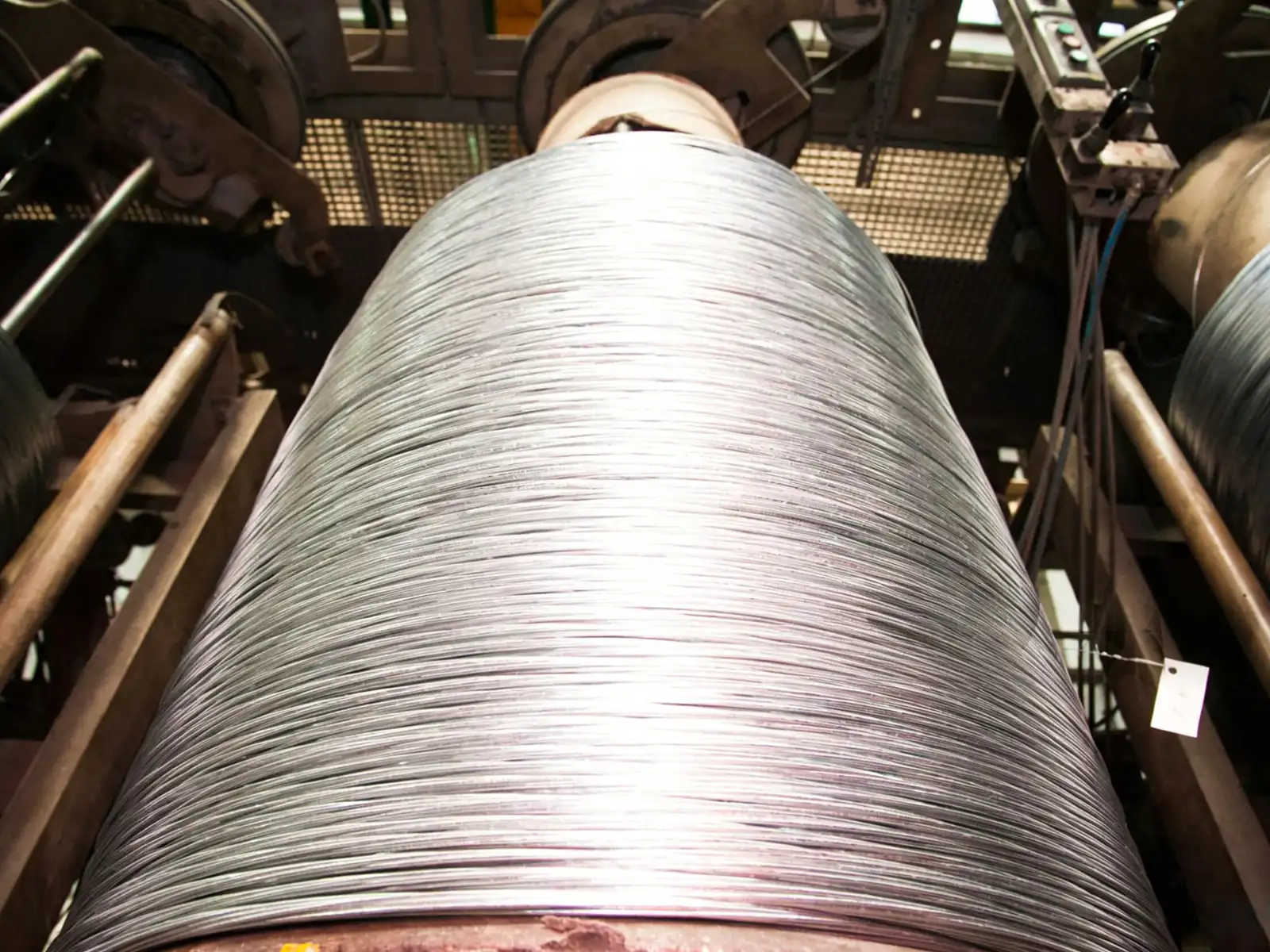
UNS R60705 (Zr-2.5Nb) zirconium wire is a high-strength zirconium alloy wire that plays a critical role in nuclear industry, chemical engineering, marine engineering, and medical device manufacturing. By adding 2.0–3.0% niobium element, this alloy significantly enhances the strength and high-temperature performance of pure zirconium while maintaining the inherent excellent corrosion resistance characteristic of zirconium materials. This article provides a comprehensive analysis of UNS R60705 zirconium wire from six perspectives: material definition, chemical composition, mechanical properties, corrosion resistance, technical standards, and application fields.
1. Definition of UNS R60705 Zirconium Wire
UNS R60705 is the Unified Numbering System designation for the Zr-2.5Nb zirconium alloy. This alloy belongs to the α+β dual-phase zirconium family, with a niobium content of 2.0–3.0%, representing a strengthened variant of commercially pure zirconium (Grade 2). The primary technical standards governing UNS R60705 zirconium wire include ASTM B551 (Standard Specification for Zirconium and Zirconium Alloy Bars and Rods) and GB/T 27634 (Standard for Nuclear-Grade Zirconium Alloy Wire Materials).
2. Chemical Composition of UNS R60705
The chemical composition requirements for UNS R60705 zirconium wire are as follows:
Element | Requirement |
Zirconium (Zr) | Balance (≥96.0%) |
Niobium (Nb) | 2.00–3.00% |
Oxygen (O) | ≤0.18% |
Iron (Fe) | ≤0.20% |
Carbon (C) | ≤0.05% |
Nitrogen (N) | ≤0.025% |
Hydrogen (H) | ≤0.005% |
Zr + Hf (Zr+Hf) | ≥60% (Hf content ≤4.5%) |
3. Mechanical Properties of UNS R60705
The mechanical properties of UNS R60705 zirconium wire vary depending on diameter and heat treatment condition:
Diameter Range (mm) | Tensile Strength (MPa) | Yield Strength (MPa) | Elongation (%) |
0.1–1.0 | 600–700 | 450–550 | ≥12 |
1.0–3.0 | 550–650 | 400–500 | ≥15 |
3.0–6.0 | 500–600 | 380–450 | ≥18 |
6.0–12.0 | 480–550 | 350–400 | ≥20 |
Additionally, performance comparison across zirconium grades and stainless steel is summarized below:
Property | UNS R60705 | Gr2 Pure Zr | Gr1 Pure Zr | 316L Stainless Steel |
Tensile Strength (MPa) | 550–700 | 340–450 | 240–345 | 515–620 |
Yield Strength (MPa) | 400–550 | 275–345 | 170–250 | 290–515 |
Elongation (%) | ≥15 | ≥20 | ≥24 | ≥20 |
Density (g/cm³) | 6.55 | 6.52 | 4.51 | 8.0 |
Neutron Absorption Cross-Section (barns) | 0.18 | 0.18 | 100+ | 2.6 |
4. Corrosion Resistance of UNS R60705
UNS R60705 zirconium wire exhibits outstanding corrosion resistance among all zirconium alloys:
Corrosive Medium | UNS R60705 Performance | Corrosion Rate | Applicable Conditions |
Seawater | Excellent | <0.001 mm/year | Ambient – 100°C |
Chloride Solutions | No pitting or stress corrosion cracking | N/A | General service |
Alkali (NaOH ≤30%) | Good | <0.01 mm/year | <80°C |
Nitric Acid (≤50%) | Good | <0.05 mm/year | Ambient temperature |
Note: UNS R60705 is NOT suitable for hydrofluoric acid (HF) environments, where corrosion rates exceed 5 mm/year.
5. Technical Standards
ASTM B551: Standard Specification for Zirconium and Zirconium Alloy Bars and Rods — published by ASTM International.
GB/T 27634: Chinese standard for nuclear-grade zirconium alloy wire, tube, bar, and rod materials.
EN 2222: European standard for titanium and titanium alloy bars (partially applicable).
RCC-M: French rules for the design and construction of nuclear island mechanical equipment.
6. Typical Applications
UNS R60705 zirconium wire is widely applied across multiple industries:
Application Field | Specific Components | Key Properties | Alternative Materials |
Nuclear Industry | Fuel assembly spacer grid wires | High strength + low neutron absorption | Pure zirconium |
Chemical Equipment | Corrosion-resistant springs, fasteners, filter meshes | Resistance to chloride corrosion | Stainless steel |
Marine Engineering | Deep-sea cable reinforcement cores, subsea valve springs | Seawater corrosion resistance | Galvanized steel |
Medical Devices | Orthopedic implants, dental orthodontic wires | Biocompatibility + high strength | Titanium alloys |
7. Conclusion
UNS R60705 zirconium wire, with its high strength, excellent corrosion resistance, and low neutron absorption cross-section, plays an increasingly important role across multiple industrial sectors. With ongoing advances in materials science and manufacturing processes, the application scope of UNS R60705 zirconium wire is expected to continue expanding.
FAQ
Q1: What is the difference between UNS R60705 and Gr2 pure zirconium wire?
UNS R60705 contains 2.0–3.0% niobium, resulting in approximately 50–60% higher tensile strength compared to Gr2. It also offers superior high-temperature performance and better resistance to hydrogen embrittlement, though at a higher cost.
Q2: Can UNS R60705 be heat-treated?
Yes. The annealing temperature for UNS R60705 is typically 550–650°C, held for 1–2 hours followed by furnace cooling or air cooling to relieve cold-working stresses and restore ductility.
Q3: What is the minimum diameter available for UNS R60705 wire?
The standard minimum diameter is 0.1 mm. Custom specifications down to 0.05 mm are available upon request.
Finding a Reliable UNS R60705 Zirconium Wire Supplier
Baoji Titanium Valley Titanium, Nickel & Zirconium Material Processing Co., Ltd. is a professional manufacturer of high-end rare metal products. Equipped with an Italian Danieli rolling production line, the company produces over 500 metric tons of zirconium wire annually and offers full-size customization with EN 10204 3.1 certification services. Contact them now for technical support and quotation: sales@titaniumvalleys.com
References
ASTM B551-21 Standard Specification for Zirconium and Zirconium Alloy Bars and Rods[S]. West Conshohocken: ASTM International, 2021.
GB/T 27634-2011 Nuclear-Grade Zirconium Alloy Tubes, Bars and Wires[S]. Beijing: Standards Press of China, 2011.