
Why Is Analysis of the Application Advantages of Gr1 Titanium Wire, the Value of High-purity Titanium Materials in Precision Manufacturing Important?
- Gr1 Titanium Wire
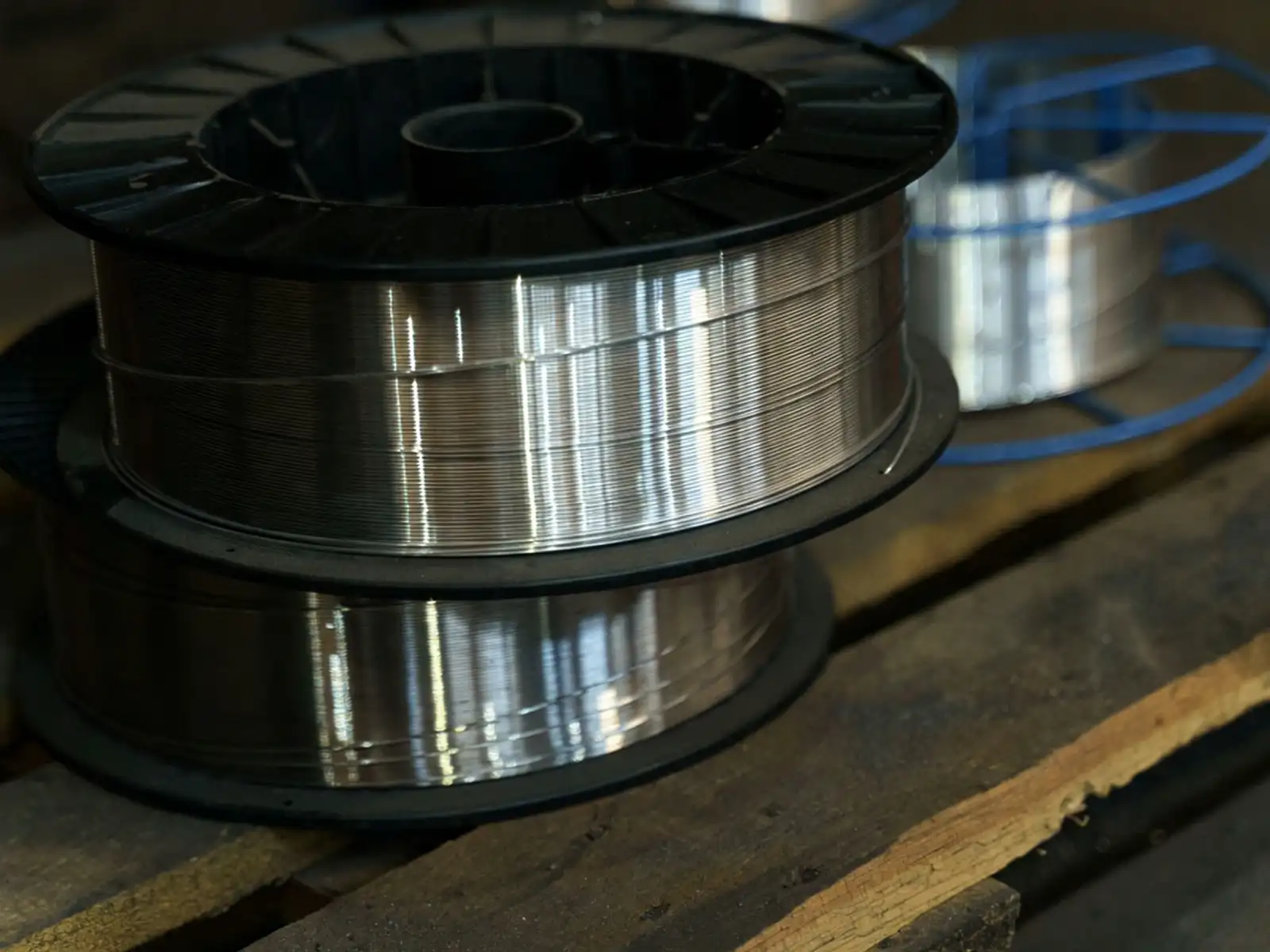
In today’s precision manufacturing field, material selection directly determines product performance and production efficiency. As the highest purity industrial pure titanium wire (Ti content ≥ 99.5%), Gr1 titanium wire is reshaping the technical standards of aviation medical, electronic manufacturing, marine engineering and other industries with its excellent corrosion resistance, excellent plasticity and biocompatibility. This lightweight non-magnetic material can work stably in extreme environments of -253℃ to 300℃, solving the problem of rapid failure of traditional metals in salt spray, acid and alkali, and high temperature environments. From 0.06mm ultra-fine specifications to 6.0mm structural wires, Gr1 titanium wire achieves smoothness control with surface roughness Ra≤ 0.4um through vacuum melting and multi-pass cold drawing processes, providing reliable material guarantees for precision electronic components, medical implants and chemical anti-corrosion equipment.
1. What Should You Know About Material Properties and Technical Specifications of Gr1 Titanium Wire?
(1) What Should You Know About Chemical Composition Purity Control Standards?
The purity control system of Gr1 titanium wire is based on strict element ratio. The titanium matrix content is not less than 99.5%, and the oxygen content is controlled below 0.18%. This indicator directly affects the ductility of the material. Iron is limited to 0.20%, carbon is no more than 0.08%, and nitrogen is maintained below 0.03%. Single impurity elements need to be less than 0.10%, and the total impurity content is controlled within 0.40%. This precise composition management ensures that the material does not produce pores during the welding process and maintains stable deformation ability during cold working.
(2) What Should You Know About Mechanical Performance Grade Classification System?
The mechanical properties of titanium wire are divided into three states: annealed state, semi-hard state and hard state. The tensile strength of the annealed wire is ≥ 240MPa, the yield strength is ≥ 170MPa, the elongation remains above 20%, and the hardness range is 140-180HV, which is suitable for application scenarios that require repeated bending and forming. The strength of semi-hard products is increased to 380-480MPa, the elongation is reduced to 12%, and the hardness reaches 180-220HV, balancing strength and processing performance. The tensile strength of hard wire reaches 480-650MPa, the elongation remains above 8%, and the hardness range is 220-260HV, meeting the needs of high-load elastic components.
(3) What Should You Know About Effect of Physical Parameters on Processing?
The material density of 4.51g/cm³ is only 60% of that of stainless steel, which gives titanium wire a significant weight reduction advantage in the aerospace field. The melting point of 1668℃ ensures structural stability during high temperature welding. The thermal expansion coefficient of 8.4×10⁻⁶/ C is lower than most metals, reducing dimensional changes during thermal cycles. The thermal conductivity of 15.2W/(m·K) is relatively low, and the discharge parameters need to be adjusted during EDM. The resistivity of 0.55uOhm.m makes it suitable for precision resistive components. The non-magnetic feature eliminates interference problems in magnetic resonance equipment.
Table 1: Comparison between Gr1 titanium wire and commonly used metal materials
Performance indicators | Gr1 titanium wire | 316L stainless steel | Nickel alloy | copper wire |
Density(g/cm³) | 4.51 | 8.00 | 8.90 | 8.96 |
Seawater corrosion resistance | Excellent | good | Excellent | Difference |
biocompatibility | medical grade | qualified | partial allergy | not applicable |
Tensile strength (MPa) | 240-650 | 520-680 | 550-900 | 220-450 |
Working temperature range(C) | -253~300 | -196~850 | -200~1000 | -200~200 |
relative cost | middle | Low | high | Low |
2. Why Is Core Application Scenarios in Precision Manufacturing Important?
(1) Why Is Aerospace Welding Material Applications Important?
In the welding of titanium alloys for aircraft fuselages and engine parts, Gr1 titanium wire plays a key role as the ERTi-1 standard welding wire. Welding wires with diameters of 1.6mm and 2.4mm can form welds that match the strength of the base material in the TIG welding process, and the tensile strength reaches more than 95% of the base material. Its low oxygen content avoids the embrittlement problem in the welding heat affected zone. In the welding of spacecraft liquid hydrogen transportation pipelines, the material does not undergo brittle transition at a low temperature of -253℃, ensuring sealing reliability under extreme working conditions. The continuous wire supply capacity of more than 100kg per reel reduces the number of welding interruptions and improves the consistency of long welds.
(2) What Should You Know About Medical Device Precision Component Manufacturing?
The medical field has strict requirements on the biosafety of materials. Gr1 titanium wire complies with ISO 5832-2 medical titanium standards. When used to manufacture pacemaker electrode leads, the 0.2mm ultra-fine specification can achieve minimally invasive implantation. In orthopedic implants, titanium wire with a diameter of 0.5-2.0 mm is made into a bone fixation mesh through a weaving process. The elastic modulus of the material is about 110 GPa. Although it is higher than the 10-30 GPa of human bone, its excellent biocompatibility and corrosion resistance make it still widely used in orthopedic implants to avoid the stress shielding effect. Orthodontic archwires use 0.4-0.6mm specifications, and the annealed material provides better sustained correction force than nickel-titanium alloy. The surgical suture adopts 0.06mm specification, and the tensile strength remains above 400MPa, which can penetrate tough tissue without breaking.
(3) Why Is Anti-corrosion Applications in Marine Engineering Important?
The chloride ion concentration in the marine environment is as high as 19, 000ppm, and the annual corrosion rate of ordinary stainless steel in this environment reaches 0.5-1.0mm. The thickness of the TiO2 passivation film naturally formed on the surface of Gr1 titanium wire is only 5-10nm, but it can reduce the corrosion rate to less than 0.001mm/year. In the welding of titanium pipes in seawater desalination equipment, the weld formed by welding wire with a diameter of 3.0mm has been operating continuously in 80℃ high-temperature seawater for 30 years without leakage. The structural frame of the deep-sea exploration equipment is woven with 5.0mm titanium wire to maintain structural integrity under a water depth of 6, 000 meters (60MPa pressure). The cathodic protection system of offshore wind power platforms uses 4.0mm titanium wire as the anode material, and its service life is 3-5 times longer than traditional materials.
Table 2: Performance of Gr1 titanium wire in different corrosive environments
corrosive medium | concentration/temperature | annual corrosion rate | Life expectancy | Compare material corrosion rates |
seawater | Natural/80℃ | <0.001mm | >30 years | 316L: 0.5mm |
hydrochloric acid | 5%/normal temperature | 0.1mm | >3 years | Hastelloy: 0.05mm |
sulfuric acid | 10%/60℃ | 0.5mm | >2 years | 904L: 0.2mm |
sodium chloride | saturated/boiling | <0.001mm | >25 years | Duplex steel: 0.3mm |
sodium hypochlorite | 12%/normal temperature | 0.001mm | >20 years | Nickel-based alloy: 0.08mm |
(4) What Should You Know About Precision Component Manufacturing for the Electronics Industry?
The miniaturization trend of consumer electronics products places extreme demands on wires. The electromagnetic shielding cover in smartphones is woven with 0.08-0.15mm titanium wire. The non-magnetic characteristics of the material eliminate interference to the NFC chip, and the density is only 50% of the copper mesh. The high-frequency plasma electrode of semiconductor manufacturing equipment is wound with 1.0mm titanium wire, maintaining dimensional stability at an operating temperature of 300℃, and the consistency of the resistivity is controlled within ± 2%. Lithium battery tab welding uses 0.3mm titanium wire as the transition layer. Its low thermal conductivity reduces the transfer of welding heat to the battery core and reduces the risk of thermal runaway. The elastic sensitive element of the precision sensor uses 0.1mm ultra-fine titanium wire, with a fatigue life of more than 10 million cycles.
(5) Why Is Application of Corrosion-resistant Structures in Chemical Equipment Important?
The harsh working conditions in the chemical industry test the limits of materials. The anode of the electrolytic cell in the chlor-alkali industry is made of titanium wire with a diameter of 6.0mm and is woven into a mesh. It can operate continuously for 10 years in an environment where saturated brine and chlorine gas coexist without replacement. The lining of the hydrogenation reactor of the PTA device is welded with 3.0mm titanium wire to form an anti-corrosion layer, which maintains structural integrity in 230℃, 2.8MPa pressure and acetic acid medium. The hydrometallurgical leaching tank uses 4.0mm titanium wire to make a filter screen, which has a service life of 8 years in a strong acid environment with pH<1, which is 6 times that of stainless steel. The crystallization kettle stirring blades in the pharmaceutical industry use 2.5mm titanium wire to wrap springs to maintain elasticity without attenuation during alternating acid and alkali cleaning.
3. What Should You Know About the Decisive Influence of Production Technology on Product Performance?
(1) What Should You Know About Purity Guarantee of Vacuum Melting Technology?
The raw material purification stage uses three vacuum arc melting (VAR) processes to reduce the oxygen content in the titanium sponge from 0.25% to less than 0.15%, providing a high-purity base material for the production of Gr1 titanium wire. The vacuum degree in the smelting furnace is maintained at 10⁻³Pa level, eliminating the intrusion of nitrogen and hydrogen. The arc temperature is controlled at 2000-2200℃ to ensure complete homogenization of the titanium liquid. The cooling rate is precisely controlled through a water-cooled copper crucible, and the grain size is stabilized in the range of 30-50 um. This process makes the inclusion particles in the ingot less than 5um and the number density less than 10/cm³, providing a high-quality base material for subsequent cold processing of Gr1 titanium wire.
(2) What Should You Know About Organization Control of Continuous Rolling Technology?
The Italian Danieli continuous rolling production line uses short-stress rolling units arranged alternately horizontally and vertically. After heating the Φ80mm titanium billet at 1200℃, it is thinned to Φ6.5mm through 12 passes of rolling. The heating system uses induction heating combined with a trolley furnace to supplement heat, and the temperature fluctuation is controlled within ± 5℃. The rolling speed is gradually increased from 0.5m/s in preliminary rolling to 8m/s in finishing rolling, and the deformation distribution follows the principle of loosening in the front and tightening in the back. The online shearing machine achieves a sizing accuracy of ± 2mm. The cooling bed adopts forced air cooling, and it takes no more than 30 seconds to reduce the temperature of the titanium wire from 850℃ to 150℃, and the precipitated phase is controlled to the lowest level.
(3) What Should You Know About Precision Improvement Mechanism of Cold Drawing Process?
The multi-pass cold drawing process gradually draws the Φ6.5mm wire rod to the final specification. The wire drawing machine uses carbide or polycrystalline diamond molds, and the mold half angle is controlled at 6-8° to reduce the drawing force and improve the surface quality. The area reduction rate of each pass is controlled at 15-20%, and the total processing rate reaches more than 85%. Wire drawing lubrication uses a phosphate film combined with molybdenum disulfide emulsion, and the friction coefficient is reduced to 0.03. Intermediate annealing is performed at 600℃ and a vacuum of 10⁻²Pa for 2 hours to restore the plasticity of the material. The final pass uses bright drawing, and the surface roughness reaches Ra0.2um. The dimensional tolerance is controlled within ± 0.01mm, and the roundness error is ≤ 0.02mm.
Table 3: Process parameters and performance indicators of Gr1 titanium wires with different diameters
Wire diameter specifications | Drawing passes | total processing rate | Tensile strength (MPa) | Elongation (%) | Surface roughness(um) | Straightness(mm/m) |
Φ6.0mm | 8 passes | 75% | 380-420 | 22-26 | Ra≤ 0.4 | ≤ 1.0 |
Φ3.0mm | 12 passes | 82% | 420-480 | 18-22 | Ra≤ 0.3 | ≤ 1.5 |
Φ1.0mm | 16 passes | 88% | 480-550 | 14-18 | Ra≤ 0.2 | ≤ 2.0 |
Φ0.3mm | 20 passes | 92% | 550-620 | 10-14 | Ra≤ 0.15 | ≤ 2.5 |
Φ0.06mm | 25 passes | 96% | 600-680 | 8-12 | Ra≤ 0.1 | ≤ 3.0 |
(4) What Should You Know About Surface Treatment and Functional Modification?
The pickling process uses HF-HNO3 mixed acid solution to remove the oxide film and residual lubricant formed during the cold drawing process. After pickling, the surface shows silvery white metallic luster, with a roughness of Ra0.3-0.5um. Bright drawing uses polycrystalline diamond molds to achieve a mirror effect of Ra0.1-0.2um under non-lubricating conditions. Anodizing treatment can generate a 5-20um thick TiO2 colored film layer on the surface, providing decoration and additional wear resistance. Plasma nitriding treatment increases the surface hardness to 800-1000HV, which is used to manufacture wear-resistant springs. Magnetron sputtering coating can deposit TiN, TiC and other functional coatings on the surface of titanium wire to expand the scope of application.
(5) What Should You Know About Quality Inspection and Traceability System?
The full-process automated inspection system includes an online laser caliper, which monitors diameter fluctuations in real time with an accuracy of ± 0.001mm. Eddy current flaw detection detects surface defects with a depth of 0.5mm, and the detection rate is 99.8%. Ultrasonic flaw detection can identify internal pores and inclusions with a sensitivity of Φ0.05mm equivalent. The tensile testing machine conducts mechanical property verification at a sampling rate of 5% for each batch. The spectrometer analyzes the ingredients of each batch of raw materials and establishes a batch traceability database. The surface roughness meter tests the finished products plate by plate. X-ray diffraction analysis of residual stress levels. All data are uploaded to the MES system to realize full chain traceability from titanium sponge to finished silk.
4. Why Is Technological Breakthroughs and Economic Benefits in Industry Applications Important?
(1) Why Is Weight Reduction and Efficiency Improvement Value in Aviation Manufacturing Important?
After a certain type of commercial aircraft uses Gr1 titanium wire instead of stainless steel welding wire, the weight of the welding part of a single aircraft is reduced by 120kg, saving fuel costs by more than 300, 000 US dollars. The fatigue strength of titanium welds is 1.8 times that of stainless steel, extending the maintenance cycle of the welded structure from 5, 000 hours to 12, 000 hours. The titanium alloy blades of the engine are welded using 0.8mm ultra-fine titanium wire, and the welding deformation is controlled within 0.05mm. There is no need for subsequent machining corrections, and the processing cycle of each blade is shortened by 40%.
(2) What Should You Know About Biosafety Improvements in Medical Devices?
The cardiovascular stent is woven with 0.15mm titanium wire. It has no degradation or corrosion for 10 years after being implanted in the human body, and the biocompatibility test has zero allergic reactions. Compared with the 5% allergy rate of nickel-based alloy stents, titanium wire products reduce the risk of medical accidents to zero. Although the price of titanium mesh for orthopedic implants is 30% higher than that of stainless steel products, the secondary surgery rate has dropped from 12% to 2%, and the overall medical cost has dropped. The dental implant connection screws are processed from 1.5mm titanium wire, which remains stable in the acidic oral environment for 30 years, and the replacement cycle is three times that of traditional materials.
(3) What Should You Know About Whole-life Cost Optimization in Offshore Engineering?
The desalination plant uses titanium wire welded heat exchangers. The initial investment is 60% higher than that of stainless steel, but it does not need to be replaced during the 25-year operation cycle, and the average annual cost is reduced by 45%. The cathodic protection system for submarine oil pipelines uses titanium wire anodes with a current efficiency of 98%, which is twice that of traditional anodes, and reduces power consumption by 50%. The deep-sea farming cages are woven with 6.0mm titanium wire and have been used for 10 years without breakage under the impact of typhoons and waves. Compared with the 2-year replacement cycle of nylon nets, operating costs are reduced by more than 70%.
(4) What Should You Know About Performance Breakthroughs in the Electronics Industry?
The electromagnetic shielding cover of the 5G base station RF module is woven with 0.1mm titanium wire. The shielding efficiency reaches more than 80dB. It is 40% lighter than the copper mesh and the heat dissipation performance is improved by 25%. The plasma electrode of semiconductor etching equipment is wound with titanium wire and has a lifespan of 5, 000 hours in a fluoride plasma environment, which is 10 times that of graphite electrodes and reduces the number of downtime maintenance by 90%. After the titanium wire transition layer is introduced into the ultrasonic welding of lithium battery tabs, the welding strength is increased by 60%, the internal resistance is reduced by 15%, and the battery cycle life is increased from 1, 500 to 2, 500 times.
(5) What Should You Know About Safety Assurance Capabilities in the Chemical Industry?
After the electrolyzer of the chlor-alkali plant uses titanium wire braided anodes, the purity of chlorine gas increases from 98% to 99.5%, and the economic benefit brought by the reduction of by-products exceeds 2 million US dollars per year. The fermentation tank agitator in the pharmaceutical industry uses titanium wire springs, which eliminates the risk of contamination of medicines by falling debris from stainless steel, and the product qualification rate increases from 97% to 99.8%. The titanium wire filter of the hydrometallurgical leaching tank has a lifespan of 8 years when processing chloride ion-containing slurry. Compared with the 1-year lifespan of the stainless steel mesh, the maintenance cost is reduced by 85%.
5. What Should You Know About Future Development Trends and Technology Evolution Directions?
(1) What Should You Know About Breakthrough in Ultra-fine Specification Manufacturing Technology?
Nanocrystalline titanium wire technology refines the grain size to less than 100nm through the severe plastic deformation (SPD) process, and the tensile strength exceeds 1200MPa while maintaining an elongation of 8%. 20um ultra-fine titanium wire prepared by electrolytic deposition is still in the laboratory research stage and is used to manufacture transparent conductive layers of flexible electronic devices. Continuous casting and rolling (CCCR) technology shortens the production process by 60% and reduces energy consumption by 40%, enabling industrial mass production of 0.01mm ultra-fine specifications. These technologies will promote the application expansion of titanium wire in the fields of micro-nano electronics and biosensors.
(2) What Should You Know About Functional Surface Modification Technology?
Laser surface micro-modeling technology prepares micron-scale groove structures on the surface of titanium wire, which improves cell adhesion performance by 300% and is used for tissue engineering scaffolds. Magnetron sputtering multi-layer composite coating (TiN/TiAlN) increases the surface hardness to 1500HV and improves the wear resistance by 10 times. Plasma immersion ion implantation technology can achieve a surface hardening depth of 50 um without changing the size of the wire. Electrochemical surface nano-treatment forms a super-hydrophobic nanopore structure with a contact angle of 150° for anti-biofouling applications.
(3) What Should You Know About Intelligent Manufacturing and Digital Transformation?
Digital twin technology builds a virtual model of titanium wire production, optimizes rolling and drawing parameters in real time, and improves dimensional accuracy by 30%. The machine vision inspection system identifies 0.01mm microscopic defects with an inspection speed of 200m/min. Blockchain technology establishes a material certificate anti-counterfeiting system, and medical-grade titanium wire enables full traceability from mines to implants. The artificial intelligence prediction model automatically adjusts process parameters based on raw material composition, and the pass rate increased from 95% to 99.5%.
(4) What Should You Know About Green Manufacturing and Circular Economy?
The electron beam cooling bed melting and recycling technology of waste titanium wire has a purity recovery rate of 98% and an energy consumption of only 30% of that of virgin titanium. Hydrodeoxidation (HDH) converts titanium scraps directly into sponge titanium, reducing recycling costs by 50%. The chromium-free pickling process uses a citric acid-hydrogen peroxide system, which eliminates the risk of hexavalent chromium contamination. Solar-powered vacuum melting furnace reduces carbon emissions by 70%. These technologies drive the titanium industry toward the goal of carbon neutrality.
(5) What Should You Know About Customized Development of Multi-component Alloys?
The elastic modulus of medical β-type titanium alloy wire (Ti-Nb-Zr system) is reduced to 60GPa, which is closer to human bones. High-strength titanium alloy wire (Ti-6Al-4V) has a tensile strength of more than 1100MPa and is used for aviation fasteners. The working temperature of high-temperature-resistant titanium alloy wire (Ti-6.5Al-3.5Mo) has been increased to 550℃, expanding aerospace engine applications. Superelastic titanium alloy wire (Ti-Ni) has a strain recovery rate of 8% and is used in smart actuators. The customer-customized alloy design cycle is shortened from 6 months to 2 months.
6. What Is the Conclusion?
Through the triple technical system of material purity control, precision manufacturing process and functional modification, Gr1 titanium wire has shown irreplaceable value in strategic industries such as aviation medical, marine engineering, and electronic manufacturing. Its titanium purity of more than 99.5% ensures excellent corrosion resistance and biocompatibility. The ± 0.01mm dimensional accuracy achieved by the multi-pass cold drawing process meets the needs of precision manufacturing, and the economic benefits of the entire life cycle are reshaping the industry’s cost structure. With the continuous breakthroughs in ultra-fine specification manufacturing, surface functionalization and intelligent manufacturing technology, high-purity titanium materials will play a more critical role in the fields of carbon neutrality and high-end equipment manufacturing.
FAQ
Q1: How to choose between Gr1 titanium wire and Gr2 titanium wire in practical applications?
Gr1 has lower oxygen content (≤ 0.18% vs ≤ 0.25%), better plasticity and welding performance, and is suitable for medical equipment and precision electronic fields that require complex molding and critical welding. Gr2 has slightly higher strength and lower cost. It is often used for chemical anti-corrosion and general structural parts. It is selected according to the balance between plasticity and strength requirements of specific working conditions.
Q2: How to prevent ultra-fine titanium wire (≤ 0.3mm) from breaking during the drawing process?
High-purity raw materials are used to reduce inclusions, and the annealing process fully restores plasticity. The area reduction rate in each pass is controlled below 12%. Polycrystalline diamond molds are used to reduce friction, and vacuum or inert atmosphere protection is used to prevent surface oxidation. The drawing speed is adjusted in real time through an online tension monitoring system, and the wire breakage rate can be controlled within 0.1%.
Q3: How to evaluate the actual service life of titanium wire in seawater environment?
Through accelerated corrosion tests (50℃, artificial seawater, continuous aeration) to simulate a 20-year service environment, and electrochemical impedance spectroscopy (EIS) to test the stability of the passivation film, actual engineering application data shows that the annual corrosion rate of Gr1 titanium wire in natural seawater is <0.001mm. After comprehensive design allowances, 3mm diameter titanium wire can safely serve for more than 30 years.
7. What Should You Know About Call to Action?
We invested US$50 million to introduce the Danieli production line from Italy, with an annual output of 5, 000 tons of precision titanium wire, and can provide full specification customization of Φ0.06-10mm. From aviation grade welding wire to medical grade ultra-fine wire, from surface treatment to functional coating, we provide one-stop material technology support. To obtain product specifications and application technical guidance, please contact: sales@titaniumvalleys.com
References
- Wang Jinyou, Li Debao, Zhou Hui. Titanium alloy and its processing technology[M]. Beijing: Science Press, 2018.
- Liu Jing’an, Zhang Yongping. Comprehensive technical manual of titanium and titanium alloy materials[M]. Beijing: Metallurgical Industry Press, 2017.
- Zhao Yongqing, Jiang Guiqi, Wu Huan. Titanium and titanium alloy materials[M]. Beijing: Chemical Industry Press, 2019.
- Li Jinshan, Zhou Lian. Application of titanium alloys in biomedical fields[M]. Beijing: Science Press, 2015.