
Why Is Gr2 Titanium Rod Application Guide in Chemical Equipment Important?
- Gr2 Titanium Rod
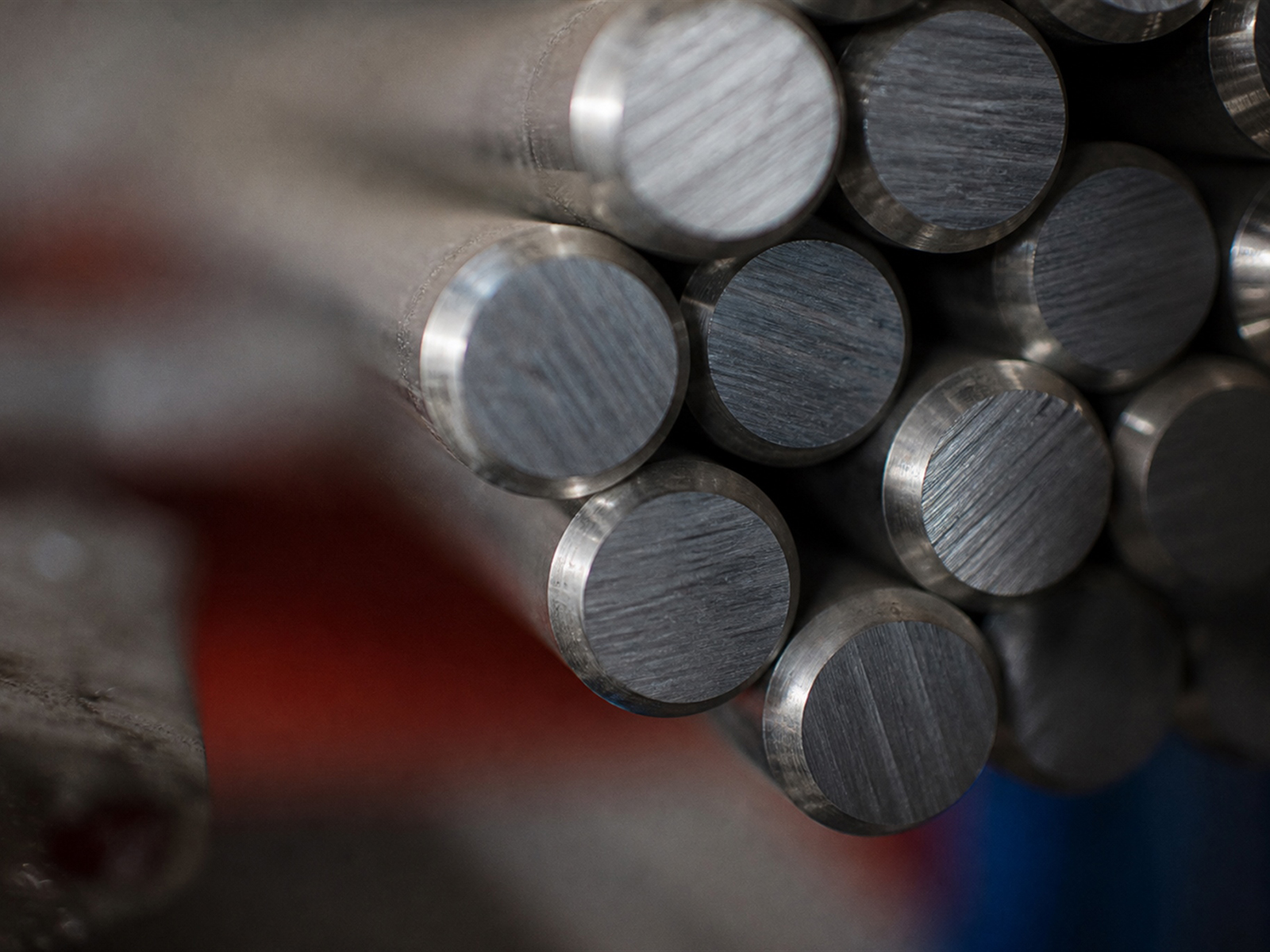
As the chemical industry faces increasingly severe corrosion challenges, Gr2 titanium rods have become the core material for chemical equipment manufacturing due to their excellent corrosion resistance, excellent mechanical strength and excellent processing adaptability. This industrial pure titanium material can work stably in a variety of harsh media environments. The oxygen content is controlled below 0.25% to ensure a tensile strength of more than 340MPa. The density is only 4.51g/cm³, but it can provide a service life 3-5 times longer than stainless steel. This guide will systematically explain the selection basis, processing points, performance optimization and maintenance strategies of Gr2 titanium rods in chemical equipment, helping engineers and purchasing decision-makers to make accurate judgments and reduce life cycle costs.
1. Why Is the Core Requirements for Material Performance of Chemical Equipment and the Matching Advantages of Gr2 Titanium Rods Important?
(1) What Should You Know About Material Challenge Analysis for Chemical Processing Conditions?
The chemical production environment is commonly characterized by alternating corrosion of multiple media, severe temperature fluctuations, and complex mechanical stress. The annual corrosion rate of traditional carbon steel can reach 2-5mm in an environment with a chloride ion concentration exceeding 200ppm. 304 stainless steel is prone to pitting corrosion under acidic conditions with a pH value below 3. The frequency of equipment replacement is high, which results in annual maintenance costs accounting for 30-40% of the initial investment. The economic losses caused by unplanned downtime of the production line are even more significant.
(2) What Should You Know About Interpretation of Material Properties of Gr2 Titanium Rods?
Performance indicators | Gr2 titanium rod | 304 stainless steel | carbon steel |
Density(g/cm³) | 4.51 | 7.93 | 7.85 |
Tensile strength (MPa) | ≥ 340 | 520 | 400-550 |
Seawater corrosion rate (mm/year) | 0.001-0.005 | 0.05-0.1 | 0.5-2.0 |
Temperature resistance range (C) | -253 to 400 | -196 to 800 | -40 to 450 |
Magnetic permeability | 1.0008 | 1.02 | >100 |
The Gr2 material with a titanium content of more than 99.0% obtains balanced strength and plasticity through the oxygen element strengthening mechanism, and the elongation remains above 20% (annealed state) to ensure cold working forming capabilities. The TiO2 passivation film spontaneously formed on the surface has a thickness of 2-7nm and can self-repair in the pH range of 2-12. This dynamic protective characteristic makes it stable in various media such as hydrochloric acid, sulfuric acid, and alkali.
(3) What Should You Know About Suitability Assessment for Typical Chemical Industry Scenarios?
In the anode environment of electrolytic cells in the chlor-alkali industry, the chloride ion concentration is as high as 300g/L and there is electrochemical corrosion. The anode hook made of Gr2 titanium rod has a service life of 8-10 years, while the nickel-based alloy is only 2-3 years. The reaction kettle stirring shaft in the pharmaceutical industry needs to withstand periodic cleaning and disinfection. 316L stainless steel is prone to stress corrosion cracking in chlorine-containing disinfectants. The use of Gr2 titanium rods can significantly reduce the risk of such failure. The heat exchange tube bundle of the seawater desalination device is made of Gr2 and remains in good condition after operating in a high-temperature seawater environment of 90℃ for 15 years.
2. How Should Key Points for Selection and Design of Gr2 Titanium Rods in Different Chemical Equipment?
(1) How Should Specification Selection of Titanium Rods for Heat Exchangers?
Heat exchange tubes usually use cold-drawn polished rods of φ16-φ25mm. The wall thickness is between 1.0-2.5mm according to the pressure level. The surface roughness Ra≤ 0.8um can reduce the dirt adhesion coefficient. The tube sheet is made of large-diameter forged rods φ100-φ200mm, and the grain size is controlled within a certain range to ensure uniform corrosion resistance. The baffle support rods are in φ10-φ16mm specifications, and residual stress is eliminated through heat treatment to prevent vibration fatigue.
(2) What Should You Know About Strength Design of Mixing and Transmission Systems?
The reactor stirring bearing is subject to the combined effects of torque, bending moment and corrosive media. The allowable stress of the Gr2 titanium rod needs to be controlled at 200-240MPa during design. For shafts with a diameter of φ50-φ120mm, when the aspect ratio exceeds 15, an intermediate support should be added to prevent deflection and deformation. The stress concentration coefficient of the fixed keyway of the impeller is about 2.8 (based on the empirical value of finite element analysis), and the rolling strengthening process needs to be used to increase the fatigue strength by more than 30%. The matching accuracy of the transmission coupling reaches H7/k6, and the interference is controlled at 0.02-0.04mm to avoid fretting wear.
(3) What Should You Know About Piping System Connections and Seals?
Connection method | Applicable specifications | Technical points | reliability level |
TIG welding | φ8-φ80mm | Argon purity ≥ 99.99%, back protection | high |
Threaded connection | φ10-φ50mm | Using PTFE sealing tape, torque control | higher |
Flange connection | φ50-φ300mm | The gasket is made of expanded graphite, and the preload force is monitored | high |
Clamp connection | φ16-φ100mm | The sealing ring material matches and is inspected regularly. | medium |
It is recommended that welded joints undergo 100% radiographic inspection, the porosity be controlled below 2%, and the width of the heat-affected zone ≤ 8mm. The flange bolts are made of Gr2 titanium alloy. The pretightening torque is set at 70-80% of the specification, and the second tightening is performed after 6 months. The bellows of the expansion joint is cold formed from φ4-φ6mm thin rods. When calculating the compensation amount, the linear expansion coefficient of titanium is 8.6×10⁻⁶/ C.
(4) What Should You Know About Precision Machining of Pump and Valve Components?
The centrifugal pump shaft uses a polished rod of φ30-φ60mm, with a coaxiality of ≤ 0.02mm, and the surface hardness is improved to HV450 through nitriding treatment. The thread accuracy of the valve stem reaches 6g level, and the matching gap is 0.05-0.10mm to ensure flexible opening and closing. The flatness of the sealing surface is ≤ 0.005mm, and the grinding process is used to achieve Ra0.4 surface quality. The rocker pin of the check valve is φ12-φ20mm and needs to be subjected to a low-temperature impact test to verify the -196℃ toughness.
3. What Should You Know About Quality Control and Performance Optimization During Manufacturing?
(1) What Should You Know About Raw Material Incoming Factory Inspection Standards?
The Fe and Cl impurity content of titanium sponge raw materials directly affects the corrosion resistance of the rod. Fe ≤ 0.20% and Cl ≤ 150ppm need to be detected during acceptance. The vacuum degree of the vacuum consumable melting furnace is maintained above 10⁻³Pa. Three meltings ensure the uniformity of ingredients and the segregation index is ≤ 1.15. Ultrasonic flaw detection of forging blanks adopts the flat-bottom hole equivalent standard, and the detection rate of buried defects reaches more than 98%. Homogenization annealing before hot rolling is maintained at 950℃ for 4 hours, and the α phase grains are refined to 30-50 um.
(2) What Should You Know About Precise Control of Thermal Processing Parameters?
Processing steps | Temperature range(C) | Deformation control | Cooling method | organizational goals |
Open blank forging | 1050-1150 | Single time <30% | air cooling | Broken cast structure |
Hot rolling forming | 850-950 | Total reduction rate 60-75% | air cooling | Obtain uniform α grains |
intermediate annealing | 700-750 | – | Furnace cooled to 500℃ | Eliminate work hardening |
Finish rolling and sizing | 750-850 | Pass deformation 8-12% | air cooling | Refining surface tissue |
The rolling speed is controlled at 0.5-1.2m/s. Too fast will cause surface tearing, and too slow will cause oxide scale to thicken. The hole design adopts an alternating ellipse-circle configuration to reduce internal void defects. The temperature gradient of the water cooling section is ≤ 150℃/m to prevent thermal stress cracks. The online diameter gauge provides real-time feedback and the tolerance is controlled within ± 0.15mm.
(3) What Should You Know About Surface Treatment and Dimensional Finishing?
The pickling solution formula is HF: HNO3: H₂O=1: 3: 6 (volume ratio), the temperature is 40-60℃, the treatment time is 5-8 minutes, and the thickness of the oxide layer removed is 0.05-0.08mm. The tool material for turning processing is YG8 carbide, the cutting speed is 60-80m/min, the feed rate is 0.1-0.2mm/r, and the cutting depth is ≤ 1.5mm. During grinding, the grinding wheel linear speed is 25-30m/s, the workpiece rotation speed is 15-20m/min, and the coolant flow rate is ≥ 15L/min to prevent burns. The pressure between the rollers of the straightening machine is adjusted according to the diameter, 3-5 tons for φ50mm and below, and 8-12 tons for φ100mm and above.
(4) What Should You Know About Final Inspection and Traceability Identification?
The tensile test sampling position is 100mm from the head and tail of the bar. The three indicators of tensile strength, yield strength, and elongation must simultaneously meet the requirements of relevant standards. Hardness testing adopts Rockwell B standard HRB 70-80 or Brinell hardness HB 150-200. When grading the metallographic structure, the beta phase content is ≤ 5%, distributed in the form of points or short rods. Standard test block for ultrasonic flaw detection sensitivity calibration, scanning speed ≤ 150mm/s, record when the defect equivalent reaches the requirements. Each bar is laser-marked with material grade, batch number, production date, and inspector code to establish a complete traceability chain.
4. What Should You Know About Usage and Maintenance Strategy and Lifecycle Cost Management?
(1) What Should You Know About points to Note During the Installation and Commissioning Phase?
Use wooden brackets during transportation to avoid surface scratches caused by direct contact with iron tools. Use nylon slings when hoisting, and place rubber pads on the wire ropes to prevent local stress. Before welding, clean the groove with acetone or ethanol to remove oil and moisture, and pre-blow with argon for 30 seconds to drive out the air. Use a torque wrench when assembling bolts to prevent thread slippage caused by over-tightening or leakage caused by under-tightening. The pressure test adopts a graded pressurization method, with each stage maintaining pressure for 10 minutes, and the maximum pressure reaches 1.5 times the design value.
(2) What Should You Know About Operation Monitoring and Regular Inspection System?
Establish an equipment ledger to record media type, temperature, pressure, flow and other operating parameters, and record them once per shift. Corrosion monitoring adopts the coupon method, and samples are taken every quarter to measure the weight loss rate. If the weight loss rate exceeds 0.05mm/year, the reasons need to be analyzed. Vibration monitoring sensors are placed on key parts of the pump shaft and mixing shaft, and alarms are issued when the vibration intensity is ≥ 4.5mm/s. The non-destructive testing period is determined according to the corrosiveness of the medium, once a year for highly corrosive environments and once every two years for normal environments. The coverage rate of weld penetration testing is 100%, and the sensitivity of the comparison test block meets the requirements.
(3) What Should You Know About The correct method for cleaning and maintenance?
Before shutting down for maintenance, flush the pipeline with clean water and keep the flow rate at 1.5-2.0m/s for 30 minutes. When chemical cleaning, alkaline cleaning agents are preferred, the temperature is 50-70℃, and the cycle time is 2-4 hours. It is forbidden to use acidic cleaning solutions containing fluoride ions. The concentration exceeding 200ppm will destroy the passivation film. Mechanical cleaning tools use copper brushes or nylon brushes. Scratching with wire brushes is strictly prohibited. When disassembling the valve, record the opening position and cover the sealing surface with a special protective cover. The storage environment humidity is ≤ 60% and avoid long-term exposure to the ocean atmosphere.
(4) What Should You Know About Full Life Cycle Cost Accounting Model?
cost item | Gr2 titanium rod equipment | stainless steel equipment | cost difference |
Initial purchase (10, 000 yuan) | 100 | 65 | +53.8% |
Annual maintenance (10, 000 yuan) | 2 | 8 | -75% |
Life expectancy (years) | 20 | 8 | +150% |
Number of replacements | 1 (15th year) | 1.5 | -33% |
Total cost in 20 years (10, 000 yuan) | 142 | 227.5 | -37.5% |
Although the price per unit weight of Gr2 titanium rods is 8-10 times that of stainless steel, the lightweight design reduces usage by 30-40%, and the need for heat treatment during welding reduces processing costs by 20%. There is no need for anti-corrosion coating maintenance during the operation phase, saving 50, 000-80, 000 yuan in labor and material costs every year. The equipment residual value rate reaches 15-20% of the initial investment, which is much higher than the 5% of stainless steel. Calculating the net present value based on a discount rate of 6%, the economic advantages of titanium equipment begin to appear in the seventh year, and the cumulative cost savings in 15 years can reach 1.2 times the initial investment.
5. Why Is Case Studies and Industry Application Trends Important?
(1) What Should You Know About Retrofitting Practices in the Chlor-Alkali Industry?
A large chlor-alkali enterprise upgraded the anode system of an electrolytic cell with an annual production capacity of 100, 000 tons from titanium-clad copper to a pure Gr2 titanium rod structure. The rods for a single cell are φ20mm×18, with a total length of 320 meters. After the transformation, the tank voltage was reduced by 0.15V, the power consumption per ton of caustic soda was reduced by 50kWh, and the annual electricity bill was saved by 2.8 million yuan. The replacement cycle of the anode hook has been extended from 3 years to more than 10 years, reducing downtime and maintenance time by a total of 240 hours/year, and increasing production by approximately 800 tons. The titanium mud recovery rate has increased from 75% to 92%, and the resource utilization efficiency has been significantly improved.
(2) What Are the Differences in Performance Comparison of Seawater Desalination Equipment?
In a multi-stage flash seawater desalination plant with a daily output of 100, 000 tons in the Middle East, the heat exchanger tube bundle adopts Gr2 titanium rods with φ19mm×1.2mm specifications, and the total length reaches 85 kilometers. After 12 years of operation, the measured wall thickness reduction was only 0.02mm, while the copper-nickel alloy pipes of the control plant during the same period were thinned by 0.8mm and were close to the scrap standard. The heat transfer coefficient attenuation rate of titanium tube bundles is ≤ 5%, and the attenuation rate of copper-nickel tubes due to accumulation of dirt can reach 25%. A comparison of maintenance costs shows that the average annual cost of titanium equipment is US$120, 000, and that of copper-nickel equipment is US$680, 000. There is a huge economic difference.
(3) What Should You Know About Compliance Verification for the Pharmaceutical Industry?
Pharmaceutical-grade Gr2 titanium rods that comply with FDA and EMEA certification were tested for metal ion precipitation after being soaked in simulated media for 1, 000 hours. The Ti ion concentration was <0.01ppm, which is far lower than the sum of Fe, Ni, and Cr ions of stainless steel. The biocompatibility test passed the ISO 10993 series of standards, and the cytotoxicity, sensitization, and irritation were all grade 0 reactions. The stirring shaft of the sterile API reactor is made of electrolytic polished Gr2 rod, with surface roughness Ra≤ 0.2um and cleaning verification residue ≤ 10ppm, meeting the 210-day continuous production requirement.
6. What Should You Know About Conclusion?
The in-depth application of Gr2 titanium rods in the field of chemical equipment is not only an upgrade of material technology, but also a strategic choice for sustainable industrial development. Through precise selection and design, strict quality control, and scientific maintenance management, its comprehensive advantages of corrosion resistance, lightweight, and long life can be fully unleashed. With the advancement of processing technology and continuous optimization of costs, the penetration rate of titanium materials in the chemical industry is expected to further increase and become a mainstream material for high-end equipment manufacturing.
FAQ
Q1: How to choose between Gr2 titanium rod and Gr1 titanium rod in chemical industry applications?
The higher oxygen content of Gr2 provides better strength, and the tensile strength is more than 20% higher than that of Gr1. It is suitable for components such as stirring shafts and pump shafts that bear medium loads. Gr1 has higher purity but lower strength, and is more suitable for thin-walled heat exchange tubes that do not have high stress requirements but require ultimate corrosion resistance. The cost difference is about 10-15%, which needs to be comprehensively judged based on the specific force and medium conditions.
Q2: How to prevent pores and cracks when welding Gr2 titanium rods?
Three key control points: argon protection purity ≥ 99.99% and sufficient protection of the back side; welding current uses low current multi-pass welding, single pass thickness ≤ 3mm; interlayer temperature ≤ 150℃ and cleaning with stainless steel wire brush. The preheating temperature can be room temperature. If it is too high, it will increase the risk of hydrogen absorption. Allow natural cooling after welding, and prohibit water cooling or air cooling from causing thermal stress.
Q3: How to extend the service life of Gr2 titanium rod equipment in a high chlorine environment?
Regularly monitor the chloride ion concentration, and increase the flushing frequency when it exceeds 500ppm; control the operating temperature to ≤ 80℃, and the corrosion rate increases by 30% for every 10℃ increase in temperature; avoid accumulation of concentrated liquid in the gap structure; use cathodic protection to control the potential at -0.6 to -0.8V; carry out passivation film repair treatment every two years, which can extend the service life by more than 50%.
How Should Looking for Professional Suppliers of Gr2 Titanium Rods for Chemical Equipment?
As a professional manufacturer, a rare metal materials company has vacuum consumable arc melting, precision forging and full-process heat treatment production lines. It can stably supply φ8-300mm Gr2 industrial pure titanium rods with strictly controlled oxygen content ≤ 0.25%, tensile strength ≥ 340MPa, and elongation ≥ 20%. The product has excellent corrosion resistance in the range of chloride ion concentration ≥ 300g/L and pH 2-12. The seawater corrosion rate is as low as 0.001-0.005 mm/year, and the service life is 3-5 times longer than stainless steel. We provide customized products that comply with international standards such as ASTM B348 for global chlor-alkali industry, seawater desalination, pharmaceutical and chemical equipment customers, complete with ultrasonic flaw detection, metallographic testing and complete material certificates. Contact sales@titaniumvalleys.com immediately to obtain technical solutions and samples.
References
- Zhang Wei, Li Minghua. Application technology of titanium and titanium alloys in chemical equipment[M]. Beijing: Chemical Industry Press, 2021.
- Wang Haifeng, Liu Jianrong. Handbook of Selection, Design and Welding Technology of Titanium Materials for Chemical Industry[M]. Beijing: Machinery Industry Press, 2020.
- Chen Guoliang, Zhou Yu. Research on the performance of titanium alloys in corrosive environments [J]. Journal of Materials Science and Engineering, 2019, 37(3): 412-418.
- Zhao Ming, Liu Jianguo. Application and maintenance of industrial pure titanium in the chlor-alkali industry [J]. Chemical Equipment and Pipelines, 2020, 57(4): 25-31.
- Sun Lixin, Wang Zhiqiang. Performance analysis of titanium alloy heat exchange tubes for seawater desalination [J]. Ocean Engineering, 2021, 39(2): 88-95.
- Wu Xiaodong, Zheng Xiaoguang. Surface treatment and cleanliness control of titanium materials for pharmaceutical equipment [J]. Pharmaceutical Engineering Design, 2022, 43(1): 56-62.