
How Should Factors Affecting the Price of Gr1 Titanium Foil, a Buyer’s Guide?
- Gr1 Titanium Foil
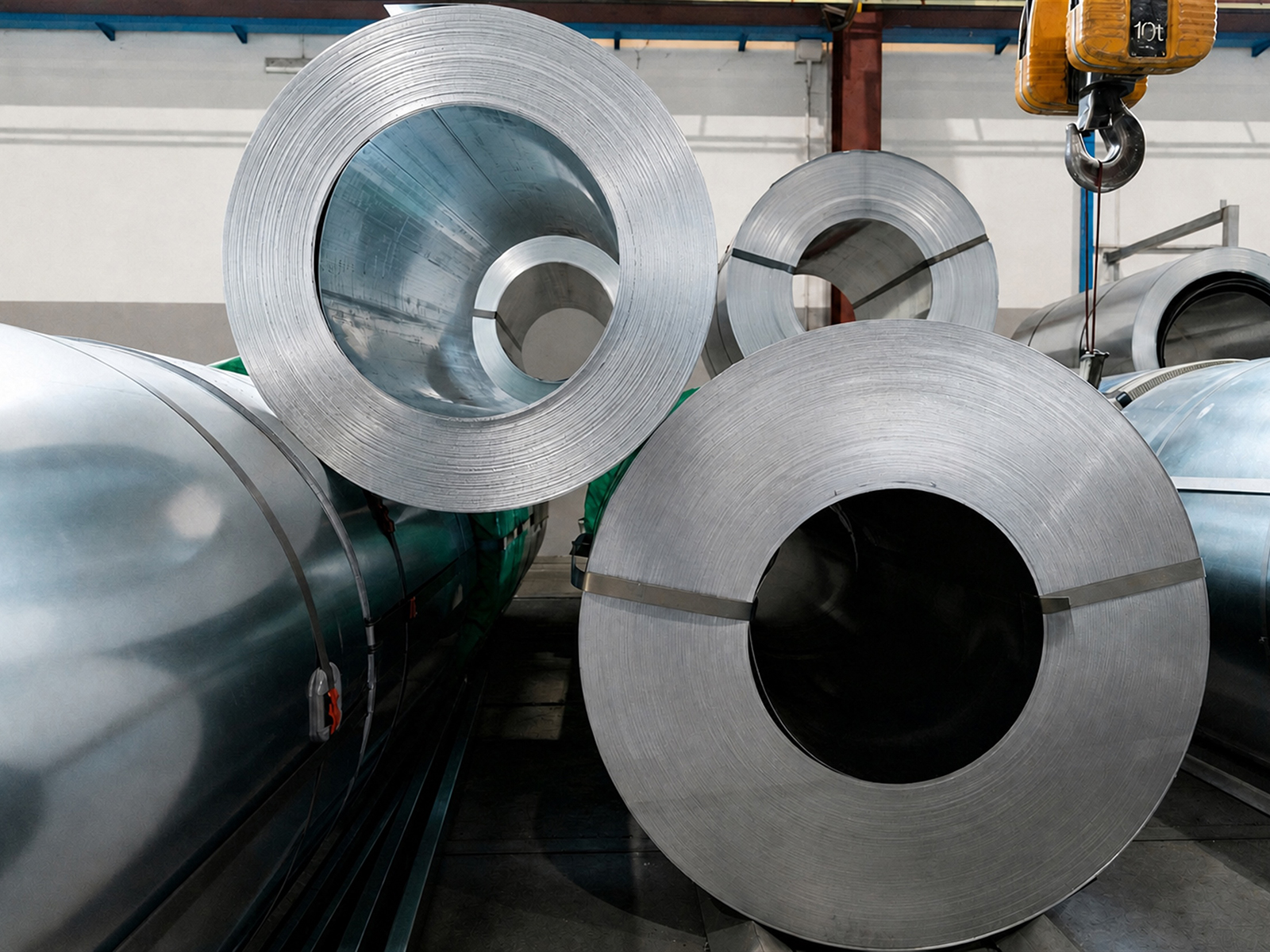
When purchasing Gr1 titanium foil, price fluctuations often become a key consideration in decision-making. The cost of Gr1 titanium foil is not determined by a single factor, but is influenced by multiple dimensions such as the raw material market, the difficulty of processing technology, product specification accuracy, and supply chain stability. This buyer’s guide will provide you with an in-depth analysis of the core factors affecting the price of Gr1 titanium foil, helping you make more informed decisions in global procurement. Understanding these price-driving factors can not only help you optimize purchasing costs, but also ensure that you obtain high-performance products that truly meet application requirements, avoiding quality risks and subsequent losses caused by pursuing low prices.
1. What Should You Know About Raw Material Costs and Market Supply-demand Relationship?
(1) What Should You Know About Transmission Mechanism of Sponge Titanium Price Fluctuations?
Sponge titanium, as the basic raw material for titanium foil production, directly determines the cost floor of the final product. The global sponge titanium market is constrained by multiple factors such as ore supply, energy costs, and production processes. When the production capacity of major titanium-producing countries such as China, Japan, the United States, or Kazakhstan changes, price fluctuations can be transmitted to the downstream titanium foil market within 3-6 months. High-purity Gr1 titanium foil requires a titanium content of ≥ 99.5% (commercially pure titanium, with impurity elements limited according to ASTM standards), which means that strict control of raw material purity further drives up procurement costs. Buyers need to pay attention to quarterly price trends rather than single quotes to accurately assess the actual cost level.
(2) What Should You Know About the Hidden Impact of Impurity Control Costs?
Gr1 titanium foil has strict limits on impurity elements such as Fe, O, C, N, and H (for example, oxygen content ≤ 0.18%, iron content ≤ 0.20%), which requires manufacturers to use high-purity raw materials and inert atmosphere protection during smelting and processing. According to industry research, for every 0.01% reduction in impurity content, the cost of raw material selection and processing may increase by 5-8% (estimated based on experience). Low-quality suppliers may lower their quotes by relaxing impurity standards, but this will directly compromise the material’s corrosion resistance and forming performance, ultimately increasing the failure rate of your products.
(3) What Should You Know About Supply Chain Geopolitical Risk?
The uneven global distribution of titanium raw materials makes the supply chain vulnerable to trade policies, tariff changes, and logistics disruptions. Buyers in the United States and Europe need to consider tariff costs when purchasing (depending on specific trade policies, this could increase by 10-25%), while buyers in Asia are more concerned with the stability of regional suppliers. Manufacturers with a complete industry chain can better hedge against raw material price fluctuations, which is why vertically integrated suppliers are often able to offer more stable long-term quotes.
2. What Should You Know About Processing Technology Difficulty and Equipment Investment?
(1) What Should You Know About the Technical Threshold of Ultra-thin Wide Rolling?
Producing titanium foil with a thickness of 0.02-1.0 mm and a width of 350-670 mm requires overcoming technical challenges such as springback control, plate shape stability, and thickness uniformity. The 20-roll precision mill is the key equipment for achieving a ± 0.001 mm tolerance, with a single unit investment reaching tens of millions of dollars. This high-precision rolling technology requires multiple rolling passes combined with precise tension control; for each additional rolling pass, energy consumption and labor costs increase accordingly. Manufacturers capable of stably mass-producing ultra-thin, wide titanium foil are very few, and the technological barriers directly translate into product premiums.
(2) What Are the Differences in Cost Differences of Surface Treatment Processes?
Ultrasonic cleaning combined with alkali treatment can ensure that the surface tension is stably maintained at 44 mN/m, which is crucial for subsequent welding and coating processes. The temperature control accuracy of a continuous argon annealing furnace (high-precision equipment can reach ± 2℃, usually ± 5℃ in industry) directly affects the uniformity of the microstructure and the consistency of mechanical properties. Independently developed degreasers and optimized polishing processes, although increasing the unit cost, can significantly improve surface cleanliness and coating adhesion. According to data from some high-end products, products with a surface defect rate of less than 0.1% have processing costs 15-20% higher than ordinary products, but can save you costs associated with subsequent rework and scrap losses.
(3) What Should You Know About Automation Level and Good Product Rate Control?
A production line with an automation rate of 90% in key processes can achieve full-process quality monitoring, reducing batch variations caused by manual operations. Production lines equipped with online thickness gauges, surface inspection systems, and performance testing equipment, although having high initial investment, can ensure the stability of each roll of product. A scaled production capacity of 3, 000 tons per year of titanium foil spreads out the fixed costs per unit, which is also why large manufacturers have a price advantage in bulk orders. Choosing a supplier with scaled production capacity means you can obtain more consistent product quality and more competitive pricing.
3. What Should You Know About Product Specification Accuracy and Customization Requirements?
(1) What Should You Know About Nonlinear Impact of Thickness Tolerance on Price?
Products with a standard ± 0.005mm tolerance and high-precision ± 0.001mm tolerance can have a price difference of 20-35% (according to industry survey data). Electromagnetic shielding and fuel cell applications require extremely high thickness uniformity, and any deviation can lead to uneven current distribution or reduced shielding effectiveness. The table below shows the impact of different tolerance levels on price:
Thickness tolerance grade | Rolling difficulty factor | Equipment requirements | Price premium range | Applicable Scenarios |
± 0.010 mm | standard | Conventional rolling mill | Benchmark price | Chemical lining, general structural components |
± 0.005mm | Medium | Precision rolling mill | +10-15% | Heat exchanger, battery tab |
± 0.001 mm | Tall | 20-roll finishing mill | +25-35% | EMI shielding, microelectronic packaging |
(2) What Should You Know About Width Specifications and Material Utilization?
670mm wide Gr1 titanium foil (widths are generally defined as wide in the titanium foil industry, with conventional specifications being below 350mm) can reduce the number of welded seams in large-area applications, lowering leakage risks and installation costs. However, wide-width rolling requires higher equipment and process standards, making edge quality control more difficult. Gr1 titanium foil narrower than 350mm, although cheaper per unit, can lead to higher overall costs in aerospace large thin-wall component applications due to excessive seams. Buyers need to find a balance between unit price and overall usage cost based on actual application scenarios.
(3) Why Is Added Value of Special Surface Treatment Important?
Glossy, matte, or functional surface treatments will add 2-3 additional processes, with costs correspondingly increasing by 8-12%. Medical implants require a surface roughness of Ra ≤ 0.1 um or even stricter, and electronic packaging requires specific surface activity. Custom surface treatments, although increasing the initial purchase price, can directly match your production process, eliminating the need for secondary processing. When evaluating customization requirements, the full process cost should be considered, rather than focusing solely on the material unit price.
4. What Should You Know About Quality Certification and Testing Costs?
(1) Why Is the Hidden Value of International Standard Certification Important?
Products that meet international standards such as ASTM B265, JIS H4600, and EN 10204 need to undergo strict third-party testing and certification processes. The table below compares the requirements of different certification systems:
Standard system | Main inspection items | Certification cycle | Incremental cost | Target Market |
ASTM B265 | Chemical composition, mechanical properties, dimensional tolerance | 2-3 months | +5-8% | North American Air Medical |
EN 10204 3.1 | Material Certificate Manufacturer Testing | 1-2 months | +3-5% | European high-end manufacturing |
JIS H4600 | Full set of Japanese Industrial Standards tests | 2-4 months | +6-10% | Japan Precision Electronics |
ISO 9001/13485 | Quality Management System Certification | 3-6 months | +8-12% | Global high-end clients |
(2) What Should You Know About Full-process Quality Traceability System?
A traceable batch management system can record data for every stage from raw materials to finished products, which is critical for aerospace and medical applications. Establishing such a traceability system requires investment in information systems and training of professionals, increasing costs by about 3-5%. However, products with complete quality records can help you pass customer audits and avoid order losses due to incomplete material certifications.
(3) What Should You Know About the Credibility of Third-party Inspection Reports?
Some internal test reports provided by low-cost suppliers may lack authority. Commissioning tests through internationally recognized institutions such as SGS or TÜV, although increasing the cost per batch (about $200-500), can help you avoid the huge risk of material performance not meeting standards. If the fuel cell electrode substrate lacks sufficient strength (the standard requires ≥ 370MPa), the entire stack system may fail, and subsequent losses far exceed the initial material cost.
How Should Supplier Capability and Service Premium?
What Should You Know About the Impact of Production Capacity Scale on Price Stability?
A large-scale production line with an annual output of 3, 000 tons can reduce unit costs through economies of scale and ensure long-term supply stability. Small suppliers may quote higher prices due to insufficient equipment utilization and cannot guarantee delivery times during peak order periods. When evaluating suppliers, ask about their monthly production capacity, current order volume, and equipment operating rate; these indicators reflect actual supply capability better than a single quote. Manufacturers with high-precision rolling equipment (such as 20-roll finishing mills with a maximum rolling width typically of 600-650mm) may have slightly higher initial quotes, but they are more competitive in prices for batch orders.
Why Is Comprehensive Value of Custom Processing Capability Important?
Suppliers that can provide one-stop services from raw materials to finished products can save you the costs of intermediate transportation and secondary processing. Value-added services such as precision slitting, fixed-length cutting, and surface grinding, although increasing the unit price by 10-15%, can directly deliver specifications that meet your production line requirements, shortening the overall project cycle. In certain applications, such as large-area electromagnetic shielding, ultra-thin and ultra-wide integrated products can reduce seams by 90%, with overall performance improvement far exceeding the price increase.
Why Is Technical Support and Application Development Important?
High-end suppliers can provide technical services such as Gr1 titanium foil material selection advice, process parameter optimization, and failure analysis. Although this may not directly result in lower material unit prices, it can help you shorten the product development cycle and reduce trial-and-error costs. When developing new fuel cells or high-frequency electronic packaging, a supplier’s experience in Gr1 titanium foil applications can be worth hundreds of thousands of dollars. Choosing partners with R&D capabilities and industry experience is a key strategy for achieving long-term cost optimization.
5. What Should You Know About Procurement Strategy and Cost Optimization?
Why Is Price Sensitivity in Different Application Scenarios Important?
Applications such as chemical corrosion-resistant linings are highly sensitive to price and can accept products with a standard tolerance of ± 0.005mm. Aerospace lightweight structural components and medical implants, on the other hand, must use the highest precision grade, where performance reliability is far more important than price. The application of new energy battery tabs falls between these two, requiring a balance between cost and consistency. Clearly defining your application grade requirements and avoiding over-purchasing or insufficient performance is the first step in controlling total costs.
What Are the Differences in Price Difference Between Long-term Contracts and Spot Purchases?
Signing annual framework agreements with reliable suppliers usually allows for a 5-12% price discount and secures supply quotas. While spot purchases offer flexibility, the price risk is higher during market fluctuations. It is recommended to lock in core usage through long-term contracts and reserve 20-30% flexibility to be supplemented by spot purchases. This mixed strategy allows you to enjoy bulk discounts while maintaining the ability to respond to market opportunities.
What Should You Know About Life Cycle Cost Assessment Framework?
The following table provides a comprehensive cost assessment framework to help you go beyond the unit price trap:
Cost dimension | weight | Key Points of Evaluation | Potential impact |
Material unit price | 40% | Specifications, tolerances, surface treatment | Direct procurement cost |
Quality consistency | 25% | Batch differences, defect rate | Yield rate of good products, rework cost |
Delivery reliability | 15% | On-time rate, inventory support | Production plan stability |
Technical services | 10% | Application support and customization capabilities | Development cycle, trial-and-error cost |
Certification and Traceability | 10% | Standards Compliance, Quality Assurance System | Customer audit pass rate |
Choosing the supplier with the highest overall score rather than the lowest unit price often achieves true cost optimization. According to a claim by a supplier, a European medical device manufacturer used titanium foil that was 15% more expensive per unit but had stable quality, ultimately saving 18% of overall costs due to a 60% reduction in defect rates.
6. What Is the Conclusion?
The price of Gr1 titanium foil is a comprehensive reflection of technical capability, quality control, and service value. Rational buyers should go beyond simply comparing unit prices and evaluate from multiple dimensions such as raw material purity, processing precision, certification systems, supply stability, and total lifecycle cost. Establishing long-term cooperation with manufacturers that have advanced equipment, large-scale production capacity, and technical service capabilities is the only way to ensure product performance while achieving true cost optimization. Extremely low offers on the market often conceal quality risks, which may ultimately lead to higher total ownership costs.
FAQ
Q1, Why Is There More Than a 30% Price Difference for Gr1 Titanium Foil of the Same Specification From Different Suppliers?
Price differences mainly stem from processing precision, surface quality, and impurity control levels. Lower-priced products may use raw materials of lower purity or relax tolerance standards, resulting in reduced corrosion resistance and batch instability. It is recommended to request third-party inspection reports and sample trials to verify whether actual performance meets application requirements.
Q2, When Purchasing Ultra-thin Titanium Foil, How Can You Determine Whether the Supplier Has Stable Production Capacity?
Key indicators include: whether there is specialized equipment such as a 20-roll precision rolling mill, annual production capacity, level of automation, and quality traceability system. Suppliers are required to provide an equipment list, proof of production capacity, and existing customer cases. Manufacturers capable of stably mass-producing 0.02mm ultra-thin wide products (achievable under specific conditions or with certain high-end equipment) have technical capabilities far surpassing suppliers who can only produce products over 0.1mm.
Q3: Which price adjustment clauses should be the focus in long-term procurement contracts?
The contract should clearly define the transmission mechanism of raw material price fluctuations (e.g., based on the quarterly average price of sponge titanium), the price adjustment cycle, and the maximum adjustment range. At the same time, it should stipulate quality standards, delivery schedules, and technical service content to prevent suppliers from maintaining prices by reducing quality. It is recommended to set annual volume tiered discounts and priority supply clauses to ensure supply stability.
7. What Should You Know About Get Professional Purchasing Support Immediately?
Baoji Titanium Nickel Zirconium Material Processing Co., Ltd., as a professional manufacturer and supplier of Gr1 titanium foil, has an annual production capacity of 3, 000 tons of ultra-thin wide titanium foil and high-precision precision rolling equipment. We provide high-purity products and full-process customization services that comply with ASTM B265 standards. You are welcome to send your technical specifications to sales@titaniumvalleys.com (please verify the authenticity of the email yourself) for professional quotations and application advice.
References
- Zhang Minghui, Li Guoqiang. Progress in Rolling Technology of Titanium and Titanium Alloy Foils [J]. Rare Metal Materials and Engineering, 2021, 50(8): 2845-2853.
- Wang Jianjun, Chen Wei. Key Technologies and Market Analysis of Ultra-Thin Wide Titanium Foil Production [J]. Progress in Titanium Industry, 2022, 39(3): 15-21.
- Liu Zhiqiang, Zhao Haitao. Study on the Effect of Surface Treatment Process of Titanium Foil on Surface Tension [J]. Materials Science and Engineering, 2023, 41(2): 98-104.
- Yang Xiaoming, Sun Lixin. Analysis of the Evolution of Supply and Demand Patterns and Influencing Factors in the Global Sponge Titanium Market [J]. Nonferrous Metals Industry, 2024, 12(1): 45-52.