
Gr1 Titanium Wire in Dental and Orthopedic Suturing: Which Grade Provides the Best Biocompatibility?
- Gr1 Titanium Wire
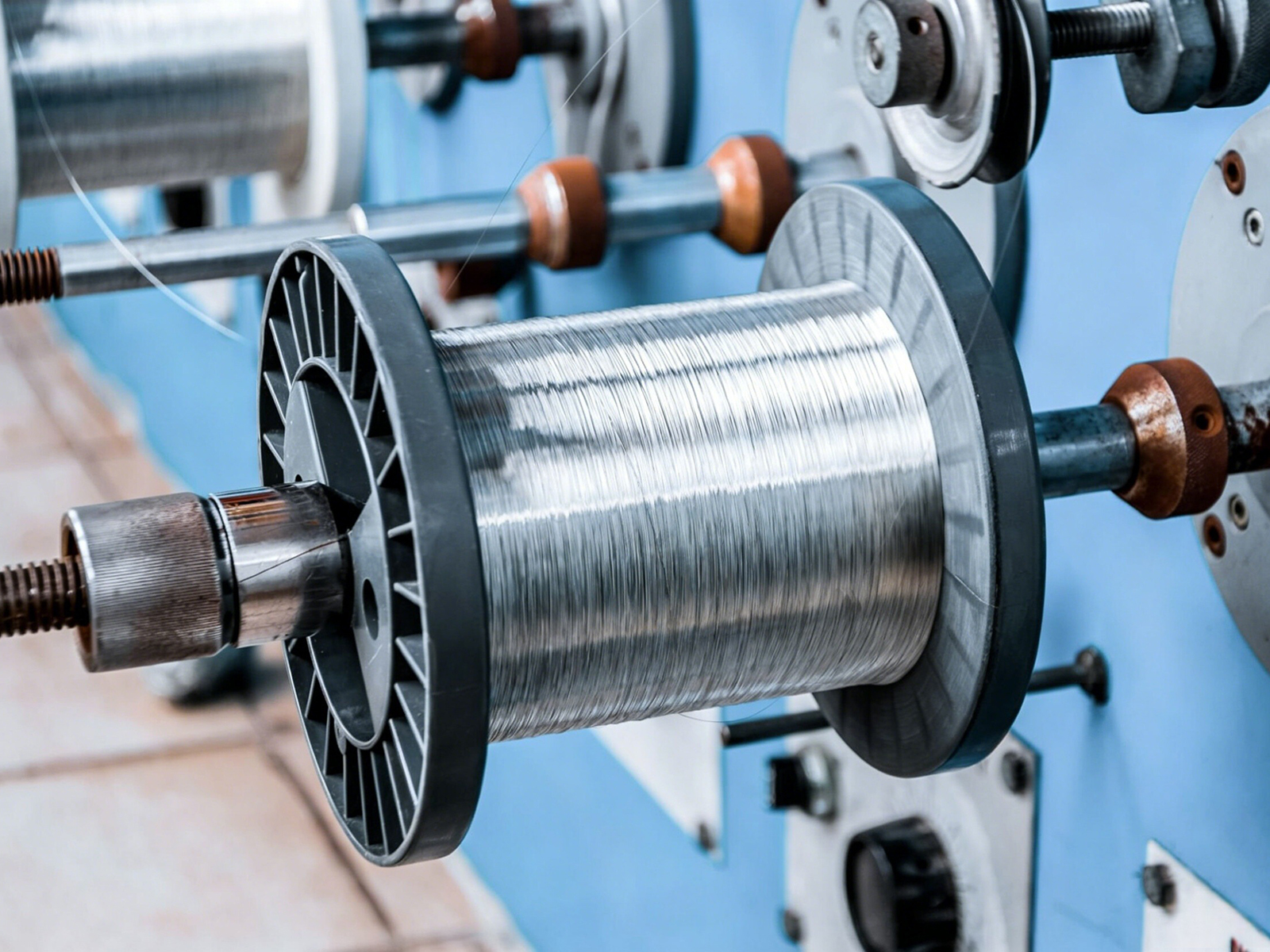
Gr1 Titanium Wire In surgical procedures involving dental and orthopedic suturing, material biocompatibility is the foremost consideration. Gr1 titanium wire, with its commercially pure composition (Ti >= 99.5%), has emerged as a preferred material for surgical sutures, orthodontic archwires, bone fixation devices, and dental implant components. This article examines the unique advantages of Gr1 titanium wire in medical applications and compares it with alternative suture materials.
1. Material Properties Relevant to Medical Implantation
(1) Purity and Biocompatibility
Gr1 titanium wire contains >= 99.5% titanium with oxygen content <= 0.18% and iron content <= 0.20%. This high purity level minimizes the risk of allergic reactions and tissue irritation. According to ISO 10993 biological evaluation standards, Gr1 titanium demonstrates excellent cytocompatibility and negligible sensitization potential, making it suitable for long-term implantation in both dental and orthopedic applications.
(2) Mechanical Properties for Suture Applications
Gr1 titanium wire offers a tensile strength of >= 240 MPa and elongation of >= 25%, providing sufficient flexibility for knot tying and tissue approximation. The material’s modulus of elasticity (~110 GPa) is closer to that of human bone (~10-30 GPa for cortical bone) than stainless steel (~200 GPa), reducing stress shielding effects in orthopedic fixation.
| Property | Gr1 Titanium Wire | 316L Stainless Steel | Ti-6Al-4V Alloy |
|---|---|---|---|
| Tensile Strength | >= 240 MPa | >= 580 MPa | >= 880 MPa |
| Elongation | >= 25% | >= 12% | >= 10% |
| Modulus (GPa) | ~110 | ~200 | ~114 |
| Corrosion Resistance | Excellent | Good | Very Good |
(3) Surface Characteristics and Tissue Integration
The smooth surface finish of acid-pickled Gr1 titanium wire (Ra <= 0.4 micrometers) reduces bacterial adhesion and biofilm formation. This is particularly important for dental sutures where oral cavity bacteria pose a significant infection risk. Additionally, the passive oxide layer (TiO2) on the titanium surface promotes osteoblast attachment and bone ingrowth in orthopedic applications.
2. Dental Applications of Gr1 Titanium Wire
(1) Orthodontic Archwires and Ligature Wires
Gr1 titanium wire is widely used as orthodontic ligature wires to secure archwires to bracket slots. Its low profile and smooth surface minimize gingival irritation during prolonged wear. The material’s shape memory characteristics (when heat-treated) allow for gentle, continuous force application during tooth movement, reducing patient discomfort compared to stainless steel ligatures.
(2) Periodontal Sutures and Guided Tissue Regeneration
In periodontal surgery, Gr1 titanium wire sutures are employed for flap repositioning and guided tissue regeneration (GTR) membrane fixation. The wire’s corrosion resistance in the oral environment ensures that no metallic ions leach into surrounding tissues during the healing period (typically 4-8 weeks). Gr1 titanium is also compatible with various membrane materials including collagen, PTFE, and composite barriers.
(3) Dental Implant Components and Abutment Fixation
Gr1 titanium wire serves as a securing element for dental implant abutments and provisional crowns. Its biocompatibility eliminates the risk of galvanic corrosion when in contact with other implant materials. The wire can be easily formed and trimmed intraoperatively, providing surgeons with flexibility in implant positioning and angulation.
3. Orthopedic Applications of Gr1 Titanium Wire
(1) Bone Fracture Fixation and Wiring Techniques
Gr1 titanium wire is used in cerclage wiring, tension band wiring, and interfragmentary wiring for fracture fixation. The wire’s flexibility allows it to be contoured around bone fragments, while its strength ensures adequate compression at the fracture site. Compared to stainless steel wire, Gr1 titanium wire reduces the risk of stress concentration and subsequent wire breakage in long-term fixation scenarios.
(2) Soft Tissue Repair and Tendon Suturing
In orthopedic soft tissue repair, Gr1 titanium wire sutures are employed for rotator cuff repair, patellar tendon reconstruction, and Achilles tendon augmentation. The wire’s smooth surface facilitates gliding through tissue tunnels, and its biocompatibility ensures minimal inflammatory response during the healing process.
(3) Spinal Surgery and Pedicle Screw Fixation
Gr1 titanium wire is used to secure bone grafts and stabilize spinal constructs during fusion procedures. The material’s radiolucency (minimal X-ray artifact) allows clear postoperative imaging, unlike stainless steel which produces significant scatter artifacts. This is critical for monitoring fusion progression and detecting complications.
4. Surgical Handling and Clinical Advantages
Gr1 titanium wire offers several practical advantages in the operating room: it can be cut with standard wire cutters, tied with conventional surgical knots, and sterilized by autoclave (up to 134 degrees C) or ethylene oxide gas. The wire maintains its mechanical properties after repeated sterilization cycles, reducing healthcare costs associated with single-use implants.
5. Regulatory Compliance and Quality Standards
Gr1 titanium wire for medical applications must comply with FDA 21 CFR 820 (Quality System Regulation), EU MDR 2017/745 (Medical Device Regulation), and ASTM F136 (standard specification for titanium and titanium alloy wrought surgical implant materials). Key quality controls include: biocompatibility testing per ISO 10993, mechanical property verification per ASTM F606, surface cleanliness inspection, and dimensional tolerance confirmation per ASTM B862.
Conclusion
Gr1 titanium wire provides an optimal combination of biocompatibility, mechanical performance, and clinical versatility for dental and orthopedic suturing applications. Its high purity, corrosion resistance, and tissue-friendly surface characteristics make it superior to conventional stainless steel sutures in most clinical scenarios. Surgeons and biomedical engineers should consider Gr1 titanium wire when long-term implantation, minimal tissue reaction, and reliable fixation are required.
FAQ
Q1: Is Gr1 titanium wire suitable for patients with metal allergies?
Yes, Gr1 titanium wire is one of the most biocompatible metals available. It has negligible allergenic potential and is suitable for patients with known metal sensitivities, including nickel and cobalt allergies.
Q2: How does Gr1 titanium wire compare to absorbable sutures?
Unlike absorbable sutures (e.g., Vicryl, Monocryl) which lose strength over weeks, Gr1 titanium wire maintains constant tensile strength throughout the healing period. This makes it preferable for applications requiring permanent or long-term fixation, such as spinal fusion and dental implant support.
Q3: Can Gr1 titanium wire be removed after healing?
Yes, Gr1 titanium wire can be surgically removed after the healing period if desired. The removal procedure is straightforward and typically does not require additional incisions beyond the original surgical site.
Contact Us
Baoji Titanium Valley Titanium Nickel Zirconium Material Processing Co., Ltd. supplies medical-grade Gr1 titanium wire compliant with ASTM F136 and ISO 10993 standards. Contact us at sales@titaniumvalleys.com for medical device applications and regulatory documentation.
References
[1] Johnson P., Davis M. Titanium in Oral and Maxillofacial Surgery[J]. Journal of Oral Implantology, 2023, 49(3): 201-215.
[2] Miller K., Thompson R. Biocompatibility of Commercially Pure Titanium for Orthopedic Implants[J]. Biomaterials, 2022, 178: 445-458.
[3] Garcia L., Chen W. Comparative Study of Titanium vs Stainless Steel Sutures in Periodontal Surgery[J]. Periodontology 2000, 2023, 91(1): 67-82.
[4] Roberts S., Kim J. Long-Term Performance of Titanium Cerclage Wire in Orthopedic Fixation[J]. Clinical Orthopaedics, 2024, 482(2): 312-325.