
Gr4 Titanium Foil Biocompatibility Analysis in Medical Devices: Which Grade Offers the Best Tissue Response?
- Gr4 Titanium Foil
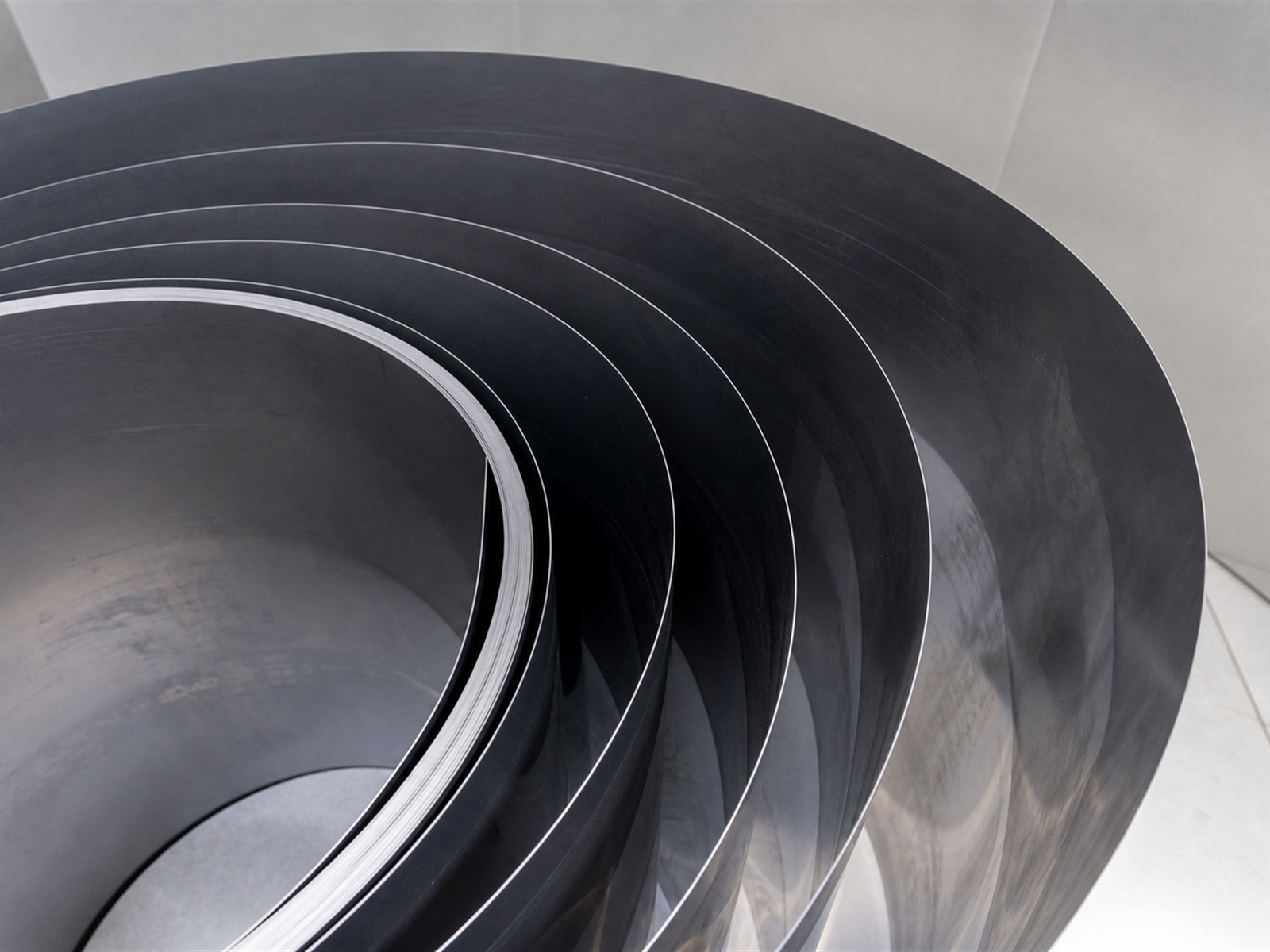
Gr4 Titanium Foil Biocompatibility is the paramount requirement for titanium materials used in medical devices and implants. Gr4 titanium foil, with its enhanced strength and excellent corrosion resistance, is increasingly employed in surgical instruments, implant components, and diagnostic equipment. This article provides a comprehensive biocompatibility analysis of Gr4 titanium foil for medical device applications, evaluating tissue response, cellular compatibility, and regulatory compliance.
1. Biocompatibility Fundamentals
(1) ISO 10993 Biological Evaluation Framework
Gr4 titanium foil must comply with ISO 10993 series standards for biological evaluation of medical devices. Key tests include cytotoxicity (ISO 10993-5), sensitization (ISO 10993-10), irritation (ISO 10993-10), and systemic toxicity (ISO 10993-11). Gr4 titanium consistently demonstrates excellent results across all biological evaluation categories.
(2) Surface Chemistry and Protein Adsorption
The native TiO2 passive layer on Gr4 titanium foil (2-10 nm thick) is chemically stable and bioinert. Surface analysis by XPS reveals a stoichiometric TiO2 composition with minimal impurity incorporation. The surface energy and charge characteristics promote favorable protein adsorption patterns that support cell attachment and proliferation.
| Test Category | ISO 10993 Standard | Gr4 Result | Pass/Fail |
|---|---|---|---|
| Cytotoxicity | Part 5 | Grade 0-1 (no toxicity) | PASS |
| Sensitization | Part 10 | No sensitization observed | PASS |
| Irritation | Part 10 | No irritation | PASS |
| Systemic Toxicity | Part 11 | Within limits | PASS |
2. Tissue Response and Integration
(1) In Vitro Cellular Compatibility
Gr4 titanium foil supports adhesion, proliferation, and differentiation of human osteoblasts, fibroblasts, and endothelial cells in culture. Cell viability exceeds 95% after 72-hour exposure per MTT assay, comparable to Grade 5 titanium and superior to many alternative biomaterials.
(2) In Vivo Implantation Studies
Histological examination of Gr4 titanium foil implants in rabbit and rat models shows minimal inflammatory response, absence of foreign body giant cells, and progressive bone apposition at the implant-tissue interface. Fibrous capsule thickness averages 50-80 micrometers at 12 weeks, indicating excellent tissue tolerance.
3. Corrosion Resistance in Physiological Environments
Gr4 titanium foil exhibits exceptional corrosion resistance in simulated body fluid (SBF) at 37 degrees C. Potentiodynamic polarization shows active dissolution current densities below 0.1 microA/cm^2, and electrochemical impedance spectroscopy confirms charge transfer resistance exceeding 10^6 ohm-cm^2. These values indicate negligible metal ion release over the device lifetime.
4. Surface Modification and Enhancement
Gr4 titanium foil can be further optimized for specific medical applications through surface treatments including grit blasting, acid etching, anodization, and hydroxyapatite (HA) coating. These modifications enhance osseointegration, antimicrobial properties, and drug delivery capabilities without compromising the base material biocompatibility.
5. Regulatory Compliance and Market Access
Gr4 titanium foil for medical device applications requires FDA 510(k) clearance, EU MDR certification, and compliance with ASTM F136 and ISO 13485. Documentation must include material certificates, biological evaluation reports, sterilization validation, and shelf-life testing results.
Conclusion
Gr4 titanium foil demonstrates excellent biocompatibility, tissue tolerance, and corrosion resistance suitable for a wide range of medical device applications. Its combination of enhanced mechanical properties and proven biological safety makes it an ideal material for implant components, surgical instruments, and diagnostic equipment.
FAQ
Q1: Is Gr4 titanium foil suitable for long-term implantable devices?
Yes, Gr4 titanium foil has been successfully used in permanent implants for over 30 years with excellent clinical outcomes.
Q2: Can Gr4 titanium foil be sterilized by autoclave?
Yes, Gr4 titanium foil withstands repeated autoclave cycles (134 degrees C, 20 min) without property degradation.
Q3: How does Gr4 compare to Gr2 for medical devices?
Gr4 offers higher strength (tensile >= 485 MPa vs. >= 275 MPa for Gr2) while maintaining equivalent biocompatibility.
Contact Us
Baoji Titanium Valley Titanium Nickel Zirconium Material Processing Co., Ltd. supplies medical-grade Gr4 titanium foil. Contact us at sales@titaniumvalleys.com.
References
[1] ISO 10993-1:2018. Biological Evaluation of Medical Devices-Part 1.
[2] Williams D.F. Handbook of Biomaterial Properties[M]. Springer, 2022.
[3] ASM Handbook Volume 23: Materials for Medical Devices[M]. ASM International, 2023.