
How Does Nickel 201 Foil Compare to Other Nickel Alloys?
- Nickel 201 Foil
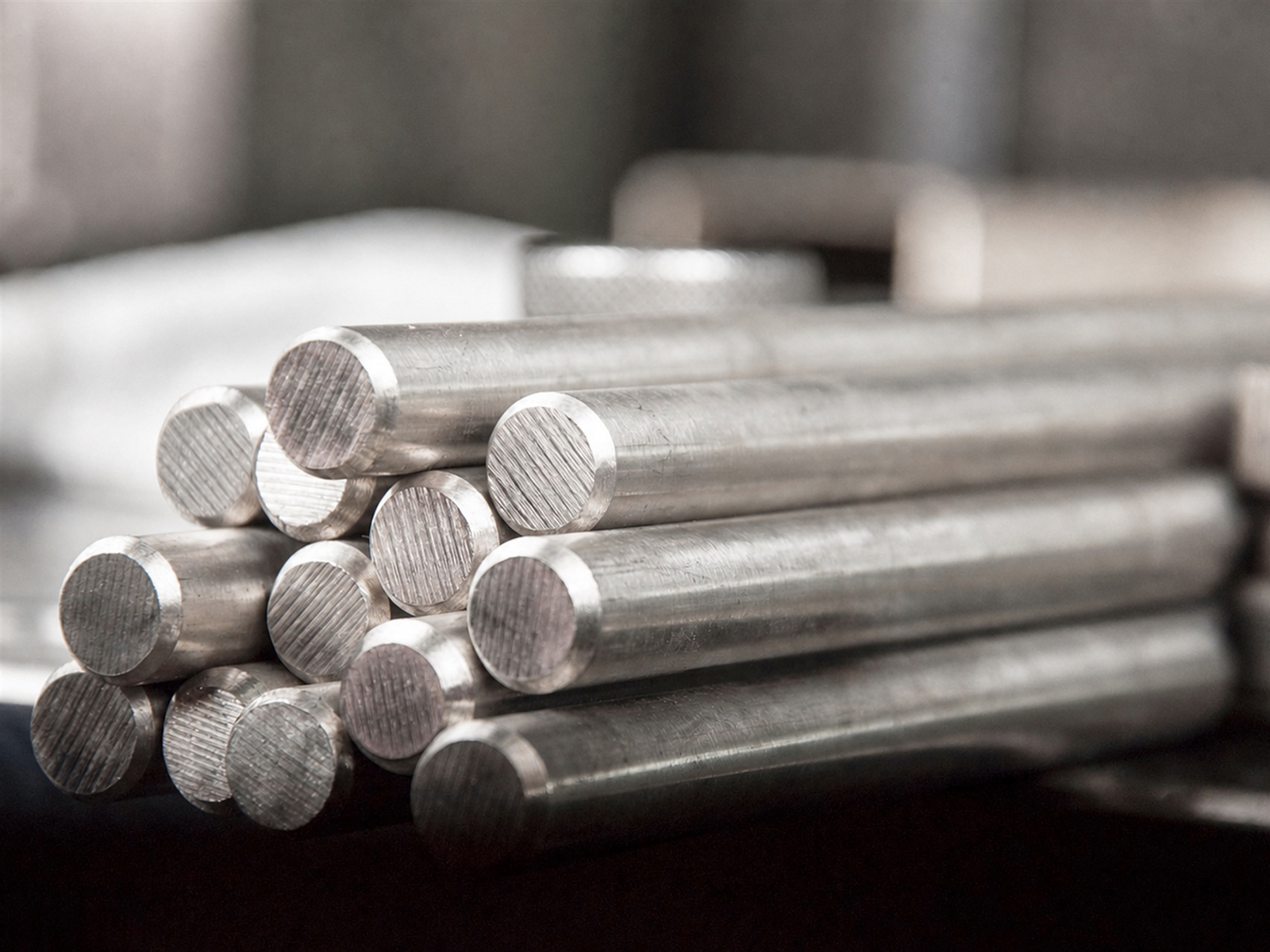
Nickel 201 foil, as a low-carbon, high-purity nickel material, occupies a unique position among many nickel alloys. Compared with nickel 200, the carbon content of nickel 201 is controlled below 0.02%. This improvement significantly improves its structural stability and resistance to graphitization in high temperature environments. Compared with nickel-based high-temperature alloys such as the Inconel series, Nickel 201 retains the excellent electrical and thermal conductivity of pure nickel, and at the same time has excellent alkali corrosion resistance in environments below 600℃ in reducing or neutral atmospheres. Compared with Hastelloy, Nickel 201 is more stable in strong alkaline media and has better processing performance. Through precision cold rolling and strict annealing processes, this material can achieve stable mass production of ultra-thin specifications of 0.03-0.8mm and a maximum width of 670mm, meeting the needs of high-end applications such as new energy batteries, electronic shielding and chemical electrolysis.
1. What Are the Material Properties and Composition Advantages of Nickel 201 Foil?
(1) What Should You Know About Breakthrough in High-temperature Stability Brought About by Low-carbon Design?
The core advantage of Nickel 201 foil stems from its strict low-carbon control. The carbon content is limited to 0.02%, which is much lower than the 0.15% standard of Nickel 200. This design effectively inhibits the diffusion and precipitation of carbon atoms in high temperature environments and avoids grain boundary graphitization. When used for a long time above 316℃, nickel 200 is prone to intergranular embrittlement due to carbon precipitation, while nickel 201 can maintain stable mechanical properties and organizational structure below 600℃ in a reducing or neutral atmosphere (it is recommended not to exceed 400℃ in an oxidizing atmosphere). This characteristic makes it irreplaceable in chemical heating equipment, vacuum furnace components and high-temperature electrolysis systems.
(2) What Are the Electrical and Thermal Conductivity Properties of High-purity Nickel Matrix?
The nickel content of Nickel 201 remains above 99.0%, and this high-purity matrix ensures excellent electrical and thermal conductivity. Compared with nickel-based alloys with added alloying elements such as chromium, iron, and molybdenum, the electrical conductivity of pure nickel can reach 20-25% of copper, which is much higher than stainless steel and most nickel alloys. In battery tab, electromagnetic shielding and precision electrode applications, this conductive property directly affects system efficiency and energy loss. High thermal conductivity enables nickel 201 foil to quickly and evenly transfer heat in heat exchangers and heating elements, improving equipment response speed.
(3) What Are the Performance of Corrosion Resistance in Strong Alkali Environment?
Nickel 201 exhibits excellent corrosion resistance in strongly alkaline media, especially in caustic alkali solutions such as sodium hydroxide and potassium hydroxide. The dense oxide film formed on the surface of pure nickel can effectively isolate the corrosive medium, and the corrosion rate is usually less than 0.1mm/year. Compared with Hastelloy C-276, Nickel 201 is more cost-effective in alkaline environments and does not have the problem of selective corrosion of elements such as molybdenum and tungsten under specific conditions. However, it should be noted that in high-temperature and high-concentration alkali solutions (such as 70% NaOH, 150℃) corrosion will intensify, and there is a risk of caustic embrittlement. It is recommended that the actual concentration does not exceed 60% and the temperature does not exceed 120℃. This property makes it the material of choice for the chlor-alkali industry, electroplating baths and alkaline fuel cells.
2. What Are the Comparative Analysis of the Properties of Nickel 201 and Mainstream Nickel Alloys?
(1) What Are the Key Differences Between Nickel 201 and Nickel 200?
Both Nickel 201 and Nickel 200 are commercially pure nickel, but the difference in carbon content determines the application boundaries. Nickel 200 contains 0.15% carbon and is suitable for use below 315℃. Above this temperature, carbon will precipitate and cause intergranular corrosion. Nickel 201 increases the safe use temperature (reducing/neutral atmosphere) to 600℃ by reducing carbon to 0.02%. In battery manufacturing, the low-carbon characteristics of nickel 201 avoid the sensitive reaction of electrolyte decomposition products to carbon and improve the battery cycle life. The tensile strength of annealed nickel 201 is 350-420MPa, and the elongation is ≥25%, which is similar to nickel 200, but its high-temperature creep performance is better.
Performance indicators | Nickel 201 | Nickel 200 | Key differences |
Carbon content | ≤0.02% | ≤0.15% | Nickel 201 carbon content reduced by 87% |
Maximum operating temperature (reducing/neutral atmosphere) | 600℃ | 315℃ | Nickel 201’s high temperature capability nearly doubled |
Resistance to graphitization | Excellent | generally | Nickel 201 avoids high temperature embrittlement |
conductivity | Excellent | Excellent | Basically equivalent |
Strong alkali corrosiveness | Excellent | Excellent | Basically equivalent |
price level | slightly higher | standard | Nickel 201 premium 5-8% |
(2) What Are the the Difference in Positioning Between Nickel 201 and Nickel-based High-temperature Alloys?
Nickel-based high-temperature alloys such as Inconel 600 and Inconel 625 have achieved higher strength and oxidation resistance by adding elements such as chromium, iron, and molybdenum, and can work in environments above 1000℃. However, alloying sacrifices electrical conductivity, and the electrical conductivity is usually only 1/5 of pure nickel. Nickel 201 is positioned in scenarios where conductivity and corrosion resistance need to be considered below 600℃, such as electrolytic cell anodes, conductive heating elements and battery connection structures. The tensile strength of cold-worked nickel 201 can reach 500-600MPa. Although lower than high-temperature alloys, it meets most precision forming needs and the cost is only 40-60% of high-temperature alloys.
(3) How Is Division of Application Scenarios Between Nickel 201 and Hastelloy?
Hastelloy B-2 and C-276 are known for their excellent acid corrosion resistance, especially in strong acid environments such as hydrochloric acid and sulfuric acid. However, in strongly alkaline media, pure nickel-based materials have more advantages. Nickel 201 can still work stably at a sodium hydroxide concentration of 60% and a temperature of 120℃ (higher concentrations and temperatures require careful evaluation), and there is no risk of pitting corrosion of the molybdenum element in Hastelloy in an alkaline oxidizing environment. In terms of processing performance, nickel 201 has better plasticity and weldability than Hastelloy with a high molybdenum content, and is more suitable for ultra-thin foil rolling and precision stamping. In terms of price, Nickel 201 is 30-40% lower than Hastelloy C-276, and has obvious cost advantages in alkaline working conditions.
3. What Should You Know About Precision Manufacturing Process Characteristics of Nickel 201 Foil?
(1) What Are the Multi-pass Cold Rolling to Achieve Ultra-thin Specification Control?
Nickel 201 foil needs to go through more than ten passes of cold rolling from high-purity nickel ingot to finished product. Using a 20-roll precision rolling mill, stable rolling in the thickness range of 0.03-0.8mm is achieved through precise reduction rate and tension control. Customized products with ultra-thin specifications such as 0.005-0.01mm require extremely high equipment accuracy and process parameters. In terms of thickness tolerance, the thickness of 0.03-0.1mm can be controlled at +/-0.001mm, and the thickness tolerance of 0.1-0.8mm is +/-0.003mm. Real-time monitoring of rolling force, speed and temperature changes is required. The rolling of ultra-wide foils with a width of up to 670mm overcomes defects such as edge thinning and plate wavy, which is a level that is difficult to achieve with traditional four-high rolling mills.
(2) What Should You Know About Protective Atmosphere Annealing Ensures Structural Uniformity?
The cold-worked nickel 201 foil needs to be annealed to restore its plasticity. The continuous annealing furnace is protected by argon gas with a purity of 99.999% to avoid oxidation and carburization. The annealing temperature is controlled within the range of +/-2℃ to ensure that the recrystallization process proceeds evenly. If the temperature is too high, the grains will become coarse and the strength will be reduced; if the temperature is too low, work hardening cannot be completely eliminated. Vacuum annealing can further improve material purity and is particularly suitable for electronic-grade applications. After annealing, nickel 201 has a silvery white luster, no oxidation color difference on the surface, and the grain size is controlled at level 4-6, which not only ensures ductility but also maintains necessary strength.
(3) What Should You Know About Surface Treatment Technology Meets Diverse Needs?
Ultrasonic cleaning combined with alkaline solution treatment removes oil stains and oxides remaining in the rolling process. The surface dyne value stabilized at 44, which is a key indicator for evaluating surface activity and subsequent coating adhesion. Bright surface treatment is through fine grinding and polishing, and the surface roughness Ra can be as low as 0.2um, which is used in situations where appearance and reflectivity are required. The matte surface treatment retains moderate roughness and improves welding and bonding strength. Chemical passivation forms a nanoscale dense oxide layer on the surface to enhance corrosion resistance. These surface states can be flexibly customized according to customer applications to meet different needs for batteries, shields, electrodes, etc.
Processing steps | Technical parameters | quality target |
cold rolled | 20-roll mill/reduction rate 15-30% | Thickness tolerance: 0.03-0.1mm +/-0.001mm; 0.1-0.8mm +/-0.003mm |
annealing | Argon protection/temperature +/-2℃ | Grain size 4-6/elongation ≥25% |
Clean | Ultrasound + alkali cleaning | Dyne value 44/no oil residue |
Cut | High-precision tool/tension control | No burrs on edges/width tolerance +/-0.5mm |
4. How Is the Application Value of Nickel 201 Foil in Key Industries?
(1) What Should You Know About Connections and Conductive Components in the New Energy Battery Field?
Nickel 201 foil is used as tabs, busbars and connectors in lithium batteries and fuel cells. The 0.05-0.1mm thickness specification not only ensures the conductive cross-sectional area, but also achieves lightweight design. The low-carbon feature avoids side reactions caused by carbon pollution when the electrolyte decomposes at high temperatures, improving battery cycle stability. Compared with copper, nickel 201 is more resistant to corrosion by alkaline electrolytes and is particularly suitable for alkaline fuel cells. Ultrasonic welding and laser welding have excellent performance, and the solder joint resistance is less than 5mΩ, ensuring energy efficiency during large current transmission. Wide foil can reduce the number of splicings, reduce contact resistance and production costs.
(2) What Should You Know About Shielding and Precision Electrodes for the Electronic Communications Industry?
Electromagnetic interference shielding requires materials with high conductivity and good formability. The ultra-thin specifications of nickel 201 foil with thickness of 0.03-0.05mm can be made into flexible shielding covers to fit complex structures. Compared with aluminum foil, nickel has a slightly higher magnetic permeability and has a better shielding effect on low-frequency magnetic fields. In precision electrode applications, the chemical inertness of nickel 201 avoids dissolution contamination of the electrode and extends the life of sensors and analytical instruments. The radio frequency module heat sink of the 5G communication base station uses the thermal conductivity and oxidation resistance of nickel 201 to maintain stable performance in high temperature and high frequency environments. After the surface is plated with gold or platinum, it can be used as the base material of high-end connectors.
(3) What Should You Know About Corrosion-resistant Electrode Systems for the Chemical Electrolysis Industry?
Anode materials for chlor-alkali industrial electrolyzers need to withstand the double test of high-concentration alkali liquid and oxygen evolution. The mesh or plate anode made of nickel 201 foil is resistant to long-term immersion in 30% sodium hydroxide solution at 90℃, and the corrosion rate is less than 0.05mm/year. Insoluble anodes in the electroplating industry use nickel 201 as the base and the surface is coated with platinum or iridium oxide, which not only reduces the amount of precious metals, but also provides excellent conductive support. In water electrolysis hydrogen production equipment, the low overpotential and stability of nickel 201 improve the hydrogen production rate and energy conversion efficiency. Compared with titanium-based materials, nickel 201 is approximately 6 times more conductive, reducing electrical energy loss.
(4) What Should You Know About Heating and Vacuum Components in High-temperature Equipment?
Nickel 201 has a melting point of 1455℃ and good oxidation resistance, making it suitable for manufacturing medium and low temperature heating elements. 0.1-0.3mm thick foil can be stamped into various shapes of heating sheets for use in semiconductor process equipment, laboratory heating tables and household appliances. In vacuum furnaces and heat treatment equipment, nickel 201’s low volatility and resistance to carburization avoid vacuum reduction and workpiece contamination. Compared with stainless steel, nickel 201 has higher stability in reducing atmospheres and will not cause performance degradation due to chromium volatilization. Thermocouple protection sleeves, vacuum sealing gaskets and other components use the ductility of nickel 201 to achieve complex shape processing while ensuring air tightness and durability.
5. What Should You Know About Technical Barriers and Quality Assurance of Nickel 201 Foil?
(1) What Should You Know About Overcoming Technological Difficulties in Ultra-thin Wide-width Rolling?
Low-carbon nickel materials are prone to edge cracks, thickness fluctuations and surface scratches during the cold rolling process. By optimizing the roll material and surface roughness and establishing an accurate mathematical model of rolling force, stable production of 0.03mm ultra-thin specifications was achieved. Rolling of foil with a width of 670mm requires solving the problems of transverse thickness difference and shape control. The hydraulic automatic thickness control system (AGC) and the plate shape meter are used for real-time monitoring to control the transverse thickness difference within 0.003mm. Multi-stand tandem rolling with precise tension control avoids deviations and wrinkles. These technological breakthroughs have increased the yield rate of nickel 201 foil from 70% in traditional processes to more than 92%.
(2) What Should You Know About Improved Batch Stability and Testing System?
High-end applications require materials with minimal fluctuations in performance from batch to batch. From raw materials entering the factory to finished products leaving the warehouse, more than 30 quality control nodes have been established. The spectrum analyzer ensures that the chemical composition complies with the UNS N02201 standard, and the carbon and sulfur meter specifically detects that the carbon content is less than 0.02%. Tensile testing machines, hardness testers, and metallographic microscopes are used to comprehensively evaluate mechanical properties and organizational status. The surface quality is automatically detected using a machine vision system to identify defects such as pinholes and scratches. Each roll of foil comes with a material certificate containing data on chemical composition, mechanical properties, grain size and surface condition. The traceability system records the rolling parameters and annealing curves of each batch, and the cause of problems can be quickly located.
(3) What Should You Know About Customized Processing Capabilities to Meet Special Needs?
In addition to the standard 0.03-0.8mm thickness, 0.005mm ultra-thin foil and 1.0mm thick plate specifications can be customized. The width ranges from 50mm narrow tape to 670mm wide, and the cutting accuracy is +/-0.5mm. The length can be wound according to customer requirements, and the weight of a single roll can reach 500kg. Surface conditions include glossy, matt, sandblasting, passivation and other options. The heat treatment state is divided into annealed state (M) and cold working state (Y), corresponding to different strength and ductility requirements. It can perform deep processing such as laser marking, precision punching, and edge chamfering. The production line with an annual production capacity of 3, 000 tons supports flexible switching between small batch trial production and large-scale mass production, and the delivery cycle is compressed to 2-4 weeks.
quality control items | Detection method | Technical indicators |
chemical composition | Spectral analysis | Ni≥99.0% / C≤0.02% |
Mechanical properties | Tensile test | Tensile strength 350-420MPa / elongation ≥25% |
Thickness accuracy | Laser thickness measurement | 0.03-0.1mm +/-0.001mm; 0.1-0.8mm +/-0.003mm |
surface quality | machine vision | No scratches/pinholes/color difference |
Grain size | Metallographic testing | Level 4-6 |
cleanliness | Dyne pen test | Dyne value 44 |
6. What Should You Know About Nickel 201 Foil Selection Suggestions and Market Trends?
(1) How Is Specification Matching Principles for Different Application Scenarios?
For battery tab applications, the thickness of 0.05-0.1mm is recommended to ensure conductivity and lightweight. The width should be 200-400mm according to the cell size. The electromagnetic shielding cover adopts ultra-thin specifications of 0.03-0.05mm, which is easy to fit on complex curved surfaces. The annealed material has good ductility and is convenient for stamping forming. Chemical electrode systems require a thickness of 0.2-0.5mm to provide sufficient mechanical strength and corrosion resistance. The cold-processed material has high strength and is suitable for welding assembly. High-temperature heating elements use 0.1-0.3mm specifications, and the surface needs to be matte or passivated to improve oxidation resistance. The vacuum seal requires a thickness of 0.5-0.8mm to ensure rigidity, and the material needs to be ultra-low carbon to avoid outgassing in the vacuum environment.
(2) What Should You Know About Economic Comparative Analysis with Other Materials?
In a strong alkali corrosive environment, nickel 201 is 20-30% cheaper than titanium alloys, and its conductivity is about 6 times higher, making it suitable for electrochemical applications. Compared with Hastelloy C-276, Nickel 201 has a 30-40% lower cost under alkaline working conditions and better processing performance. Although the high-temperature alloy Inconel has higher temperature resistance, the application of nickel 201 below 600℃ is very cost-effective, and the price is only 40-60% of that. Although stainless steel 304/316L is cheap, its alkali resistance and electrical conductivity are far inferior to nickel 201. High-end applications must use pure nickel materials. Based on the comprehensive material cost, processing difficulty and service life, nickel 201 has the lowest life cycle cost under specific working conditions and has obvious economic advantages.
(3) What Should You Know About Industry Development Trends and Technology Evolution Direction?
The rapid development of new energy vehicles and energy storage systems has driven the demand for nickel foil for batteries to grow by more than 15% annually. With the rise of the hydrogen energy industry, the demand for nickel 201 electrode materials for hydrogen production through water electrolysis and fuel cells has surged. The trend of miniaturization of electronic products requires ultra-thin foil materials below 0.01mm, which poses higher challenges to rolling technology. Environmental protection regulations are becoming stricter and equipment in the chemical industry is being upgraded. Nickel 201 has become the mainstream choice instead of ordinary stainless steel. Technological evolution directions include: developing ultra-pure nickel materials with lower carbon content to further improve high-temperature performance; researching surface nano-treatment technology to enhance corrosion resistance and conductivity; promoting the construction of continuous and automated production lines to reduce manufacturing costs; establishing a digital quality traceability system to meet certification requirements in high-end fields such as aerospace and aerospace.
7. What Is the Conclusion?
Nickel 201 foil is designed with low carbon and high purity, while maintaining the excellent conductivity and alkali corrosion resistance of pure nickel, while achieving stable use in high-temperature environments below 600℃ in reducing or neutral atmospheres. Compared with nickel 200, high-temperature alloys and Hastelloy, nickel 201 has irreplaceable technical and economic advantages in specific application scenarios. Precision cold rolling and strict annealing processes ensure stable mass production of 0.03-0.8mm ultra-thin wide specifications to meet the diverse needs of new energy, electronics, chemical industry and high-temperature equipment.
FAQ
Q1: Can nickel 201 foil replace nickel 200 for normal temperature battery applications?
Can be replaced with better performance. The low-carbon characteristics of nickel 201 prevent carbon precipitation from contaminating the electrolyte during long-term use, improving the battery cycle life. Although the price is slightly higher by 5-8%, the overall life cycle cost is lower based on the service life and stability, making it especially suitable for high-end power batteries and energy storage systems.
Q2: What is the minimum custom width for 0.03mm ultra-thin nickel 201 foil?
The standard production width is 350-670mm, but narrow band specifications of 50-300mm can be customized according to needs. Ultra-thin foil slitting requires the use of high-precision tools and tension control systems. The edge quality and dimensional accuracy are comparable to wide-format products, making it suitable for small electronic devices and precision shielding applications.
Q3: How to evaluate the service life of nickel 201 foil in sodium hydroxide solution?
Service life depends on caustic concentration, temperature and mechanical stress. Under the environment of 30% sodium hydroxide and 90℃, the corrosion rate is about 0.05mm/year, and the theoretical life of 0.5mm thick foil exceeds 8 years. Actual applications need to consider factors such as erosion and stress corrosion. It is recommended to evaluate the life span under specific working conditions through immersion tests and electrochemical tests.
8. What Should You Know About Need High Quality Nickel 201 Foil?
Contact Baoji Titanium Valley Titanium Nickel Zirconium Material Processing Co., Ltd. – a professional nickel foil supplier and manufacturing factory to provide customized precision processing services. Email: sales@titaniumvalleys. com to obtain technical specifications and quotations.
References
- Liu Jianzhang. Application of nickel and nickel alloys in chemical equipment[J]. Chemical Equipment and Piping, 2015, 52(3): 1-5.
- China Nonferrous Metals Industry Association. GB/T 2054-2013 Nickel and Nickel Alloy Plates[S]. Beijing: China Standards Press, 2013.
- Wang Jianping, Zhang Wei, Li Gang. Research on the corrosion behavior of nickel 201 in sodium hydroxide solution [J]. Corrosion Science and Protection Technology, 2018, 30(4): 367-372.
- Baoti Group. Nickel 201 Alloy Technical Manual [Z]. Baoji: Baoti Group Co., Ltd., 2020.