
How Does Zirconium Wire Improve the Service Life of Industrial Equipment? In-depth Analysis of Corrosion Resistance?
- Zirconium wire
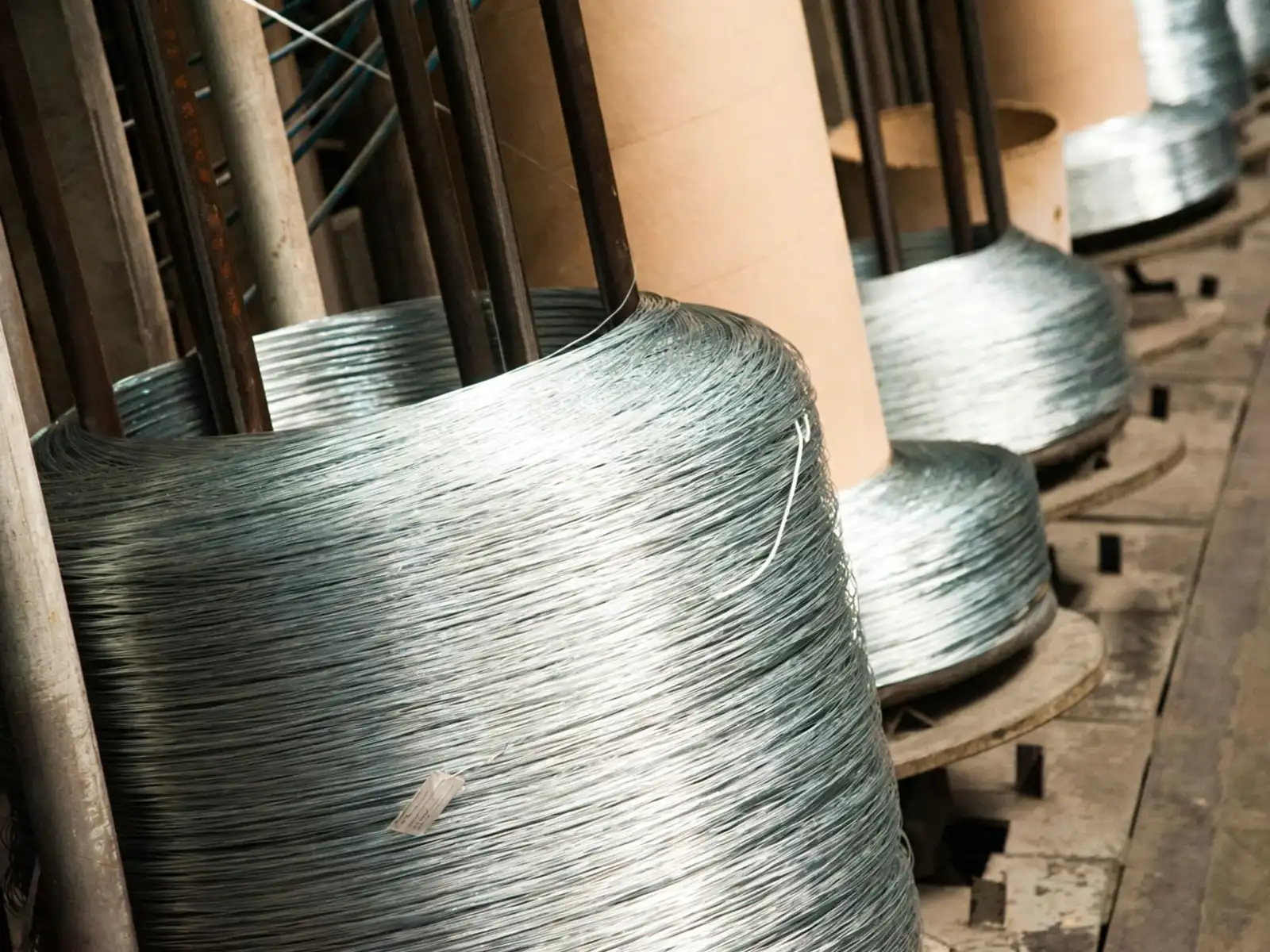
In highly corrosive industrial environments such as chemical industry, nuclear power, and marine engineering, premature equipment failure has always troubled engineers and procurement decision-makers. As a high-performance zirconium-niobium alloy material, UNS R60705 zirconium wire exhibits excellent corrosion resistance in extreme media such as strong acid, high chlorine, and high temperature through its unique microstructure and chemical composition design. This material can not only resist corrosive environments that ordinary stainless steel and pure titanium cannot withstand, but its 2.0-3.0% niobium element addition gives the material high strength properties, allowing the equipment to maintain structural stability under high stress conditions. By choosing R60705 zirconium alloy wire to replace traditional materials, companies can extend the service life of key components by 3-5 times and significantly reduce downtime maintenance costs. This is the ideal choice for modern industry to pursue high reliability and economic benefits.
1. Corrosion Resistance Mechanism of Zirconium Alloy Wire: Why Is R60705 Better Than Ordinary Materials?
(1) What Should You Know About Self-healing Properties of Passivation Film?
The surface of R60705 zirconium alloy can spontaneously form a dense zirconium oxide (ZrO₂) passivation film, which is only a few nanometers thick but has extremely high chemical stability. When this protective film is damaged by mechanical wear or chemical attack, the zirconium matrix will quickly react with oxygen to regenerate the protective layer. This “self-healing” ability allows the material to maintain long-term protection in a dynamic corrosive environment. In contrast, the chromium oxide film of stainless steel is easily damaged in a chloride ion environment and is difficult to effectively repair under many working conditions, leading to the rapid expansion of pitting and crevice corrosion (some super austenitic or duplex stainless steels can still be repaired under certain conditions, but the repair process is limited). This essential difference explains why zirconium alloys perform well in media such as hydrochloric acid and wet chlorine.
(2) What Should You Know About Strengthening Effect of Niobium Element?
The 2.0-3.0% niobium element added to the R60705 alloy is not a simple strengthening agent. It forms an alloy phase in the zirconium lattice, significantly improving the material’s yield strength and creep resistance. This makes the wire less likely to undergo plastic deformation when subjected to tensile stress, making it particularly suitable for manufacturing springs, fasteners and other parts that need to maintain geometric accuracy. The addition of niobium also refines the grain structure, improves the corrosion resistance of grain boundaries, and avoids intergranular corrosion that may occur in pure zirconium in some acidic media.
(3) What Should You Know About Adaptability in Multi-media Environments?
R60705 exhibits rare broad-spectrum corrosion resistance, capable of handling both oxidizing and reducing media. In oxidizing environments such as nitric acid and chromic acid, the passivation film remains stable; in reducing acids such as hydrochloric acid and phosphoric acid, the low electrode potential of zirconium makes it difficult for electrochemical dissolution to occur. When the temperature rises to the boiling point, this corrosion resistance advantage becomes more obvious – for example, in 98% sulfuric acid, the corrosion rate of 316 stainless steel exceeds 50mm/year, while that of R60705 is only less than 0.1mm/year, a gap of more than 500 times.
media type | 316 stainless steel corrosion rate | R60705 corrosion rate | Lifespan increase multiplier |
5% hydrochloric acid (boiling) | 1200mm/year | <0.05 mm/year | >20, 000 times |
10% sulfuric acid (100℃) | 8.5mm/year | 0.02mm/year | 425 times |
Wet chlorine gas (60℃) | Severe pitting corrosion | <0.01 mm/year | cannot be quantified |
30% acetic acid (boiling) | 0.8mm/year | <0.01 mm/year | 80 times |
2. What Should You Know About Performance Stability Under High Temperatures and Extreme Working Conditions?
(1) What Should You Know About High Temperature Oxidation and Tissue Stability?
R60705 zirconium alloy maintains excellent structural stability in long-term working environments below 350℃, and will not undergo phase transformation or abnormal grain growth. The elastic modulus of the material is about 95 GPa and it maintains good dimensional accuracy during temperature fluctuations, which is crucial for transmission wires and positioning elements in precision instruments. Compared with pure zirconium, the addition of niobium increases the recrystallization temperature, allowing the wire to maintain a work-hardened state after repeated thermal cycles, avoiding the problem of strength attenuation.
(2) What Should You Know About Stress Corrosion Cracking Resistance?
Many metal materials will undergo stress corrosion cracking (SCC) under the combined action of tensile stress and corrosive media, leading to sudden brittle fracture. R60705 is highly resistant to stress corrosion in common chloride environments due to its face-centered cubic crystal structure and low hydrogen absorption properties. U-shaped bending tests conducted in chloride solution showed that even if a stress close to the yield strength was applied, the zirconium alloy wire did not show any cracks during the 6-month test period, while austenitic stainless steel failed on average within 48 hours under the same conditions.
(3) What Should You Know About Thermal Fatigue and Cyclic Load Adaptability?
Chemical equipment experiences sudden temperature changes and alternating stress during start-up and shutdown, which requires materials with good fatigue resistance. The elongation of R60705 is usually greater than 20%, and its excellent plasticity allows the material to release stress concentration through microscopic plastic deformation and delay crack initiation. After appropriate cold drawing and annealing treatment, the wire can obtain a uniform and fine grain structure. Under the conditions of the rotating bending fatigue test (ASTM E466), the fatigue strength reaches more than 50% of the tensile strength. It is suitable for manufacturing dynamic parts such as valve stems and pump shafts that undergo reciprocating motion.
3. Why Is Lifespan Improvement Cases in Typical Industrial Application Scenarios Important?
(1) What Should You Know About Chemical Industry: Hydrochloric Acid Evaporator and Heat Exchange System?
The hydrochloric acid concentration device of a large chlor-alkali company originally used glass-lined steel pipes and tantalum materials, which were expensive and easily broken. After replacing the corrugated heat exchange tube with R60705 zirconium wire braid, it has been running continuously for more than 8 years under operating conditions of 18% concentration hydrochloric acid and 110℃ without leakage. Compared with the original plan, the annual maintenance cost has dropped by 70%. The natural immunity of zirconium alloy to chloride ions has completely solved the problem of pitting corrosion and perforation under certain working conditions, and the equipment shutdown and maintenance cycle has been extended from 3 months to 2 years.
(2) What Should You Know About Nuclear Power Field: Reactor Components and Control Components?
The nuclear industry has strict requirements on the neutron absorption cross-section of materials. The low-thermal neutron capture properties of zirconium alloys make it the first choice for nuclear fuel cladding and control rod drive lines. R60705 wire exhibits excellent corrosion resistance and dimensional stability in a 300℃ high-pressure water environment. The fuel assembly spring using this material in a nuclear power plant still maintains more than 90% elasticity after 5 refueling cycles, while stainless steel parts need to be replaced in 2 cycles under similar working conditions.
(3) What Should You Know About Desalination and Marine Engineering?
The high-pressure pump components of the reverse osmosis seawater desalination device have been exposed to high-salinity and high-flow seawater for a long time. Traditional titanium alloys still have local corrosion risks in the gaps. A desalination plant in the Middle East used sealing springs and fastening bolts made of R60705 zirconium wire, which showed no signs of corrosion after operating in seawater containing 35, 000 ppm chlorine for 6 years, and the equipment availability increased from 82% to 97%. The non-magnetic properties of zirconium alloy also avoid interference with surrounding electronic control systems.
Application scenarios | alternative materials | Service life comparison | Economic benefits |
Hydrochloric acid storage tank agitator | Hastelloy C-276 | 3 years vs 10 years+ | Initial investment payback period is 1.8 years |
Pharmaceutical reactor seals | PTFE+stainless steel | 6 months vs 5 years | Reduce downtime losses by 1.2 million yuan/year |
Hydrometallurgical extraction column | Titanium TA2 | 2 years vs 8 years | Whole life cycle cost reduced by 55% |
4. How Should Key Considerations in Material Selection and Performance Optimization?
(1) What Should You Know About Ingredient Control and Purity Requirements?
The performance of R60705 is highly dependent on the precise control of trace elements. The hafnium content needs to be limited to less than 4.5% to reduce neutron absorption. The iron content exceeding 0.20% will introduce the risk of galvanic corrosion. Vacuum melting technology can be used to control the oxygen content within 0.18%. Excessive oxygen will reduce plasticity and promote hydrogen embrittlement. The Danieli production line used by Titanium Valley uses precise induction heating at 1200℃ and inert atmosphere protection to ensure that the fluctuation of material composition in each batch is less than ± 0.05%. This consistency is the basis for stable batch supply.
(2) What Should You Know About Surface Condition and Dimensional Accuracy?
The surface quality of the wire directly affects the corrosion resistance and processing performance. The pickled surface removes the oxide scale and exposes the active zirconium matrix, which facilitates the rapid formation of a passivation film; the bright surface obtains a mirror effect through mechanical polishing, with a surface roughness Ra≤ 0.4um, reducing the risk of microbial adhesion and crevice corrosion. Precision wire with a diameter tolerance controlled within ± 0.01mm can be directly used for automated welding and spring winding, avoiding secondary processing losses.
(3) What Should You Know About Matching Heat Treatment Status and Mechanical Properties?
By adjusting the annealing temperature and holding time, a balance between strength and plasticity can be achieved. The tensile strength of cold-drawn wire can reach more than 600MPa, which is suitable for high-stress fasteners; the elongation of fully annealed wire exceeds 30%, making it easy to form complex shapes. For applications requiring elastic recovery, the semi-annealed state can combine 40% elongation and 450MPa yield strength. Users should choose the appropriate material state according to specific working conditions, and if necessary, ask the supplier to provide customized heat treatment.
5. Why Is Cost-benefit Analysis and Life Cycle Value Important?
(1) What Should You Know About Initial Investment Versus Maintenance Costs?
The purchase price of R60705 zirconium wire is about 8-12 times that of 316 stainless steel, but its extremely low corrosion rate greatly reduces the frequency of component replacement. A petrochemical company conducted a 10-year life cycle cost accounting for the heat exchanger tube bundle: the stainless steel solution required replacement 4 times (materials + labor approximately 480, 000 US dollars), while the zirconium alloy solution only required 1 replacement (280, 000 US dollars), with a comprehensive cost savings of 42%. If the production losses caused by downtime are considered, the economic advantages of zirconium materials are even more significant.
(2) What Should You Know About System Benefits Brought by Design Optimization?
High-strength zirconium alloy allows thinning of wall thickness or reducing the number of components. A certain pump manufacturer reduced the shaft diameter from 12mm to 8mm without losing strength (because the yield strength of R60705 is about 550MPa, which is 1.77 times that of 316 stainless steel, which is about 310MPa, and the required cross-sectional area is reduced by about 43% under the same load-bearing capacity). The weight of the entire machine is reduced by 35%, reducing bearing load and energy consumption. In space-constrained equipment, the high-performance density (strength/weight ratio) of zirconium wire enables a more compact structural design, indirectly improving system efficiency and reliability.
(3) What Should You Know About Environmental Compliance and Sustainability?
The non-toxicity and biocompatibility of zirconium alloys comply with increasingly stringent environmental regulations, especially in the pharmaceutical, food contact and drinking water treatment fields. The long life of materials reduces waste generation, and low maintenance requirements reduce the use of chemical cleaning agents. These hidden values have gradually become plus points in corporate ESG assessments. A European chemical group clearly included equipment life expectancy in the scoring system in its procurement documents, giving high-performance materials such as R60705 an additional competitive advantage.
cost item | Total cost in 5 years (10, 000 yuan) | Total cost in 10 years (10, 000 yuan) | Remark |
R60705 zirconium wire solution | Initial purchase 18 + maintenance 2 = 20 | Initial purchase 18 + replacement 15 + maintenance 4 = 37 | The replacement cycle is 8-10 years (assuming one replacement in the 8th year) |
316 stainless steel solution | Initial purchase 2 + replacement 4×2 + maintenance 8 = 18 | Initial purchase 2 + replacement 10×2 + maintenance 20 = 42 | Replacement cycle 2 years |
Titanium TA2 solution | Initial purchase 8 + replacement 8 + maintenance 5 = 21 | Initial purchase 8 + replacement 16 + maintenance 12 = 36 | Insufficient hydrochloric acid resistance |
The data is based on the actual operation records of a medium-sized chemical plant.
6. What Is the Conclusion?
Through the unique zirconium-niobium alloy system design, R60705 zirconium wire has established multiple technical barriers in terms of corrosion resistance, high temperature stability and mechanical strength, providing reliable material solutions for high-demand fields such as chemical industry, nuclear power, and ocean engineering. Its excellent performance can increase the service life of key equipment components several times, significantly reduce operation and maintenance costs and the risk of unexpected shutdowns, and demonstrate excellent economic benefits and environmental value throughout the entire life cycle.
FAQ
Q1: What is the essential difference in performance between R60705 zirconium wire and pure zirconium wire (R60702)?
R60705 is strengthened by adding 2.0-3.0% niobium element, and its tensile strength is more than 40% higher than that of pure zirconium, making it more suitable for high-stress conditions. In terms of corrosion resistance, the addition of niobium refines the grains and improves grain boundary stability, making the material perform better in organic acids and high-temperature acidic media.
Q2: What is the welding performance of zirconium alloy wire? Does it require special craftsmanship?
R60705 has good weldability and can be welded by argon arc welding (TIG) or resistance welding. The key is to maintain an inert gas shield to prevent oxygen contamination and the weld area to be annealed to eliminate residual stress. Using welding wire with matching composition ensures that the weld has consistent properties with the base metal, and the joint strength can reach more than 90% of the base metal.
Q3: How to Verify the Authenticity of R60705 Materials Provided by Suppliers?
Suppliers are required to provide a material certificate (3.1 certificate) that complies with ASTM B550 standards, including chemical composition spectral analysis and mechanical property test data. The key is to check whether the niobium content is within the range of 2.0-3.0%, and whether impurities such as iron and oxygen exceed the standard. When conditions permit, a third party can be entrusted to conduct composition re-inspection and corrosion simulation tests.
7. What Should You Know About Consult Titanium Valley Immediately to Get a Customized UNS R60705 Zirconium Wire Supply Solution?
As a professional high-performance zirconium alloy wire manufacturer, Baoji Titanium Nickel Zirconium Material Processing Co., Ltd. has an advanced Danieli continuous rolling line and a complete quality traceability system. We provide R60705 zirconium wire that meets ASTM B550 standards, support full specification customization with a diameter of 0.06-10mm, and have an annual production capacity of 5, 000 tons to ensure stable supply. Contact us for technical support and sample testing: sales@titaniumvalleys.com
References
- Chen Jianguo, Li Minghua. Research on the application and corrosion behavior of zirconium and zirconium alloys in chemical equipment [J]. Corrosion Science and Protection Technology, 2021, 33(4): 367-375.
- Zhang Wei, Wang Xiaodong. Preparation technology and performance optimization of nuclear-grade zirconium alloy materials[J]. Rare Metal Materials and Engineering, 2020, 49(8): 2785-2793.
- Wang Haitao, Liu Zhiyong. Research on the corrosion resistance of zirconium alloy in seawater environment [J]. Materials Protection, 2019, 52(6): 45-50.
- Li Qiang, Zhao Gang. Microstructure and mechanical properties of zirconium-niobium alloy [J]. Acta Metallurgica Sinica, 2022, 58(3): 412-420.