
How Should Guide to Safe Transportation of Gr12 Titanium Rods, Key Measures to Avoid Damage and Performance Degradation?
- Gr12 Titanium Rods
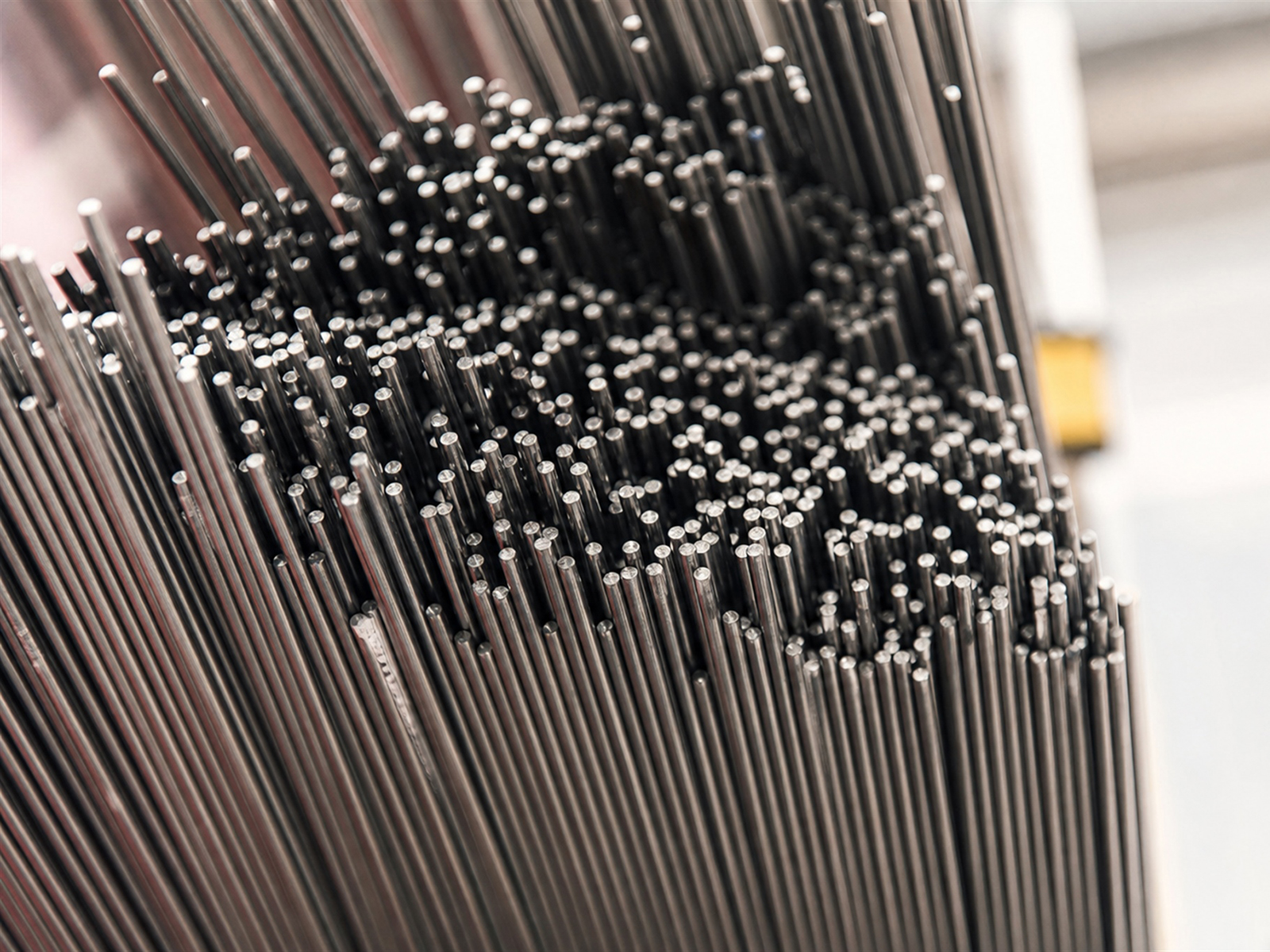
As a corrosion-resistant titanium alloy material containing molybdenum and nickel, Gr12 titanium rod can easily cause surface scratches, performance degradation and even structural damage due to improper handling during transportation. This type of damage not only affects subsequent processing accuracy, but may also cause batch returns and project delays. In order to ensure that materials maintain stable quality throughout the entire process from the factory to the user, a systematic protection system must be established from multiple dimensions such as packaging protection, loading and unloading specifications, environmental control, and transportation monitoring. The correct transportation plan can effectively avoid risks such as surface oxidation, mechanical impact, chemical pollution, etc., ensure that the original performance indicators of Ti-0.3Mo-0.8Ni alloy rods are not damaged, ensure that downstream companies can smoothly put them into use in chemical equipment manufacturing, seawater desalination systems or precision machining, and avoid safety hazards and economic losses caused by material problems.
1. What Should You Know About Systematic Preparation Before Transportation of Gr12 Titanium Rods?
The preparation before transportation directly determines the overall protection effect, and a closed-loop management needs to be formed from material inspection, packaging design to logistics plan formulation.
(1) What Should You Know About Quality Confirmation and Label Management Before Leaving the Factory?
Each batch of Gr12 titanium rods must complete mechanical property testing, chemical composition analysis and non-destructive testing before leaving the factory to ensure compliance with ASTM B348 standards. The surface needs to be cleaned of oil stains, oxide scale and other attachments, which can be removed by pickling or mechanical grinding, then treated with a neutral cleaning agent and stored dry. Each bar needs to be engraved or hung with a sign, marked with the material grade (UNS R53400), batch number, specification size and quality certificate number to facilitate full traceability.
(2) What Should You Know About Construction of Layered Protective Packaging System?
The inner layer is wrapped with moisture-proof film or wax paper to avoid slight oxidation caused by direct contact between the titanium rod and the air. The middle layer uses EPE pearl cotton or rubber pads to separate individual rods to prevent scratches caused by collisions during bumpy transportation. The outer layer is fixed with a wooden pallet or a customized steel frame, and the strapping straps need to be lined with soft gaskets to avoid pinch marks. For precision polished rods or ultra-long products, it is recommended to add hard corner guards and end reinforcement measures.
(3) What Should You Know About Proper Planning of Transportation Modes and Routes?
Choose road, rail or sea transportation according to the distance to the destination and timeliness requirements. Vans are preferred for short-distance transportation to reduce environmental exposure; dry containers and moisture-proof agents are required for long-distance ocean transportation. Route planning should avoid high temperature, high humidity and highly corrosive industrial areas to reduce the potential impact of environmental factors on materials. The transportation contract must clearly define the division of responsibilities and require the logistics party to provide freight insurance and temperature and humidity recording services.
Check items | Standard requirements | Consequences of failure |
Surface cleanliness | No oil stain, no scale | Leading to the expansion of surface defects in subsequent processing |
Packaging integrity | Multi-layered protection without damage | Mechanical damage during transportation |
Identification accuracy | Batch information is traceable | Mixing leads to performance controversy |
2. What Should You Know About Mechanical Damage Prevention and Control Technology During Loading and Unloading Operations?
The loading and unloading process is a high-risk stage where collisions and falls are most likely to occur during the entire transportation process. A protective barrier needs to be formed through equipment selection, operating specifications, and personnel training.
(1) Why Is Configuration and Use of Special Lifting Tools Important?
Titanium alloy rods have a low density (4.51g/cm³) but moderate hardness. It is prohibited to use wire ropes for direct binding. Soft nylon slings or special clamps should be used. The lifting point needs to be set at the center of gravity of the bar to avoid bending deformation caused by stress on one end. The lifting speed should be slow and steady, the height should not exceed the necessary range, and sudden braking or acceleration causing inertial impact is strictly prohibited.
(2) What Should You Know About Scientific Layout of Stack Storage?
Warehousing or transfer sites need to set up dedicated titanium material storage areas, with rubber mats or wooden boards laid on the ground for isolation. The stacking height should be controlled within a reasonable range (it is recommended not to exceed 1.5 meters), and products of different specifications should be managed in zones to avoid mixing. Cantilevered shelves or horizontal supports are required for long bars to prevent deflection deformation caused by self-weight. The storage environment should be kept dry and ventilated, and the relative humidity should be controlled below 60%.
(3) What Should You Know About Professional Training System for Operators?
Loading and unloading workers need to receive training on the characteristics of titanium alloy materials to understand its physical characteristics of being intolerant of bumps and easy to scratch. Establish standardized operating procedures and clearly prohibit throwing, dragging, prying and other barbaric operations. We are equipped with protective gloves, soft-soled shoes and other labor protection supplies, conduct regular safety drills and assessments, and incorporate material damage rates into performance evaluation indicators.
3. What Should You Know About Environmental Control and Real-time Monitoring During Transportation?
Temperature fluctuations, humidity changes and chemical contamination during transportation may cause the performance of titanium rods to deteriorate, and risk early warning needs to be achieved through environmental control and dynamic monitoring.
(1) What Should You Know About Key Parameters for Temperature and Humidity Management?
Gr12 titanium rods have stable performance at room temperature, but long-term exposure to high temperature environments (risks exceeding 50℃, and accelerated oxidation above 80℃) may accelerate surface oxidation. The internal temperature of the transport carriage or container should be controlled within the range of -10℃ to 50℃ to avoid extreme climate effects. Humidity management is particularly critical. The combination of moisture in the air and chloride ions may induce local corrosion. It is recommended to place silica gel desiccant or activated alumina in a closed space to maintain the relative humidity below 50%.
(2) What Should You Know About Isolation Measures for Chemical Pollution Sources?
Titanium alloy is sensitive to corrosive media such as chloride and sulfide, and it is strictly prohibited to mix it with acid and alkali chemicals and sea salt cargo during transportation. If other metal materials need to be transported in the same vehicle, partitions should be used to separate them and protective covers should be installed. Shipping containers need to be inspected in advance for traces of residual chemicals and cleaned and disinfected if necessary before loading titanium rods.
(3) Why Is Application Practice of Intelligent Monitoring System Important?
Modern logistics can use IoT technology to achieve full tracking. Temperature and humidity sensors and GPS positioning equipment are installed on cargo pallets, and the data is uploaded to the cloud platform in real time. When environmental parameters exceed preset thresholds, an alarm is automatically triggered, and logistics managers can coordinate and adjust transportation plans remotely. After transportation, a complete environmental curve report is generated to provide an objective basis for quality acceptance.
environmental factors | safety range | Risk of exceeding the standard |
temperature | -10℃~50℃ | Accelerated surface oxidation |
relative humidity | ≤ 60% | Chloride ion corrosion risk |
Chloride ion concentration | <10 ppm | Crevice corrosion initiation |
4. What Should You Know About Standardized Process for Arrival Acceptance and Exception Handling?
Arrival acceptance is the last line of defense in the transportation process. Through systematic inspection, potential problems can be discovered in time and responsibilities can be traced to prevent defective materials from flowing into the production line.
(1) What Should You Know About Appearance and Packaging Integrity Inspection?
When receiving the goods, first check whether the waybill information is consistent with the physical identification, and check whether the outer packaging is damaged, damp or contaminated. After removing the outer packaging, check the surface of the titanium rods one by one, focusing on whether there are scratches, indentations or bump deformations at the ends, middle sections and lifting positions. Use vernier calipers to randomly check dimensional parameters such as diameter and roundness deviation. The deviation should be controlled within the standard tolerance range.
(2) What Should You Know About a Quick Screening Method for Performance Indicators?
For key batches or high-value orders, it is recommended to conduct hardness sampling and spectral component analysis to verify whether the molybdenum (0.20%-0.40%) and nickel (0.60%-0.90%) content meets the technical requirements. Surface roughness can be measured with a portable roughness meter, and the Ra value of the polishing rod should be ≤ 0.8um. If abnormal indicators are found, the sample should be sealed immediately and the supplier should be notified, and the quality dispute handling procedure should be initiated.
(3) What Should You Know About Graded Response Mechanism for Abnormal Situations?
Unsatisfactory inspection conditions are divided into three levels: minor defects, obvious defects and serious damage. If slight surface scratches can be repaired by polishing, we will accept the goods at a reduced price through negotiation; if there is obvious bending deformation or excessive size, the supplier will be required to replace the same batch of qualified products; if there is serious structural damage such as rust, cracks, etc., the goods will be returned directly and the transportation responsibility will be held. All abnormal records must be archived and saved as a basis for subsequent supplier evaluation and logistics provider selection.
Defect type | Judgment criteria | Processing method |
Surface scratches | Depth <0.1mm and length <50mm | Negotiate trade-in or repair |
Dimensional deviation | Out of tolerance ± 0.5mm | Request an exchange |
corrosion pitting | Rust spots visible on the surface | Full batch return |
5. What Should You Know About Continuous Quality Improvement Strategies in Long-term Transportation Cooperation?
Establishing a stable transportation quality system requires both supply and demand parties and logistics service providers to form a collaborative mechanism, and through data accumulation and process optimization, the damage rate can be reduced year by year.
How Should Supplier Joint Audit and Qualification Certification?
Purchasers should regularly conduct on-site audits of Gr12 titanium rod suppliers to evaluate their packaging workshops, warehousing conditions and logistics management capabilities. Require suppliers to provide quality management system certification (such as ISO 9001) and material test reports (MTC), and clarify packaging standards and transportation responsibility terms. Establish a list of qualified suppliers and give priority to manufacturers with professional experience in titanium material transportation.
(2) What Should You Know About Performance Appraisal System for Logistics Service Providers?
Develop transportation quality KPI indicators, including on-time delivery rate, cargo damage rate, packaging integrity rate and other dimensions, conduct statistical analysis on a quarterly basis and link it to logistics costs. For carriers that repeatedly experience rough loading and unloading or environmental control failures, we will promptly adjust our cooperation strategies. Encourage logistics companies to invest in special transportation equipment (such as constant-temperature vehicles and air-cushion vehicles) and provide preferential policies for long-term cooperation.
(3) What Should You Know About Data-driven Risk Prediction Model?
Collect transportation data over the years, analyze the damage probability distribution under different seasons, routes, and packaging methods, and establish a risk prediction model. Increase protective measures during rainy seasons or high temperature periods, and strengthen moisture-proof treatments for long-distance shipping routes. Use big data technology to identify high-risk links, formulate emergency plans in advance, and transform passive responses into proactive prevention.
6. What Is the Conclusion?
The safe transportation of Gr12 titanium rods is a systematic project, covering the entire process of factory preparation, loading and unloading operations, en route monitoring and arrival acceptance. Through scientific packaging design, standardized operation training, strict environmental control and standardized acceptance procedures, the risks of mechanical damage, chemical pollution and performance degradation can be effectively reduced. Continuously optimizing transportation plans and establishing a supply chain coordination mechanism are key paths to ensure stable quality of high-end titanium alloy materials and reduce overall costs.
FAQ
Q1: What are the most common types of damage during the transportation of Gr12 titanium rods?
The most common ones are surface scratches and bumps and indentations, mostly caused by improper selection of spreaders or stacking collisions during loading and unloading. The second is slight oxidation and discoloration in high-humidity environments, and bending deformation caused by weak fixation during long-distance transportation. These defects can be avoided through standardized packaging and operation.
Q2: How to judge whether the arriving titanium rods are chemically contaminated during transportation?
Observe whether there are any abnormal stains, rust spots or corrosion marks on the surface, and use pH test paper to detect the pH of the residual moisture. Chloride ion content testing can be carried out if conditions permit. If it exceeds 10 ppm, be wary of chloride contamination. In severe cases, a third-party laboratory can be entrusted to conduct comparative analysis of ingredients.
Q3: What should we pay special attention to when transporting Gr12 titanium rods in shipping containers?
A dry and clean container must be used, with sufficient desiccant placed inside and the vents sealed. Avoid mixing with salty goods and chemicals, and use soft padding when fixing to prevent collisions caused by waves. It is recommended to purchase freight insurance and require full temperature and humidity monitoring records.
What Should You Know About Contact Us?
Baoji Titanium Valley Titanium Nickel Zirconium Material Processing Co., Ltd. (Titanium Valley), as a professional Gr12 titanium rod manufacturer and supplier, provides full-process quality control and customized logistics solutions to ensure the safe delivery of materials. For technical consultation or bulk purchase, please contact: sales@titaniumvalleys.com.
References
- Li Minghua, Zhang Weiqiang. “Technical Specifications for Transportation and Storage of Titanium Alloy Materials”. Beijing: Metallurgical Industry Press, 2021.
- Chinese National Standard GB/T 2965-2007 “Titanium and Titanium Alloy Bars”. Beijing: China Standards Press, 2007.
- Wang Jianguo, Liu Xiaodong. “Research on surface quality control technology of Ti-0.3Mo-0.8Ni alloy rods”. “Rare Metal Materials and Engineering”, Volume 49, Issue 6, 2020, Pages 2134-2140.
- Zhao Ming, Chen Gang. “Quality control during transportation of titanium alloy materials”. “Logistics Technology”, Volume 37, Issue 5, 2018, Pages 56-60.