
In What Industries Are Gr12 Titanium Rods Commonly Used?
- Gr12 Titanium Rods
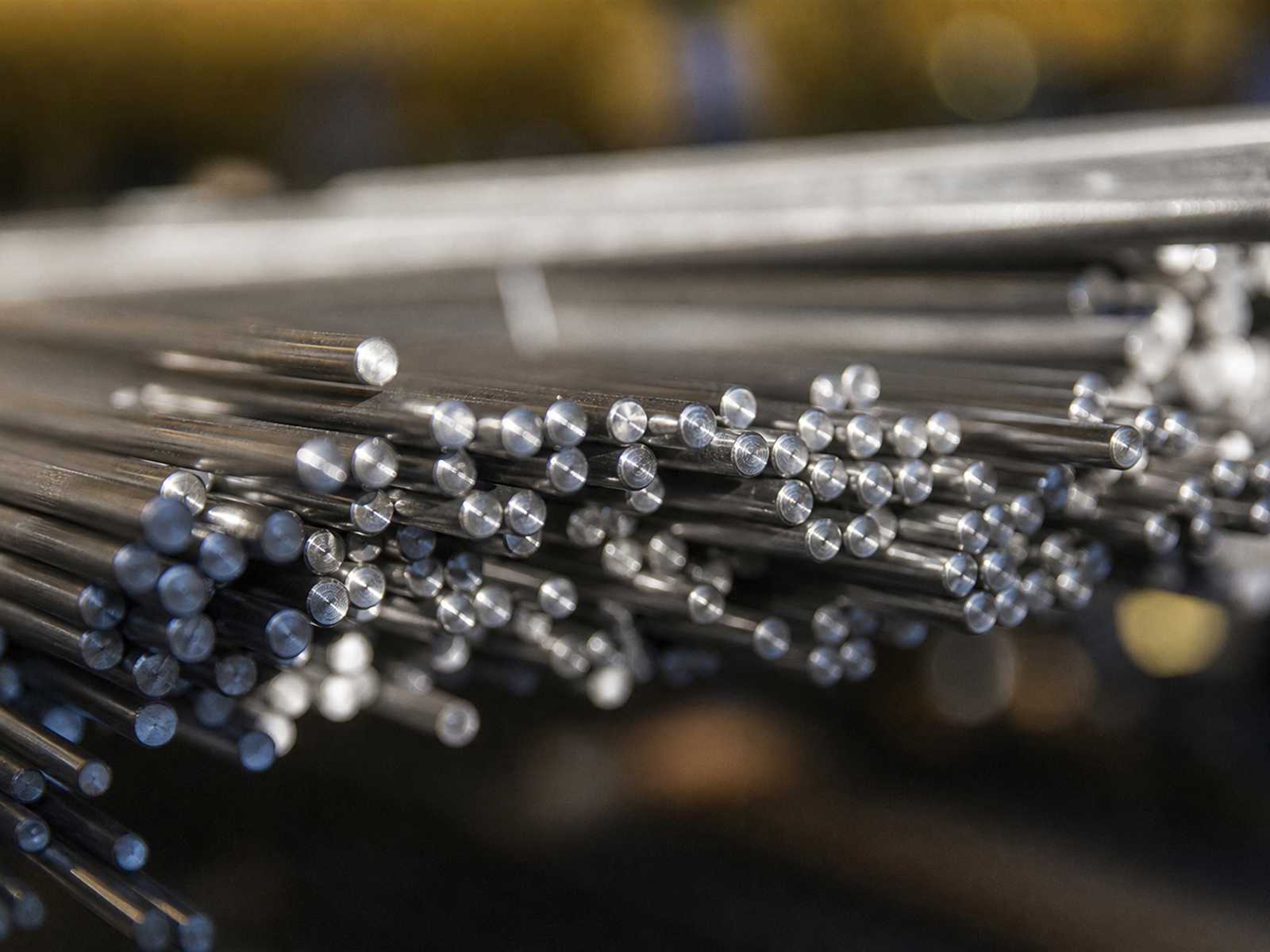
Gr12 titanium rod (Ti-0.3Mo-0.8Ni alloy) has become an indispensable key material in many industrial fields due to its excellent corrosion resistance. By adding trace amounts of molybdenum and nickel, this titanium alloy significantly enhances its resistance to pitting and crevice corrosion while maintaining the excellent properties of pure titanium. From chemical refining to marine engineering, from energy equipment to environmental protection facilities, Gr12 titanium rods widely serve application scenarios that require stringent material performance. Its stable performance in highly corrosive media, chloride environments and reducing acids makes it one of the ideal choices to replace stainless steel and other ordinary metals, providing a solid guarantee for long-term reliable operation of equipment.
1. Why Is Core Applications in Chemical and Petrochemical Industries Important?
(1) What Should You Know About Highly Corrosive Medium Equipment Manufacturing?
In the chemical production process, Gr12 titanium rods are widely used to manufacture key components of reactors, pressure vessels and stirring devices. In the face of highly corrosive media such as sulfuric acid and hydrochloric acid, this material shows resistance that ordinary metals cannot match. Its molybdenum-nickel alloy structure can form a stable protective layer in reducing acid environments and avoid production interruptions caused by corrosion and perforation of equipment. Especially under complex working conditions containing chloride ions, the material’s anti-local corrosion properties greatly extend the service life of the equipment and reduce downtime losses.
(2) What Should You Know About Heat Exchange System Construction?
Heat exchange equipment in chemical processes places dual requirements on materials for corrosion resistance and thermal conductivity. Tube bundles, tube sheets and other components made of Gr12 titanium rods can not only withstand long-term erosion by corrosive fluids, but also maintain good heat transfer efficiency. In typical scenarios such as the chlor-alkali industry and acetic acid production, this type of titanium alloy components effectively solves the problem of performance degradation of traditional materials under high-temperature corrosion conditions, ensuring that the heat exchange efficiency is stably maintained within the design specifications.
(3) What Should You Know About Pipeline System Construction?
Transportation pipelines in chemical plant areas often need to pass through a variety of media environments. Pipes and fittings processed from Gr12 titanium rods can adapt to changing working conditions from acidic to alkaline, from oxidizing to reducing. Its excellent weldability simplifies the on-site construction process of piping systems. Inert gas shielded welding technology can be used to achieve high-quality connections, but care must be taken to control heat input to avoid cold cracking. Ensure the sealing and safety of the entire transportation network. The application of this material in chemical industry parks significantly reduces the risk of leakage and subsequent maintenance costs.
Application scenarios | Typical parts | Key performance advantages | Comparison of alternative materials |
reaction vessel | Stirring shaft, heating coil | Resistant to pitting corrosion and chloride ions | Under similar working conditions, stainless steel is prone to perforation and failure. |
heat exchanger | Tube bundle, tube sheet | High temperature corrosion resistance, stable thermal conductivity | Copper alloys have shorter lifespans in chlorine-containing environments |
conveying pipeline | Pipes, flanges | Good welding performance and reliable long-term sealing | Plastic pipes have insufficient pressure resistance at high temperatures |
Marine Engineering and Desalination Systems
(4) What Should You Know About Seawater Environment Equipment Manufacturing?
The high concentration of chloride ions in seawater poses severe challenges to metal materials. Gr12 titanium rods have shown strong adaptability in such environments. Used for structural parts, fasteners and drive shafts of offshore platforms and ship equipment, this material can resist the continuous erosion of seawater and crevice corrosion caused by biological adhesion. Compared with pitting corrosion failure that is prone to occur in ordinary stainless steel in seawater, the stable performance of Gr12 titanium alloy ensures the long-term service of offshore engineering equipment under harsh conditions and reduces the frequency and difficulty of offshore maintenance operations.
(5) What Should You Know About Desalination Core Components?
Core units such as evaporators and condensers of seawater desalination devices need to handle large amounts of salt-containing fluids. Heat exchange pipes made of Gr12 titanium rods have become the preferred material for such systems. Its ability to resist crevice corrosion is particularly important in areas where stagnation areas are likely to form, such as pipeline interfaces and support structures, effectively preventing equipment failure caused by local corrosion. In the multi-stage flash evaporation or reverse osmosis process, the material’s temperature resistance and chloride corrosion resistance work together to ensure the continuous and efficient operation of the desalination system.
(6) Why Is Marine Structural Parts Application Important?
Structural parts such as offshore wind power facilities and underwater pipeline systems that have been immersed in seawater for a long time have strict requirements on the corrosion resistance and mechanical strength of the materials. The medium strength level of Gr12 titanium rod combined with good corrosion resistance makes it suitable for manufacturing fastening bolts, connectors and load-bearing brackets. The material’s stable performance in the tidal range and splash zone reduces the risk of structural loosening or failure due to corrosion, providing reliable support for the safety of offshore projects.
2. Why Is Key Applications in the Energy and Power Industry Important?
(1) What Should You Know About Nuclear Power Equipment Components?
The auxiliary systems of nuclear power plants, including cooling water circulation, waste liquid treatment and other links, require materials that are corrosion-resistant, radiation-resistant and weldable. The stability of Gr12 titanium rods in medium-temperature corrosive environments makes them a suitable option for manufacturing heat exchanger tube bundles and valve components. The material’s resistance to special media such as boric acid solution meets the strict standards for long-term reliable operation of nuclear power systems and reduces downtime and maintenance time during the equipment maintenance cycle.
(2) What Should You Know About Thermal Power Generation System?
The wet desulfurization device and flue gas treatment system of coal-fired power plants face the dual test of high-temperature flue gas and corrosive slurry. Spray pipes, demister supports, etc. made of Gr12 titanium rods can withstand the corrosion of chlorine-containing flue gas condensate while maintaining structural strength. Compared with carbon steel rubber-lined or fiberglass solutions, titanium alloy components have a longer service life, lower maintenance frequency, and the overall operation and maintenance cost is significantly reduced.
(3) What Should You Know About Geothermal and Ocean Energy Development?
Thermal fluid transportation pipelines of geothermal power generation systems, as well as core components of tidal energy and wave energy devices, are often exposed to high-temperature salt water or sulfide-containing geothermal fluids. Gr12 titanium rods have a certain ability to resist stress corrosion cracking, giving them potential application in these new energy development fields. The material’s stable performance under superimposed working conditions of varying loads and corrosive environments provides material guarantees for the long-term reliable operation of renewable energy equipment.
Energy type | Application equipment | Working condition characteristics | Material advantages |
nuclear power | Heat exchangers, valves | Medium temperature corrosion + irradiation environment | Long-term stability and long maintenance-free period |
thermal power | Desulfurization pipeline, mist eliminator | High temperature flue gas + acidic slurry | Resistant to high temperature corrosion and long life |
geothermal energy | Conveying pipelines and wellhead equipment | High temperature brine + sulfide | Resistant to stress corrosion and complex media |
3. What Should You Know About Environmental Protection and Water Treatment Facility Construction?
(1) What Should You Know About Wastewater Treatment Core Device?
Aeration devices, mixing machinery and sludge treatment equipment in industrial wastewater treatment systems are exposed to sewage containing a variety of chemical components for a long time. The aeration head, stirring blades and other components made of Gr12 titanium rods can resist the synergistic corrosion of sulfide, ammonia nitrogen and organic acids. The non-magnetic characteristics of the material also avoid the occurrence of electrochemical corrosion, and perform well in biochemical tanks, secondary sedimentation tanks and other units of sewage treatment plants, reducing the decrease in treatment efficiency caused by corrosion failure of equipment.
(2) What Should You Know About Flue Gas Denitrification and Desulfurization System?
The exhaust gas treatment devices of coal-fired power plants and industrial boilers need to operate for a long time in harsh environments such as moist flue gas and sulfuric acid mist. The nozzles, guide plates and support frames processed from Gr12 titanium rods have become ideal materials for wet desulfurization towers and denitrification reactors due to their excellent resistance to chloride ion corrosion. Compared with traditional carbon steel anti-corrosion coating solutions, titanium alloy parts do not require regular re-coating and maintenance, reducing equipment downtime and labor costs.
(3) What Should You Know About High Purity Water Preparation System?
Ultrapure water preparation devices in electronics, medicine and other industries place extremely high requirements on the cleanliness and anti-pollution properties of materials. The heat exchanger, filter housing and pipeline system made of Gr12 titanium rods will not precipitate metal ions into the water body and meet the water quality standards of high-purity water. The self-passivation characteristics of the material surface reduce the adhesion of microorganisms, simplify the cleaning and maintenance process of the system, and ensure the long-term stable operation of the water production equipment.
4. What Should You Know About Pharmaceutical and Food Processing Industry?
(1) What Should You Know About Key Components of Pharmaceutical Equipment?
Reactors, crystallization tanks and piping systems in the pharmaceutical production process require materials with both corrosion resistance and biocompatibility. The stirring shaft, heating coil and delivery pipeline made of Gr12 titanium rods can withstand the corrosion of organic solvents and acid and alkali reagents used in the pharmaceutical process without affecting the purity of the medicine. The material is easy to clean and disinfect and complies with the strict requirements of GMP specifications for pharmaceutical equipment, ensuring the safety and compliance of pharmaceutical production.
(2) What Should You Know About Food Processing Equipment?
Production lines for dairy products, juices and condiments have double standards for the hygiene level and corrosion resistance of equipment materials. Heat exchangers, homogenizer components and delivery pump shafts processed from Gr12 titanium rods can resist the erosion of organic acids such as lactic acid and citric acid in food processing. The surface of the material is smooth and does not easily harbor dirt and evil, which reduces the risk of bacterial growth and meets the high standards of equipment cleanliness and hygiene required by the food industry.
(3) What Should You Know About Biological Fermentation System?
Core equipment such as fermentation tanks and seed tanks for the production of biopharmaceuticals and enzyme preparations need to remain stable under the combined effects of an oxygen-containing environment and microbial metabolites. The tank stirrer, temperature probe sheath and other components made of Gr12 titanium rods will not produce metal ions due to corrosion to contaminate the fermentation liquid, ensuring the quality of biological products. The weldability of the material facilitates the construction of complex piping systems, enabling precise control of the fermentation process.
Industry areas | Typical equipment | Material requirements | Advantages of Gr12 titanium rod |
pharmaceutical | Reactor, pipeline | Resistant to organic solvents, easy to clean | Does not precipitate impurities and complies with GMP |
food | Heat exchangers, transfer pumps | Resistant to organic acids and high hygiene level | Smooth surface and good antibacterial properties |
biological fermentation | Fermentation tanks, mixers | Resistant to microbial metabolites and pollution-free | Does not release ions and has good welding performance |
5. What Should You Know About Aerospace and Precision Manufacturing?
(1) What Should You Know About Aero Engine Auxiliary System?
The fuel pipelines, hydraulic systems and environmental control units of aviation power plants have comprehensive requirements for material strength, corrosion resistance and lightweight. Pipe joints, valve bodies and fasteners processed from Gr12 titanium rods can withstand temperature fluctuations and pressure changes during flight and can resist the chemical erosion of aviation fuel and hydraulic oil. The medium strength level of the material meets the load requirements of the auxiliary system. It has a cost advantage compared to high-strength titanium alloys and is widely used in the civil aviation field.
(2) What Should You Know About Medical Device Manufacturing?
The core components of surgical implants, surgical instruments and medical testing equipment require materials with good biocompatibility and corrosion resistance. Instrument handles, endoscope sheaths and orthopedic instruments made of Gr12 titanium rods can withstand repeated high-temperature and high-pressure sterilization processes without irritating human tissues. The machinability of the material facilitates the manufacture of precision parts with complex shapes, meeting the stringent requirements for dimensional accuracy and surface quality of medical devices.
(3) What Should You Know About Precision Instrument Components?
Structural parts such as frames and guide rails for semiconductor manufacturing equipment, optical instruments and detection devices require materials that have both stability and anti-pollution properties. The low magnetic properties of Gr12 titanium rods avoid interference with precision measurements, and the material does not release particulate pollution in a clean room environment. In situations where corrosion resistance and dimensional stability are required, such as sample cells and flow path systems of chemical analysis instruments, this titanium alloy provides a reliable material solution to ensure the accuracy of long-term operation of the instrument.
6. What Is the Conclusion?
Gr12 titanium rod has established an important position in many fields such as chemical industry, marine, energy, environmental protection, medicine and precision manufacturing due to its unique alloy composition and good performance. The material’s anti-corrosion properties, reliable welding performance and stable mechanical properties provide an effective solution to deal with complex working conditions. As industrial technology upgrades and environmental protection requirements increase, the application scope of Gr12 titanium rods continues to expand, becoming an important material basis for promoting high-end equipment manufacturing and improving the performance of key equipment.
FAQ
Q1: What are the performance improvements of Gr12 titanium rod compared with pure titanium?
By adding 0.3% molybdenum and 0.8% nickel, Gr12 titanium rods have significantly enhanced resistance to pitting and crevice corrosion, especially in chloride and reducing acid environments. Its strength is higher than that of pure titanium, while maintaining good ductility and weldability. It is suitable for more severe corrosion conditions and pressure-bearing structures, and its overall performance is better than that of pure titanium grades such as TA1 and TA2.
Q2: What are the advantages of using Gr12 titanium rods in seawater desalination systems?
Seawater desalination equipment faces the dual challenges of high concentration of chloride ions and temperature fluctuations. The anti-crevice corrosion properties of Gr12 titanium rods can effectively prevent local corrosion in areas prone to stagnation such as pipeline interfaces and support structures. The material has stable performance in the high-temperature salt water environment of multi-stage flash evaporation or reverse osmosis processes, and the service life of the equipment can reach more than 20 years (specific data must refer to actual working conditions and design standards), significantly reducing maintenance costs.
Q3: Can Gr12 titanium rods be used to manufacture chemical reactors?
Gr12 titanium rods are very suitable for manufacturing reactor parts that come into contact with strong corrosive media such as sulfuric acid and hydrochloric acid, such as stirring shafts, heating coils and feed and inlet pipes. Its molybdenum-nickel alloy structure forms a stable protective layer in reducing acid solution to avoid equipment failure due to puncture. Good welding performance facilitates the construction of complex kettle structures and meets the safety and reliability requirements of chemical production.
7. What Should You Know About Get Customized Gr12 Titanium Rod Now?
As a professional manufacturer and supplier of Gr12 titanium rods (Ti-0.3Mo-0.8Ni), Baoji Titanium Valley Titanium Nickel and Zirconium Materials Processing Co., Ltd. is equipped with vacuum consumable arc melting furnaces, continuous forging production lines and precision rolling equipment, with an annual production capacity of 3, 500 tons, and can provide customized services for Φ6-200mm full-size rods. The products comply with ASTM B348 and AMS 4921 standards and can be delivered in annealed (M) and cold-worked (H) states. The surface supports lathe, grinding and polishing treatments and is widely used in chemical refining, seawater desalination, nuclear power equipment and environmental protection facilities. Welcome to send technical requirements to sales@titaniumvalleys.com to obtain sample testing and professional technical support.
References
- Zhao Yongqing, Qu Hennglei. Application and development of titanium alloys in marine engineering [J]. Progress in Titanium Industry, 2021, 38(3): 1-8.
- Li Miaoquan, Zhang Xiaoyong. Material selection and application of corrosion-resistant titanium alloys in chemical equipment [J]. Chemical Equipment Technology, 2020, 41(5): 45-52.
- Wang Kaixuan, Liu Jianrong. Research on the corrosion behavior of Gr12 titanium alloy in seawater desalination equipment [J]. Corrosion and Protection, 2022, 43(6): 23-29.
- Zhang Peijun, Zhou Wei. Current application status of titanium and titanium alloys in environmental protection equipment[J]. Materials Protection, 2019, 52(11): 67-73.