
The Difference Between Nickel 201 and Nickel 200: When Must You Choose the Low-carbon Version?
- Nickel 201 Foi
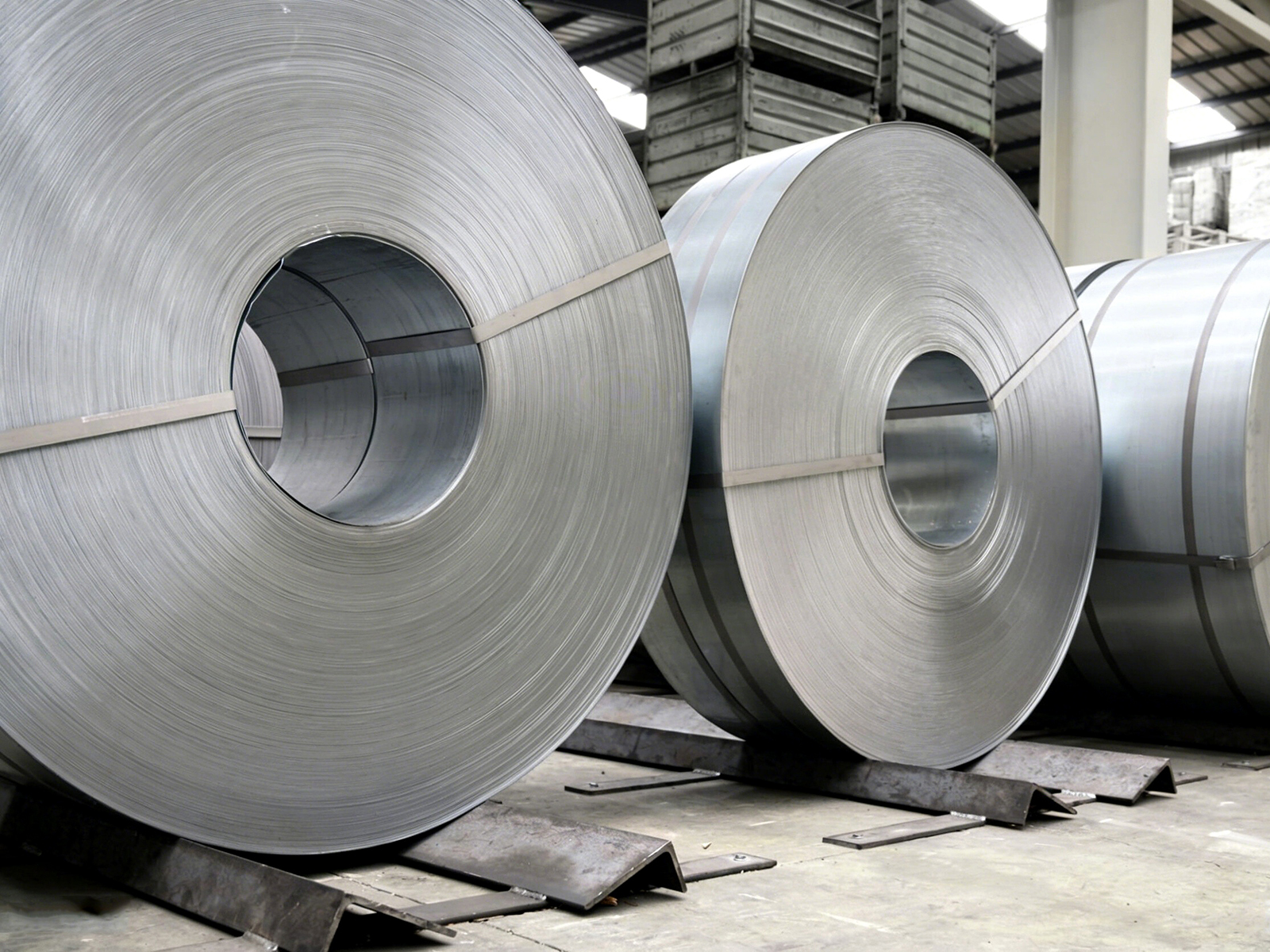
In high-temperature alkaline environments and precision electrochemical applications, material selection directly determines equipment life and system stability. Although Nickel 201 and Nickel 200 are both pure nickel materials, the slight difference in carbon content brings completely different high-temperature performance. Nickel 201 (C ≤ 0.02%) effectively avoids the graphitization embrittlement problem that occurs in Nickel 200 above 315℃ by strictly controlling the carbon content. When your application scenarios involve long-term operation at ≥315℃, strong alkaline electrolysis environment, high purity requirements or frequent thermal cycle conditions, the low-carbon version of Nickel 201 Foil becomes the must-choice material. This is not only related to equipment reliability, but also directly affects maintenance costs and production safety.
1. What Are the Material Composition Differences: Engineering Implications of 0.13% Carbon Content?
(1) What Are the Chemical Composition Comparison Reveals Essential Differences?
The performance of pure nickel materials is highly dependent on composition purity control. The carbon content of Nickel 200 is 0.15%, while Nickel 201 is strictly limited to less than 0.02%. This 0.13% carbon content difference may seem small, but it causes significant microstructural changes in high temperature environments. The existence form of carbon element in the nickel matrix directly affects the grain boundary stability and corrosion resistance.
(2) What Should You Know About Carbon Precipitation Mechanism and Temperature Threshold?
When the temperature exceeds 315℃, the carbon in Nickel 200 begins to precipitate at the grain boundaries to form graphitized regions. This carbon precipitation phenomenon leads to a sharp decrease in grain boundary strength and a tendency for the material to undergo brittle fracture. Due to its extremely low carbon content, Nickel 201 can effectively inhibit the graphitization process and maintain the integrity of grain boundaries even under long-term service conditions at 600℃.
(3) What Are the Effect of Nickel Purity on Electrical Conductivity?
Both materials contain ≥99.0% nickel, but Nickel 201 achieves a purer metal matrix by reducing the carbon content. This purity improvement not only enhances conductive stability but also improves the uniformity of electrochemical reactions. In battery tab and electrolytic electrode applications, this difference directly translates into lower contact resistance and longer service life.
Ingredient index | Nickel 200 | Nickel 201 | Engineering significance |
Carbon content (C) | ≤0.15% | ≤0.02% | Key parameters of anti-graphitization |
Nickel content (Ni) | ≥99.0% | ≥99.0% | Conductivity and purity guaranteed |
Iron content (Fe) | ≤0.40% | ≤0.40% | Affects magnetism and processability |
Sulfur content (S) | ≤0.01% | ≤0.01% | Thermal processing performance index |
2. What Are the High Temperature Performance: Engineering Selection for 315℃ Critical Temperature?
(1) What Should You Know About In-depth Analysis of Graphitization Embrittlement Phenomenon?
The failure modes of metallic materials in high-temperature environments often originate from microstructural evolution. When Nickel 200 is in service above 315℃, carbon atoms gradually diffuse toward the grain boundaries and precipitate carbide phases. These carbides form a continuous network at the grain boundaries, seriously weakening the grain boundary bonding force. The macroscopic manifestations include a decrease in material toughness and deterioration in impact resistance, which ultimately leads to cracks or even fractures in the equipment during thermal cycling.
(2) What Should You Know About Long-term Thermal Stability Experimental Data (example Data)?
In actual engineering applications, materials need to operate at target temperatures for thousands of hours or even years. Comparative tests show that after Nickel 200 was operated at 350℃ for 500 hours, the elongation dropped from the initial 40% to 18%, and the tensile strength attenuated by more than 25%. The elongation of Nickel 201 remains above 35% under the same conditions, and the strength attenuation is less than 10%. This difference is significant in chemical equipment and high-temperature electrolysis systems.
(3) What Should You Know About Material Response to Thermal Cycling Conditions?
Frequent heating and cooling cycles accelerate the material degradation process. During repeated thermal cycles of Nickel 200 at 200-400℃, the precipitation and redissolution of carbides causes the accumulation of grain boundary microcracks. Due to its extremely low carbon content, Nickel 201 effectively avoids this fatigue damage mechanism and is suitable for applications in heating equipment and vacuum system components that operate intermittently.
temperature range | Nickel 200 performance | Nickel 201 performance | Recommended choice |
≤260℃ | Stable performance | Stable performance | Either |
260-315℃ | Slight graphitization risk | completely stable | Ni201 is preferred |
315-600℃ | Significant embrittlement | long term stability | Must choose Ni201 |
>600℃ | Not recommended | Available short term | Need to evaluate working conditions |
3. How Is Typical Application Scenarios: Mandatory Selection Basis for Low-carbon Version?
(1) What Should You Know About Material Requirements for Strong Alkaline Electrolysis Systems?
In the chlor-alkali industry and water electrolysis hydrogen production equipment, the electrolyte temperature is usually 80-110℃, but the local electrode surface temperature can reach over 200℃. More importantly, a strong alkaline environment (30-50% NaOH) will accelerate the electrochemical corrosion of carbides. Nickel 201 Foil relies on its low carbon characteristics to avoid carbon precipitation from contaminating the electrolyte and ensures long-term stability of the electrode structure. After a chlor-alkali company used Nickel 201 electrodes, the maintenance cycle was extended from 18 months to 36 months (sample data).
(2) What Should You Know About New Energy Battery Connection System?
When a power battery pack is being charged quickly and discharged with high current, the temperature of the tabs and connecting pieces can instantly exceed 90℃, and the number of thermal cycles accumulated during the battery life cycle reaches thousands. The tabs made of Nickel 201 Foil exhibit excellent fatigue resistance and conductive stability. Its low carbon characteristics ensure that the welded joint will not undergo grain boundary weakening under repeated thermal stress, and the resistance growth rate is controlled within 5% (example data).
(3) What Should You Know About High Purity Chemical and Pharmaceutical Equipment?
Semiconductor grade chemical production and biopharmaceutical processes have strict limits (ppb level) on metal ion precipitation. Due to the extremely low carbon content of Nickel 201, the risk of carbide dissolution during pickling and high-temperature sterilization is greatly reduced. This material property makes it the first choice material for high-purity water systems, injection preparation tanks and CIP cleaning pipelines.
(4) What Should You Know About Vacuum Coating and Electron Beam Equipment?
High-temperature components in vacuum environments face unique challenges: carbides are more volatile at low pressures and can contaminate coated products or electron beam emission sources. Nickel 201 Foil can effectively avoid carbon contamination problems in the heating shields and electron gun components of vacuum coating machines. After a display panel factory adopted Ni201, the yield rate increased from 92% to 98% (example data).
4. What Are the Processing Performance and Cost Analysis: Full Life Cycle Value Assessment?
(1) What Are the Comparison of Cold Work Hardening Properties?
There are slight differences in the work hardening behavior of the two materials during cold rolling. Due to the higher carbon content of Nickel 200, the hardness increases faster after cold working and requires more frequent intermediate annealing. The low carbon characteristics of Nickel 201 give it better processing ductility. Especially in the rolling of ultra-thin specifications of 0.03-0.1mm, the incidence of edge cracks and surface defects is reduced by about 30% (based on process statistics). Titanium Valley uses a 20-roll precision rolling mill to achieve precise control of the Nickel 201 Foil thickness tolerance of +/-0.001mm.
(2) What Should You Know About Welding Process Suitability?
The welding heat-affected zone of low-carbon nickel materials is narrower and the tendency of grain growth is small. Nickel 201 shows better joint performance in TIG welding and resistance spot welding, and the tensile strength of the weld can reach more than 95% of the base metal (typical test data). For battery modules and chemical equipment that require a large amount of welding and assembly, this process advantage significantly reduces production difficulty and defective rates.
(3) What Should You Know About Initial Purchase and Maintenance Cost Balance?
The market price of Nickel 201 is usually 8-15% higher than Nickel 200, but the full life cycle cost in high temperature applications is lower. Comparative calculations by a chemical company show that after using Nickel 201, the equipment’s trouble-free operation time increased by 1.8 times, and the annual maintenance cost dropped by 42% (based on company case calculations). The increase in procurement costs can be recovered within 18 months through reduced downtime losses and spare parts consumption.
Assessment Dimensions | Nickel 200 | Nickel 201 | cost impact |
Material unit price | benchmark | +8-15% | initial investment increases |
Processing difficulty | medium | lower | Reduced processing costs |
Equipment life | benchmark | +60-120% | Replacement frequency halved |
Maintenance cycle | benchmark | +80-150% | Maintenance costs significantly reduced |
comprehensive cost | benchmark | -25-40% | Obvious advantages throughout the cycle (sample range) |
5. What Should You Know About Quality Control and Material Selection Advice: Key Elements of Project Decision-Making?
(1) What Should You Know About Material Certification and Standards Compliance?
The ASTM B162 standard clearly stipulates the chemical composition and mechanical property requirements of Nickel 201. When purchasing, suppliers must be required to provide third-party testing reports to confirm the actual measured value of carbon content instead of just marking “conforms to standards”. Each batch of Titanium Valley products undergoes spectral analysis, and the measured C content value is stable below 0.015%, and complete material certificates and mechanical property data are provided.
(2) What Are the Effect of Surface Treatment on Performance?
The surface condition of ultra-thin nickel foil directly affects subsequent processing and performance. After ultrasonic cleaning and alkaline degreasing treatment, the surface dyne value of Nickel 201 Foil is stable at 44 mN/m, ensuring good coating adhesion and welding wettability. Continuous argon protection annealing (temperature control +/-2℃) eliminates processing stress and makes the material elongation reach more than 25%.
(3) What Should You Know About Engineering Considerations for Sizing?
Thickness selection requires a balance between conductivity, mechanical strength and cost. The 0.05-0.1mm specification is suitable for battery tabs and flexible electrode applications, 0.1-0.3mm is suitable for structural conductive parts, and 0.3-0.8mm is used for load-bearing corrosion protection structures. In terms of width, the 670mm ultra-wide specification can reduce longitudinal welds and improve the manufacturing efficiency of large equipment. Titanium Valley’s precision slitting process ensures no burr deformation on the edges of ultra-thin materials.
(4) What Should You Know About Supply Chain Stability Assessment?
The stable supply capability of high-end nickel materials is related to the continuity of production. The scale of the production line with an annual production capacity of 3, 000 tons ensures the on-time delivery of large batch orders. The complete industrial chain layout – from vacuum melting of high-purity nickel ingots to multi-pass cold rolling and annealing – ensures the consistency of performance between batches, which is crucial for production-oriented enterprises that require regular purchases.
6. What Is the Conclusion?
The core difference between Nickel 201 and Nickel 200 is the decisive impact of carbon content on high temperature performance. When the application temperature is ≥315℃, there is a strong alkaline medium, a high-purity environment is required, or frequent thermal cycles are involved, the low-carbon version of Nickel 201 Foil becomes a must-have for the project. Although the initial purchase cost is slightly higher, the full life cycle cost advantage is significant by extending equipment life, reducing maintenance frequency and improving system reliability. Material selection requires a comprehensive evaluation of operating temperature, medium characteristics, performance requirements and economy to ensure the optimal balance between technical suitability and return on investment.
FAQ
Q1: In applications below 300℃, is it more economical to choose Nickel 200?
If the application temperature is stable below 260℃ (below the graphitization onset temperature) and there are no frequent thermal cycles, Nickel 200 can meet the performance requirements and reduce the initial cost. However, if the design life of the equipment exceeds 5 years or there is a risk of temperature fluctuation, the long-term reliability advantage of Nickel 201 is more obvious and the overall cost is better.
Q2: How does the thickness tolerance of Nickel 201 foil affect battery performance?
Battery tabs have extremely high requirements for thickness consistency. The precision tolerance of +/-0.001mm ensures the uniformity of the internal resistance of each cell and avoids local overheating and capacity attenuation. Thickness fluctuations of inferior foil can lead to 10-15% performance differences and safety hazards, so it is crucial to choose high-precision products.
Q3: How to verify that the supplier provides real Nickel 201 and not Nickel 200?
Suppliers are required to provide third-party spectral analysis reports, focusing on whether the measured carbon content value is ≤0.02%. A high-temperature aging test (350℃ × 100 hours) can be performed to check the elongation retention rate. Nickel 201 should maintain ≥85% while Nickel 200 usually drops below 60%. If necessary, entrust an independent laboratory to re-examine.
7. What Should You Know About Find a Reliable Nickel 201 Foil Manufacturer?
As a professional high-end rare metal processing supplier, Titanium Valley has an automated production line with an annual output of 3, 000 tons, providing precision Nickel 201 foil with a thickness of 0.03-0.8mm and a maximum width of 670mm. We have broken through 7 core technical problems such as ultra-thin rolling and structure control to ensure batch stability and compliance with global standards. Whether you need battery-grade, chemical-grade or electronic-grade customized processing, we can provide one-stop service from raw materials to finished products.
Contact us: sales@titaniumvalleys. com
References
- “Nickel and Nickel Alloy Materials Manual”, China Nonferrous Metals Industry Association, 2021
- Davis J. R. “Nickel, Cobalt, and Their Alloys” ASM International Handbook, 2020
- “Guidelines for Selection of Nickel-Based Materials in High-Temperature Corrosive Environments”, Chemical Equipment Technology Magazine, Issue 3, 2022
- “Research on the Application of Low-Carbon Nickel in Electrochemical Energy Systems”, Technical Papers of China Battery Industry Association, 2023