
Welding and Forming Challenges When Processing Ti-15V-3Al-3Cr-3Sn Titanium Foil: Which Technique Delivers the Best Results?
- Ti-15V-3Al-3Cr-3Sn Titanium Foil
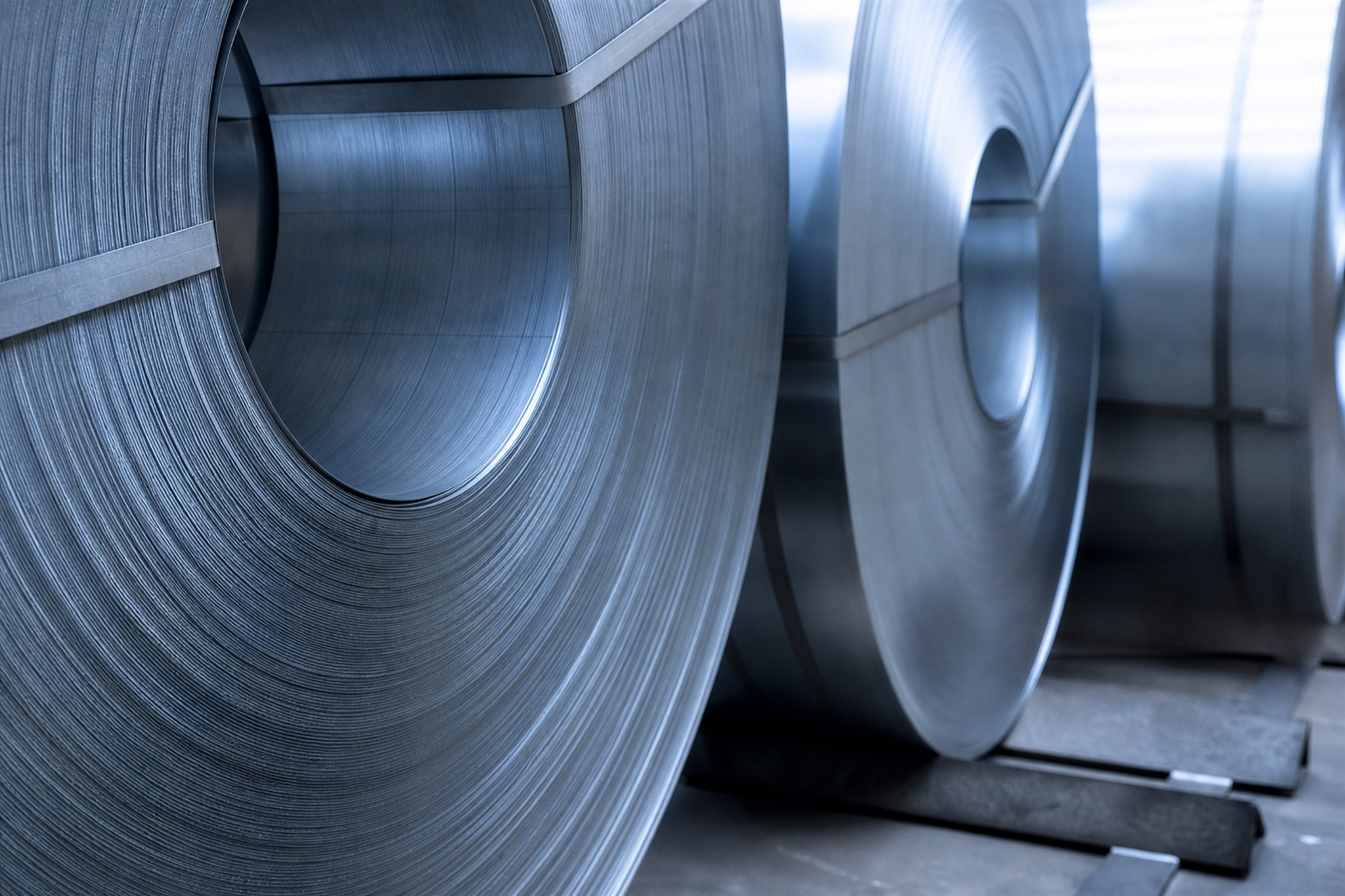
Ti-15V-3Al-3Cr-3Sn Titanium Foil Ti-15V-3Al-3Cr-3Sn (TC18) beta titanium alloy foil presents unique welding and forming challenges due to its high strength, metastable beta microstructure, and sensitivity to interstitial contamination. This article addresses the key processing challenges and provides practical solutions for successful welding and forming of Ti-15V-3Al-3Cr-3Sn titanium foil in industrial applications.
1. Welding Considerations
(1) Process Selection
Ti-15V-3Al-3Cr-3Sn foil is best welded using electron beam (EBW) or laser beam welding (LBW) in vacuum or inert gas shielding. Tungsten inert gas (TIG) welding is acceptable for foil thicknesses above 0.5 mm with argon back-purging. Resistance spot welding requires specialized equipment and parameter optimization.
| Welding Method | Foil Thickness | Shielding | Joint Efficiency |
|---|---|---|---|
| Electron Beam | 0.02-3.0 mm | Vacuum (10^-3 Torr) | 95-100% |
| Laser Beam | 0.05-2.0 mm | Argon or Helium | 90-98% |
| TIG | >= 0.5 mm | Argon front and back | 85-95% |
| Resistance Spot | 0.1-1.0 mm | None (inherent) | 80-90% |
(2) Heat Affected Zone (HAZ) Control
Ti-15V-3Al-3Cr-3Sn foil welding produces a HAZ width of 0.5-2.0 mm depending on heat input. Post-weld heat treatment at 700-750 degrees C for 1-2 hours restores mechanical properties in the HAZ to 90-95% of base metal values.
2. Forming Challenges
(1) Springback and Forming Force
Ti-15V-3Al-3Cr-3Sn foil yield strength of 800-1100 MPa (solution treated) generates significant springback during bending and forming. Springback angles of 2-5 degrees require overbending compensation. Forming forces are 2-3 times higher than Gr2 titanium foil.
(2) Crack Prevention
Ti-15V-3Al-3Cr-3Sn foil minimum bend radius is 2-3x material thickness in the annealed condition and 4-5x in the solution treated condition. Lubricated forming with polyalphaolevin lubricant reduces galling and surface defects.
3. Process Optimization
Optimal processing of Ti-15V-3Al-3Cr-3Sn foil requires controlled temperature (room temperature to 250 degrees C for warm forming), appropriate tooling (carbide or hardened tool steel dies), and proper lubrication to minimize friction and prevent surface damage.
Conclusion
Successful welding and forming of Ti-15V-3Al-3Cr-3Sn titanium foil requires careful process selection, parameter optimization, and quality control. Electron beam and laser welding deliver the highest joint efficiency, while warm forming with proper lubrication minimizes springback and cracking.
FAQ
Q1: What welding process gives the strongest joint in Ti-15V-3Al-3Cr-3Sn foil?
Electron beam welding in vacuum produces the strongest joints with 95-100% base metal strength.
Q2: Can Ti-15V-3Al-3Cr-3Sn foil be formed at room temperature?
Yes, but warm forming at 200-250 degrees C significantly reduces springback and forming forces.
Q3: How does Ti-15V-3Al-3Cr-3Sn foil weldability compare to Gr5?
Ti-15V-3Al-3Cr-3Sn requires more careful shielding and lower heat input than Gr5 due to higher alloy content and beta phase stability.
Contact Us
Baoji Titanium Valley Titanium Nickel Zirconium Material Processing Co., Ltd. supplies Ti-15V-3Al-3Cr-3Sn titanium foil. Contact us at sales@titaniumvalleys.com.
References
[1] ASM Handbook Volume 6: Welding, Brazing, and Soldering[M]. ASM International, 2022.
[2] ASTM B363/B363M-22. Standard Specification for Titanium and Titanium Alloy Strip and Plate.
[3] Luetjering G., Williams J.C. Titanium[M]. Springer, 2007.