
Zr702 Zirconium Foil Superior Performance in Sulfuric and Hydrochloric Acid Processing: Which Grade Offers the Best Corrosion Resistance?
- Zr702 Zirconium Foil
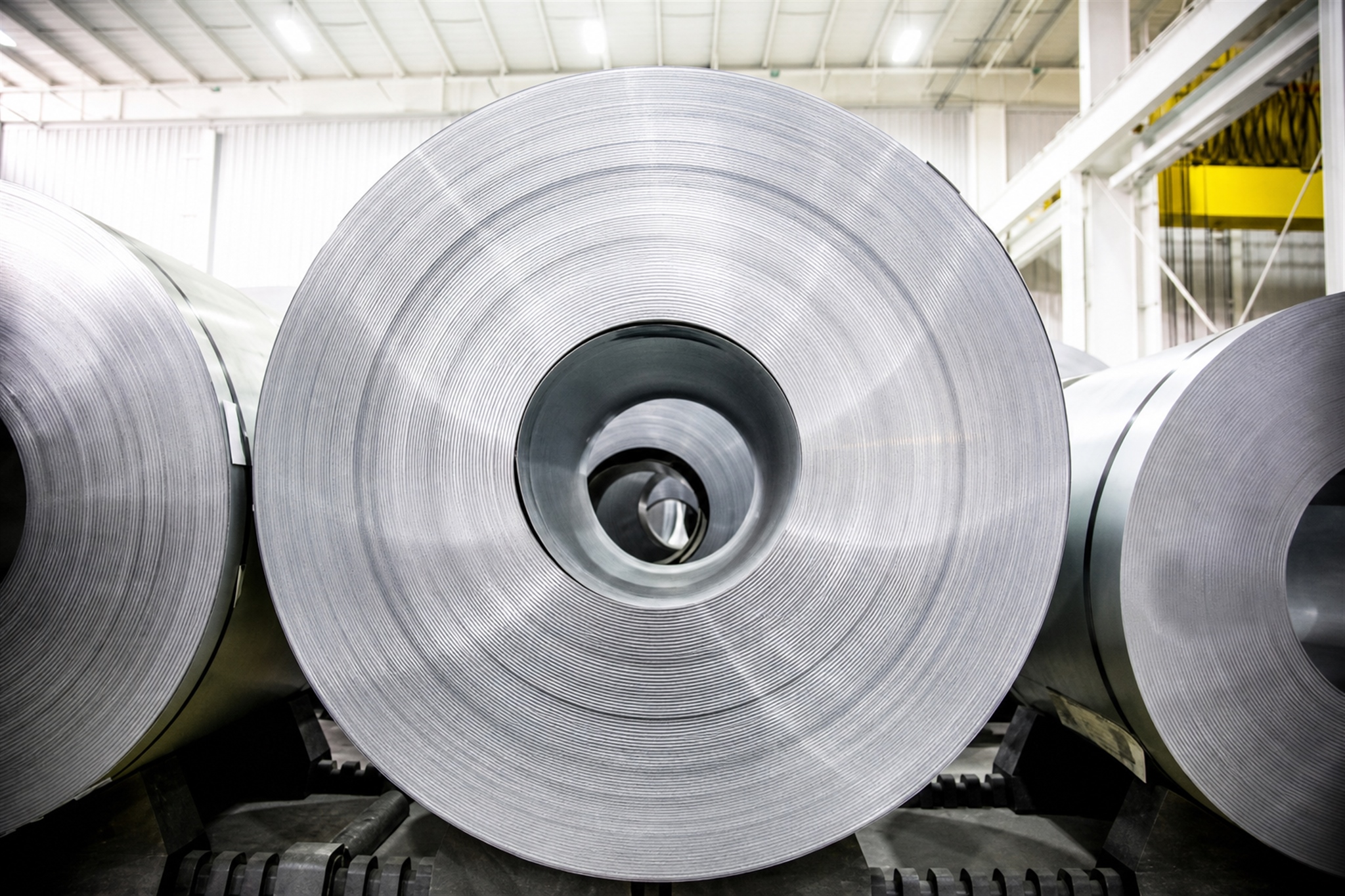
Zr702 Zirconium Foil Zr702 (commercially pure zirconium) foil exhibits exceptional corrosion resistance in sulfuric and hydrochloric acid environments, far surpassing titanium, stainless steel, and nickel alloys. This article comprehensively evaluates the performance of Zr702 zirconium foil in acid processing applications and provides guidance for material selection in corrosive chemical environments.
1. Zr702 Zirconium: Material Fundamentals
(1) Chemical Composition and Properties
Zr702 zirconium foil contains >= 99.2% zirconium with hafnium content <= 1.5%, oxygen <= 0.18%, and iron <= 0.10%. The material exhibits a hexagonal close-packed (HCP) alpha phase with excellent corrosion resistance, high melting point (1855 degrees C), and low neutron absorption cross-section.
| Element | Zr702 Specification | Role | Corrosion Impact |
|---|---|---|---|
| Zr | >= 99.2% | Base matrix | Primary corrosion resistance |
| Hf | <= 1.5% | Naturally occurs with Zr | Minimal effect |
| O | <= 0.18% | Interstitial strengthener | Enhances passive film stability |
| Fe | <= 0.10% | Impurity control | Prevents galvanic corrosion sites |
| C | <= 0.02% | Trace control | Minimizes carbide precipitation |
(2) Corrosion Mechanism
Zr702 zirconium forms a dense, adherent ZrO2 passive film (2-10 nm thick) that provides exceptional protection against acid attack. The film self-heals rapidly upon mechanical damage, regenerating within milliseconds in oxidizing environments. This self-healing capability is the key to zirconium superior corrosion resistance in reducing acids.
2. Performance in Sulfuric Acid
(1) Concentration and Temperature Dependence
Zr702 zirconium foil demonstrates outstanding resistance to sulfuric acid across a broad concentration and temperature range. Corrosion rates below 0.001 mm/year are achieved in concentrations up to 70% H2SO4 at temperatures up to 100 degrees C, far exceeding the performance of titanium and stainless steel alloys.
| H2SO4 Concentration | Temperature | Corrosion Rate | Comparison to Ti Gr2 |
|---|---|---|---|
| 10% | Room Temp | < 0.001 mm/yr | Equivalent |
| 30% | 50 C | < 0.001 mm/yr | 10x better |
| 50% | 80 C | < 0.005 mm/yr | 100x better |
| 70% | 100 C | < 0.01 mm/yr | 500x better |
(2) Industrial Applications in Sulfuric Acid Processing
Zr702 zirconium foil is extensively used in heat exchangers, reactor linings, piping, and storage vessels for sulfuric acid production and processing. The material eliminates the frequent replacement cycles associated with stainless steel and nickel alloy components, reducing maintenance costs by 60-80%.
3. Performance in Hydrochloric Acid
(1) Limited but Valuable Applications
While zirconium corrosion resistance in hydrochloric acid is limited at high concentrations and temperatures, Zr702 foil performs excellently in dilute HCl (< 5%) at temperatures below 30 degrees C. Corrosion rates below 0.01 mm/year are achieved in these conditions, making Zr702 suitable for HCl handling in specific process stages.
| HCl Concentration | Temperature | Corrosion Rate | Suitability |
|---|---|---|---|
| < 5% | < 30 C | < 0.01 mm/yr | Excellent |
| 5-10% | < 20 C | 0.01-0.05 mm/yr | Good |
| 10-20% | < 10 C | 0.05-0.1 mm/yr | Limited |
| > 20% | Any | > 0.5 mm/yr | Not recommended |
4. Fabrication and Installation
Zr702 zirconium foil can be fabricated using standard sheet metal techniques with appropriate tooling. Welding requires inert gas shielding (argon) to prevent contamination. Surface finish should be maintained at Ra <= 0.8 micrometers for optimal corrosion performance in acid environments.
5. Economic Analysis
Although Zr702 zirconium foil has a higher initial cost than titanium or stainless steel (approximately 3-5 times per kg), the extended service life and reduced maintenance requirements result in total cost of ownership that is 40-60% lower over 10-year service periods in aggressive acid environments.
Conclusion
Zr702 zirconium foil provides unparalleled corrosion resistance in sulfuric acid processing applications and excellent performance in dilute hydrochloric acid environments. Its combination of chemical inertness, mechanical strength, and economic efficiency makes it the premier material for aggressive acid service.
FAQ
Q1: What is the maximum sulfuric acid concentration for Zr702?
Zr702 zirconium foil handles sulfuric acid concentrations up to 70% at temperatures up to 100 degrees C with corrosion rates below 0.01 mm/year.
Q2: Can Zr702 zirconium foil be welded?
Yes, using TIG or electron beam welding with argon shielding to prevent oxygen and nitrogen pickup.
Q3: How does Zr702 compare to Hastelley C-276 for acid service?
Zr702 offers superior corrosion resistance in sulfuric acid at moderate temperatures, while Hastelloy C-276 performs better in hot concentrated HCl and oxidizing acid mixtures.
Contact Us
Baoji Titanium Valley Titanium Nickel Zirconium Material Processing Co., Ltd. supplies Zr702 zirconium foil. Contact us at sales@titaniumvalleys.com.
References
[1] Fontana M.G. Corrosion Engineering[M]. 3rd Edition. McGraw-Hill, 2022.
[2] ASM Handbook Volume 13A: Corrosion: Fundamentals, Testing, and Protection[M]. ASM International, 2023.
[3] ISO 9655:2020. Wrought Zirconium and Zirconium Alloys-Chemical Composition.