
What Are the Common Sizes of Gr5 Titanium Rods?
- Gr5 Titanium Rods
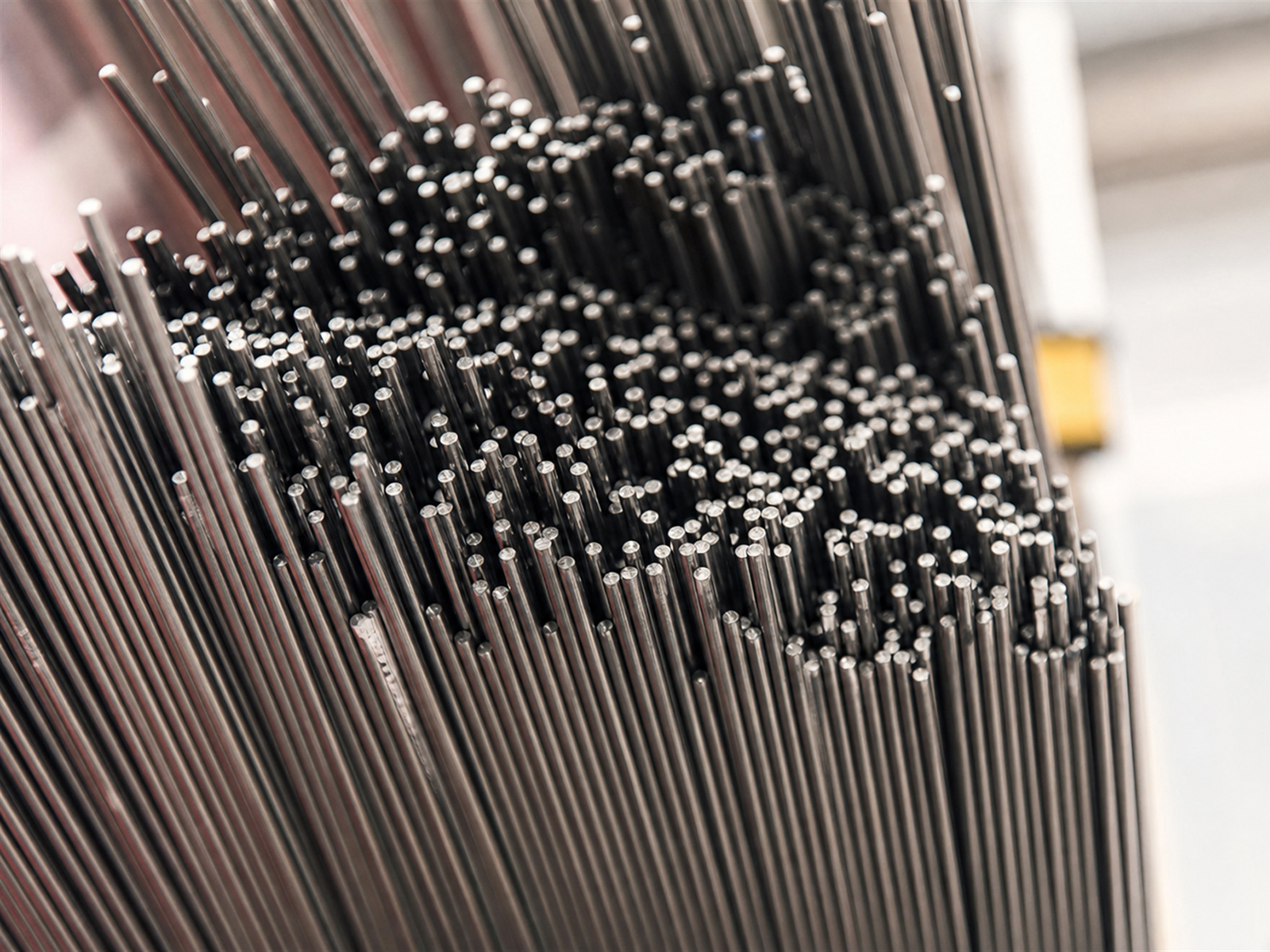
Gr5 titanium rods (Ti-6Al-4V) have a wide range of size specifications to meet the needs of different working conditions. In terms of diameter, small-size cold-drawn/polished bars can reach φ4-φ30mm, regular market stocks are concentrated in φ8-φ200mm, and large-size forged bars can range from φ100-φ300mm. The length specifications are usually between 300-6000mm. The annealed state (M state) is mainly supplied with variable lengths of 300-3000mm. The hot-processed state (R state) can provide specifications up to 6000mm. In addition to conventional round rods, the cross-sectional shapes also include customized specifications such as square rods and hexagonal rods, with sizes ranging from 6×6mm to 80×80mm. Inch sizes such as 1/4″ (6.35mm), 1/2″ (12.7mm), 1″ (25.4mm), etc. are also widely used in international projects. This diverse specification system ensures that Gr5 titanium rods can adapt to the precise requirements of multiple high-end application fields such as aerospace, medical implants, chemical equipment, etc.
1. What Should You Know About Detailed Explanation of Gr5 Titanium Rod Diameter Specifications?
(1) What Should You Know About Market Regular Stock Diameter Range?
The diameter of Gr5 titanium rods supplied by the mainstream market is concentrated in the φ8-φ200mm range, which covers the vast majority of industrial application scenarios. This size section is produced using hot rolling or forging processes, with uniform material structure and stable mechanical properties. Rods with diameters of φ10-φ50mm are particularly popular and widely used in machining, fastener manufacturing and structural parts production. Bars with medium diameters of φ50-φ100mm are mostly used for shaft parts, mold base materials and high-strength connecting parts, and can withstand large loads. Rods with a diameter of φ100-φ200mm are mainly used for heavy equipment, large structural parts and key parts of aerospace, providing excellent strength-to-weight ratio.
(2) What Should You Know About Small Size Precision Bar Specifications?
Small-diameter Gr5 titanium rods (φ4-φ30mm) are mainly manufactured through cold drawing and precision polishing processes, with high surface finish and dimensional accuracy up to ± 0.05mm. This type of rod is particularly suitable for precision machining, medical device manufacturing and electronic device components. Thin rods with a diameter of φ4-φ8mm are often used to make precision fasteners, sensor parts and micro-structural parts. Rods in the φ10-φ20mm size segment are the preferred materials for surgical instruments, dental implants and precision bearings. Rods of φ20-φ30mm are widely used in high-end automation equipment, optical instrument brackets and aerospace precision parts. The excellent surface quality reduces subsequent processing steps.
(3) What Should You Know About Features of Large Size Forged Bars?
Large-diameter Gr5 titanium rods (φ100-φ300mm) are produced using vacuum consumable electrode remelting (VAR) and multi-directional forging processes. They have dense internal structures and can usually meet the ultrasonic testing requirements specified in the ASTM E2375 standard. This type of rods are mainly used in aerospace engine components, ship propulsion systems, petrochemical high-pressure vessels and key parts of nuclear power equipment. Rods with a diameter of φ100-φ150mm are suitable for manufacturing turbine disks, compressor disks and large flanges. Rods with φ150-φ200mm specifications are commonly used in ship propeller shafts, deep-sea equipment structural parts and heavy chemical reactor components. Forged bars with super-large diameters of φ200-φ300mm are specially designed to serve extreme working conditions, such as deep-sea pressure shells, key aerospace load-bearing structures and military special equipment. Their excellent fatigue resistance and corrosion resistance ensure long-term reliable operation.
2. What Should You Know About Gr5 Titanium Rod Length and Shape Specifications?
(1) What Should You Know About Standard Length Supply Range?
The length specifications of Gr5 titanium rods are supplied differently according to the material status and processing technology. Annealed (M-state) rods are usually available in variable lengths of 300-3000mm. In this state, the material stress is fully released, the plasticity is excellent, and it is easy for subsequent welding and complex forming processing. Hot-processed (R-state) and cold-processed (Y-state) bars are available in a length range of 300-6000mm, which is suitable for the overall processing of large structural parts and the manufacturing of long-axis parts. When supplied in fixed length or multiple lengths, positive tolerances (such as +20mm, that is, the actual length is allowed to be within 20mm beyond the order length, but not less than the order length) are usually used; a +5mm margin is added to each cutting surface. Long-dimension bars have significant advantages in aerospace fuselage frames, marine engineering long-axis drive systems and large chemical piping systems, where they can reduce welded joints and improve overall structural reliability.
(2) How Should Diverse Cross-section Shape Selection?
In addition to conventional round rods, Gr5 titanium alloy can also be processed into special cross-sectional shapes such as square rods and hexagonal rods, usually in customized specifications. Square bar specifications range from 6×6mm to 80×80mm, and are manufactured using finishing processes after hot rolling or forging. The square cross-section is accurately positioned during machining and reduces clamping time. It is especially suitable for manufacturing high-precision molds, automation equipment guide rails and precision measurement tools. Hexagonal rods also cover the size range of 6-80mm. Their unique geometric shapes facilitate the operation of wrench-type tools and are widely used in the manufacturing of fastener blanks, adjusting bolts and special connectors. While maintaining the excellent properties of Gr5 titanium alloy, these special-shaped cross-section bars significantly reduce subsequent machining allowances and improve material utilization and production efficiency.
(3) What Should You Know About Imperial Size International Standard?
In order to meet the needs of the international market, Gr5 titanium rods are available in a variety of inch sizes. Common sizes include 1/4″ (6.35mm), 1/2″ (12.7mm), 1″ (25.4mm), 2″ (50.8mm), and 3″ (76.2mm). These sizes follow ASTM B348 standard, matching international fasteners, piping systems and mechanical equipment standards. 1/4″ to 1/2″ small diameter rods are mainly used for precision bolts, medical device parts and electronic equipment brackets. 1″ to 2″ medium diameter rods are the standard choice for general mechanical shafts, chemical equipment connectors and marine engineering fasteners. 3″ large diameter rods serve heavy equipment, aerospace main load-bearing structures and petrochemical high-pressure systems, ensuring smooth docking of the global supply chain.
3. What Should You Know About Gr5 Titanium Rod Surface Condition and Dimensional Accuracy?
(1) What Should You Know About Black Leather/forged Surface Bar?
The black surface Gr5 titanium rod retains the original oxide scale after forging or hot rolling, with a rough surface and large dimensional tolerance (usually ± 1-2mm). This type of bar has the lowest cost and is suitable for blanks, forging blanks and structural parts that do not have strict requirements on surface quality that require a lot of subsequent cutting. The internal structure of the black leather rod is uniform, and the mechanical properties fully comply with the ASTM B348 standard (annealed state). The tensile strength is ≥ 895MPa and the yield strength is ≥ 825MPa. Although rough in appearance, its excellent strength-to-weight ratio and corrosion resistance play an important role in heavy machinery, shipbuilding, and bridge engineering. Purchasing black leather bars can significantly reduce initial material costs and is suitable for manufacturing companies with complete machining capabilities.
(2) What Should You Know About Improved Precision of Peeling Rods?
The peeled Gr5 titanium rod removes the surface oxide layer through the centerless peeling process, showing a silvery white metallic luster, a relatively smooth surface, and a dimensional accuracy increased to ± 0.5mm. These bars are widely used in general machining, shaft parts manufacturing and fastener blank production. The surface quality after peeling treatment improves the cutting performance, reduces tool wear, and improves processing efficiency. There is no oxide scale pollution on the surface of the rod, making it easy to directly carry out subsequent processes such as welding, heat treatment and surface coating. While maintaining the advantages of high strength, corrosion resistance and lightweight of Gr5 titanium alloy, peeled rods balance cost and processing convenience, making them an ideal choice for precision machinery, automation equipment and marine engineering.
(3) What Should You Know About Ground and Polished High-precision Rods?
Ground and polished Gr5 titanium rods represent the highest surface quality grade. The surface of precision-turned and polished rods is even and smooth, with a dimensional accuracy of ± 0.1mm, which is suitable for the clean surface requirements of precision parts. Centerless grinding and polishing rods adopt rough grinding and fine grinding processes, with bright surface and dimensional accuracy of ± 0.05mm or higher. These high-precision rods are the material of choice for precision bearings, high-end medical implants, aerospace instrument parts and optical equipment mounts. Polishing the surface can significantly reduce surface roughness (arithmetic mean roughness Ra≤ 0.4um), reduce stress concentration points, and improve fatigue life. In the medical field, mirror-grade polished surfaces facilitate osseointegration and reduce biological reactions. Although more expensive, ground and polished rods are irreplaceable in high-end applications where ultimate performance and reliability are required.
4. Why Is Size Selection Strategies for Different Application Areas Important?
(1) What Should You Know About Dimensional Requirements in the Aerospace Industry?
The aerospace industry has extremely strict requirements on the dimensional accuracy and performance consistency of Gr5 titanium rods. Aircraft structural parts usually use φ20-φ100mm annealed rods, and are precision machined to manufacture fuselage frames, landing gear components and control system connectors. Engine components such as turbine disks and compressor disks require large-diameter forged rods of φ100-φ300mm to ensure high-temperature stability and fatigue resistance. Aviation fasteners use φ6-φ20mm cold-drawn polished rods, and the surface quality and dimensional accuracy directly affect the connection reliability. Satellite and spacecraft structural parts prefer φ10-φ50mm medium-diameter rods, using their excellent strength-to-weight ratio to achieve lightweight design. All Gr5 titanium rods used in aerospace must provide complete material traceability documents, including chemical composition analysis, mechanical property testing and non-destructive testing reports, in compliance with international standards such as AMS 4928.
(2) What Should You Know About Precision Dimensional Requirements for Medical Devices?
The medical field has special requirements for the dimensional accuracy, surface quality and biocompatibility of Gr5 titanium rods. Orthopedic implants such as artificial joints, spinal fixators and trauma steel plates are usually made of φ8-φ30mm polished rods with surface roughness Ra≤ 0.4um and dimensional accuracy of ± 0.05mm to ensure precise fit with human bones. Dental implants are made of φ4-φ8mm small-diameter precision rods, and mirror-level surface treatment promotes osseointegration. Surgical instruments such as bone saws, bone drills and needle holders use φ6-φ15mm cold-drawn bars, which require excellent machining performance and long-term stability. All Gr5 titanium rods for medical use must comply with medical device material standards such as ISO 5832-3, and provide biocompatibility test reports and strict batch traceability records. Material purity requirements are high, and each impurity element needs to be controlled independently. The upper limit of oxygen content is 0.20% (mass percentage) to ensure implant safety.
(3) What Should You Know About Chemical and Marine Engineering Dimensions and Configurations?
Chemical and marine engineering environments pose challenges to the corrosion resistance and long-term stability of Gr5 titanium rods. Chemical reactors, heat exchangers and piping systems are made of φ30-φ100mm peeled or polished rods. The surface is clean and pollution-free, making it easy to weld and assemble. Seawater desalination equipment, ocean platforms and ship propulsion systems use φ50-φ200mm forged rods to resist long-term corrosion by seawater and chloride ions. Deep sea equipment pressure shells and submersible structural parts require large diameter rods of φ100-φ300mm to provide sufficient strength and fatigue resistance. The petrochemical high-pressure piping system uses φ40-φ80mm inch size rods (such as 2″-3″), matching international standard flanges and joints. In these harsh environments, the stable titanium dioxide (TiO2) passivation film formed on the surface of Gr5 titanium rods is the key to long-term anti-corrosion. Choosing the appropriate size specifications and surface conditions can significantly extend the life of the equipment and reduce maintenance costs.
5. What Are the Differences in Gr5 Titanium Rod Size Comparison and Selection Guide?
(1) What Are the Differences in Performance Comparison of Different Sizes and Specifications?
Diameter range | Processing technology | surface state | Dimensional accuracy | Typical applications | relative cost |
φ4-φ30mm | Cold drawn/polished | shiny surface | ± 0.05mm | Medical equipment, precision parts | higher |
φ8-φ200mm | Hot rolled/forged | Peeling/polishing/black leather | ± 0.5-± 2mm | General machinery and structural parts | medium |
φ100-φ300mm | vacuum forging | Glossy/black leather | ± 1-2mm | Aerospace, heavy equipment | high |
(2) How Should Length and Shape Specification Selection Table?
Material status | length range | Cross-sectional shape | Tolerance requirements | Applicable working conditions |
Annealed state (M) | 300-3000mm | Round rods (square rods and hexagonal rods are customized) | Length+20mm | Welding, complex forming |
Thermal processing state (R) | 300-6000mm | Mainly round rods | Length+20mm | High strength structural parts |
Cold working state (Y) | 300-6000mm | Precision round rod | Length +20mm, diameter ± 0.05mm | Precision machining |
(3) What Should You Know About Surface Condition and Cost-benefit Analysis?
surface type | surface roughness | Dimensional accuracy | machining allowance | Subsequent processes | Comprehensive cost effectiveness |
Black leather/forged surface | Ra≥ 12.5um | ± 1-2mm | Larger (usually 3-5mm, depending on diameter) | Requires a lot of cutting | Low initial cost, medium total cost |
peeling stick | Ra 3.2-6.3um | ± 0.5mm | Medium (2-3mm) | Conventional machining | Best value for money |
Polished/polished surface | Ra≤ 0.4um | ± 0.05mm | Small (≤ 1mm) | Precision machining or direct use | High initial cost, optimal for precision applications |
(4) How Should Size Selection Decision Process?
Choosing the appropriate Gr5 titanium rod size requires comprehensive consideration of the application scenario, performance requirements, processing capabilities and cost budget. Performance-prioritized applications such as aerospace and medical implants should choose high-precision polished rods. Although the initial cost is high, reliability and long-term performance are optimal. Cost-sensitive projects such as general machinery and chemical equipment can choose peeled rods to balance performance and economy. Enterprises with complete machining capabilities can purchase black leather bars and reduce material costs through independent processing. The diameter selection should leave an appropriate machining allowance: 1-2mm for precision parts, 3-5mm for general parts, and 5-10mm for large forgings. Length selection should take into account equipment processing capabilities and transportation limitations, and fixed-length supply can reduce material waste. The cross-sectional shape should match the subsequent processing technology: choose round rods for complex contours, square rods for square features, and hexagonal rods for wrench operations. Through systematic selection, the optimal balance of performance, cost and delivery time is achieved.
6. What Is the Conclusion?
The size specification system of Gr5 titanium rods is complete, covering a wide range of diameters φ4-φ300mm, lengths 300-6000mm, and providing diverse cross-sectional shapes such as round rods, square rods, and hexagonal rods. Reasonable selection of size specifications, surface conditions and material conditions can accurately match the application needs of different fields such as aerospace, medical equipment, chemical and marine industries, and achieve the optimal configuration of performance, cost and processing efficiency.
FAQ
Q1: Can Gr5 titanium rods of special sizes be customized for small batch purchases?
Can. We support small batch customization services, and the minimum order quantity is based on specific size specifications. Special diameters, lengths or cross-sectional shapes can be achieved by cold drawing, forging or precision machining. It is recommended to communicate the technical requirements and delivery schedule in advance, and our engineering team will provide the optimal processing solution.
Q2: How to verify the dimensional accuracy and material authenticity of Gr5 titanium rods?
All ex-factory products are equipped with a complete material certificate (MTC), including chemical composition spectral analysis and mechanical property test data. Dimensional accuracy is verified by three-dimensional coordinate measuring machines and optical inspection equipment. We support third-party testing agencies to witness on-site sampling to ensure that the materials meet the requirements of ASTM B348 Grade 5 standards.
Q3: How big is the price difference between Gr5 titanium rods with different surface conditions?
Black leather rods are the lowest priced and serve as the benchmark. Peeled rod prices are typically 15-25% higher, and ground and polished rod prices are 40-60% higher. The price difference mainly comes from the processing procedures and material loss. When selecting, the subsequent processing costs should be comprehensively considered: black-skinned rods require a large amount of cutting, peeling rods are the most cost-effective, and polished rods are suitable for direct use in precision applications.
How Should Looking for Reliable Gr5 Titanium Rod Supplier?
Baoji Titanium Valley Titanium Nickel Zirconium Material Processing Co., Ltd. (Titanium Valley) is a professional manufacturer and supplier of high-quality Gr5 titanium rods. We have an advanced Italian Danieli rolling production line with an annual production capacity of more than 20, 000 tons, and provide full-specification customized services. Strict quality control system ensures that each batch of products meets ASTM B348 and AMS 4928 standards. Welcome to contact us for technical support and quotation: sales@titaniumvalleys.com
References
- Liu Jianrong, Wang Xiuqin. Titanium alloy material processing technology and application[M]. Beijing: Metallurgical Industry Press, 2021.
- American Society for Testing and Materials. ASTM B348 Standard Specification: Titanium and Titanium Alloy Rods and Blanks[S]. 2020 Edition.
- Zhang Minghua, Li Qiang. Selection and size optimization design of titanium alloy materials for aerospace [J]. Journal of Aeronautical Materials, 2022, 42(3): 45-58.
- Chen Wei, Sun Jianke. Manufacturing process and quality control of medical Ti-6Al-4V titanium alloy implants [J]. Journal of Biomedical Engineering, 2023, 40(1): 112-125.