
What Are the Differences in Cold Rolled Vs. Annealed Nickel 200 Foil, Key Differences Explained?
- Nickel 200 Foil
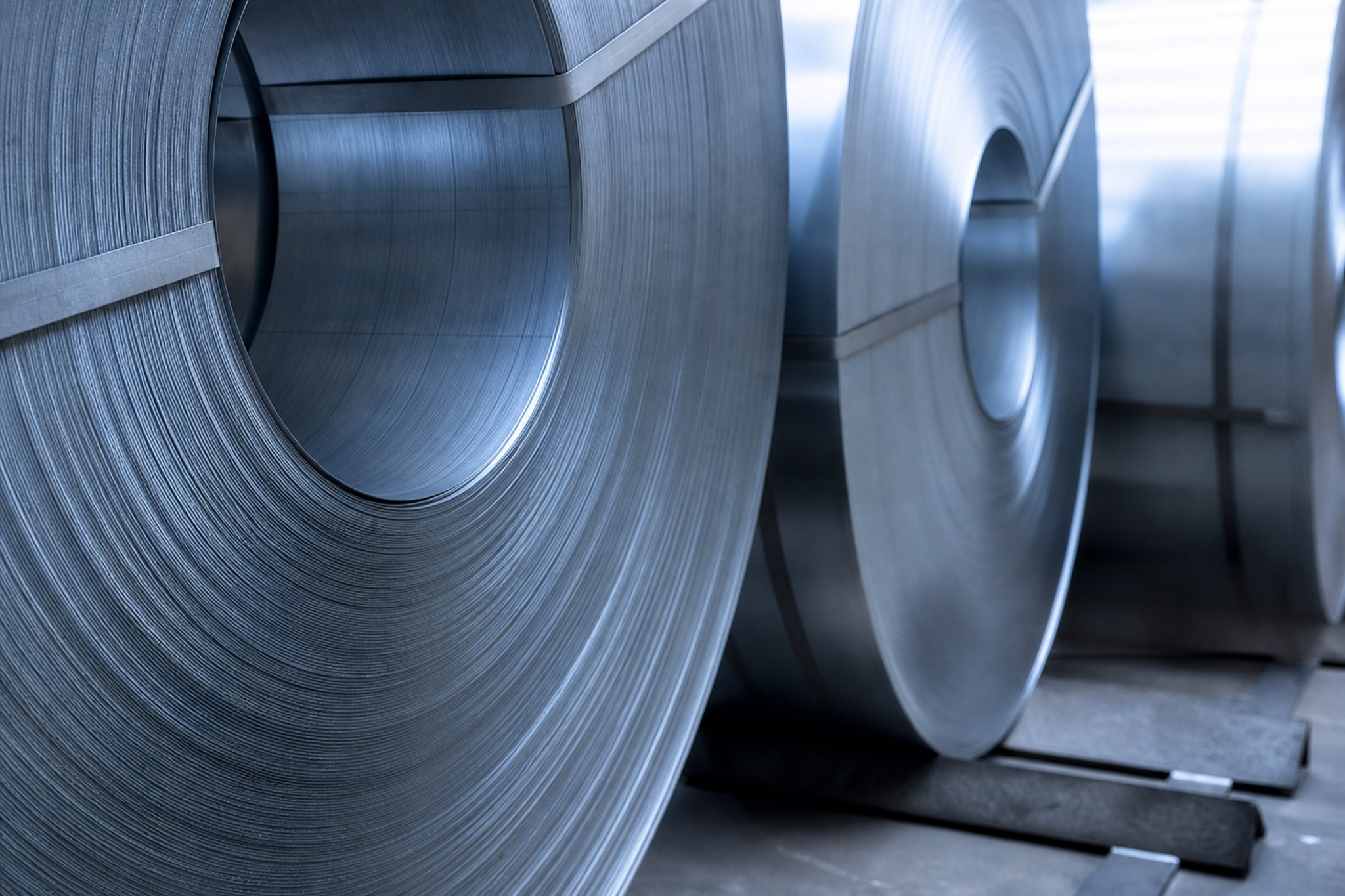
In the processing of nickel foil, the cold-rolled state and the annealed state represent two completely different material states. The cold-rolled Nickel 200 foil obtains higher strength (500-600 MPa) through multi-pass precision rolling, but the elongation is low (≥ 8%), which is suitable for scenarios that require strength assurance; after the annealed material undergoes continuous argon atmosphere protective annealing, the tensile strength remains at 370-420 MPa, the elongation is greatly increased to ≥ 25%, and the formability is significantly improved. The choice of these two states directly affects the processing reliability and final performance of the material in applications such as battery tab stamping, EMI shielding forming, and electrolytic electrode welding. Understanding the essential differences between them is a key prerequisite to ensure the correct selection of materials.
1. What Are the Differences in the Essential Difference Between Cold Rolling and Annealing Processes?
(1) What Should You Know About Crystal Structure Evolution Mechanism During Cold Rolling?
The process of cold rolling Nickel 200 foil involves plastic deformation below the recrystallization temperature. When the material passes through the 20-roll finishing mill, the grains are elongated and broken under the action of rolling pressure, and the dislocation density increases sharply. This lattice distortion caused by external force causes a large amount of deformation energy to be stored inside the material, which is manifested in a significant increase in hardness and strength. In the rolling process of ultra-thin specifications of 0.03-0.8mm, the reduction amount of each pass must be accurately controlled between 0.005-0.015mm, otherwise edge cracks or surface quality defects will easily occur. The preferred orientation of the crystal becomes more and more obvious as the cumulative deformation increases, and this anisotropy will directly affect the subsequent stamping forming behavior.
(2) What Should You Know About Tissue Reconstruction and Performance Recovery During Annealing?
Annealing is a heat treatment process that causes recovery and recrystallization of cold deformed materials by heating. In a continuous annealing furnace, Nickel 200 foil is heated to 700-900℃ (the specific temperature is adjusted according to the material thickness and process route), maintaining a precise temperature tolerance of ± 2℃. The recovery phase first occurs inside the material, and dislocations are rearranged and combined to form sub-grain boundaries; as the temperature and time continue, the recrystallization process starts, and new equiaxed grains gradually replace the deformed grains. This complete reconstruction of the microstructure restores good plasticity to the material, with the elongation jumping from 8% in the cold-rolled state to more than 25%. The introduction of argon protective atmosphere effectively prevents surface oxidation and ensures that the foil surface maintains a uniform metallic luster.
(3) What Should You Know About Dynamic Balance of Work Hardening and Softening?
The work hardening phenomenon of cold-rolled materials originates from the obstruction mechanism formed by dislocation proliferation and interaction. With the increase of rolling passes, the material hardness continues to increase, but the forming ability is gradually lost. The annealing treatment eliminates most of the work hardening effects through a thermal activation mechanism, but does not completely return to the original state. Precise control of annealing temperature and time determines the final balance point of mechanical properties. Excessive annealing will cause abnormal growth of grains and reduce material strength; insufficient annealing will not fully restore plasticity. The optimization of such process parameters needs to be based on a comprehensive understanding of material composition, deformation history and target properties.
2. What Should You Know About Correspondence Between Mechanical Properties and Microstructure?
(1) What Should You Know About the Trade-off Mechanism Between Strength and Ductility?
state | Tensile strength (MPa) | Elongation (%) | Hardness (HV) | Typical applications |
Cold rolled state (Y) | 500-600 | ≥ 8 (gauge length 50mm) | 180-220 | Shrapnel, shield frame |
Annealed state (M) | 370-420 | ≥ 25 (gauge length 50mm) | 100-140 | Battery tabs, electrode base materials |
The high strength of cold-rolled Nickel 200 foil comes from the dense dislocation network and refined grain size. This structure effectively hinders the further movement of dislocations, and the macroscopic manifestation is a substantial increase in the material’s yield strength. However, the price of this strength is a sharp decrease in plasticity reserve, and the material is prone to cracking failure during complex stamping or deep drawing processes. The equiaxed grain structure obtained by recrystallization of the annealed material provides sufficient dislocation slip space, allowing the material to withstand large plastic deformation without breaking. This performance difference is particularly critical in the continuous stamping production of battery tabs.
(2) What Should You Know About Analysis of the Influence of Grain Size on Conductive Properties?
Although grain boundaries theoretically increase electron scattering, in practical applications of Nickel 200 foil, the conductivity difference between the annealed and cold-rolled as-is is not significant. High purity of ≥ 99.6% ensures excellent intrinsic conductivity. In the grain growth stage after recrystallization of the annealed material, the number of grain boundaries is reduced, the electron migration path is smoother, and the resistivity is slightly reduced. More importantly, annealing eliminates residual stress and avoids deformation of the material due to stress release during service, which is crucial for the long-term stability of precision electrical connectors.
(3) What Should You Know About the Decisive Role of Stress State in Subsequent Processing?
There are a large amount of uneven residual stresses inside the cold-rolled foil. These stresses will be partially released during subsequent cutting, stamping or welding processes, causing warping deformation or dimensional fluctuations in the workpiece. The annealing process brings the material to a stress-relaxed state through uniform heating, significantly reducing residual stress levels. This low-stress material shows a better process window during thermal processing such as laser welding and resistance spot welding, and the weld quality is more stable and reliable.
3. What Are the Differences in Differences in Surface Quality and Chemical Stability?
(1) What Should You Know About Process Control of Surface Roughness and Cleanliness?
surface state | Roughness Ra (um) | Surface tension (dynes/cm) | Oil residue | Applicable process |
cold rolled bright surface | 0.2-0.5 | 38-42 | Higher (requires quantitative testing) | Requires secondary cleaning |
Annealing + ultrasonic cleaning | 0.3-0.6 | 44 | Extremely low (≤ 0.1mg/m²) | Direct bonding/welding |
The cold-rolled surface retains the microscopic texture transferred by the work rolls during the rolling process. Although the brightness is high, the rolling oil and trace oxides adsorbed on the surface will affect subsequent conductive contact or welding quality. Ultrasonic cleaning after annealing combined with alkaline solution treatment can completely remove surface contaminants and steadily increase the surface tension to 44 dynes/cm. This indicator is of great significance for surface-sensitive processes such as coating and lamination. High-clean surfaces can also significantly improve interface stability and reduce contact resistance in electrochemical applications.
(2) What Should You Know About Correlation Between Oxide Film Characteristics and Corrosion Resistance?
Even under argon protection during the annealing process, a nanoscale dense oxide layer will still form on the surface of Nickel 200 foil. This natural oxide film is mainly composed of NiO, has a thickness usually in the range of 2-5 nanometers (based on typical laboratory conditions), and has good chemical stability. Due to uneven deformation and residual oil stains during the rolling process, the cold-rolled surface has uneven oxidation state and is prone to local corrosion points. In contrast, the annealed oxide film is more uniform and continuous, providing additional corrosion protection in alkaline and neutral environments. This difference has practical significance in applications in highly corrosive environments such as electrolytic cell anode materials and chemical equipment linings.
(3) Why Is Practical Application Value of Surface Energy and Wetting Properties Important?
After annealing and surface treatment, Nickel 200 foil exhibits a stable surface tension of 44 dynes/cm, which ensures good wetting and adhesion between the material and various adhesives and insulating coatings. In the manufacture of electromagnetic shielding layers for multi-layer circuit boards, this excellent surface energy characteristic enables nickel foil to be firmly bonded to polymer materials such as polyimide. Due to residual oil stains on the surface of cold-rolled materials, additional surface activation treatment is often required to achieve similar effects, which increases process complexity and cost.
4. Why Is Material State Selection Strategies for Different Application Scenarios Important?
(1) How Should Selection of Tab Materials in New Energy Battery Systems?
The manufacturing of battery tabs involves two core processes: high-speed continuous blanking and ultrasonic welding. With a high elongation of ≥ 25%, annealed Nickel 200 foil can withstand complex stamping and forming, effectively avoiding stress concentration cracking at the tab root. During the ultrasonic welding process of dissimilar metals with aluminum foil or copper foil, the low hardness characteristics of the annealed material enable the welding interface to form a good intermetallic diffusion layer, and the welding strength is reliable. Although cold-rolled materials have higher strength, they are prone to brittle fracture during the ultrasonic welding process of high-frequency vibration, which affects the long-term reliability of the battery.
(2) What Should You Know About Matching the Strength Requirements of Electromagnetic Shielding Structural Parts?
EMI shielding for portable electronic devices requires both excellent electrical conductivity and sufficient structural strength to resist mechanical stress during assembly. Cold-rolled Nickel 200 foil can provide high strength of 500-600 MPa in the thickness range of 0.05-0.1mm, allowing the shield frame to maintain sufficient rigidity while being thinned in design. For areas that require local forming, a local annealing process can be used to improve the forming performance of key parts while maintaining the overall strength. This differentiated processing strategy is widely used in high-end 3℃ electronic manufacturing.
(3) What Should You Know About Guarantee of Corrosion Resistance of Electrolysis and Chemical Equipment?
Electrolytic cell anode plates require materials with both good electrical conductivity and alkali corrosion resistance. Annealed Nickel 200 foil exhibits more stable corrosion behavior in strong alkaline electrolytes due to its uniform microstructure and low residual stress state. The stress concentration area inside the cold-rolled material is likely to become a preferential location for corrosion, and long-term use may lead to local perforation failure. The annealing treatment eliminates these microscopic defects, making the passivation film on the surface of the material more dense and uniform, effectively extending the service life of the electrolysis equipment.
5. What Should You Know About Cost-efficiency and Quality Control of the Processing Chain?
(1) What Should You Know About the Key Role of Intermediate Annealing in Ultra-thin Rolling?
In the process of rolling Nickel 200 from the initial thickness to the ultra-thin specification of 0.03mm, the accumulated work hardening will cause the material to be too strong, and continued rolling will face the risk of excessive roll pressure or material edge cracks. Introducing an intermediate annealing process between cold rolling passes can eliminate work hardening in time and restore the material’s plasticity, allowing subsequent rolling to proceed smoothly. The 750mm 20-roll finishing mill, combined with the continuous annealing line with ± 2℃ precision, has achieved stable mass production in the full specification range of 0.03-0.8mm. The optimization of this process chain is the key technical path to break through the bottleneck of ultra-thin foil manufacturing.
(2) What Should You Know About Finished Product Annealing Ensures Stable Dimensional Accuracy?
Due to the existence of internal stress in cold-rolled foil, slight dimensional changes may occur during slitting, storage or transportation, which affects the automated assembly accuracy of downstream customers. Finished annealing ensures long-term dimensional stability by completely eliminating residual stress and stabilizing the material in a low-energy state. This is critical for applications with strict tolerance requirements, such as precision electronic connectors and sensor substrates. Coupled with a thickness tolerance control of ± 0.001mm, the finished annealed material can meet the most stringent dimensional consistency requirements.
(3) What Should You Know About Status Distinction Standards for Quality Inspection Systems?
Test items | Cold rolled standard | Annealed state standard | Detection method |
tensile strength | 500-600 MPa | 370-420 MPa | Universal testing machine |
Elongation | ≥ 8% | ≥ 25% | Gauge length 50mm stretch |
hardness | 180-220 HV | 100-140 HV | Vickers hardness tester |
Thickness tolerance | ± 0.001 mm | ± 0.001 mm | Laser thickness gauge |
surface cleanliness | Oil pollution detection | Dyne value 44 | Ultrasonic cleaning + wetting test |
The production line is equipped with a 90% automated inspection system that enables full-process quality monitoring of each roll of foil. Cold-rolled and annealed materials implement different mechanical property standards, but thickness accuracy, surface quality and other dimensions maintain unified high standards. Metallographic structure testing is used to verify the effectiveness of the annealing process and ensure that the grain size is uniform and there is no abnormal growth. This complete quality control system supports a stable output of 3, 000 tons of annual production capacity and meets the strict requirements of high-end fields such as aerospace, medical equipment, and new energy.
6. What Is the Conclusion?
Cold-rolled and annealed Nickel 200 foils represent two indispensable status nodes in the material processing chain. Cold rolling gives the material high strength through plastic deformation, and annealing restores excellent plasticity through structural reconstruction. A correct understanding of the microscopic mechanisms and performance differences between the two is the basis for achieving accurate matching of material properties and application requirements. From the high-speed stamping of battery tabs to the structural strength of electromagnetic shielding, from the corrosion resistance and stability of electrolytic electrodes to the dimensional accuracy of precision parts, the choice of material state directly determines the reliability and cost competitiveness of the final product.
FAQ
Q1: What are the specific differences in welding properties between cold-rolled and annealed Nickel 200 foils?
Due to its lower hardness (100-140 HV) and uniform stress state, the annealed material can form a more stable fusion interface during ultrasonic welding and laser welding, with less welding spatter and a uniform structure in the heat-affected zone. The high hardness (180-220 HV) and residual stress of cold-rolled materials will increase the tendency of welding cracks and require more refined process parameter control.
Q2: How to balance the conflicting requirements of strength and formability in battery tab applications?
The mainstream technology route uses annealed materials for high-speed blanking and forming, using its elongation of ≥ 25% to ensure reliable forming of complex shapes. For parts that require extra strength, the performance can be improved through local cold work hardening or solution treatment after stamping to achieve optimized combination of performance in different regions.
Q3: In what state are ultra-thin Nickel 200 foils (below 0.03mm) mainly delivered?
Ultra-thin foils are usually delivered in an annealed state. Because in the extremely thin specification of 0.01-0.03mm, the high strength characteristics of cold-rolled materials actually increase the risk of damage during handling and slitting. The good flexibility of the annealed material allows it to withstand operations such as winding and unwinding while maintaining surface quality integrity, making it more suitable for high-end applications such as precision electronics and sensors.
How Should Looking for Reliable Nickel 200 Foil Supplier?
As a professional manufacturer, Baoji Titanium Valley Titanium Nickel Zirconium Material Processing Co., Ltd. has an annual production capacity of 3, 000 tons of ultra-thin wide foils, and provides a full range of customized specifications in cold-rolled and annealed conditions. For detailed technical parameters or to apply for sample testing, please contact: sales@titaniumvalleys.com
References
- Zhang Ting’an, Li Ming. Research progress on cold rolling and heat treatment processes of nickel-based materials [J]. Chinese Journal of Nonferrous Metals, 2016, 26(4): 891-903.
- Wang Haizhou, Liu Zhengdong. Research on microstructure control and performance optimization of nickel and nickel alloy materials [J]. Materials Herald, 2017, 31(12): 1-8.
- Chen Guoliang, Wu Jiansheng. Microstructure evolution mechanism during recrystallization and annealing of metallic materials [J]. Metal Heat Treatment, 2015, 40(8): 1-7.
- Li Qiang, Zhang Peng. Research on cold rolling deformation behavior and annealing microstructure evolution of high-purity nickel foil [J]. Rare Metal Materials and Engineering, 2018, 47(6): 1875-1881.