
What Are the Top 10 Benefits of Using UNS R60702 Foil in Industrial Manufacturing?
- UNS R60702 Foil
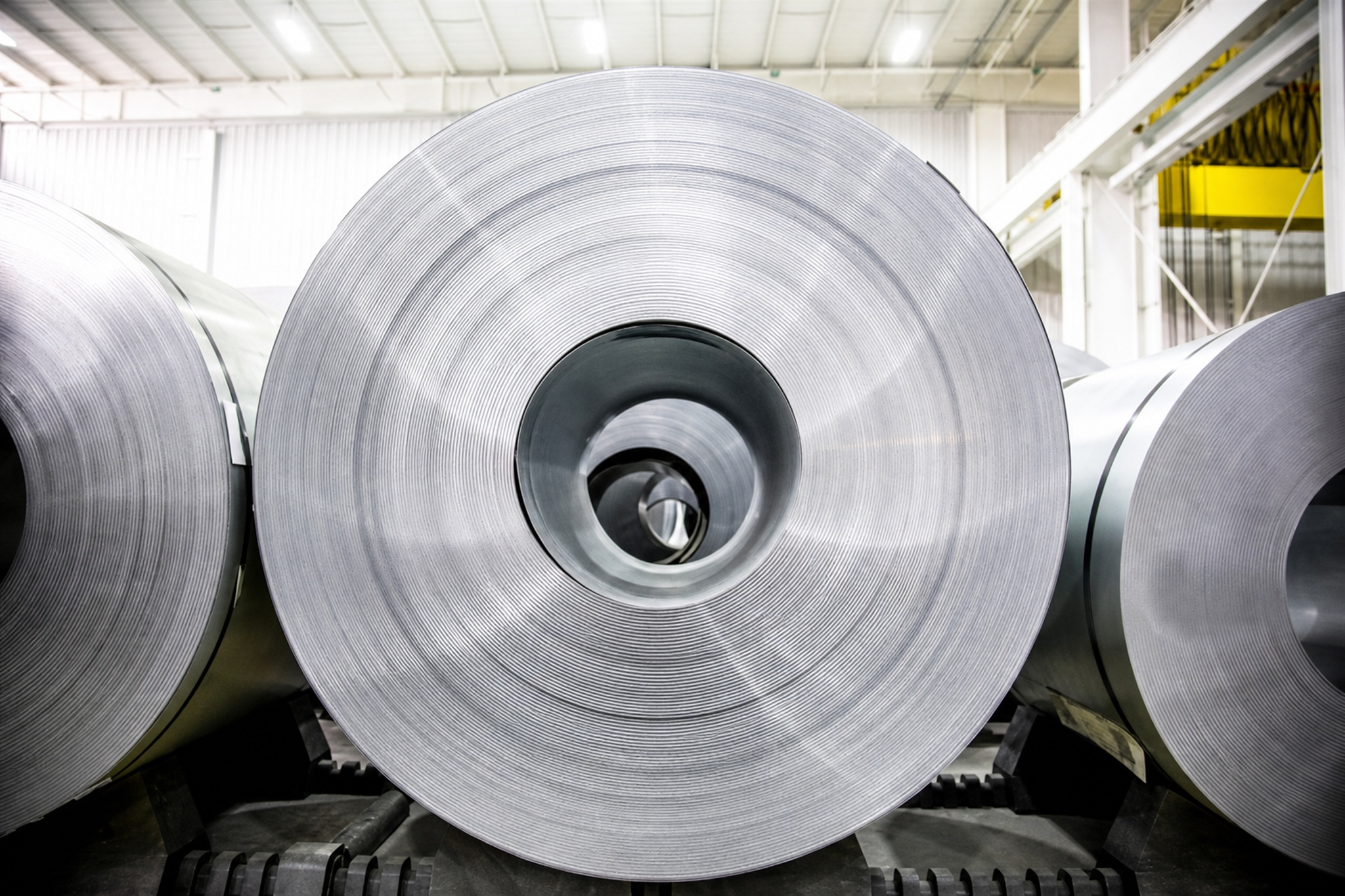
In highly corrosive industrial environments, material selection directly determines equipment life and production safety. As an industrial pure zirconium material (Zr+Hf≥ 99.2%), UNS R60702 foil exhibits excellent corrosion resistance in extremely acidic media such as hydrochloric acid and sulfuric acid, and its performance is better than titanium alloy and stainless steel. This ultra-thin metal foil (0.02-0.8mm) achieves precise control of thickness tolerance ± 0.001mm (customization limit up to ± 0.0005mm) through 20-roll precision cold rolling and vacuum annealing processes. From chemical seals to electrolysis electrodes, from new energy current collectors to aerospace components, UNS R60702 foil provides key functional value to high-end manufacturing fields with its unique material properties. Its non-magnetic, high purity (surface metal ion content can be controlled at Fe, Ni, etc. ≤ 10ppb), excellent formability and other characteristics are improving the technical level of corrosion protection and precision manufacturing.
1. What Should You Know About Corrosion Resistance Beyond Traditional Materials?
(1) What Should You Know About Long-term Stability in Strong Acid Environments?
UNS R60702 foil exhibits very low corrosion rates in hydrochloric acid (all concentrations), dilute sulfuric acid and organic acid systems, typically less than 0.125mm/year. In contrast, titanium alloy Gr2 will fail quickly in hydrochloric acid, and 304 stainless steel faces the risk of severe pitting corrosion. This material advantage comes from the dense oxide film spontaneously formed on the surface of zirconium, which can maintain the integrity of the protective layer even under complex working conditions such as temperature fluctuations and medium concentration changes.
(2) What Should You Know About Resistance to Pitting and Crevice Corrosion?
Traditional metals are prone to local corrosion damage in chloride ion environments, while the homogeneous crystal structure of UNS R60702 foil effectively inhibits the formation of pitting corrosion sources. In applications involving chlorine-containing media such as seawater desalination and chlor-alkali industry, this material can achieve more than 10 years of trouble-free operation, significantly reducing the frequency of equipment maintenance and the risk of sudden shutdowns.
(3) What Should You Know About Adaptability to Mixed Media Environments?
Chemical production often involves complex systems in which acid-base alternation and redox coexist. UNS R60702 foil exhibits stable performance in these dynamic corrosive environments without accelerated corrosion due to media switching. Experimental data shows that after immersing in sulfuric acid-nitric acid mixed acid (pH<1) for 1000 hours, the material thickness loss does not exceed 0.003mm, which is much lower than the corrosion rate of nickel-based alloys.
2. Why Is Core Technical Advantages in Precision Manufacturing Important?
(1) What Should You Know About Ultra-thin and Wide-width Processing Capabilities?
A 750mm 20-roll precision rolling mill is used to achieve stable mass production in the thickness range of 0.02-0.8mm, with a maximum width of up to 670mm. Multi-pass cold rolling combined with intermediate annealing process ensures that the material maintains uniform elongation (≥ 20%) even in an extremely thin state. This processing capability breaks through the technical bottleneck of traditional equipment in ultra-thin and wide-width products, making it possible to mass produce large-size sealing gaskets and electrode substrates.
Processing parameters | Standard specifications | Customization to the extreme | Industry comparison |
Thickness range | 0.02-0.8mm | ≥ 0.005mm | 60% thinner than conventional production lines (based on single-stand rolling mill) |
Width capability | 350-670mm | Maximum 680mm | Compared with the conventional zirconium foil production line, the width advantage is more than 40% |
Thickness tolerance | ± 0.001mm | ± 0.0005mm | Accuracy increased by 5 times |
(2) What Should You Know About Microstructure Uniformity Control?
Continuous vacuum annealing technology (temperature fluctuation ± 2℃) eliminates cold working residual stress and keeps the grain size distribution in a narrow range of 8-15um. This homogenized structure gives the material stable mechanical properties and corrosion resistance, avoiding premature failure caused by local weak points. Metallographic examination shows that the microhardness variation between batches is less than 3%, ensuring performance consistency in large-scale applications.
(3) What Should You Know About Surface Cleanliness and Activity Control?
Ultrasonic cleaning and alkali cleaning processes stabilize the surface dyne value at 40 mN/m, eliminating contaminants such as grease and oxides. The high-clean surface not only improves welding reliability, but also ensures the stability of the electrode interface in electrochemical applications. In semiconductor-level applications, the surface metal ion content can be controlled to ≤ 10ppb such as Fe and Ni to meet high-purity process requirements.
3. Why Is Performance in Key Application Areas Important?
(1) What Should You Know About Chemical Anti-corrosion Sealing System?
In highly corrosive equipment such as hydrochloric acid storage tanks and pickling tanks, gaskets and liners made of UNS R60702 foil can withstand temperatures ranging from -20℃ to 150℃. The low creep characteristics of the material ensure the long-term sealing of the flange connection, and the leakage rate within the 5-year re-inspection period is less than 10⁻⁶ mbar·L/s. Data from a European chemical company (based on industry technical reports) show that the seal failure rate dropped by 82% after using this material.
(2) What Should You Know About Electrolysis and Electroplating Electrode Structure?
As an electrolytic cell diaphragm support material, UNS R60702 foil’s low resistance (35μΩ·cm) and high corrosion resistance balance energy efficiency and longevity. In the chlor-alkali electrolysis process, the anode base material made of this material can withstand a current density of 6000A/m² and has a service life of more than 8 years, which is much higher than the 3-5 year cycle of titanium-based materials.
(3) What Should You Know About New Energy Battery Current Collector?
The negative electrode current collector of lithium-ion batteries requires materials that have both conductivity, electrolyte corrosion resistance and lightweight properties. The density of UNS R60702 foil is 6.51g/cm³, which is between copper (8.9g/cm³) and aluminum (2.7g/cm³), achieving weight reduction while ensuring structural strength. Its corrosion current density in carbonate electrolyte is less than 0.1μA/cm², which effectively extends the battery cycle life.
Application areas | key performance indicators | UNS R60702 performance | Comparison of competing products |
Chemical seal | Creep rate (150℃/1000h) | <0.5% | Titanium foil: 1.2% |
electrolysis electrode | Corrosion resistance life (chlor-alkali working conditions) | >8 years | Titanium substrate: 3-5 years |
battery current collector | Corrosion current density | <0.1μA/cm² | Copper foil: 0.8μA/cm² |
4. What Should You Know About Process Adaptability and System Integration Capabilities?
(1) What Should You Know About Forming Performance?
The tensile strength of the annealed material is ≤ 380MPa and the elongation is ≥ 20%, making it suitable for complex forming processes such as deep drawing, bending, and flanging. In the production of stamped gaskets, the material can withstand more than 50% thinning rate without cracking. This plasticity advantage reduces mold costs and improves the production yield of complex parts.
(2) What Should You Know About Compatibility with Various Welding Methods?
UNS R60702 foil supports various connection methods such as argon arc welding, resistance welding, and laser welding. The strength of the weld can reach more than 85% of the base metal, and the width of the heat-affected zone is controlled within 2mm. In vacuum system manufacturing, the helium mass spectrometry leak detection rate of welded joints is better than 10⁻¹⁰ mbar·L/s, meeting the needs of ultra-high vacuum applications.
(3) What Should You Know About Composite Ability with Dissimilar Materials?
Through technologies such as explosive lamination and rolling lamination, UNS R60702 foil can be combined with steel plates, copper plates, etc. to form a multi-functional composite material with corrosion resistance, structural strength and conductivity. A certain marine engineering project uses zirconium-steel composite panels, which not only ensures corrosion resistance on the seawater side, but also meets the structural load-bearing requirements, reducing the overall cost by 40%.
5. What Should You Know About Economy and Reliability Throughout the Life Cycle?
(1) What Should You Know About Reduction in Equipment Maintenance Costs?
Although the initial purchase cost of UNS R60702 foil is 30-50% higher than that of ordinary materials, its ultra-long service life (8-15 years) dilutes the annualized cost. The lining replacement cycle of a pharmaceutical company’s reactor has been extended from 18 months to 10 years (typical working conditions: dilute sulfuric acid medium, temperature ≤ 100℃), saving more than US$2 million in downtime losses. The equipment availability rate increased from 87% to 98%, and the increase in production capacity was directly converted into economic benefits.
(2) What Should You Know About Security Risk Management and Control?
Leak accidents caused by material failure may cause personal injury, environmental pollution and production interruption. The high reliability of UNS R60702 foil minimizes such risks. In nuclear industry applications, its low neutron absorption cross-section (thermal neutron σ<0.2 barn, data derived from ASTM B551 standard) and excellent irradiation stability ensure the long-term safe operation of reactor components.
(3) What Should You Know About Stability Guarantee for Batch Supply?
The total production capacity of zirconium materials with an annual output of 3, 000 tons (including zirconium plates, zirconium rods, zirconium tubes, etc.) and 90% automated production lines ensure the on-time delivery of large batch orders. The full-process quality traceability system records the chemical composition, mechanical properties and surface quality data of each roll of material, and performance fluctuations between batches are controlled within ± 2%. This supply chain stability is crucial for progress control of large-scale engineering projects.
Economic indicators | 5-year total cost of ownership comparison | UNS R60702 scheme | Ti Gr2 solution | 316L stainless steel solution |
Material procurement | initial investment | 100% (baseline) | 70% | 40% |
Replacement frequency | 5 year cycle | 0 times | 2 times | 4 times |
downtime loss | cumulative impact | 0.5% | 8% | 18% |
comprehensive cost | Total after discount (calculated based on 5% discount rate) | benchmark | +35% | +120% |
6. What Is the Conclusion?
UNS R60702 foil is becoming a key material in high-end manufacturing fields such as chemical industry, energy, and aerospace due to its corrosion resistance in strong acid environments, precision processing capabilities, and full life cycle economy. From stable mass production of ultra-thin and wide widths to reliable application in complex working conditions, this industrial pure zirconium material breaks through the performance limitations of traditional metals and provides a solid guarantee for the long-term safe operation of equipment. With the continuous optimization of manufacturing processes and the expansion of application fields, its market value will be further highlighted.
FAQ
Q1: What is the performance difference between UNS R60702 foil and titanium foil in hydrochloric acid environment?
In 20% hydrochloric acid at room temperature, the corrosion rate of titanium foil exceeds 10mm/year and is basically unusable, while the corrosion rate of UNS R60702 foil is less than 0.1mm/year and can achieve stable service for more than 10 years. This performance difference makes zirconium foil the material of choice for hydrochloric acid service.
Q2: Will ultra-thin (0.02mm) materials affect mechanical strength?
Through precision cold rolling and annealing process optimization, the 0.02mm thick UNS R60702 foil still maintains a tensile strength of ≥ 280MPa and an elongation of ≥ 20%. In the application of sealing gaskets, reasonable structural design can enable ultra-thin materials to withstand sealing pressures of more than 3MPa, meeting the needs of most industrial scenarios.
Q3: Does the welding processing of materials have special requirements for equipment?
UNS R60702 foil welding requires argon or helium protection to prevent oxidation. It is recommended to use a shielding gas with a purity of ≥ 99.99%. The welding parameters are similar to those of titanium. Existing titanium welding equipment can be used with slight adjustments. There is no need to invest in new equipment, and the technical threshold is relatively low.
How Should Find a Reliable UNS R60702 Foil Supplier?
Baoji Titanium Nickel Zirconium Material Processing Co., Ltd. focuses on the precision manufacturing of high-end zirconium foil materials. It has an advanced production line with an annual output of 3, 000 tons of zirconium materials and a complete quality system. We provide customized products with thicknesses of 0.02-0.8mm and widths up to 680mm to meet your stringent application needs. Welcome to contact us for technical support and quotation plan: sales@titaniumvalleys.com
References
- Li Jianping, Zhang Wei. Research on the electrochemical behavior of industrial pure zirconium in highly corrosive media [J]. Corrosion Science and Protection Technology, 2021, 33(4): 325-332.
- Wang Jianguo, Liu Ming. Precision rolling technology and microstructure and property control of ultra-thin zirconium foil [J]. Rare Metal Materials and Engineering, 2020, 49(11): 3821-3828.
- Zhao Zhigang, Chen Xiaodong. Application and failure analysis of UNS R60702 zirconium alloy in chemical equipment [J]. Chemical Equipment Technology, 2022, 43(2): 45-50.
- Sun Wei, Zhou Qiang. Irradiation performance and long-term service behavior of nuclear-grade zirconium materials [J]. Atomic Energy Science and Technology, 2019, 53(8): 1476-1483.