
What Are the Differences in Comparison of Gr12 Titanium Wire and Other Titanium Wire Grades, the Best Choice in Harsh Corrosive Environments?
- GR12 Titanium Wire
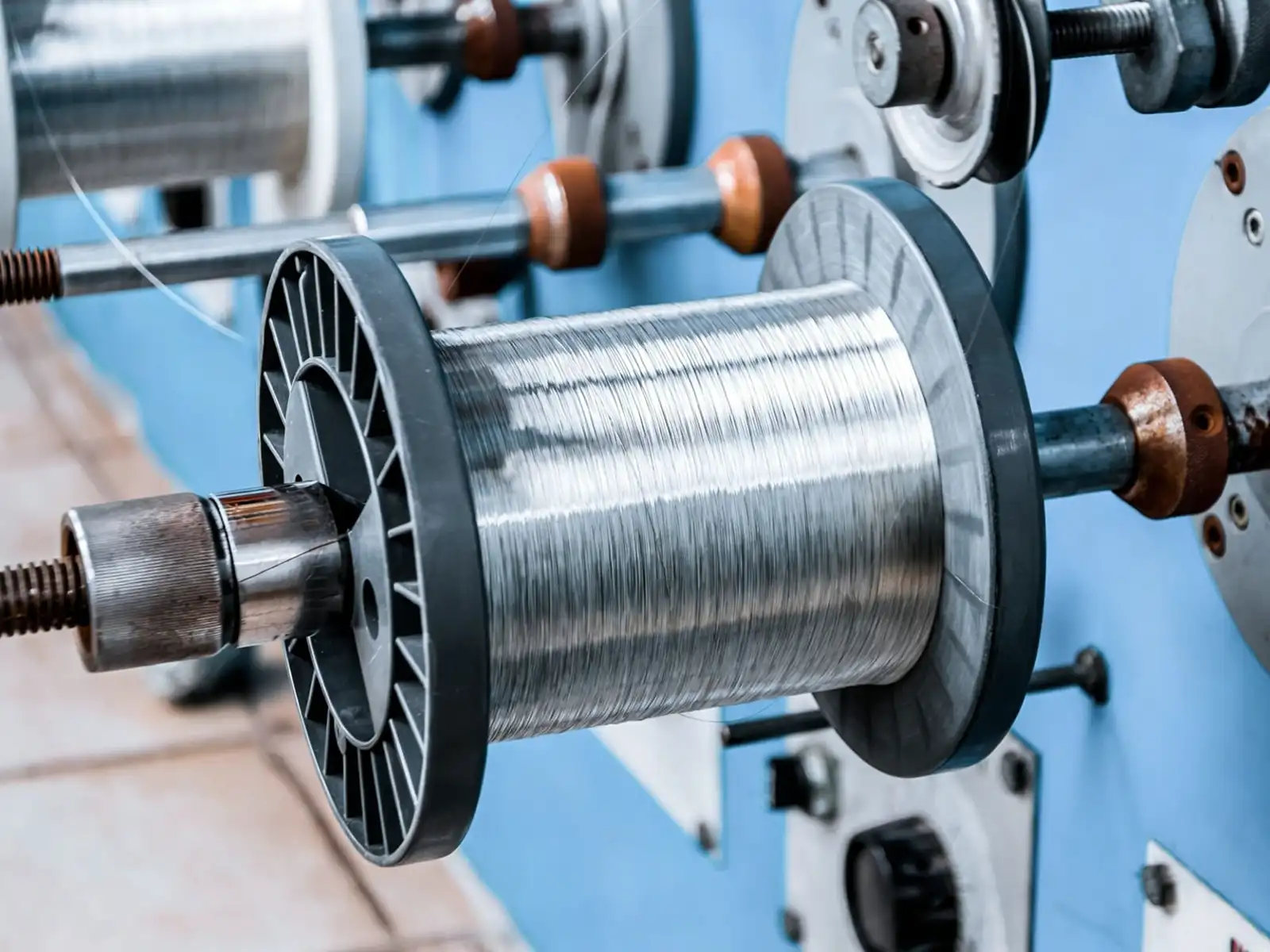
In harsh corrosive environments such as chemical industry, marine engineering, and oil and gas exploration, equipment failure often results from improper material selection. With its molybdenum-nickel alloy design, Gr12 titanium wire far exceeds industrial pure titanium in terms of pitting corrosion resistance, crevice corrosion resistance and high temperature stability, making it an ideal material for strongly reducing media and chloride ion environments. Compared with Gr1/Gr2 pure titanium wire, Gr12 performs well in strong corrosive media such as sulfuric acid and hydrochloric acid; compared with Gr5 high-strength titanium alloy, its welding performance and cost control are more advantageous. This kind of alloy wire that balances strength, toughness and super corrosion resistance has become a reliable choice under harsh working conditions, providing guarantee for enterprises to avoid safety hazards and reduce operation and maintenance costs.
1. What Should You Know About Panoramic View of Titanium Wire Grade System: Performance Ladder From Pure Titanium to Alloy?
(1) What Should You Know About Basic Characteristics of Industrial Pure Titanium Wire?
Industrial pure titanium (Gr1, Gr2, Gr4) is known for its excellent biocompatibility and normal temperature corrosion resistance, and is widely used in medical implants, food processing equipment and mild oxidizing environments. Gr1 has the lowest oxygen content (≤ 0.18%), the best ductility, and is suitable for deep drawing forming; Gr2, as a general grade, has balanced comprehensive properties; Gr4 obtains higher strength by increasing the oxygen content (0.25%-0.40%). However, this type of material will suffer from failure risks such as intergranular corrosion and hydrogen embrittlement in high temperature, reducing acid or high-concentration chloride environments, and cannot meet the needs of complex working conditions such as petrochemical industry and seawater desalination.
(2) What Should You Know About the Performance Improvement Logic of Alloyed Titanium Wire?
Titanium alloys break through the limitations of pure titanium by adding elements such as molybdenum, nickel, aluminum, and vanadium. Gr12 titanium wire (Ti-0.3Mo-0.8Ni) is a nearly α-type corrosion-resistant alloy. The molybdenum element strengthens the titanium matrix through alloying and promotes the formation of a denser passivation film on the surface. The nickel element improves the ability to resist reducing media; Gr5 titanium wire (Ti-6Al-4V) is an α+β type structural alloy. The aluminum-vanadium ratio gives high specific strength, but poor welding performance. Gr7 titanium wire significantly enhances its crevice corrosion resistance by adding palladium (0.12%-0.25%), but the cost is 2-3 times that of Gr12. The alloying route is essentially about finding the optimal balance between strength, corrosion resistance, processability and economy.
(3) What Should You Know About Different Industries Have Different Core Demands for Titanium Wire?
The aerospace field pursues the ultimate specific strength, and Gr5 has become the mainstream choice; medical equipment emphasizes biological inertness and plasticity, and Gr1/Gr2 dominates; chemical equipment faces the superposition of multiple corrosive media, requiring materials such as Gr12 that have both medium and high strength and comprehensive corrosion resistance. Mooring cables and heat exchanger tube bundles in offshore engineering, fasteners and elastic components on oil platforms, and spray systems in desulfurization equipment – the common features of these scenarios are high chloride ion concentration, large temperature fluctuations, and obvious stress concentration. Traditional materials often perforate or crack at local weak points, resulting in high maintenance costs and potential safety hazards.
2. Why Is Analysis of the Core Technical Advantages of Gr12 Titanium Wire Important?
(1) What Should You Know About Molybdenum-nickel Synergistic Mechanism?
Molybdenum element produces a strengthening effect through alloying in the titanium matrix, and at the same time promotes the formation of a denser TiO2-MoO₃ composite passivation film on the surface. This film layer remains stable in the pH range of 2-12 and effectively blocks the penetration of chloride ions. The nickel element improves the electrochemical behavior of the alloy in a reducing environment, reduces the hydrogen ion reduction reaction rate, and inhibits the tendency of hydrogen embrittlement. The synergy of the two makes the corrosion rate of Gr12 in boiling 10% sulfuric acid, 35% hydrochloric acid and oil and gas well fluids containing H₂S/CO₂ lower than 0.05mm/year, which is much better than the 1.2mm/year of 316 stainless steel. This micro-mechanism translates into macro-performance: equipment life is extended by 3-5 times, and the number of unplanned downtimes is reduced by more than 60%.
(2) What Should You Know About Balance of Medium to High Strength and Excellent Ductility?
The tensile strength of Gr12 titanium wire reaches 480-620MPa, and the yield strength is ≥ 380MPa, which is 1.4 times that of Gr2 pure titanium and can bear structural loads. The elongation rate ≥ 18% ensures good cold working performance. The φ1.0mm wire can be bent repeatedly at 180° without cracking, meeting the needs of complex pipeline layouts. This combination of mechanical properties enables designers to reduce wall thickness and reduce the weight of equipment, which is especially suitable for weight-sensitive scenarios such as mobile desalination devices and offshore platform modular equipment. In contrast, although Gr5 has higher strength, it has insufficient room temperature ductility and requires thermal processing assistance; Gr7 has low strength and needs to increase the amount of material.
(3) What Should You Know About Welding Performance and Whole-process Quality Controllability?
Under the premise of using appropriate welding processes (such as argon arc welding and plasma welding), the welding joint coefficient of Gr12 can reach 0.95, and the grains in the heat-affected zone are refined and there is no obvious embrittlement tendency. This is crucial for on-site assembly of chemical pressure vessels and heat exchanger tube bundles – the welding repair rate is less than 2%, which is much lower than the 8%-12% of titanium aluminum vanadium alloy. In the entire process from raw materials to finished wire, vacuum smelting strictly controls gas impurities (hydrogen content is usually ≤ 0.015%, oxygen content ≤ 0.25%), continuous rolling avoids structural unevenness caused by multiple heatings, and online flaw detection eliminates internal defects. Each batch comes with chemical composition, mechanical properties and corrosion test reports. This traceability system enables equipment manufacturers to successfully pass international certifications such as ASME and PED, eliminating obstacles to project acceptance.
3. What Should You Know About Multidimensional Comparative Analysis of Mainstream Titanium Wire Brands?
(1) What Should You Know About Cross-sectional Evaluation of Corrosion Resistance?
Trademark | oxidizing acid | reducing acid | Chloride solution | crevice corrosion | High temperature stability | Typical failure scenarios |
Gr1/Gr2 | excellent | medium | good | medium | ≤ 280℃ | Pitting corrosion in high temperature chloride environment |
Gr4 | excellent | medium | good | medium | ≤ 315℃ | High temperature intergranular corrosion in concentrated sulfuric acid |
Gr12 | excellent | excellence | excellence | excellent | ≤ 400℃ | Pitting corrosion may occur under extreme operating conditions |
Gr7 | excellent | excellent | excellence | excellence | ≤ 350℃ | Cost limit application scope |
Gr5 | medium | Difference | Difference | Difference | ≤ 315℃ (corrosive environment) | Marine environment stress corrosion cracking |
In the accelerated corrosion test simulating oil field produced water, the Gr12 sample showed excellent corrosion resistance and the surface passivation film was intact; while Gr2 showed obvious pitting pits and 316L stainless steel suffered from comprehensive corrosion. Performance gaps of this order of magnitude are directly related to whether the equipment can safely operate during the design cycle.
(2) What Are the Differences in Comprehensive Comparison of Mechanical Properties and Processability?
Performance indicators | Gr1 | Gr2 | Gr4 | **Gr12** | Gr5 | Gr7 |
Tensile strength (MPa) | 240-410 | 340-510 | 550-750 | 480-620 | 895-930 | 340-510 |
Yield strength (MPa) | ≥ 170 | ≥ 280 | ≥ 485 | ≥ 380 | ≥ 828 | ≥ 280 |
Elongation (%) | ≥ 24 | ≥ 20 | ≥ 15 | ≥ 18 | ≥ 10 | ≥ 20 |
Cold working difficulty | easy | easy | middle | middle | Disaster | easy |
Welding performance | excellent | excellent | good | excellent | Need to preheat | excellent |
relative cost | 1.0 | 1.1 | 1.3 | 1.6 | 2.2 | 2.8 |
Gr12 surpasses all industrial pure titanium in terms of strength, and its toughness remains within an acceptable range, avoiding the processing cracking problem of Gr5 due to insufficient plasticity. For ultra-fine wires that need to be cold drawn to φ0.3mm or less, the stable ductility of Gr12 titanium wire ensures continuous production and the yield rate is 15 percentage points higher than that of Gr4.
(3) What Should You Know About Full Life Cycle Cost-benefit Analysis?
A case study of a heat exchanger tube bundle in a seawater desalination plant shows: Gr2 pure titanium was used with an initial investment of 1 million yuan, and it was replaced after 3 years due to pitting corrosion and leakage, with a cumulative cost of 2.1 million yuan; switching to Gr12, with an initial investment of 1.6 million yuan, has no failure record after 8 years of operation, and the average annual cost after depreciation is reduced by 40%. The cost components include material fees, processing fees, welding labor costs, downtime losses and maintenance costs. Although the unit price of Gr12 is higher, the durability brings about extended maintenance cycles, reduced spare parts inventory, and improved production continuity, making the overall economic benefits significantly better than frequently replaced low-priced materials. In the context of carbon neutrality, extending the life of equipment itself is an effective way to reduce resource consumption.
4. Why Is Typical Application Scenarios in Harsh Corrosive Environments Important?
(1) How Should Material Selection of Key Components in Chemical Equipment?
The electrolytic cell anode hooks and wet chlorine pipeline connectors in the chlor-alkali industry are exposed to the extreme environment of saturated chlorine + salt spray for a long time. Gr2 pure titanium developed stress corrosion cracks within 6 months under these conditions, while the Gr12 molybdenum-nickel alloy layer effectively blocked chloride ion erosion and continued to operate for more than 3 years without abnormality. The high-temperature oxidation reactor in the purified terephthalic acid (PTA) production line has an operating temperature of 200-240℃. The medium contains acetic acid, bromide and compressed air. The heating coil made of Gr12 wire maintains structural integrity under the dual effects of thermal cycle and chemical corrosion, while ordinary stainless steel will appear perforated in 6 months.
(2) What Should You Know About Reliability Guarantee for Ocean Engineering?
The titanium alloy cable joints of deep-sea mooring systems bear cyclic tensile loads and seawater erosion. Gr12’s fatigue resistance (strength retention rate after 106 cycles is >85%) and seawater corrosion resistance make it the first choice. The support springs of the flare system of offshore oil platforms need to maintain elasticity under the alternating action of sulfur-containing natural gas combustion products (SO₂, H₂S) and the ocean atmosphere. The elastic modulus of Gr12 decreases by <3% after simulating 500 thermal shock cycles, which is much better than the 12% attenuation of Gr4. For the UV disinfection device of the ship’s ballast water treatment system, the sealing wire ring between the quartz sleeve and the reactor is made of Gr12, which is resistant to sodium hypochlorite residue and temperature fluctuations, and has a 5-year maintenance-free period to meet the needs of ocean shipping.
(3) What Should You Know About Technological Breakthroughs in the Field of Energy and Environmental Protection?
The spray layer and mist eliminator fixings of the flue gas desulfurization device of the coal-fired power plant are immersed in the absorption liquid with pH=4-5, chloride ion content of 5000ppm, and temperature of 50-80℃. After 18 months of continuous operation of the Gr12 wire-woven defogging net, the wire diameter corrosion amount is <0.01mm, and the mesh size change rate is <2%, ensuring that the desulfurization efficiency is stable at more than 95%. In the heat exchanger tube bundle of a geothermal power station, the geothermal fluid contains high concentrations of hydrogen sulfide and carbon dioxide. The φ2.0mm reinforced ribs welded to Gr12 pipes have been operated in an environment of 150℃ and pH=3 for 5 years. No signs of intergranular corrosion were found in metallographic examination. In the proton exchange membrane fuel cell bipolar plate flow channel in the hydrogen energy industry chain, Gr12 ultra-fine wire is formed by laser welding, which has both conductivity and corrosion resistance. It has a lifespan of more than 8, 000 hours under the dual effects of acidic environment (pH=2-3) and electrochemical reactions.
5. How Should Material Selection Decision-making Framework and Procurement Key Points?
(1) What Should You Know About Key Dimensions of Condition Assessment?
Five major parameters need to be clarified to establish the material selection matrix: corrosive medium type (oxidizing/reducing, pH value, chloride ion concentration), operating temperature range and fluctuation frequency, mechanical stress state (static load/dynamic load/impact), welding and forming process requirements, budget constraints and life cycle expectations. When the working conditions simultaneously meet the four conditions of “chloride ions>500ppm”, “pH<6 or reducing acid present”, “temperature>60℃”, and “requires welding or cold forming”, Gr12 is the best cost-effective choice. If there is only a single harsh factor, Gr2 or Gr4 may be sufficient; if the budget is sufficient and extreme corrosion resistance is required, Gr7 is an upgrade solution.
(2) What Should You Know About Verification Points of Quality Certification System?
Complete material certificates are required when purchasing: chemical composition spectrum analysis report (confirm that the Mo and Ni content are within the range of 0.20%-0.40% and 0.60%-0.90%), tensile test report (room temperature and high temperature data), intergranular corrosion test results, and ultrasonic flaw detection records. Pay attention to whether the manufacturer has vacuum consumable electric arc furnace (VAR) or electron beam cooling furnace (EBCHM) melting capabilities, and whether the continuous rolling line is equipped with GCC short stress rolling mill – these equipment directly determine the purity of the material and the uniformity of the structure. For critical applications, you can request corrosion test data under simulated working conditions witnessed by a third party, or on-site verification reports after small batch trials.
(3) What Should You Know About Supply Chain Stability and Technical Services?
High-quality suppliers should provide full-size coverage from φ0.1mm ultra-fine wire to φ10.0mm thick specifications, supporting two forms: coiled wire (500-3000 meters/roll, suitable for automated welding) and straight bar (fixed length accuracy ± 5mm, easy for manual operation). The surface state can be selected from pickled state (universal type, removes oxide scale), bright state (high precision, suitable for medical electronics), sandblasted state (enhanced bonding force, used for composite materials). Technical services include: providing welding process parameter recommendations (protective gas flow, current and voltage curves), cold working area reduction rate control suggestions, annealing system customization, and failure analysis support. Inventory responsiveness is equally important – regular specifications are shipped within 48 hours, and non-standard customization cycles are controlled within 15 working days to ensure that project progress is not hindered by material supply.
6. What Is the Conclusion?
Gr12 titanium wire achieves the best ratio of corrosion resistance, strength and processability through molybdenum-nickel alloying, and performs well in strong reducing media, high chlorine environments and high temperature conditions. Compared with industrial pure titanium, its overall corrosion resistance is increased by 3-5 times; compared with high-strength titanium alloys, its welding performance and cost control are more advantageous. Facing increasingly severe corrosion challenges in chemical, marine, energy and other fields, Gr12 titanium wire has become a reliable guarantee for the long-term safe operation of equipment, providing core material support for companies to reduce costs, increase efficiency, and avoid risks.
FAQ
Q1: What is the performance difference between Gr12 titanium wire and Gr7 titanium wire in seawater environment?
Both have excellent resistance to seawater corrosion. Gr7 is slightly better than Gr12 in crevice corrosion resistance by about 15%-20% due to the addition of palladium. However, Gr12 can meet most marine engineering needs through the synergy of molybdenum and nickel, and the cost is only 55%-60% of Gr7. It has better overall economy and is suitable for large-scale application scenarios.
Q2: How to determine whether existing equipment should be upgraded from Gr2 to Gr12?
It is recommended to upgrade when the following signals appear: local corrosion occurs when the equipment runs less than 50% of the design life; maintenance frequency exceeds 2 times per year; the operating temperature rises above 80℃ or the chloride ion concentration increases; hydrogen sulfide, carbon dioxide and other reducing components are added to the medium. After upgrading, the life of the equipment can usually be extended by 2-3 times.
Q3: Are special protection measures required when welding Gr12 titanium wire?
Argon gas back protection (purity ≥ 99.99%) is required to prevent oxidation and discoloration of the weld. It is recommended that the welding current be reduced by 10%-15% compared to pure titanium to control heat input, and the interlayer temperature should be kept ≤ 150℃. Good joint performance can be obtained without heat treatment after welding, but when used in pressure vessels, radiographic or ultrasonic testing is required according to specifications to ensure the quality of the weld.
How Should Choose Professional Suppliers to Ensure Project Success?
As a professional manufacturer of Gr12 titanium wire, Baoji Titanium Valley Titanium Nickel Zirconium Material Processing Co., Ltd. relies on the Italian Danieli continuous rolling production line with an annual output of over 20, 000 tons of high-precision titanium alloy wire. We provide full specification customization from φ0.1-φ10.0mm, complete quality traceability system and full-process technical support. No matter what severe corrosion challenge you face, our engineering team is ready to provide you with material selection advice and application guidance. Contact sales@titaniumvalleys.com now for technical solutions and sample testing services.
References
- Li Xiaohong, Zhang Guodong. Corrosion resistance and engineering applications of titanium alloys[M]. Beijing: Chemical Industry Press, 2021.
- Zhao Yongqing, et al. Titanium Alloy Handbook[M]. Beijing: Metallurgical Industry Press, 2017.
- Zhang Limin, et al. Application of titanium and titanium alloys in chemical equipment [J]. Chemical Machinery, 2018, 45(3): 1-5.