
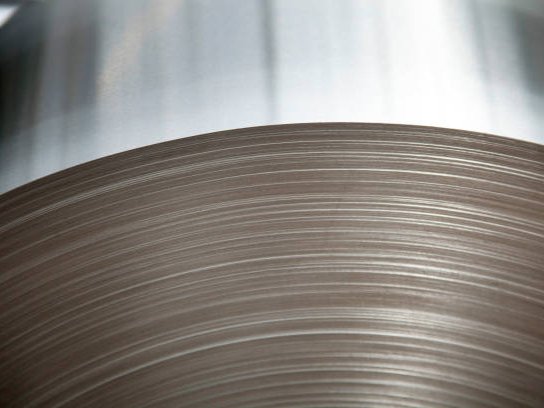
Nickel 200 foil is a commercially pure nickel material. Its nickel content stays above 99.0%, with typical values between 99.2% and 99.6%. It delivers solid electrical conductivity, strong resistance to alkaline corrosion and stable processing performance. It holds a vital position in new energy batteries, electrochemical devices and precision electronics. Manufacturers produce this ultra-thin nickel strip with repeated precision rolling processes. Its thickness ranges from 0.03 mm to 0.8 mm, and its width covers 350 mm to 670 mm. It meets demands for high-precision electrical connections, electrode production and chemical anti-corrosion work. When compared with other metal foils such as titanium foil, Nickel 200 foil carries better electrical conductivity inside alkaline media. It also has great formability and welding performance. It becomes the top pick for workplaces that need steady electric current transfer.
1. Basic Property Features of Nickel 200 Foil
1.1 Chemical Composition and Purity Standards
Nickel 200 foil carries a typical nickel content above 99.6%. It meets requirements of UNS N02200 and ASTM B162 standards. Factories enforce strict limits on its chemical makeup: carbon ≤ 0.15%, iron ≤ 0.40%, manganese ≤ 0.35%, silicon ≤ 0.35%, sulfur ≤ 0.01%. This high-purity composition keeps the material stable during electrochemical work. It stops impurity elements from cutting down electrical conductivity and anti-corrosion ability. High-purity nickel owns even microstructures and refined grains. It creates solid material conditions for later precision processing. One note for users: choose low-carbon Nickel 201 (carbon ≤ 0.02%) for long-term service above 315°C. This choice avoids material brittleness from separated intergranular carbides.
1.2 Physical Performance Parameters
Nickel 200 foil has a density of 8.9 g/cm³ and a melting point of 1455°C. It keeps stable structure under relatively high temperatures. This material shows weak magnetism. Its magnetism becomes even weaker at full purity, so it fits electronic devices sensitive to magnetic fields. Its electrical conductivity reaches about 14.6% IACS, far higher than titanium alloy foil (roughly 3% IACS). It effectively cuts energy loss during electric current transfer. Its thermal conductivity falls between 70 W/(m·K) and 90 W/(m·K), with reliable heat transfer ability. These physical traits give Nickel 200 foil unique value in battery tabs, electromagnetic shielding layers and heating parts.
1.3 Mechanical Performance
Annealed Nickel 200 foil (M state) has tensile strength from 380 MPa to 450 MPa and elongation above 30%. It holds strong plasticity and forming capacity. Cold-worked Nickel 200 foil (Y state) lifts tensile strength to 550 MPa–650 MPa, yet its elongation drops to 8%–15%. Operators adjust annealing process parameters to precisely balance material hardness and ductility. This adjustment satisfies different processing needs like stamping, bending and welding. This adjustable mechanical performance brings process flexibility for complex part manufacturing and precision assembly.
Performance Comparison between Nickel 200 Foil and Titanium Foils
| Performance Index | Grade 2 Titanium Foil | Grade 5 Titanium Alloy Foil | Nickel 200 Foil |
|---|---|---|---|
| Density | Low (4.5 g/cm³) | Low (4.4 g/cm³) | High (8.9 g/cm³) |
| Electrical Conductivity | Poor (~3% IACS) | Poor (~1% IACS) | Good (~14.6% IACS) |
| Corrosion Resistance | Strong (oxidizing & alkaline environments) | Strong (oxidizing & alkaline environments) | Strong (alkaline & reducing environments) |
| Formability | Good | Medium | Excellent |
| Typical Uses | Structural & anti-corrosion parts | High-strength structural parts | Conductive parts & electrodes |
2. Core Technical Advantages of Nickel 200 Foil
2.1 Ultra-Thin Wide-Width Precision Rolling Capacity
Mass production of 0.03 mm–0.30 mm Nickel 200 foil faces common industry troubles: uneven thickness, hard strip shape control and severe work hardening. Factories adopt multi-roll precision rolling machines. They combine repeated cold rolling and intermediate annealing as the production route. This route locks thickness tolerance within ±0.002 mm to ±0.005 mm. The production line installs high-precision thickness measuring systems and automatic strip shape adjusters. These tools track and fix rolling deviations in real time. This technology supports stable mass production of ultra-thin nickel foil with 350 mm–670 mm width. It fully solves the traditional industry problem: thinner foils bring harder processing and worse strip shape control.
2.2 Surface Cleanliness Control Technology
Oil stains and impurities on Nickel 200 foil surfaces heavily damage electrical conductivity and welding quality. Factories combine ultrasonic cleaning and alkaline liquid treatment processes. These steps keep surface dyne values steady between 38 and 44, matching cleanliness standards for electronic-grade materials. Continuous cleaning and annealing lines integrate multi-stage washing, vacuum annealing and protective atmosphere cooling functions. They avoid surface oxidation and secondary pollution from traditional batch processing. Nickel foil after surface treatment carries even metallic luster. Workers use it directly for precision welding and electroplating without extra surface pre-treatment.
2.3 Uniform Microstructure and Consistent Performance
Continuous annealing equipment holds temperature control accuracy of ±2°C, with full protective atmosphere coverage. This setup delivers even material microstructures and consistent grain sizes. Solid solution heat treatment further removes processing stress and optimizes the match between plasticity and strength. Full-process quality monitoring covers four major areas: chemical composition, mechanical performance, dimensional precision and surface quality. It guarantees steady performance across different production batches. This systematic quality control lets the material serve application scenarios such as new energy batteries that demand high performance consistency.
Technical Specification Parameters of Nickel 200 Foil
| Technical Index | Standard Specifications | Custom Specifications | Control Precision |
|---|---|---|---|
| Thickness Range | 0.03 mm–0.8 mm | 0.01 mm–0.03 mm | ±0.002 mm–±0.005 mm |
| Width Range | 350 mm–670 mm | Custom sizes on demand | ±0.5 mm |
| Surface Condition | Bright / Pickled / Matte | Functional treated surfaces | Dyne value: 38–44 |
| Supply State | Annealed M / Cold-worked Y | Half-hard state | Controllable hardness |
3. Application Solutions of Nickel 200 Foil in Core Industries
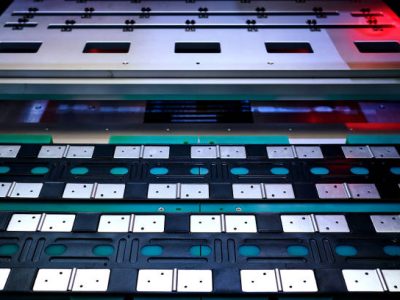
3.1 System Integration for New Energy Batteries
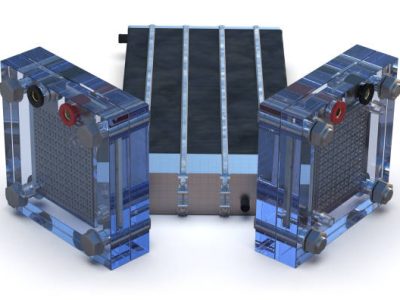
3.2 Electrochemical and Electrolytic Equipment
3.3 Precision Manufacturing for Electronics and Electrical Parts

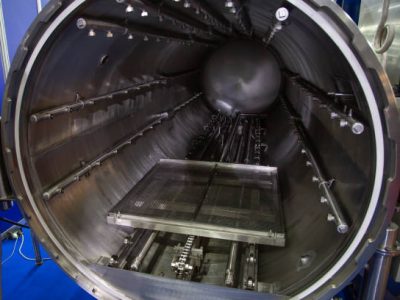
3.4 Components for High-Temperature Vacuum Equipment
| Application Field | Typical Thickness Range | Core Performance Requirements | Main Advantages |
|---|---|---|---|
| Battery Tabs | 0.05 mm–0.15 mm | Electrical conductivity, weldability | Lower internal resistance, higher energy efficiency |
| Electrolytic Electrodes | 0.1 mm–0.3 mm | Alkali resistance, high purity | Long service life, less reaction pollution |
| Electromagnetic Shielding | 0.03 mm–0.08 mm | Strong shielding effect, thin light structure | Less signal interference, smaller space occupation |
| Heating Elements | 0.2 mm–0.5 mm | High temperature resistance, even heat transfer | Stable temperature field, improved working efficiency |
| Precision Stamping Parts | 0.05 mm–0.2 mm | Good formability, high dimensional accuracy | Higher finished product yield |
4. Custom Processing and Quality Assurance of Nickel 200 Foil
4.1 Custom Processing Capacity
The production line holds complete equipment sets: continuous cleaning and annealing lines, vacuum furnaces, leveling machines, slitting machines and brushing lines. It supplies Nickel 200 foil products with customized thickness (0.01 mm–0.8 mm), width (350 mm–670 mm), surface finish (bright / matte / functional coating) and supply state (annealed / cold-worked / half-hard). High-precision slitting technology reduces burrs and edge cracks on ultra-thin foil materials.
4.2 Quality Management System
Nickel 200 foil products follow international standard ASTM B162 and domestic standard GB/T 5235. The factory builds a three-layer quality control system covering raw material inspection, in-process monitoring and finished product testing. Staff use spectrum analysis to test chemical composition. Mechanical performance tests include tensile tests, hardness tests and metallographic analysis. Laser thickness gauges and contour measuring machines check dimensional precision. Every production batch carries material test reports and third-party inspection certificates to meet customer traceability and quality certification demands.
4.3 Supply Capacity
The whole production line delivers thousands of tons of nickel foil each year and handles large bulk orders easily. The factory breaks through multiple key technical difficulties: ultra-thin rolling, strip shape control, surface color difference, uniform annealing, high-precision slitting, high-performance cleaning and batch performance stability. It realizes steady mass production of 0.03 mm–0.30 mm nickel foil. Intelligent production management systems lift overall production efficiency and consistent product quality.
5. Nickel 200 Foil Selection Guide and Industry Development Trends
5.1 Core Factors for Material Selection
Buyers evaluate four key factors when choosing Nickel 200 foil: electrical conductivity, corrosion resistance, mechanical performance and overall cost. Battery and electronic projects prioritize electrical conductivity and surface cleanliness. Chemical equipment manufacturing focuses on alkali resistance. Precision production teams value dimensional accuracy and batch performance stability. Annealed foil fits deep drawing and complex forming parts. Cold-worked foil meets demand for high-strength structural components. Balance product performance and production cost during thickness selection.
5.2 Combined Application with Other Materials
Manufacturers often compound Nickel 200 foil with copper foil, aluminum foil and other metal strips to combine the strengths of each material. Copper-nickel composite strips carry copper’s high conductivity and nickel’s alkali resistance. Engineers use these strips for conductive connections in marine engineering and chemical equipment. Nickel-aluminum laminated materials take advantage of aluminum’s light weight and nickel’s high-temperature stability. They serve thermal protection structures in aerospace equipment. This multi-material composite design expands the usable range of Nickel 200 foil.
5.3 Technology Development Trends
Fast growth of new energy vehicles and energy storage systems creates rising demand for high-performance conductive materials. Three main directions guide technical innovation: first, develop extra-thin foil products (0.01 mm–0.02 mm) for flexible electronics and micro sensors; second, launch functional surface treatment technology to upgrade welding performance and surface electrical conductivity; third, build smart manufacturing and digital quality control systems to raise production efficiency and product consistency. Global carbon neutrality policies and hydrogen energy industry growth push wider use of Nickel 200 foil inside electrolytic hydrogen production devices and fuel cell equipment.
Conclusion
Nickel 200 foil combines high purity, reliable electrical conductivity and powerful alkali resistance. It carries important application value in new energy, electrochemical and precision electronic industries. Advanced rolling technology and strict full-process quality control support stable mass production of 0.03 mm–0.8 mm ultra-thin wide-width nickel foil. The factory delivers customized high-performance materials with stable quality to all customers. Ongoing industrial upgrades and technical innovations will let Nickel 200 foil play core roles in more high-end industrial application scenarios.
FAQ
Q1: What differences sit between Nickel 200 foil and Nickel 201 foil?
Nickel 200 holds carbon content below 0.15%, while Nickel 201 limits carbon to 0.02%. Long-term service above 315°C lets carbon inside Nickel 200 separate into carbides and weaken material performance. Users pick low-carbon Nickel 201 for such high-temperature work. Nickel 200 and Nickel 201 deliver close performance under room temperature and medium temperature (≤315°C). Nickel 200 brings better cost performance for these scenarios.
Q2: How to check if Nickel 200 foil surface cleanliness meets standards?
Workers use three testing methods together for full judgment: dyne pen test (dyne value ≥38), water drop contact angle measurement (good hydrophilic performance), residue inspection after ultrasonic cleaning (no obvious oil stains or solid particles). Buyers for professional projects should ask suppliers to provide official surface cleanliness inspection reports.
Q3: How to estimate the service life of Nickel 200 foil inside strong alkaline environments?
Service life changes based on working conditions such as alkaline liquid concentration, working temperature and current density. Inside 10% sodium hydroxide solution at 80°C, Nickel 200 carries a corrosion rate between 0.05 mm per year and 0.1 mm per year. Users carry out simulated working condition tests or refer to similar industry application cases. Combine safety coefficients from test data to set reasonable material replacement cycles.
Searching for a Trusted Nickel 200 Foil Supplier?
Baoji Titanium Valley Titanium Nickel Zirconium Material Processing Co., Ltd. acts as a professional manufacturer and wholesale factory for Nickel 200 foil. Our annual output reaches 3,000 tons of high-precision nickel foil. Our product thickness covers 0.03 mm–0.8 mm, and width ranges from 350 mm to 670 mm. We accept OEM customized orders. All products fully follow ASTM B162 standards. We supply complete material test reports and official third-party inspection certificates. Contact us to receive customized technical plans and formal quotations: sales@titaniumvalleys.com
References
- China Nonferrous Metals Industry Association. Technical Manual of Nickel and Nickel Alloy Processed Materials[M]. Beijing: Metallurgical Industry Press, 2018.
- Wang Zhigang, Li Minghua. Precision Rolling Technology and Application of Ultra-Thin Nickel Strip[J]. Rare Metal Materials and Engineering, 2021, 50(3): 892-898.
- Zhang Jianmin, Li Huaqiang. Application and Material Selection of Pure Nickel and Nickel-Based Alloys in Chemical Equipment[J]. Chemical Equipment and Piping, 2021(3): 45-52.
- Wang Desheng, Zhao Minghui. Corrosion Behavior and Protection Technology of Ni200 Material in Chlor-Alkali Industry[J]. Corrosion Science and Protection Technology, 2022(4): 298-305.