

Nickel 200 foil works well for steady current flow in alkaline environments. It also resists corrosion over time. This pure nickel material has high purity and good conductivity. It stays stable in strong alkali and reducing conditions. It is a key material for new energy batteries, electrochemical electrodes and electromagnetic shielding.
1.Material Properties and Standards of Nickel 200 Foil
1.1 Chemical Composition and Purity
Nickel 200 foil uses pure industrial nickel. Nickel content reaches at least 99.0%. Typical value is above 99.6%. It meets UNS N02200 standard. High purity gives good chemical stability and conductivity. Carbon content stays at or below 0.15%. Use Nickel 201 for high-temperature work. Its carbon content is ≤0.02%. Impurities like iron, manganese and silicon total less than 1.1%. They avoid bad reactions in electrochemical settings. Pure nickel forms a more stable protective film in strong alkali (NaOH, KOH). It corrodes much slower than nickel alloys like Monel and Inconel.
1.2 Physical and Mechanical Properties
Nickel 200 foil density is 8.9 g/cm³. Melting point is about 1455°C. It keeps its shape well below 300°C.
Annealed (M state): tensile strength 370–420 MPa, elongation ≥25%. It bends and stamps easily.
Cold-worked (Y state): tensile strength 500–600 MPa, elongation ≥8%. It fits strong structural parts. Its conductivity is about 7 times better than titanium alloy. It lowers contact resistance and energy loss in battery tabs and electrode connections. Its resistance changes little at low temperatures. It works fine at –40°C for extreme-climate devices.
1.3 International Standards
Nickel 200 foil follows ASTM B162 and GB/T 5235. These rules cover chemical makeup, mechanical strength and surface quality. ASTM B160 covers sheets, strips and foils. ASTM B160 covers nickel bars and wires. Standards set limits for nickel and impurities. They also control grain size, surface roughness and thickness tolerance. Global buyers use these standards for consistent quality checks.
2. Core Advantages and Material Comparison
2.1 Good Conductivity and Low Resistance
Nickel 200 foil conducts electricity much better than titanium alloy. It cuts energy loss in battery tabs and electrolytic cell electrodes. In power battery packs, nickel foil tabs reduce contact resistance. They improve charge-discharge speed and reduce heat. Its low-temperature resistance stays stable.
2.2 Resistance to Alkali and Electrochemical Corrosion
Nickel 200 foil corrodes much slower than stainless steel or regular carbon steel in strong alkali (50% NaOH, 80°C). A tight oxide layer forms on nickel in alkali. It blocks corrosive substances. Nickel foil lasts long in chlor-alkali electrolytic cells and fuel cell cathodes. It tolerates weak reducing acids like dilute sulfuric acid and phosphoric acid. It dissolves fast in strong oxidizing acids like concentrated nitric acid.
2.3 Nickel 200 Foil vs. Titanium Foil
| Performance Index | Nickel 200 Foil | Titanium Gr2 Foil | Titanium Gr5 Foil |
|---|---|---|---|
| Density (g/cm³) | 8.9 | 4.51 | 4.43 |
| Conductivity | Excellent | Poor | Poor |
| Tensile Strength (MPa) | 370-420 | 340-480 | ≥895 |
| Alkali Corrosion Resistance | Excellent | Fair | Fair |
| Typical Applications | Electrodes, Electrical Connections | Structural Parts, Corrosion Resistance | High-Strength Structural Parts |
Typical Uses Electrodes, electrical connections Structures, corrosion resistance Strong structures
Titanium foil is light and resists seawater corrosion. It conducts electricity poorly. It does not work well as a main conductive part. Titanium Gr5 is strong. It is hard to process and expensive. Nickel 200 foil balances conductivity, alkali resistance and cost.
3.Production of Ultra-Thin Wide Nickel Foil
3.1 Precision Rolling and Shape Control
Nickel 200 foil can be 0.03-0.8 mm thick and 350-670 mm wide. Making it requires advanced technology. Regular rolling machines cause uneven thickness, bending and edge cracks. Factories use 20-roll precision mills (Sendzimir type). These machines spread pressure evenly. They control thickness accurately. Hydraulic systems adjust roll gaps in real time. Laser thickness gauges check thickness online. These tools keep thickness even across the whole roll. The 20-roll design stops rollers from bending. It improves thickness control on wide foil.
3.2 Work Hardening and Annealing
Cold rolling makes nickel foil hard and brittle. It raises internal stress. It reduces stretchability. Foil cracks easily if rolling continues. Factories use intermediate annealing for thin foil. Regular ovens heat unevenly. They cause overheated or underheated spots. Grain size becomes uneven. Factories use continuous annealing lines. These lines use protective gas and precise temperature control. They make grain structure even and fine. Annealed foil stretches at least 25%. It works well for further rolling and stamping.
3.3 Surface Cleanliness and Conductivity
Oil and oxide on nickel foil increase contact resistance. They affect welding quality. Factories use ultrasonic cleaning with circulating alkali liquid. Sound waves remove oil from metal surfaces. Workers rinse foil with pure water. Surface tension reaches 44 dyne/cm. This level makes foil easy to wet. Laser welding forms smooth pools with few holes. Clean foil meets conductivity needs for small electronic parts.
| Production Process Parameters | Conventional Control Level | Optimized Process Level |
|---|---|---|
| Thickness Tolerance (mm) | Standard | Precision tolerance ±0.002 |
| Annealing Temperature Control Accuracy (℃) | ±10 | ±2 |
| Surface Tension (dyne/cm) | 36-40 | 44 |
| Grain Size (ASTM) | Standard grade | Grade 7-8 |
| Elongation (%) | 18-22 | ≥25 |
4. Practical Applications
4.1 New Energy Battery Systems
Lithium Battery Tabs: Nickel 200 foil is 0.05-0.15 mm thick. It works for cylindrical and square battery tabs. It lowers cell resistance. It speeds up charging. It keeps temperature safe. Ultrasonic welding makes strong joints with aluminum or copper tabs. Joints do not break after bending. Battery packs last longer.
Battery Module Busbars: Nickel strips are 0.3-0.5 mm thick and wide. They collect current in battery modules. They weigh less than copper bars. They stop copper from mixing with electrolyte. Laser welding connects strips to cell tabs. Battery packs store more energy.
Fuel Cell Bipolar Plates: Nickel 200 foil is 0.1 mm thick. A graphene coating covers its surface. It works as bipolar plates for fuel cells. It conducts electricity well and resists acid. It meets power needs for commercial vehicles.
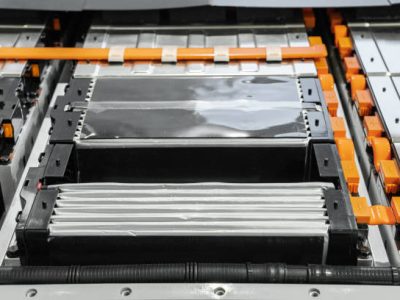
Chlor-Alkali Electrolytic Cell Anodes: Nickel 200 foil anodes work in salt water at high temperature and current. They corrode slowly and last long. They are stronger than graphite anodes. They break less often. They need less maintenance. They lower yearly running costs.
Pharmaceutical Reactor Liners: Pure nickel foil lines reactors. It resists repeated washing with NaOH. No metal mixes into medicine. It meets FDA safety rules. Nickel foil bonds to carbon steel with explosion welding. It resists corrosion and costs less.
Electroplating Anodes: Nickel plates act as soluble anodes in nickel plating. They dissolve evenly. Plated layers have even thickness. Factories use them for mass plating.
4.3 Electronics and Precision Manufacturing
5G Base Station Shields: Ultra-thin nickel foil has tiny holes from etching. It blocks electromagnetic waves well. It lets air flow to prevent overheating. It weighs less than stainless steel shields. It works better.
MLCC Electrode Additive: Factories make nano nickel powder from nickel foil by electrolysis. The powder mixes into paste for capacitor inner electrodes. It lowers firing temperature. It increases capacitor storage. It fits small 5G devices.
Micro-Sensor Parts: Very thin custom nickel foil forms pressure sensor diaphragms. Factories use etching and electroforming. Thickness stays even. It works in medical ventilators and industrial pressure meters.

4.4 Vacuum and High-Temperature Equipment
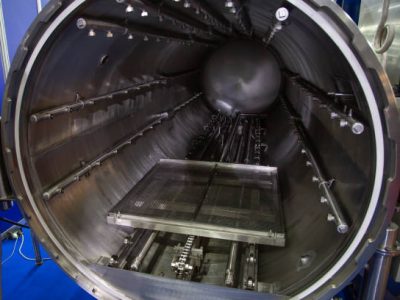
Vacuum Furnace Supports: Nickel 200 foil evaporates slowly in high vacuum and heat. It is better than stainless steel. It does not contaminate vacuum chambers. It expands at a rate matching heating parts. It lasts long.
Thermocouple Sheaths: Nickel foil rolls into protective tubes. It shields temperature sensors in corrosive gas. It resists gases like SO₂ and H₂S. It gives accurate readings. It works in petrochemical furnaces and waste incinerators.
Conclusion
Nickel 200 foil uses pure nickel. It has good conductivity and strong alkali resistance. It is an important material for the new energy, chemical and electronics industries. Advanced processes make ultra-thin wide foil. These processes include 20-roll rolling, continuous annealing and ultrasonic cleaning. The foil meets high-precision needs for battery tabs, electrolytic electrodes and shielding. Choose reliable suppliers with full quality control and steady output. They lower corrosion risk. They improve conductivity. They shorten product development time.
FAQ
Q1: Difference Between Nickel 200 and Nickel 201 Foil
Nickel 200 has carbon ≤0.15%. It works below 300°C. Nickel 201 has carbon ≤0.02%. It resists heat better. It works 350–600°C. Choose Nickel 200 for temperatures below 250°C and low cost.
Q2: Common Welding Problems for Nickel Foil
Surface oxidation causes holes in welds. Overheating makes grains large. Welding bends parts. Use argon arc welding or laser welding. Control heat input. Clean oil with acetone before welding. These steps improve weld quality.
Q3: Can Nickel 200 Foil Work in Strong Acid?
Nickel 200 tolerates weak reducing acids like dilute sulfuric acid and phosphoric acid. It dissolves fast in strong oxidizing acids like concentrated nitric acid and aqua regia. Use titanium or nickel alloys like Hastelloy C-276 for strong acid work.
Reliable Nickel 200 Foil Supplier
Baoji Titanium Valley Titanium Nickel Zirconium Material Processing Co., Ltd. makes ultra-thin wide Nickel 200 foil. Annual capacity reaches 3,000 tons. Thickness tolerance is ±0.001 mm. It offers OEM service and bulk supply. Contact for technical support and sample tests: sales@titaniumvalleys.com
References
- National Nonferrous Metals Standardization Technical Committee. GB/T 5235-2021 Designation and Chemical Composition of Wrought Nickel and Nickel Alloys [S]. Beijing: China Standards Press, 2021.
- American Society for Testing and Materials. ASTM B162-22 Standard Specification for Nickel and Nickel Alloy Plate, Sheet, and Strip [S]. ASTM International, 2022.
- Ma Guoyin. Corrosion Resistance Analysis of Nickel and Nickel Alloys [J]. Chemical Equipment Technology, 2007(01): 32-35.
- Wang Xiankui (Chief Editor). Practical Nonferrous Metals Handbook [M]. Beijing: China Machine Press, 2013.