
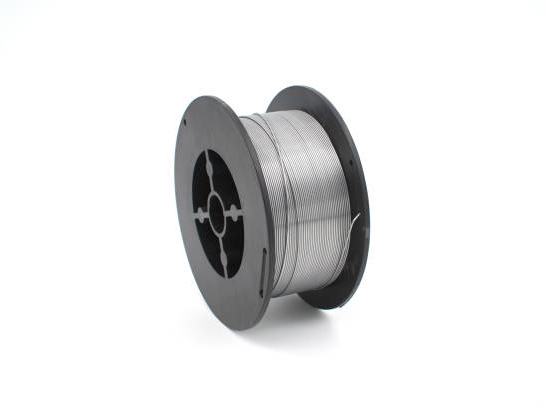
UNS R60705 zirconium wire stands as a high-performance zirconium-niobium alloy wire with 2.0–3.0% niobium content. It complies with ASTM B550 and GB/T 8769 standards. This material delivers top-tier corrosion resistance, stable performance at high temperatures and strong mechanical strength. It serves as a core material for high-end sectors including chemical processing, nuclear power, medical devices and aerospace. Compared with pure zirconium, niobium creates solid-solution strengthening inside R60705. The alloy retains excellent corrosion resistance while gaining a 30–40% jump in mechanical strength and high-temperature performance. It runs steadily for long periods under extreme corrosive environments such as hydrochloric acid, wet chlorine and high-chloride brine. Its recommended long-term working temperature sits below 300°C, and short-term service can reach 350°C. Its ultra-low magnetism, sound biocompatibility and zero heavy metal release bring great value to precision instruments, semiconductors and medical implants.
1. Core Performance Features of UNS R60705 Zirconium Wire
1.1 Alloy Composition and Strengthening Mechanism
UNS R60705 zirconium alloy uses zirconium as base metal and adds 2.0–3.0% niobium, with a typical niobium ratio of 2.5%. Niobium acts as the key strengthening element. Solid-solution strengthening greatly lifts the alloy’s tensile strength at room and elevated temperatures. The alloy sets strict limits on trace elements: hafnium ≤ 4.5% (natural associated impurity), iron ≤ 0.20%, carbon ≤ 0.05%, oxygen ≤ 0.18%, nitrogen ≤ 0.025%, hydrogen ≤ 0.005%. Precise composition control keeps the full corrosion resistance of pure zirconium and boosts strength by 30–40%. The alloy handles working conditions with high mechanical stress.
1.2 Advantages in Physical and Mechanical Properties
R60705 zirconium wire has a density of 6.51 g/cm³, melting point around 1850°C and elastic modulus near 95 GPa. Its tensile strength rises far above pure zirconium UNS R60702. Annealed wire carries typical tensile strength of 550–650 MPa, yield strength of 380–480 MPa and elongation of 20–30%. Cold-worked wire can reach tensile strength over 700 MPa. The alloy supports easy cold forming. Multi-pass cold drawing produces wire sizes from φ0.1 mm to φ6.5 mm, with custom orders available up to φ10 mm. Its magnetic susceptibility hits roughly 1.0×10⁻⁶, which equals ultra-low magnetism and fits equipment that works inside sensitive magnetic fields. Its reliable biocompatibility meets the ISO 5832-3 standard for medical raw materials.
1.3 Full System of Outstanding Corrosion Resistance
R60705 zirconium wire outperforms titanium alloys and stainless steel across most corrosion scenarios. It resists hydrochloric acid up to 37% concentration from room temperature to boiling state (long-term use under 70°C recommended). It tolerates sulfuric acid at concentrations as high as 70%. It also maintains stable performance in nitric acid, organic acids, wet chlorine gas and high-chloride brine. The alloy strongly blocks pitting corrosion and crevice corrosion. It avoids local corrosion after years of exposure to seawater and salt mist rich in chloride ions. It resists intergranular corrosion inside acidic media below 350°C and holds a complete protective oxide film on its surface.
| Performance Index | R60705 Zirconium Wire | Pure Zirconium R60702 | Titanium Alloy | Annealed 316 Stainless Steel |
|---|---|---|---|---|
| Tensile Strength (MPa) | 550–650 (annealed) | 380–450 | 520–620 | ≥ 515 |
| Hydrochloric Acid Resistance | Excellent (≤37%, ≤70°C) | Excellent (≤37%, ≤70°C) | Poor (<5%) | Extremely Poor |
| Wet Chlorine Resistance | Superior | Superior | No Resistance | Extremely Poor |
| High-Temperature Stability | 350°C (short-term) | 300°C | 315°C | 538°C |
| Strength-to-Corrosion Resistance Ratio | Top Tier | Medium | Good | Average |
2. Application Solutions for High-End Manufacturing Sectors
2.1 In-Depth Use in Chemical and Petrochemical Industries
Chemical plants mainly adopt R60705 zirconium wire to build heat exchanger tubes, pump shafts, valve stems, fasteners, filter screens and other elastic components. Inside acetic acid production units, zirconium heat exchange tubes serve over 15 years, while stainless steel tubes only last 2–3 years. In hydrometallurgy, zirconium springs and filter screens run 3–5 times longer than titanium alloy parts under heavy corrosion plus abrasive wear. Salt chemical facilities install R60705 fasteners for high-chloride brine treatment lines, and the material fully prevents pitting and crevice corrosion.

2.2 Critical Raw Material for Nuclear Power Industry
Nuclear power sets extremely strict standards for all construction materials. R60705 zirconium wire owns ultra-low neutron absorption cross-section and stable resistance to high-temperature water corrosion. It works as the ideal raw material for reactor internal parts.
Manufacturers build elastic components for fuel assembly spacer grids and control rod drive mechanisms with this zirconium wire. The material avoids hydrogen embrittlement after long service in 300°C high-temperature and high-pressure water environments, and it keeps steady radiation resistance. It meets full traceability rules of nuclear industry standards. Suppliers provide complete EN 10204 3.1 material certificates plus test reports for chemical composition and mechanical properties.

2.3 Breakthrough Applications in Medical Devices and Precision Instruments
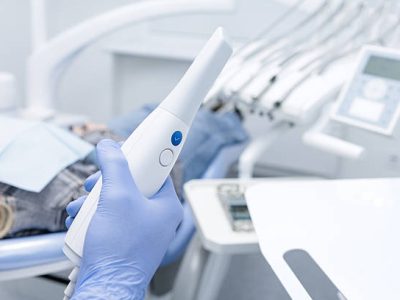
Medical equipment factories produce surgical tools, guide wires and implant accessories from R60705 zirconium wire. The material’s biocompatibility follows ISO 10993 standards. It releases no heavy metal ions and triggers zero cytotoxic reactions. Its ultra-low magnetism makes it perfect for MRI-compatible medical devices, and it never creates image artifacts or equipment signal interference. For precision instruments, non-magnetic springs, connectors and sensor modules made from this wire maintain stable performance in magnetic-sensitive working spaces. Common equipment includes mass spectrometers, electron microscopes and high-precision analytical balances.
| Application Field | Specific Components | Resolved Pain Points | Core Performance Advantages |
|---|---|---|---|
| Chemical & Petrochemical | Heat exchange tubes, valve stems, fasteners | Strong acid corrosion, perforation from pitting | Resist hydrochloric acid & wet chlorine, anti-pitting |
| Nuclear Power | Fuel assembly parts, control rod components | High-temperature water corrosion, neutron absorption | Low neutron cross-section, radiation resistance |
| Medical Devices | Guide wires, implant fittings, surgical tools | Heavy metal leaching, magnetic interference | Biocompatible, ultra-low magnetic susceptibility |
| Semiconductor Equipment | Corrosion-resistant springs, cleaning baskets | Contamination of ultra-pure process fluid | Zero metal release, high material purity |
| Marine Engineering | Fasteners, sealing parts | Chloride-induced pitting & crevice corrosion | Seawater resistance, extended service life |
2.4 Expanding Applications in New Energy and Electronic Manufacturing
Factories use R60705 zirconium wire to make filter screens and cleaning baskets for high-purity chemical treatment lines, as well as precision springs and electrical connectors. The hydrogen energy sector installs this material for fasteners and sealing rings inside electrolytic hydrogen production cells, fuel cells and hydrogen storage tanks.
2.5 High-Temperature Corrosion-Resistant Uses in Aerospace
Aerospace projects demand strict high-temperature stability and lightweight material design. R60705 zirconium wire takes key roles in corrosion-resistant fasteners for aircraft engines, high-temperature sealing wires for rocket engines and elastic connecting parts for satellite thermal control systems. It retains stable mechanical strength and corrosion resistance for short periods at 350°C. No brittleness or sharp strength drop occurs under this temperature, so it meets the high reliability requirements of aerospace equipment.

3. Global Market Layout and Regional Demand Analysis
3.1 High-End Demand Traits of Mature Markets
The United States, Germany and Japan act as mature markets for zirconium alloy wire, and all three regions demand products with high technical barriers and high added value. The US market prioritizes aerospace and nuclear power applications. Buyers enforce strict rules on material traceability, certification systems and batch-to-batch performance consistency. All products must comply with ASTM B550 and ASME SB550 standards, and suppliers need to deliver full material certification documents. German high-end manufacturing holds tight tolerance standards for zirconium wire: diameter tolerance down to ±0.01 mm, straightness under 2 mm per 1000 mm, and mirror surface finish. These wires go into precision chemical processing machines and premium medical devices.
3.2 Precision Electronic Demand in Japan and South Korea
Japan’s precision electronics industry generates strong demand for ultra-fine zirconium wire ranging from φ0.06 mm to φ0.4 mm. Manufacturers apply this wire to semiconductor production equipment, precision sensors and medical electronic devices. The material must carry purity above 99.5%, uniform grain microstructure and superior surface smoothness. South Korea’s booming power battery and display panel industries push up demand for zirconium wire used in high-purity chemical treatment devices. Key application areas include electrolyte circulation pipelines and ultrapure water production equipment.
3.3 Industrial Upgrade Opportunities in Emerging Markets
India speeds up manufacturing transformation and nuclear power plant construction, and its annual demand growth rate for zirconium alloy materials hits 15–20%. Domestic demand for import substitution in chemical, pharmaceutical and nuclear power sectors opens large market chances for suppliers of high-quality zirconium wire. Vietnam’s fast-expanding electronics manufacturing industry drives steady demand growth for zirconium wire products such as precision connectors and non-magnetic springs. Southeast Asia launches numerous seawater desalination and marine engineering projects, which lift market demand for seawater-resistant fasteners and sealing materials.
| Regional Market | Leading Industries | Target Wire Sizes | Annual Demand Growth Rate | Core Market Drivers |
|---|---|---|---|---|
| United States | Aerospace, Nuclear Power | φ1.0–5.0 mm | 5–8% | Nuclear plant maintenance, aerospace equipment upgrade |
| Germany | High-End Chemical Processing, Medical Devices | φ0.5–3.0 mm | 6–9% | Industry 4.0 transformation, precision manufacturing |
| Japan | Semiconductors, Precision Analytical Instruments | φ0.06–0.4 mm | 4–6% | Electronics industry expansion, aging population medical demand |
| South Korea | Power Batteries, Display Panels | φ0.2–2.0 mm | 10–12% | New energy vehicle rollout, 5G infrastructure construction |
| India | Chemical Processing, Nuclear Power Plants | φ1.0–6.0 mm | 15–20% | Domestic manufacturing upgrade, new nuclear reactor projects |
| European Union | Hydrogen Energy, Carbon Neutrality Projects | φ0.8–3.0 mm | 12–15% | Green energy transition policy rollout |
3.4 Hydrogen Energy Market Boosted by Carbon Neutrality Policies
Carbon neutrality policies across Europe and North America speed up the development of hydrogen energy industries. Water electrolysis hydrogen production equipment, hydrogen fuel cells and hydrogen storage transport devices create surging demand for corrosion-resistant metal materials. R60705 zirconium wire shows broad application prospects on dual plate fasteners of proton exchange membrane electrolyzers, alkali-resistant springs inside alkaline electrolysis cells and sealing components for high-pressure hydrogen storage tanks. Hydrogen energy infrastructure construction will push the zirconium alloy material market to grow 12–15% per year over the next decade.
3.5 Technical Barriers of the Global Supply Chain
Mass production of premium R60705 zirconium wire relies on complex production steps: vacuum melting, multi-pass cold drawing, precision heat treatment and surface finishing. The whole production chain holds high technical barriers. Only a small number of manufacturers worldwide deliver stable supplies of nuclear-grade and medical-grade zirconium wire. Chinese manufacturers introduce world-class automated production lines and gain advantages in production cost control and annual output scale. Their finished products reach top international quality standards.
4. Market Potential and Investment Value Assessment
4.1 Industrial Chain Value and Profit Margins
R60705 zirconium wire counts as deep-processed rare metal goods, and its added value far exceeds primary zirconium raw materials. Sponge zirconium raw material sells at 40–60 US dollars per kilogram. After melting, rolling and drawing processes, finished zirconium wire reaches a selling price of 150–300 US dollars per kilogram. Medical-grade and nuclear-grade premium wire carry even higher market prices. High technical thresholds and lengthy product certification cycles create natural competitive barriers. Leading manufacturers maintain stable high gross profit margins.
4.2 Downstream Industry Growth Drives Material Demand
The global nuclear power industry builds and plans over 100 new reactors, which keeps steady demand growth for zirconium alloy materials. Chemical factories upgrade old equipment and launch environmental protection renovations. These changes push manufacturers to replace old metal parts with corrosion-resistant zirconium wire. The annual demand growth rate for zirconium wire in heat exchangers, reaction kettles and pipeline systems stands at 10–12%. The medical device market expands due to global population aging and precision medical development. Demand for biocompatible metal materials rises more than 15% each year.
4.3 Import Substitution and Domestic Production Opportunities
China ranks as the world’s largest producer and consumer of zirconium resources. Domestic manufacturers relied on imported high-end zirconium alloy wire for many years. As local production technologies mature and processing equipment upgrades, the import substitution process accelerates. Domestic R60705 zirconium wire costs 20–30% less than imported alternatives, cuts delivery lead times by half and delivers faster on-site technical support. Domestic localization policies for nuclear power, chemical and other key industries bring strategic growth chances to local material manufacturers.
4.4 Technology Innovation and Product Upgrade Roadmap
Future technical innovation directions cover three major areas. First, develop ultra-fine wire thinner than φ0.05 mm for minimally invasive medical devices. Second, create coated zirconium wire to lift electrical conductivity and wear resistance. Third, research zirconium alloy powder for additive manufacturing. New high-temperature zirconium alloys that work above 400°C will expand usable ranges inside aerospace equipment. Intelligent manufacturing tools realize full digital traceability of every production step, and the products satisfy Industry 4.0 rules and medical device GMP certification standards.
4.5 Sustainable Development and Circular Economy
Zirconium alloy materials support 100% recycling and reuse, fully matching circular economy development concepts. Manufacturers remelt and refine waste zirconium wire to restore its original mechanical and corrosion-resistant performance. The total recycling cost only hits 40–50% of new material production costs. Zirconium wire extends the service life of chemical processing equipment, reduces equipment replacement frequency and cuts overall raw material consumption. It improves nuclear power plant safety and lowers environmental operation risks. Its biocompatible properties cut patient rejection reactions and avoid secondary surgical procedures. Green manufacturing and sustainable material applications fit global ESG investment trends and lift long-term market value of zirconium wire products.
Conclusion
UNS R60705 zirconium wire combines niobium-reinforced high tensile strength, exceptional corrosion resistance and reliable high-temperature stability. It holds clear technical advantages across high-end sectors including chemical processing, nuclear power, medical devices and aerospace. Multiple market drivers such as carbon neutrality plans, hydrogen energy transition and global manufacturing upgrade push the whole market to strong growth. Mature markets maintain steady basic demand, while emerging markets deliver fast year-on-year expansion. Advanced manufacturing equipment, complete quality control systems and large-volume supply capacity act as core strengths to capture upcoming market opportunities.
FAQ
Q1: What key differences exist between R60705 zirconium wire and pure zirconium R60702 wire?
R60705 carries 2.0–3.0% niobium content. Its annealed tensile strength rises 30–40% above pure zirconium R60702. It suits working conditions with high mechanical stress, such as long coiled wire products, high-pressure fittings and elastic spring components. The two alloys deliver nearly identical corrosion resistance performance. R60705 maintains full anti-corrosion ability under complex mechanical loads and brings better overall cost performance.
Q2: What certification standards do medical-grade zirconium wire need to meet?
Medical-grade zirconium wire must follow ISO 5832-3 biomaterial standards and pass full ISO 10993 biocompatibility testing. Suppliers provide full test reports covering cytotoxicity, skin sensitization and implant tissue response. The finished products need FDA or CE medical certification and complete material traceability documents. All heavy metal ion release levels must meet official medical material limits.
Q3: How to pick the proper surface finish for zirconium wire?
Pick pickled surface finish for welding jobs and further mechanical processing. Bright polished surface fits mechanical parts such as springs and fasteners. Mirror polishing works best for medical devices and equipment requiring ultra-clean surfaces. Mill scale finish carries the lowest production cost and suits non-critical structural components. Users select the surface type based on working environments, surface roughness targets and follow-up processing steps.
Contact Titanium Valley —Baoji Titanium Valley Titanium Nickel Zirconium Material Processing Co., Ltd.
Our company works as a professional manufacturer and supplier of UNS R60705 zirconium wire. We install world-class Danieli rolling production lines and operate a complete full-process quality management system. We accept custom orders for all wire sizes from φ0.1 mm to φ10 mm, with an annual production capacity of 10,000 tons. Our products meet standards for nuclear-grade, medical-grade and other high-end industrial applications.
Send emails to sales@titaniumvalleys.com for technical support and price quotations.
References
- Zhang Wei, Li Ming. Zirconium and Zirconium Alloy Material Handbook[M]. Beijing: Chemical Industry Press, 2020.
- National Technical Committee for Nonferrous Metals Standardization. GB/T 8769-2013 Zirconium and Zirconium Alloy Wire[S]. Beijing: China Standards Press, 2013.
- ASTM International. ASTM B550-20 Standard Specification for Zirconium and Zirconium Alloy Bar, Wire and Forging Stock[S]. 2020.
- Wang Jianhua, Chen Guoliang. Research Progress of Zirconium-Niobium Alloys in Nuclear Power Industry[J]. Rare Metal Materials and Engineering, 2021, 50(6): 2145-2153.
- Liu Jianrong, Zhao Yongqing. Research on Corrosion Performance and Surface Modification of Zirconium Alloys[J]. Materials Reports, 2019, 33(5): 1523-1530.