
What Are the UNS R60702 Guide to Chemical Composition and Mechanical Properties of Foils?
- UNS R60702 Foil
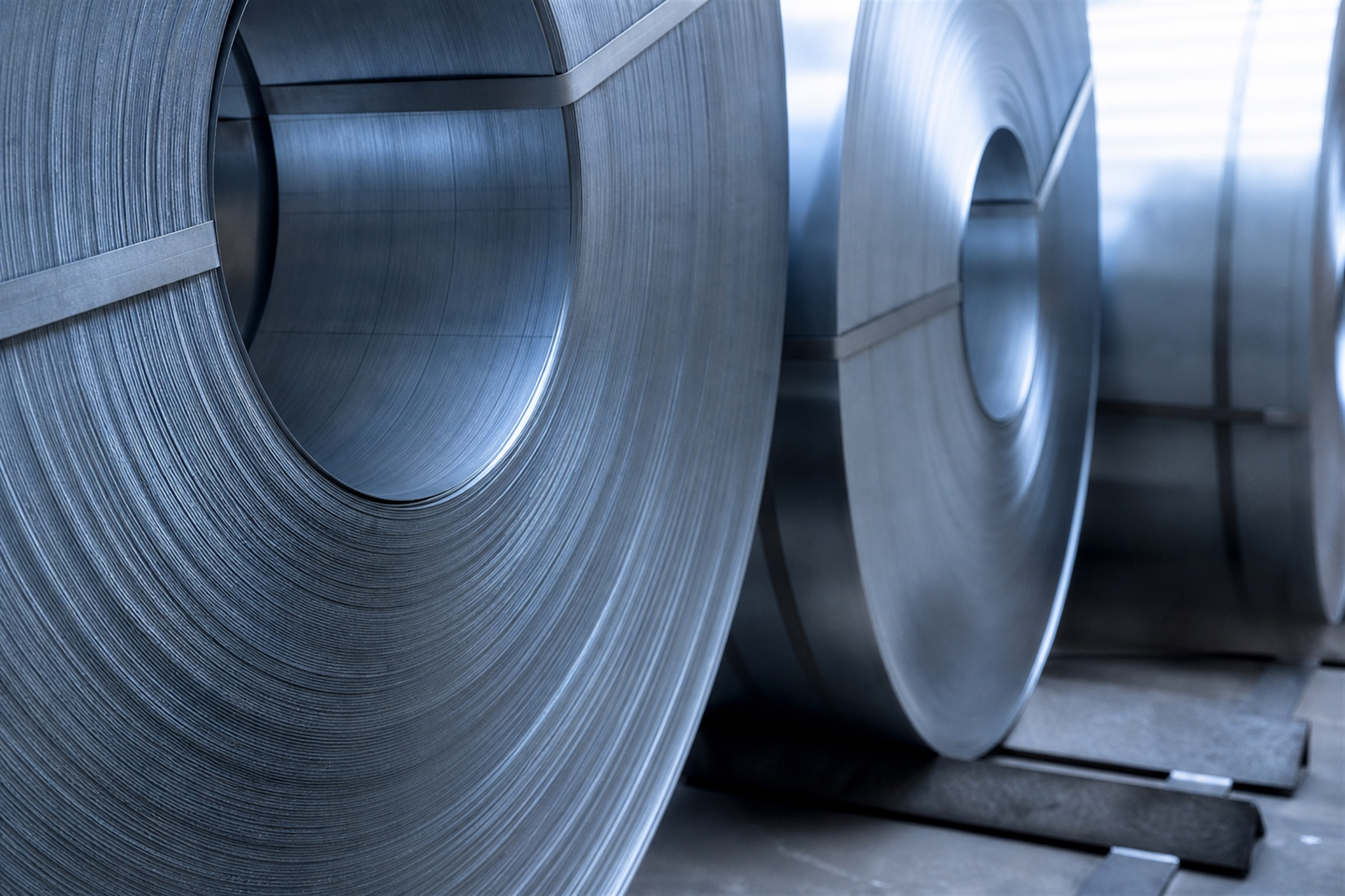
UNS R60702 foil is a high-purity industrial zirconium material. Its core chemical composition is Zr+Hf≥99.2%, hafnium content ≤4.5%, and oxygen content ≤0.16%. In the annealed state, the tensile strength is ≥380MPa, the elongation is ≥16%, the density is 6.51g/cm³, and the melting point is 1852℃. This material shows excellent long-term stability in strong acid environments, especially its corrosion resistance in hydrochloric acid, sulfuric acid and organic acid systems far exceeds that of titanium alloys and stainless steel. Its excellent formability, non-magnetic characteristics and reliable welding performance make it an ideal choice for high-reliability fields such as chemical anti-corrosion, electrolysis systems, and new energy batteries. Mastering the composition and performance parameters of UNS R60702 foil is the key basis for engineers to conduct material selection and system design.
1. What Are the In-depth Analysis of the Chemical Composition of UNS R60702 Foil Materials?
(1) What Should You Know About Main Component Elements and Content Standards?
The chemical composition of UNS R60702 foil strictly follows the ASTM B551 standard requirements. The total content of zirconium and hafnium must reach more than 99.2%, which is the core indicator to ensure the purity and performance of the material. As an associated element of zirconium, the content of hafnium is controlled below 4.5%, taking into account the corrosion resistance and cost economy of the material. The oxygen content is limited to 0.16%. This strict control directly affects the ductility and corrosion resistance of the material. The total amount of iron and chromium does not exceed 0.20%, which avoids the acceleration of electrochemical corrosion that these elements may cause in a strong acid environment. The control of carbon content ≤0.05% and nitrogen content ≤0.025% ensures the stability and processing performance of the material structure.
(2) What Are the the Mechanism of Influence of Impurity Elements on Performance?
Trace impurity elements have a significant impact on the properties of UNS R60702 foil. Although oxygen can improve material strength, too high a content will cause a sharp decrease in ductility and affect the processing stability of ultra-thin foils. The presence of iron will form a micro-battery effect in a strong acid environment and accelerate the local corrosion process. Excessive nitrogen content will increase the brittleness of the material and easily cause edge cracks during the cold rolling process. The carbides formed by carbon and zirconium will affect the uniformity of the material and reduce the surface quality. Titanium Valley Company controls these impurity elements to extremely low levels through vacuum smelting and multi-pass refining processes to ensure the composition consistency and performance reliability of each batch of materials.
(3) What Should You Know About the Connection Between Ingredient Control and Production Process?
The composition of UNS R60702 foil is controlled throughout the entire production process. In the raw material selection stage, high-purity zirconium sponge is used as the basic raw material to ensure the high quality of the starting ingredients. The vacuum smelting process uses strict temperature and atmosphere control to minimize the absorption of oxygen, nitrogen and other gas elements. During the multi-pass cold rolling process, the contact between the material surface and air is strictly controlled to avoid oxidation pollution. The annealing process uses vacuum or inert atmosphere protection to prevent composition changes at high temperatures. Titanium Valley’s full-process automated production line is equipped with an online chemical composition detection system to monitor material composition fluctuations in real time to ensure that the final product meets the ASTM B551 standard.
Table 1: Comparison of chemical composition standards of UNS R60702 foil materials
| element | ASTM B551 requirements | Actual control of Titanium Valley Corporation | Performance impact |
| Zr+Hf | ≥99.2% | 99.3-99.6% | Purity and Corrosion Resistance Basics |
| Hf | ≤4.5% | ≤4.5% (typical value 1-2%) | Corrosion resistance and cost balance |
| Fe+Cr | ≤0.20% | ≤0.15% | Electrochemical Corrosion Control |
| O | ≤0.16% | 0.12-0.14% | Balance of strength and ductility |
| N | ≤0.025% | ≤0.020% | Brittleness and Processability Control |
| C | ≤0.05% | ≤0.03% | Tissue uniformity guarantee |
2. What Are the Comprehensive Interpretation of the Mechanical Properties of UNS R60702 Foil Materials?
(1) What Are the Tensile Strength and Elongation Properties?
The tensile strength of UNS R60702 foil in the annealed state is ≥380MPa. This moderate strength level ensures the material’s reliability in sealed structures while maintaining excellent formability. The index of elongation ≥16% reflects the material’s good plastic deformation ability and can adapt to processing needs such as stamping and bending of complex shapes. Compared with the cold work hardening state, annealing treatment significantly reduces the internal stress of the material and improves the uniformity of the structure. Within the thickness range of 0.02-0.8mm, the mechanical properties of the material remain highly consistent, thanks to the uniform reduction control of the 20-roll precision rolling mill and the precise temperature management of the continuous annealing system. During long-term service in a highly corrosive environment, the mechanical property degradation rate of UNS R60702 foil is much lower than that of titanium alloy and stainless steel, ensuring the long-term safety of the system.
(2) What Are the the Influence of Thickness on Performance Parameters?
The mechanical properties of ultra-thin foil materials show specific patterns as the thickness changes. Under the ultra-thin specification of 0.02-0.1mm, the material strength increases slightly and the elongation remains at an excellent level of 18-20%. This is attributed to the fine-grain strengthening effect and strict control of surface quality. In the medium thickness range of 0.1-0.5mm, the performance parameters are the most stable, with a tensile strength of 380-400MPa and an elongation of 16-18%, which is suitable for stable mass production. In the thicker specifications of 0.5-0.8mm, the ductility of the material is further improved, and the elongation rate can reach more than 20%, which is suitable for application scenarios that require deep processing and deformation. Through the precision control capability of thickness +/-0.002mm, Titanium Valley Company ensures the predictability and batch stability of product performance of different specifications, and meets the stringent requirements of high-end equipment for material performance consistency.
(3) What Are the Effects of Temperature and Environment on Mechanical Properties?
UNS R60702 foil has excellent mechanical properties under different temperatures and environments. The material strength and ductility remain basically stable from room temperature to 200℃, making it suitable for conventional chemical equipment applications. In the medium temperature range of 200-400℃, the strength decreases slightly but the ductility increases, and the material has good creep resistance. After long-term immersion in a strong acid environment, a dense oxide film forms on the surface of the material without significant attenuation of mechanical properties. This is in sharp contrast to the rapid performance degradation of titanium materials in hydrochloric acid. Under seawater and chloride environments, UNS R60702 foil does not undergo stress corrosion cracking and maintains its original mechanical strength. In vacuum or inert atmosphere, the material has excellent high temperature stability and is suitable for special process environments. The materials provided by Titanium Valley have been tested and verified under simulated working conditions to ensure performance reliability in actual applications.
Table 2: Comparison of mechanical properties of UNS R60702 foils in different states
| state | Tensile strength (MPa) | Elongation (%) | Hardness(HV) | Applicable scenarios |
| Annealed state (M) | ≥380 | ≥16 | 140-160 | Gaskets, forming processing |
| Semi-hard state (H2) | 420-480 | 8-12 | 180-200 | Structural parts, elastic elements |
| Full hard state (H4) | ≥500 | 3-6 | 220-240 | High strength support structure |
| Ultra-thin annealed state | 380-400 | 18-20 | 135-155 | Electrode foil, ultra-thin seal |
3. What Are the Performance Comparison of UNS R60702 Foil and Other Materials?
(1) What Are the Differences in Corrosion Resistance Between Zirconium Foil and Titanium Foil?
In applications in strong acid environments, UNS R60702 zirconium foil shows overwhelming advantages over titanium foil. The corrosion rate of titanium alloy Gr2 in hydrochloric acid increases sharply with concentration and temperature. The annual corrosion depth can reach several millimeters under the conditions of 10% hydrochloric acid and 60℃, causing rapid equipment failure. The annual corrosion depth of UNS R60702 zirconium foil is less than 0.01mm under the same conditions, achieving stable service for decades. In a sulfuric acid environment, titanium materials have corrosion peaks in the medium concentration area, while zirconium foils show extremely low corrosion rates in the sulfuric acid concentration range of 5-70%. In organic acid and mixed acid systems, the passivation film on the titanium surface is easily damaged, while the zirconium foil maintains a dense protective layer. Although both perform well in seawater environments, zirconium foil has stronger resistance to crevice corrosion and pitting corrosion. This makes UNS R60702 foil the material of choice for extreme corrosive conditions.
(2) How Is Differentiation of Application Scenarios Between Zirconium Foil and Nickel Foil?
Nickel 200 foil has excellent performance in alkaline environments, but has obvious limitations in strong acid systems. Oxidizing acids such as nitric acid will accelerate the dissolution of nickel, and reducing acids such as hydrochloric acid will also cause increased corrosion of nickel materials at high temperatures. UNS R60702 zirconium foil is far more stable than nickel in strong acid environments, especially in complex media containing chloride ions. In terms of electrical conductivity, nickel foil has advantages and is suitable for battery current collectors and other applications that require high conductivity. Under non-magnetic requirements, both zirconium foil and nickel foil can meet the requirements, but the high purity characteristics of zirconium foil are more valuable in precision instruments. In terms of cost considerations, the price of nickel foil fluctuates greatly. Although the initial investment of zirconium foil is relatively high, the extremely long service life brings obvious economic advantages throughout the life cycle. Engineers need to comprehensively select materials based on medium characteristics, temperature conditions, and service life requirements.
(3) What Are the Comprehensive Performance Balance of Density and Strength?
The density of UNS R60702 zirconium foil is 6.51g/cm³, which is between titanium foil (4.51g/cm³) and nickel foil (8.9g/cm³), achieving a balance between structural weight reduction and material stability. When pursuing extreme lightweight in the aerospace industry, titanium foil has more advantages; but when extreme corrosion resistance is required, zirconium foil’s moderate density and excellent corrosion resistance become the best choice. In terms of strength, the tensile strength of annealed zirconium foil ≥380MPa is equivalent to that of titanium foil Gr2 (≥345MPa), both of which can meet the requirements of sealing structures. Compared with stainless steel foil (≥520MPa), the strength of zirconium foil is slightly lower but the corrosion resistance is improved by orders of magnitude. In the design of chemical equipment, the use of zirconium foil can significantly reduce wall thickness, reduce overall weight, and extend maintenance cycles. The 0.02-0.8mm zirconium foil produced by Titanium Valley Company achieves the optimal ratio of strength and flexibility through precise thickness control.
Table 3: Performance comparison between UNS R60702 zirconium foil and commonly used metal foils
| Performance indicators | UNS R60702 Zirconium Foil | Titanium foil Gr2 | Nickel 200 Foil | 316L stainless steel foil |
| Density(g/cm³) | 6.51 | 4.51 | 8.90 | 8.00 |
| Tensile strength (MPa) | ≥380 | ≥345 | ≤480 | ≥520 |
| Elongation (%) | ≥16 | ≥20 | ≥30 | ≥35 |
| Hydrochloric acid corrosion resistance | Excellent | Difference | medium | Difference |
| Sulfuric acid corrosion resistance | Excellent | medium | medium | medium |
| Alkaline corrosion resistance | good | Excellent | Excellent | good |
| conductivity | medium | Difference | Excellent | medium |
| magnetic | none | none | none | Weak magnetism |
| cost relative value | high | middle | Medium to high (fluctuation) | Low |
4. What Are the UNS R60702 Effect of Foil Production Process on Performance?
(1) What Are the Performance Optimization Mechanism of Multi-pass Cold Rolling Technology?
20-roll precision cold rolling technology is the core process to achieve stable production of UNS R60702 ultra-thin foil. Compared with the traditional four-high rolling mill, the 20-roller structure greatly improves the uniformity of rolling pressure through the multi-support roller system, and controls the thickness tolerance within +/-0.002mm. The single-pass reduction rate is accurately controlled within the range of 15-25% to avoid edge cracks and abnormal grain growth caused by excessive deformation. The progressive rolling strategy of 5-8 passes gradually refines the material structure, and the grain size is evenly distributed in the range of 5-15 um. The surface roughness of the work roll Ra≤0.1um is precisely processed to ensure that there are no scratches or indentations on the foil surface. The tension control system during the rolling process monitors the material stress state in real time to prevent wrinkles and wavy defects. The 750mm 20-roll finishing mill invested by Titanium Valley Company has achieved stable mass production of 670mm ultra-wide foil, breaking through the industry’s technical bottleneck.
(2) What Are the the Regulating Effect of Annealing Process on Structure and Properties?
Vacuum or inert atmosphere annealing is a key step in restoring the plasticity of UNS R60702 foil and eliminating work hardening. The annealing temperature is accurately controlled at 650-750℃, and the temperature deviation is within +/-2℃, ensuring that all parts of the material recrystallize simultaneously. The holding time is dynamically adjusted according to the thickness of the foil. The ultra-thin specifications of 0.02-0.1mm are kept warm for 15-30 minutes, and the thicker specifications of 0.5-0.8mm are extended to 60-90 minutes. The oxygen partial pressure is strictly controlled below 10⁻⁵Pa to prevent surface oxidation and increase in oxygen content. The cooling rate is controlled stepwise to avoid warpage deformation caused by thermal stress. After annealing, the tensile strength of the material returns to ≥380MPa, the elongation increases to more than 16%, and the hardness uniformity is better than +/-5HV. The metallographic structure shows an equiaxed crystal structure, without abnormally coarse grains and second phase precipitation. Titanium Valley’s continuous annealing production line achieves a high degree of automation and precise parameter control of the annealing process.
(3) How Is Surface Treatment Technology Improves Application Performance?
The combined process of ultrasonic cleaning and alkali treatment ensures that the surface of UNS R60702 foil meets high cleanliness standards. Under the conditions of ultrasonic frequency 40kHz and power density 0.5W/cm², it can effectively remove surface oil stains, metal dust and organic residues. The lye concentration and temperature are optimized to enhance the cleaning effect without damaging the substrate. The surface dyne value is stable above 40, which significantly improves the interface bonding strength of subsequent coating and bonding processes. The grinding and polishing process controls the surface roughness within the range of Ra 0.2-0.8um to meet the differentiated needs of different applications for surface quality. Chemical passivation treatment forms a uniform oxide film on the surface of the material, enhancing corrosion resistance while providing stable surface color. Surface inspection uses an automated optical system, and the detection rate of pinholes, inclusions, scratches and other defects reaches over 99.5%. A clean packaging environment prevents secondary contamination and ensures the best surface condition of materials when delivered.
5. How Is the Application Value of UNS R60702 Foil in Key Areas?
(1) What Should You Know About the Core Role in Chemical Anti-corrosion Systems?
Strong acid chemical equipment is the core application field of UNS R60702 foil. In hydrochloric acid storage tanks and pipeline systems, zirconium foil with a thickness of 0.3-0.5mm is used as the lining material and is used in combination with the carbon steel matrix to achieve the perfect combination of structural strength and corrosion resistance. As a key part of the sulfuric acid concentration device, zirconium foil gaskets solve the problem of rapid failure of traditional materials in high-temperature concentrated acid environments, and the maintenance cycle is extended from 3-6 months to 3-5 years. The reactor sealing structure of the organic acid production system uses ultra-thin zirconium foil to achieve flexible sealing and adapt to temperature fluctuations and pressure changes. In mixed acid recovery equipment, the broad-spectrum corrosion resistance of zirconium foil avoids the risk of electrochemical corrosion caused by multi-material combinations. As the evaporator component of the seawater desalination system, zirconium foil maintains long-term stability under high chloride ion concentrations, reducing operation and maintenance costs. The customized zirconium foil products provided by Titanium Valley help chemical companies double the life of equipment and improve safety levels.
(2) What Are the Performance Advantages for the Electrolysis and Electroplating Industry?
The electrolysis industry places extremely high requirements on electrode materials: resistance to electrolyte corrosion, stable conductivity, no pollution to products, and long service life. UNS R60702 foil excels in these aspects. In chlor-alkali industrial electrolytic cells, zirconium foil is used as the cathode base material to resist the double erosion of chlorine gas and strong alkali, and its service life is more than 50% longer than that of titanium-based materials. For anode plates and racks in the electroplating industry, zirconium foil avoids the precipitation pollution of impurity ions such as iron and nickel, and improves the purity and consistency of the coating. On both sides of the proton exchange membrane of the water electrolysis hydrogen production system, ultra-thin zirconium foils serve as current collectors and anti-corrosion layers, taking into account both electrical conductivity and chemical stability. In precious metal electrolytic refining equipment, the high purity characteristics of zirconium foil prevent product contamination and ensure metal recovery rate. The 0.02-0.1mm ultra-thin conductive zirconium foil developed by Titanium Valley Company further optimizes the electrochemical performance through surface modification treatment to meet the needs of the new generation of electrolysis technology.
(3) How Is Innovative Applications in the Field of New Energy Batteries?
New energy batteries have increasingly stringent requirements for current collector materials: resistance to electrolyte corrosion, light weight, moderate conductivity, and long cycle life. UNS R60702 foil presents unique value in specific battery systems. The flow battery system uses strong acidic or strong alkaline electrolyte, and zirconium foil is used as the plate base material to achieve long-life and stable operation, solving the corrosion problem of stainless steel and titanium. The bipolar plate and sealing structure of high-temperature fuel cells and zirconium foil maintain stable performance at 200-400℃ and in corrosive atmospheres. The metallic lithium negative electrode protective layer of solid-state batteries and the mechanical strength and chemical inertness of ultra-thin zirconium foil effectively inhibit dendrite growth. In the integrated design of water electrolysis hydrogen production system and battery, zirconium foil realizes multi-functional composite applications. Titanium Valley Company cooperates with new energy companies to develop customized specifications of zirconium foil to promote the evolution of battery technology towards higher energy density and longer life.
6. What Is the Conclusion?
UNS R60702 foil has become an irreplaceable key material in chemical anti-corrosion, electrolysis systems, new energy and other fields due to its high purity composition of Zr+Hf ≥ 99.2%, excellent mechanical properties and excellent resistance to strong acid corrosion. Mastering its chemical composition control mechanism, mechanical property evolution rules and production process key points is the basis for maximizing material performance and application reliability. Titanium Valley Company provides stable and high-quality UNS R60702 foil products to global customers through the world’s advanced production equipment and strict quality control system.
FAQ
Q1: Why should the oxygen content of UNS R60702 foil be strictly controlled below 0.16%?
Answer: The oxygen content directly affects the ductility and processing performance of the material. Exceeding 0.16% will increase the brittleness of the foil, easily causing edge cracks during cold rolling, and reducing the long-term stability of corrosion resistance. Strictly control the oxygen content to ensure the processing success rate and service reliability of ultra-thin specifications.
Q2: How to choose between annealed and cold work hardened UNS R60702 foil materials?
Answer: The annealed elongation is ≥16%, which is suitable for sealing gaskets and formed parts that require deep processing such as stamping and bending. The cold-hardened strength can reach more than 500MPa but the elongation is reduced, making it suitable for high-strength support structures. The material condition should be selected based on the deformation and strength requirements of the specific application.
Q3: How can the price disadvantage of UNS R60702 foil compared to titanium foil be compensated for through the full life cycle cost?
Answer: Although the initial purchase cost of zirconium foil is higher than that of titanium foil, its service life in a strong acid environment can be 5-10 times that of titanium foil, which greatly reduces the frequency of replacement and downtime maintenance costs. After comprehensive calculation of material costs, labor costs, and production suspension losses, the full life cycle economics of zirconium foil is significantly better than that of titanium foil.
7. What Should You Know About Contact Titanium Valley for Custom UNS R60702 Foil?
Baoji Titanium Valley Titanium Nickel Zirconium Material Processing Co., Ltd., as a professional manufacturer and supplier of UNS R60702 foil materials, provides 0.02-0.8mm full specification products and technical support. Welcome to inquire: sales@titaniumvalleys. com
For a broader view of available grades, supply forms, and related specifications, explore our Zirconium Foil category.
References
- Zhang Ming, Li Jianguo. Research on the corrosion resistance of industrial pure zirconium materials and its application in the chemical industry. Rare Metal Materials and Engineering, 2021, 50(8): 2856-2863.
- Wang Haitao, Liu Yonghui. Precision rolling technology and microstructure and property control of ultra-thin zirconium foil. Chinese Journal of Nonferrous Metals, 2020, 30(6): 1342-1351.
- Chen Feng, Zhao Jianhua. Study on the electrochemical behavior of UNS R60702 zirconium alloy in strong acid medium. Materials Protection, 2022, 55(3): 78-85.
- National Technical Committee for Standardization of Nonferrous Metals. GB/T 21183-2017 Zirconium and zirconium alloy strips, foils and sheets. China Standards Press, 2017.