
What Is the Near-Perfect Corrosion Resistance of ASTM B550 Zirconium Wire in Environments Other Than Hydrofluoric Acid
- ASTM B550 Zirconium Wire
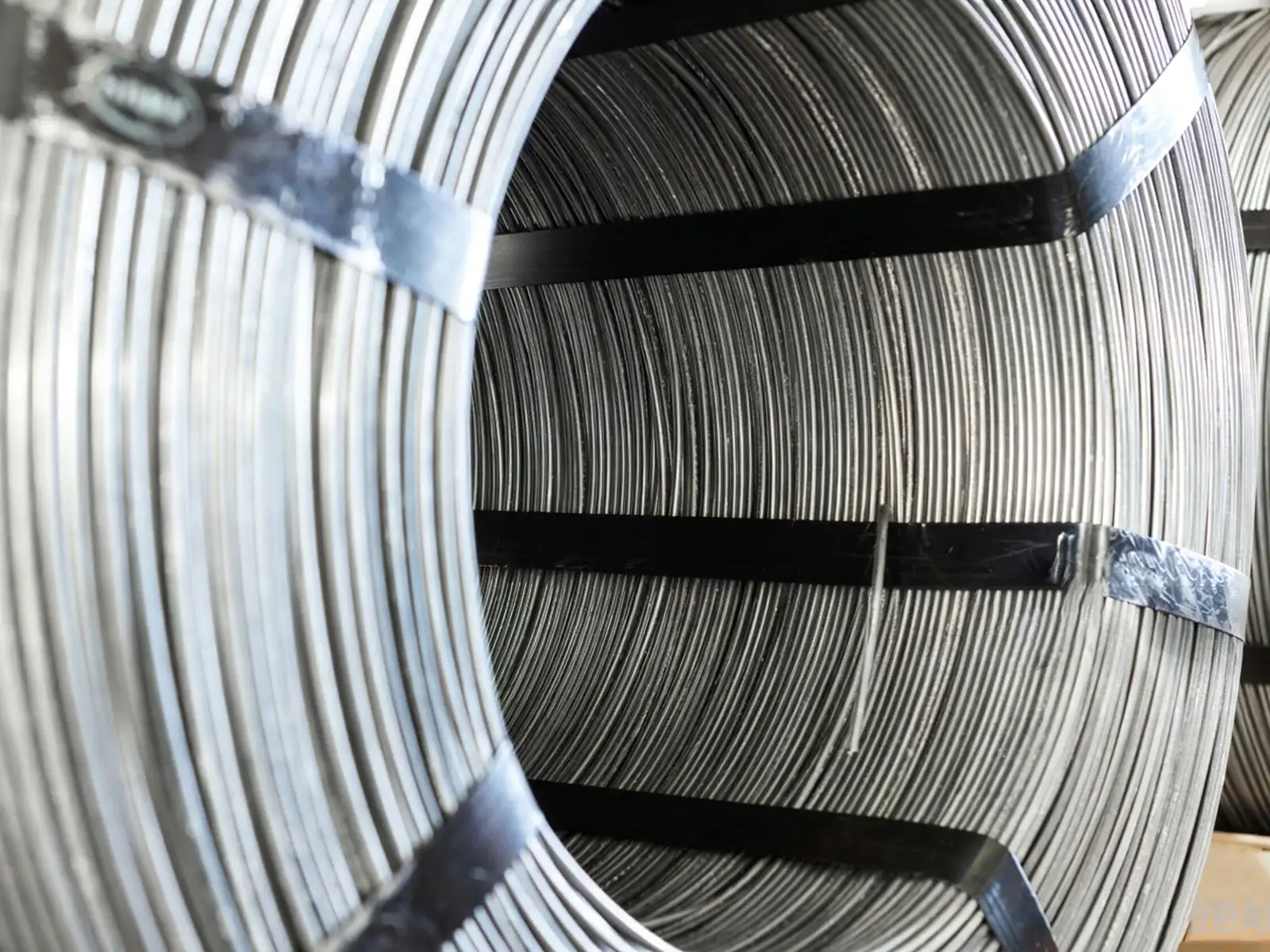
ASTM B550 zirconium wire exhibits outstanding corrosion resistance in almost all industrial media, with hydrofluoric acid being its sole vulnerability. Beyond HF, zirconium wire maintains long-term stable corrosion resistance whether exposed to boiling hydrochloric acid solutions, high-concentration sulfuric acid, strong alkali solutions, or high-temperature chloride environments. This near-perfect chemical inertness stems from its ability to rapidly form a dense zirconia protective oxide film on the surface, which possesses self-healing properties—even minor damage under harsh conditions triggers instantaneous regeneration. Compared to titanium alloys and stainless steels that fail in reducing acids and high-chloride environments, ASTM B550 zirconium wire provides a reliable material choice for high-corrosion industries such as chemical processing, nuclear power, and hydrometallurgy, significantly extending equipment service life and reducing maintenance costs.
Why Can Zirconium Wire Resist Almost All Corrosion Media?
The corrosion resistance mechanism of zirconium materials is built on unique surface chemistry behavior and crystal structure. When zirconium wire is exposed to oxidizing or neutral environments, a nanoscale ZrO₂ passivation layer forms instantaneously on the surface. Although this oxide film is only a few nanometers thick, it is exceptionally dense, effectively isolating direct contact between the base metal and corrosive media.
Self-Healing Oxide Film Protection Mechanism
The zirconia thin film on the zirconium wire surface possesses thermodynamic stability and dynamic regenerative capacity. Even when mechanical wear or localized chemical erosion damages the film, the exposed fresh zirconium substrate reacts with oxygen or water molecules in the environment within an extremely short timeframe to reform the protective layer. This self-healing characteristic enables zirconium wire to maintain long-term protection under complex operating conditions involving cyclic stress, erosion, and abrasion.
Intrinsic Corrosion Resistance from Crystal Structure
Zirconium belongs to the hexagonal close-packed (HCP) crystal system, featuring high atomic packing density and a compact structure. The R60705 alloy in the ASTM B550 specification, by adding 2.0–3.0% niobium, refines grain size while maintaining the close-packed structure, further enhancing grain boundary corrosion resistance. This microstructural design effectively suppresses intergranular corrosion and stress corrosion cracking.
Performance Comparison with Other Corrosion-Resistant Materials
As shown in the table below, zirconium wire demonstrates balanced and outstanding performance across multi-dimensional corrosion environments, with particular advantages in combined conditions involving both strong acids and chloride ions.
Material Type | HCl Resistance | H₂SO₄ Resistance | Alkali Resistance | Chloride Pitting Resistance | High-Temp Stability (≥300°C) |
316 Stainless Steel | Poor | Moderate | Good | Poor | Moderate |
Titanium Alloy (Gr2) | Poor | Good (concentration-dependent) | Excellent | Moderate | Good |
Nickel-Based Alloy (C276) | Excellent | Excellent | Good | Excellent | Excellent |
ASTM B550 Zirconium Wire | Excellent | Excellent | Excellent | Excellent | Excellent |
How Does Zirconium Wire Perform in Typical Corrosion Environments?
Corrosion environments in industrial production are far more complex than laboratory conditions, often involving mixed media, temperature fluctuations, and pressure variations. The performance of ASTM B550 zirconium wire under these real-world conditions validates the advancement of its material design.
Exceptional Service Life in Strong Acid Media
In hydrochloric acid solutions with concentrations up to 37%, the annual corrosion rate of zirconium wire under boiling conditions is less than 0.05 mm/year, meaning a 2 mm diameter zirconium wire has a theoretical service life of 20 years. Actual application data from petrochemical enterprises shows that heat exchanger tube bundles manufactured with R60702 zirconium wire operated continuously for 15 years in urea synthesis towers, with thickness measurements showing wall loss of less than 0.3 mm.
Pitting Immunity in Chloride Environments
High-concentration chloride ion environments prevalent in seawater desalination plants and chlor-alkali industries are the primary cause of perforation failure in stainless steel equipment. Zirconium wire has innate immunity to chloride ions; even after prolonged immersion in hot brine containing 200,000 ppm chlorine, the surface shows no pitting. A seawater desalination project using zirconium wire mesh demisters has operated stably for 8 years, remaining in initial condition.
Stability Verification in High-Temperature Alkali Solutions
30% sodium hydroxide solution commonly used in pharmaceutical and fine chemical industries at 120°C has extremely strong erosive properties. Comparative testing shows that titanium undergoes gradual hydrogen embrittlement under these conditions, while R60705 zirconium wire maintained no significant mechanical property degradation after 3,000 hours of operation under identical conditions, with the surface oxide film intact and undelaminated.
What Is the Targeted Material Selection Strategy for Different Zirconium Alloy Grades?
The ASTM B550 specification covers multiple zirconium grades, each with differentiated performance characteristics. Rational grade selection can optimize cost and machinability while meeting corrosion resistance requirements.
R60702 Commercial Pure Zirconium for General Applications
As the most widely used commercial pure zirconium grade, R60702 has a hafnium content not exceeding 4.5% with strictly controlled impurity elements. Its ductility is excellent, and annealed zirconium wire can undergo complex cold forming without cracking. It is suitable for corrosion-resistant components operating at temperatures below 260°C with moderate stress loads, such as gaskets, pump bushings, and pipe fittings in chemical vessels.
R60704 Tin-Strengthened Alloy for High-Temperature Applications
By adding 1.0–2.0% tin, R60704 increases yield strength by over 30% while maintaining excellent corrosion resistance. Zirconium wire of this grade is particularly suitable for manufacturing spring elements subjected to thermal cycling loads, high-pressure valve stems, and high-temperature fasteners requiring creep resistance. A petrochemical enterprise reported a 2.5-fold extension in fatigue life after replacing reactor stirring shafts with this material.
R60705 Niobium Alloy for Extreme Operating Conditions
R60705, containing 2.0–3.0% niobium, is the highest-strength grade in the ASTM B550 series with tensile strength reaching 550 MPa. Niobium alloying enables the alloy to maintain good mechanical properties above 300°C. This grade is ideal for nuclear reactor component fasteners, high-temperature furnace fixtures, and critical structural parts in aerospace corrosion-resistant applications.
Medium Condition | Temperature (°C) | 316 SS Corrosion Rate (mm/yr) | Gr2 Ti Corrosion Rate (mm/yr) | ASTM B550 Zr Wire Corrosion Rate (mm/yr) |
37% HCl | 100 | >10 (severe corrosion) | 5.2 (unsuitable) | <0.05 (outstanding) |
98% H₂SO₄ | 180 | 0.8 | 5.0 | <0.02 |
50% NaOH | 120 | 0.15 | 0.08 | <0.03 |
Seawater + free chlorine | 80 | Pitting perforation | 0.25 | <0.01 |
Property | R60702 | R60704 | R60705 | Typical Application Scenario |
Tensile Strength (MPa) | ≥380 | ≥410 | ≥550 | High-stress parts require R60705 |
Elongation (%) | ≥20 | ≥18 | ≥16 | Complex forming select R60702 |
Hafnium Content (%) | ≤4.5 | ≤4.5 | ≤4.5 | Nuclear-grade applications require low hafnium |
Max Service Temperature (°C) | 260 | 300 | 350 | High-temp conditions select R60705 |
HCl Corrosion Resistance | Outstanding | Outstanding | Exceptional | All grades applicable |
Relative Cost | Baseline | +15% | +35% | Balance cost-performance based on conditions |
How Does Precision Processing Technology Critically Affect Zirconium Wire Performance?
Even when raw materials comply with ASTM B550, improper processing can degrade performance. Zirconium, as an active metal, requires strict process control during hot working and surface treatment.
Vacuum Annealing to Relieve Work Hardening
The cold drawing process accumulates residual stress and increases dislocation density within zirconium wire, leading to reduced plasticity and increased susceptibility to stress corrosion. We employ vacuum annealing furnaces with better than 1×10⁻³ Pa vacuum, holding at 650–750°C to fully relieve internal stresses and restore ductility. Post-annealing mechanical testing confirms that elongation recovery exceeds 95% of the original annealed state.
Surface Purification Technology to Prevent Contamination
Even trace iron contamination on ASTM B550 zirconium wire surface creates micro-cell effects that accelerate localized erosion in corrosive media. Our pickling process employs a nitric–hydrofluoric acid mixed solution, precisely controlling hydrofluoric acid concentration below 2% to achieve surface cleaning without over-etching. Post-pickling surface analysis confirms iron contamination levels below 50 ppm.
Dimensional Precision Control for Stability Assurance
Our imported Danieli finishing mill from Italy is equipped with laser gauge systems that monitor and adjust rolling parameters in real time, controlling wire diameter tolerance within ±0.01 mm. This precision is critical for automated welding and precision spring manufacturing.
What Is the Cost-Benefit Analysis of Zirconium Wire in High-Value Applications?
Although zirconium raw material prices are higher than titanium and stainless steel, ASTM B550 zirconium wire often demonstrates superior economics in full lifecycle cost calculations.
Hidden Benefits from Extended Equipment Service Life
An electrolytic cell manufacturer using titanium hooks for anodes averaged replacement every 18 months, with each downtime event losing approximately 500,000 RMB in production value. After switching to R60705 zirconium wire, service life extended to over 7 years. Although individual component material costs increased by 3 times, the extended replacement cycle yielded net savings of over 2 million RMB annually.
Irreplaceability in Extreme Operating Conditions
In hydrometallurgical sulfate leaching processes operating at 180°C with high chloride content, titanium suffers hydrogen embrittlement failure, while nickel-based alloys, although tolerant, cost 4–6 times more than zirconium. Zirconium wire becomes the most cost-effective option. A rare earth extraction project using zirconium wire mesh filters operated continuously for 4 years without failure, with an investment payback period of only 1.8 years.
Additional Value of Lightweight Design
The aerospace industry has stringent weight reduction requirements. Zirconium density (6.5 g/cm³) is significantly lower than nickel-based alloys (8.9 g/cm³) with comparable strength. An aircraft engine model using R60704 zirconium wire to replace nickel alloy for corrosion-resistant fasteners achieved 1.2 kg weight reduction per engine. Calculated across fleet lifecycle fuel efficiency gains, savings exceeded USD 1 million.
Conclusion
ASTM B550 zirconium wire, with its outstanding corrosion resistance in virtually all industrial media except hydrofluoric acid, has become an indispensable key material in chemical processing, nuclear power, marine engineering, and other fields. Its self-healing oxide film mechanism, flexible multi-grade system selection, and proven long-term reliability provide a high cost-performance solution for extreme corrosion conditions, with significant full lifecycle economic benefits.
FAQ
Q1: Why Can Zirconium Wire Not Be Used in Hydrofluoric Acid Environments?
Hydrofluoric acid dissolves the protective zirconia film on the zirconium surface and undergoes vigorous chemical reaction with the base metal to form soluble zirconium fluoride, causing rapid uniform corrosion. Even HF solutions as low as 1% concentration will cause zirconium to fail rapidly—this is the sole significant weakness of zirconium materials.
Q2: How to Distinguish Between Different Zirconium Wire Grades?
They cannot be distinguished visually; material certificates or compositional analysis are required. R60702 has a pure zirconium matrix, R60704 contains 1–2% tin, and R60705 has the highest strength due to 2–3% niobium. We recommend requesting suppliers to provide ASTM B550-compliant material certificates and mechanical property reports to ensure grade accuracy.
Q3: What Precautions Should Be Taken When Welding Zirconium Wire?
Zirconium readily absorbs oxygen, nitrogen, and hydrogen at elevated temperatures, leading to embrittlement. High-purity argon shielding (purity ≥99.99%) must be used throughout, with gas coverage on both the weld zone and backing. Pre-weld cleaning requires acetone degreasing followed by acid pickling. Welding current must be determined based on specific process parameters. Inert atmosphere must be maintained during cooling until temperatures drop below 200°C. Strict process control ensures weld strength reaches over 90% of the base material.
Finding a Reliable ASTM B550 Zirconium Wire Supplier
Baoji Titanium Valley Titanium Nickel Zirconium Material Processing Co., Ltd. (Titanium Valley), as a professional manufacturer, owns world-class Danieli production lines and a complete quality traceability system with an annual capacity of 5,000 tons. Custom processing services are available for the full R60702/R60704/R60705 zirconium wire range. Contact us immediately for technical support: sales@titaniumvalleys.com
For a broader view of available grades, supply forms, and related specifications, explore our Zirconium Wire category.
For product-level details and supply options, you can also review our ASTM B550 Zirconium Wire page.
References
Zhang Weimin, Li Jianguo. Research Progress on Corrosion Behavior and Protection Mechanisms of Zirconium and Zirconium Alloys [J]. The Chinese Journal of Nonferrous Metals, 2021, 31(8): 2145-2162.
Chen Guoliang, Wang Yongqiang, Zhao Gang. Corrosion Resistance Study of Zirconium Alloys in Chemical Media [J]. Corrosion Science and Protection Technology, 2019, 31(4): 387-392.
Wang Xiaodong, Liu Haitao, Chen Minghua. Application Practice of ASTM B550 Standard Zirconium Materials in Chemical Equipment [J]. Chemical Equipment Technology, 2022, 43(3): 45-52.
Liu Jianzhang. Zirconium Alloys for Nuclear Reactors [M]. Beijing: Chemical Industry Press, 2005: 120-150.