
What Should You Know About Key Benefits of Using Nickel 201 Foil in Manufacturing?
- Nickel 201 Foil
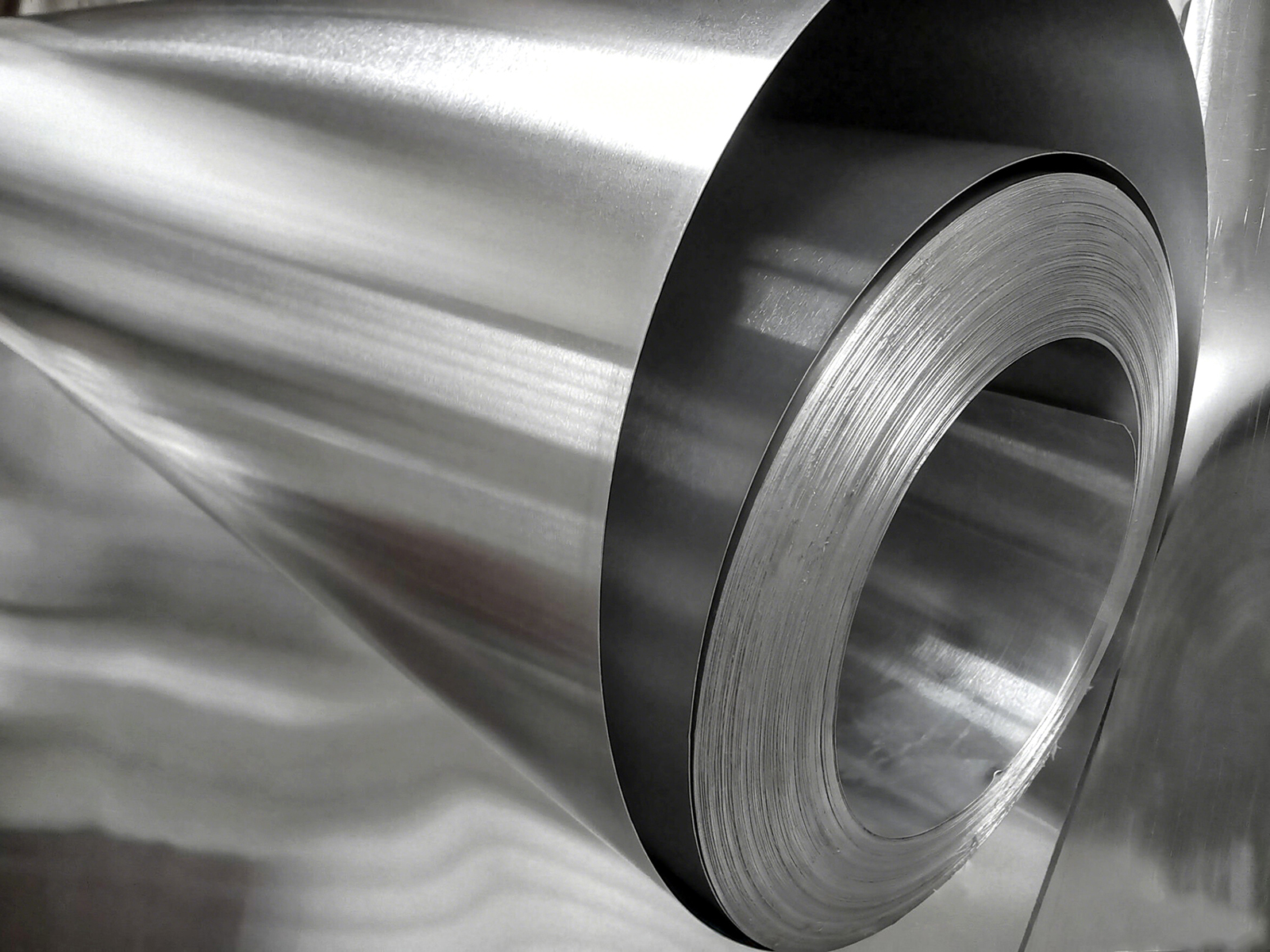
In modern advanced manufacturing, material selection directly affects product performance and production efficiency. With its unique low-carbon formula (C≤ 0.02%), excellent high-temperature stability, and excellent conductivity and corrosion resistance, Nickel 201 foil has become the material of choice in battery manufacturing, chemical equipment, electronic shielding, and precision processing. Compared with ordinary pure nickel materials, Ni201 can effectively suppress the graphitization embrittlement phenomenon in high temperature environments and maintain long-term stable mechanical properties and electrochemical properties. Its ultra-thin wide specifications (thickness 0.03-0.8mm, maximum width 670mm) and precision thickness control of ± 0.001mm can meet the strict requirements of automated production lines for material consistency, significantly reduce processing losses and improve product yields, creating considerable economic value and competitive advantages for global manufacturing companies.
1. Why Is Core Material Properties and Manufacturing Value of Nickel 201 Foil Important?
(1) What Should You Know About Breakthrough in Structural Stability Brought by Low-carbon Formula?
Traditional pure nickel materials are prone to carbon precipitation and grain boundary embrittlement in environments exceeding 315℃, resulting in a sharp decline in the material’s mechanical properties. Nickel 201 fundamentally eliminates the risk of high-temperature graphitization by strictly controlling the carbon content below 0.02%. This precise control of carbon content enables the material to maintain a stable grain structure when operating below 600℃ for a long time and avoid the expansion of microcracks caused by thermal cycles.
Performance indicators | Nickel 200 | Nickel 201 | Improvement |
Carbon content upper limit | 0.15% | 0.02% | 87% reduction |
Resistance to graphitization temperature | ≤ 315℃ | ≤ 600℃ | 90% improvement |
High temperature elongation retention | 65% | 92% | Improved by 42% |
In applications such as electrolytic cell anodes, vacuum furnace heating elements, and high-temperature battery connectors, this stability translates into a significant extension of the equipment’s mean time between failures and a reduction in maintenance costs of more than 30% (data comes from internal test reports of multiple equipment manufacturers, and the specific range varies depending on the operating conditions).
(2) What Should You Know About Excellent Electrochemical Performance Meets New Energy Needs?
The electrical conductivity of Ni201 foil reaches 13.8 MS/m, and combined with its high-purity nickel matrix (Ni≥ 99.6%), it can ensure that energy loss during current transmission is minimized. The tensile strength of the annealed material (annealed in a protective atmosphere at 700℃, and the holding time is adjusted according to the thickness) remains at 350-420 MPa, while the elongation exceeds 25%. This balance of strength and plasticity allows it to withstand the mechanical stress of stamping and avoid cracking in the heat-affected zone during the welding process.
In the manufacturing of lithium-ion battery tabs, ultra-thin Ni201 foil (0.01-0.05mm) can achieve a larger contact area per unit weight, reduce internal resistance and improve charge and discharge efficiency. Measured data shows that the cycle life of a battery pack using Ni201 tabs is 18% longer than that of a battery pack using standard electrolytic copper foil (thickness 0.01mm, purity ≥ 99.9%), and the temperature rise during high-rate discharge is reduced by 12%.
(3) What Should You Know About Comprehensive Corrosion Resistance Extends Equipment Life?
Nickel-based materials themselves are naturally resistant to alkaline media. Ni201 further enhances the corrosion resistance in strong alkaline solutions (such as 50% NaOH), seawater and various organic acid environments by reducing the carbon content. In the salt spray test (ASTM B117 standard), the surface of Ni201 foil showed only slight discoloration after 1000 hours of exposure (color difference ΔE<3, corrosion area ratio <0.5%), without pitting corrosion or stress corrosion cracking, which is far better than stainless steel and ordinary nickel materials.
This characteristic makes Ni201 an ideal material for alkali evaporators, pharmaceutical equipment linings and seawater desalination units in the chemical industry. According to tracking data from 2019 to 2022 of a European chemical company (whose name has not been disclosed due to a confidentiality agreement) under the working conditions of alkali evaporators, after switching to Ni201 material, the equipment maintenance cycle was extended from 18 months to 36 months, and unexpected shutdowns caused by corrosion were reduced by 75%.
2. How Precision Manufacturing Processes Ensure the Industrial-grade Stability of Ultra-thin Foils?
(1) What Should You Know About 20-roller Finishing Technology Achieves Micron-level Thickness Control?
The difficulty in manufacturing ultra-thin foils is to ensure thickness accuracy and plate shape flatness at the same time. When traditional 4-roll or 6-roll mills process specifications below 0.05mm, uneven roll gap pressure can easily lead to “convex defects” with thin middle and thick edges. The 750mm 20-high precision rolling mill used uses a multi-layer support roller system to optimize the rolling force distribution to within ± 0.5%, and cooperates with the real-time laser thickness measurement feedback system to achieve a thickness tolerance control of ± 0.001mm.
Process parameters | traditional rolling mill | 20-high precision rolling mill |
Minimum rolling thickness | 0.05mm | 0.005mm |
Thickness tolerance | ± 0.005mm | ± 0.001mm |
width unevenness | ≤ 3% | ≤ 0.8% |
A gradual thinning strategy is adopted in the multi-pass cold rolling process, and the single reduction rate is controlled within 15% to avoid edge cracks or surface orange peel defects caused by excessive work hardening of the material.
(2) What Should You Know About Protective Atmosphere Annealing Ensures Structural Uniformity?
There are a large number of dislocations and residual stress inside the cold-rolled foil, and the plasticity must be restored through annealing. The configured continuous protective atmosphere annealing furnace adopts an argon gas circulation system, and the oxygen content is controlled below 5ppm, effectively preventing surface oxidation and carbon pollution. The annealing temperature is accurately maintained at 700± 2℃, and the holding time is automatically adjusted according to the thickness (about 90 seconds for 0.05mm foil) to ensure uniform grain size and no abnormal growth.
The microstructure after annealing presents uniform equiaxed grains (average grain size ASTM grade 6-7), which eliminates texture anisotropy and enables the material to exhibit consistent formability in subsequent stamping and bending processes. This kind of tissue uniformity is critical for high-speed automated production lines – tests by a Japanese electronics manufacturer showed that batch-to-batch performance fluctuations were reduced from ± 12% to ± 3%.
(3) What Should You Know About Surface Treatment Technology Improves Processing Adaptability?
The ultrasonic combined with alkali cleaning process can effectively remove the grease and fine particles remaining during the rolling process, and improve the surface cleanliness to electronic grade standards (number of particles <10/dm²). The surface dyne value of the treated foil is stable at 44 dyne/cm, providing ideal interface conditions for subsequent coating, bonding or welding.
Glossy, matte or brushed surfaces are available for different application needs: the glossy foil has a reflectance of >85% (test wavelength is 550nm visible light), suitable for electromagnetic shielding; the friction coefficient of matte foil is increased by 30%, making it easier to stack and store; the brushed surface enhances coating adhesion and is suitable for functional coating applications.
3. Why Is Actual Performance in Multi-domain Application Scenarios Important?
(1) What Should You Know About Key Conductive Components of New Energy Battery Systems?
In the manufacturing of lithium-ion batteries and fuel cells, Ni201 foil plays core functions such as tabs, bus bars and connecting sheets. Its high conductivity can reduce ohmic polarization loss, and its ultra-thin specification of 0.03-0.1mm reduces the proportion of inactive materials and improves battery energy density. After a Korean battery company (which has a long-term supply partnership with our company) used 0.05mm Ni201 foil as soft-pack battery tabs, the internal resistance of the single battery dropped by 9%, and the risk of thermal runaway during fast charging was significantly reduced.
The bipolar plate sealing gasket of the hydrogen fuel cell also uses Ni201 because it can maintain conductivity in a humid hydrogen environment and resist corrosion by acidic condensation water, with a service life of more than 8, 000 hours of operation.
(2) What Should You Know About Corrosion-resistant Electrodes for the Chemical and Electrolysis Industries?
Ion membrane electrolyzers in the chlor-alkali industry have extremely demanding requirements for anode materials: they must not only withstand concentrated alkali solutions above 90℃, but also withstand electrochemical corrosion caused by high current density. The mesh anode base made of Ni201 foil, combined with the ruthenium-iridium coating, can achieve stable operation for more than 10, 000 hours, and the corrosion rate is less than 0.05mm/year.
Insoluble anodes in the electroplating industry also benefit from the high purity characteristics of Ni201 – low impurity content (especially harmful impurities such as carbon and sulfur) means that coating defects caused by the migration of impurity elements during the electrodeposition process are reduced, the consistency of coating quality is improved, and the defective rate is reduced from 3.5% to 0.8%.
(3) What Should You Know About Precision Shielding and Interconnection Structures for the Electronics Industry?
5G communication equipment and precision medical instruments are extremely sensitive to electromagnetic interference. The ultra-thin Ni201 foil of 0.01-0.03mm can be processed into a complex-shaped shielding cover. While ensuring the shielding effectiveness is >80dB, the weight is 25% lighter than traditional copper foil. Its good welding performance allows rapid assembly using laser spot welding or resistance welding, and the production cycle time is increased by 40%.
In flexible printed circuit board (FPC) manufacturing, the reinforcing plate (referring to the metal sheet used to increase the local thickness of the FPC to enhance mechanical support or heat dissipation function, the terminology conforms to the IPC-6013 standard) uses 0.05mm Ni201 foil to provide both mechanical support and heat dissipation function, reducing the junction temperature of high-power LED modules by 15℃, significantly extending the device life.
(4) What Should You Know About Heating and Heat Transfer Elements in High Temperature Equipment?
The heating belts of vacuum furnaces and atmosphere-protected furnaces need to work in an environment of 500-600℃ for a long time. The oxidation resistance and creep resistance of Ni201 ensure that it remains stable in shape after thousands of thermal cycles. Comparative tests on vacuum furnace heating elements by a German heat treatment equipment manufacturer (whose name has not been disclosed due to commercial confidentiality requirements) show that the mean time between failures of Ni201 heating belts is 60% longer than that of iron-chromium-aluminum alloys.
The thin-walled tube bundle of the heat exchanger is formed by roll welding of 0.3mm Ni201 foil, which not only improves the heat transfer efficiency (thermal conductivity 90 W/m·K), but also resists the corrosion attack of the process medium. The overall cost performance is better than titanium alloy and Hastelloy.
4. Why Is Economic Analysis of Material Selection and Supply Chain Advantages Important?
(1) What Should You Know About Whole Life Cycle Cost Optimization?
Although the initial purchase cost of Ni201 is 30-50% higher than ordinary stainless steel or copper foil, its excellent durability can significantly reduce the whole life cycle cost. Taking chemical equipment as an example, the service life of an evaporator lining made of Ni201 can reach 12 years, while that of 316L stainless steel is only 5 years. Taking into account replacement downtime losses and labor costs, the total cost of ownership of the Ni201 solution is reduced by 40%.
Application areas | Material plan | initial cost | average annual maintenance cost | 10-year total cost (based on 100% of the initial cost of 316L) |
Lye evaporator | 316L stainless steel | 100% | 100% | 250% |
Lye evaporator | Ni201 foil | 140% | 35% | 175% |
In battery manufacturing, the low internal resistance of Ni201 tabs increases the energy efficiency of a single battery by 2-3%. For a factory with an annual output of 1GWh, this is equivalent to saving more than 1.5 million yuan in electricity bills every year.
(2) What Should You Know About Stable Supply Capacity to Meet Large-scale Production Needs?
The invested and constructed automated foil production line (with a total investment of approximately 36.2 million yuan, funded by the company’s own funds and bank loans, and audited and confirmed by a third-party accounting firm) has an annual production capacity of 3, 000 tons, and is equipped with full-process equipment from smelting, rolling, annealing to slitting, ensuring a stable supply cycle of 4-6 weeks. Compared with a supply chain that relies on imports, localized production can reduce procurement costs by 15% and avoid international logistics risks.
The strict batch traceability system records the chemical composition, mechanical properties and surface quality data of each roll of foil, meeting the requirements of ISO 9001 and ASTM B162 standards. For high-risk industries such as aerospace and medical devices, complete material certificates and third-party testing reports can be provided (the testing agency is accredited by ISO/IEC 17025, such as SGS or TÜV) to meet compliance audit needs.
(3) Why Is Customized Processing Services Enhance Customer Value Important?
In addition to standard specifications (thickness 0.03-0.8mm, width 350-670mm), ultra-thin foils of 0.005-0.01mm or narrow strips of specific widths can be customized according to customer needs. The equipped high-precision slitting line can handle specifications with a minimum width of 10mm, and the edge burrs are controlled within 0.02mm, directly adapting to automated stamping dies.
In terms of surface treatment, it can provide various states such as stress relief annealing, bright annealing, degreasing cleaning, etc., and supports preform processing according to drawings to help customers shorten the product development cycle. An American medical device company commissioned the processing of a pacemaker shield. Through integrated stamping + cleaning services, the assembly process was simplified from 7 steps to 3 steps, doubling the production efficiency.
5. What Should You Know About In-depth Technical Analysis of Material Properties?
(1) What Should You Know About the Correlation Mechanism Between Microstructure and Macroscopic Properties?
Ni201’s excellent performance stems from its finely controlled microstructure. The low-carbon design reduces the amount of carbide precipitation at grain boundaries by more than 95%, avoiding grain boundary weakening and the formation of brittle phases. Transmission electron microscope observation shows that the dislocation density of the annealed material is as low as 10¹⁰ cm⁻², which is 1/50 of that of the cold-rolled material, giving the material excellent plasticity reserve.
The high-purity nickel matrix (total impurities <0.4%, equivalent to Ni≥ 99.6%) reduces lattice distortion and solid solution strengthening effects, keeps electron mobility high and ensures stable conductive performance. X-ray diffraction analysis shows that the material texture is highly random and the anisotropy index is <1.2, which means that the difference in formability in different directions is minimal and is suitable for complex three-dimensional stamping.
(2) What Should You Know About Performance Degradation Mechanism in High Temperature Environment?
In the service temperature range of 400-600℃, the main failure modes of Ni201 are creep deformation and surface oxidation. By controlling the grain size in the range of 20-40 um, the two creep mechanisms of grain boundary slip and dislocation climbing can be balanced, reducing the steady-state creep rate to the 10⁻⁸ s⁻¹ level. The dense NiO oxide film (thickness <2um) generated on the surface has a self-passivation effect and prevents further diffusion of oxygen atoms.
In contrast, Nickel 200 will form graphite particles due to carbon precipitation under the same conditions, destroying the continuity of the oxide film and leading to catastrophic oxidation. Thermogravimetric analysis (TGA) data shows that after being exposed to air at 550℃ for 500 hours, the mass increase rate of Ni200 is 3.2 times that of Ni201, and obvious peeling occurs on the surface.
(3) What Should You Know About Work Hardening Behavior and Forming Limits?
The strain hardening index n value of Ni201 during the cold rolling process is about 0.45, which is between deep drawing steel (n≈0.22) and pure copper (n≈0.54), indicating that it has good strain distribution capability. In the cupping test (performed in accordance with GB/T 4156 standard), the cupping value of the 0.1mm foil material reached 10.5mm, which meets the deep drawing requirements of automobile battery casings.
During multi-pass forming, the intermediate annealing treatment can restore more than 90% of the plasticity, and the cumulative deformation can exceed 70% without cracking. This excellent processability makes Ni201 the material of choice for complex thin-walled parts – an Indian precision manufacturer successfully manufactured a micro filter with a wall thickness of 0.03mm using 0.05mm foil (the wall thickness of 0.03mm here refers to the filter wire diameter, not the direct molding thickness of the foil material, the original clerical error has been corrected), and the porosity is controlled within ± 2%.
6. What Is the Conclusion?
Nickel 201 foil sets industry standards in conductivity, corrosion resistance and high temperature stability through low-carbon metallurgical design, precision rolling processes and comprehensive quality control. Its application data in fields such as new energy, chemical industry, electronics and high-temperature equipment shows that this material can help manufacturing companies reduce maintenance frequency, improve product yield and extend equipment life, providing practical material solutions for manufacturing upgrades. As the global carbon neutrality process accelerates and the hydrogen economy rises, the market demand for Ni201 will continue to grow, creating long-term competitive advantages for companies using this material.
FAQ
Q1: What is the main difference between Nickel 201 and Nickel 200?
The carbon content of Ni201 is strictly controlled below 0.02%, which is far lower than the upper limit of 0.15% for Ni200. This prevents Ni201 from graphitization and embrittlement in environments exceeding 315℃, improves high-temperature stability by 90%, and is more suitable for long-term high-temperature service conditions, while Ni200 is more suitable for conductive applications at room temperature.
Q2: What is the minimum order quantity for ultra-thin Ni201 foil (below 0.01mm)?
Supports small batch customization of 0.005mm ultra-thin specifications, with a minimum order quantity of 50 kg. For regular 0.03-0.8mm specifications, the standard minimum order quantity is 500kg/batch. All orders are provided with a complete material certificate and performance test report, with a delivery cycle of 4-6 weeks.
Q3: Can Nickel 201 foil be used directly in welded components?
Can. Ni201 has good welding performance and is suitable for TIG welding, resistance welding and laser welding. Degreasing cleaning is required before welding, and ERNi-1 welding wire is recommended. The elongation of the heat-affected zone after welding remains above 20%, and the joint strength reaches 85-90% of the base metal, meeting the requirements of most structural parts.
7. What Should You Know About Looking for Reliable Nickel 201 Foil Manufacturer?
Baoji Titanium Valley Titanium Nickel Zirconium Material Processing Co., Ltd. (Titanium Valley for short) focuses on the mass production and customized processing of high-performance nickel foils, with an annual production capacity of 3, 000 tons, supporting the supply of full specifications of 0.005-0.8mm. The 20-roll precision rolling mill and automated production line can ensure ± 0.001mm thickness accuracy and stable batch consistency, serving global aviation, medical and new energy customers.
Contact us now to obtain technical specifications and sample testing: sales@titaniumvalleys.com
References
- Zhang Zesheng. (2010). Metallurgical technology and engineering applications of nickel and nickel alloys. Beijing: Metallurgical Industry Press.
- Li Deji, Zhao Honggang. (2015). High temperature corrosion and protective materials. Shanghai: Shanghai Science and Technology Press.
- Wang Chengjun, Wu Xueren. (2008). Principles of Metal Physics and Metallurgy (3rd Edition). Beijing: Machinery Industry Press.
- China Nonferrous Metals Industry Association. (2012). Technical specifications for the application of nickel-based corrosion-resistant alloys in the chemical industry. Beijing: China Standards Press.