
What Should You Know About the Key Characteristics of UNS R60702 Foil That You Need to Know Before Purchasing?
- UNS R60702 Foil
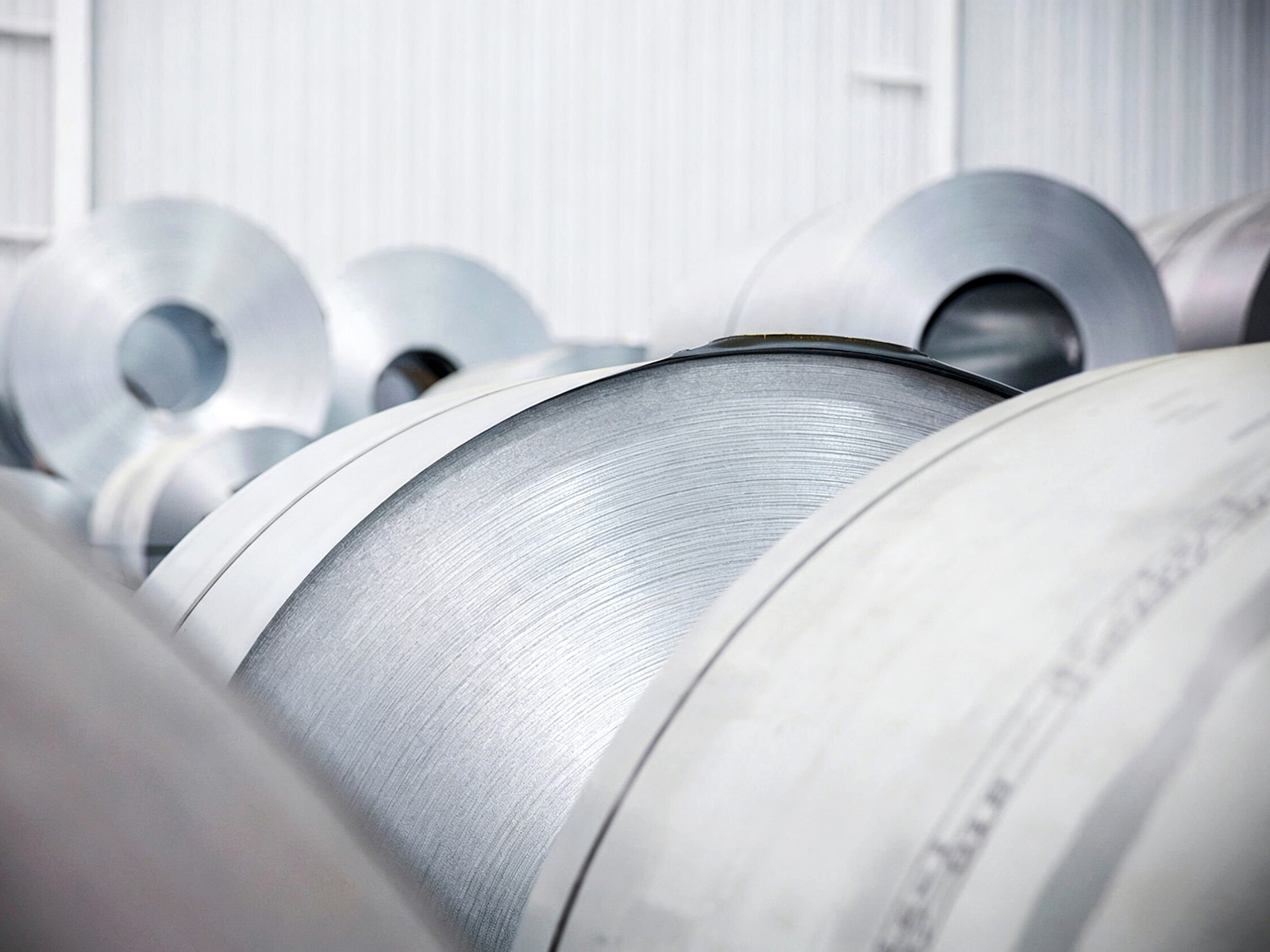
In highly corrosive chemicals, electrolysis systems and high-reliability sealing applications, material selection is directly related to equipment life and operational safety. UNS R60702 foil, as a representative of zirconium alloy materials, has attracted attention for its stable strong acid resistance and long-term reliability. Before purchasing, you need to focus on its material purity (Zr+Hf ≥ 99.2%), corrosion resistance mechanism, precision processing capabilities and application suitability. Compared with the rapid failure of titanium foil in hydrochloric acid environment, the risk of pitting corrosion of stainless steel, and the limitations of nickel materials in acidic media, UNS R60702 foil provides durable protection through a dense oxide film. Understanding its physical properties (density 6.51 g/cm³, melting point 1852℃), mechanical properties (annealed tensile strength ≤ 380MPa, elongation ≥ 16%) and ultra-thin processing accuracy (± 0.002mm tolerance control) can help engineers make accurate decisions and avoid system failures and high maintenance costs caused by material misjudgment.
1. What Should You Know About Material Nature, Composition and Performance Basis of UNS R60702 Foil?
(1) What Should You Know About Chemical Composition Control and Purity Requirements?
The core competitiveness of UNS R60702 foil stems from the strict composition control system. The total content of zirconium and hafnium ≥ 99.2% ensures the intrinsic corrosion resistance of the material, while the restriction of hafnium content ≤ 4.5% balances the application needs of the nuclear industry with cost control. It is crucial to control the total Fe+Cr content ≤ 0.20% and oxygen content ≤ 0.16% – excess iron will form galvanic corrosion in an acidic environment, and excessive oxygen content will cause material embrittlement. The micro-control of nitrogen (≤ 0.025%) and carbon (≤ 0.05%) ensures the plastic stability of the material during cold rolling and avoids the risk of cracking during ultra-thin processing.
(2) Why Is Impact of Physical Properties on Applications Important?
The density of 6.51 g/cm³ makes UNS R60702 foil superior to nickel-based materials (density of 8.9 g/cm³) in lightweight design, and can reduce the structural weight by about 30% with the same protection effect. The melting point of 1852℃ gives the material good high-temperature stability, and it can still maintain structural stability under working conditions of 300-400℃. Nonmagnetic features solve the problem of magnetic interference in precision instruments, particularly in vacuum electronics and medical imaging systems. The material’s low neutron absorption cross-section (σ = 0.18 tern) makes it an optional material for nuclear reactor cooling systems. This characteristic behaves differently in titanium materials.
(3) What Should You Know About Mechanical Properties and Processing Suitability?
The combination of tensile strength ≤ 380MPa and elongation ≥ 16% of annealed UNS R60702 foil achieves a balance between strength and plasticity. Compared with the cold-worked state (H state), the significant softening of the annealed material makes it suitable for complex stamping forming – the processing success rate of gaskets, bellows, sealing rings and other components can be increased by more than 40%. The material’s strain-hardening index (n value around 0.18) helps the ultra-thin foil resist necking deformation during stretching. It is worth noting that the yield strength fluctuation of 0.02-0.05mm ultra-thin specifications needs to be strictly controlled within the range of ± 15MPa, which places higher requirements on the temperature uniformity (± 2℃) of the vacuum annealing process.
2. What Should You Know About Corrosion Resistance, Performance in Strong Acid Environment?
(1) What Should You Know About Passivation Film Formation Mechanism?
UNS R60702 foil spontaneously generates a 1-5nm thick ZrO₂ dense film in oxidizing and neutral media. The stability of this amorphous oxide film in acidic environments is superior to similar materials. In boiling hydrochloric acid (20% concentration), the corrosion rate of zirconium foil is <0.05mm/year, while the annual corrosion depth of titanium foil is larger under the same conditions (common technical data shows 1-2mm/year). In a sulfuric acid environment (70% concentration, normal temperature), the passivation film of zirconium materials heals quickly, and can restore its protective properties in a short time even after mechanical scratches.
(2) What Should You Know About Compatibility with Various Acidic Media?
In organic acid systems (acetic acid, formic acid, oxalic acid), UNS R60702 foil exhibits stability over the entire concentration range, which is attributed to the low reactivity of zirconium towards H⁺ ions. In a mixed acid environment (such as nitric acid-hydrofluoric acid system), the material can still maintain a passive state, while titanium foil will quickly fail due to erosion by fluoride ions. The long-term immersion test in seawater environment shows that the pitting corrosion phenomenon of zirconium foil is not obvious within a 5-year cycle, and the crevice corrosion sensitivity is lower than that of 316L stainless steel. It should be noted that the corrosion resistance of zirconium materials decreases significantly in high-concentration hydrofluoric acid (>40%) or strong alkali solutions (NaOH>30%).
(3) What Should You Know About the Effect of Temperature on Corrosion Behavior?
Increased temperature accelerates corrosion kinetics, but the passivation film of UNS R60702 foil remains stable below 150℃. Experimental data show that in 10% sulfuric acid solution, when the temperature rises from 25℃ to 80℃, the corrosion rate of zirconium foil increases only 0.3 times, while the corrosion rate of stainless steel increases by more than 10 times. Under high-temperature working conditions (200-300℃), the risk of hydrogen embrittlement of materials needs to be paid attention to – when the hydrogen content exceeds 150ppm, the toughness will decrease significantly (according to relevant test data). The use of vacuum annealing and dehydrogenation treatment can control the hydrogen content below 50ppm, improving the reliability of high-temperature applications.
Table 1: Corrosion comparison of UNS R60702 foil and competitive materials in typical media
Medium conditions | UNS R60702 foil | Titanium foil (Gr2) | 316L stainless steel | Nickel 200 |
20% hydrochloric acid (boiling) | <0.05mm/year | 1-2mm/year (reference value) | Severe pitting corrosion | 1-2mm/year (reference value) |
70% sulfuric acid (room temperature) | <0.03mm/year | 0.8mm/year | 1.2mm/year | 0.15mm/year |
Acetic acid (99%, boiling) | <0.01mm/year | 0.05mm/year | 0.3mm/year | <0.02mm/year |
Sea water (5 years of soaking, room temperature) | No pitting corrosion | slight pitting corrosion | Moderate pitting corrosion | slight corrosion |
3. What Should You Know About Precision Processing Capabilities, Technical Key Points of Ultra-thin and Wide Width?
(1) What Should You Know About Thickness Control Accuracy and Uniformity?
The core challenge in producing 0.02-1.0mm foil is thickness tolerance control. The multi-roll support system of the 20-roll finishing mill can reduce work roll deflection by 80% and achieve precision control of ± 0.002mm – which means that the thickness fluctuation rate of 0.05mm foil is <4%. The thickness difference of the full width (670mm) needs to be controlled within 0.005mm, which requires the pressure distribution deviation during the rolling process to be <0.5%. The online thickness measurement system uses X-ray or laser measurement with a feedback cycle of <0.1 seconds to ensure real-time correction of rolling parameters.
(2) What Should You Know About Surface Quality and Cleanliness Management?
Ultrasonic cleaning combined with solvent treatment can increase the surface oil removal rate to 99.8%, and the surface dyne value is stable above 40, ensuring the adhesion of subsequent coatings or composite processes. Oxygen content control (<5ppm) during the continuous annealing process is the key to preventing surface oxidation and discoloration – the vacuum degree must be maintained at 10⁻³Pa level, and the annealing temperature uniformity must be within ± 2℃. The grinding process uses a precision abrasive belt (grain size above 2000 mesh) to achieve a surface roughness of Ra<0.2um and reduce the impact of microscopic scratches on sealing performance.
(3) What Should You Know About Edge Quality and Striping Technology?
The burr height when slitting ultra-thin foil must be controlled to <5um, otherwise it may cause the risk of short circuit in lamination applications. Using disc shears combined with an air cushion support system, the slitting speed is controlled within the range of 15-25m/min, which can reduce the edge tear rate to less than 0.1%. Dynamic adjustment of the winding tension (accuracy ± 0.5N) prevents wrinkles and misalignment of the foil during the winding process. For 0.02mm ultra-thin specifications, laser cutting can be used instead of mechanical striping, and the edge heat-affected zone is controlled within 100 um to reduce micro-cracks caused by mechanical stress.
Table 2: Processing accuracy indicators of UNS R60702 foils with different thickness specifications
Thickness range(mm) | Thickness tolerance(mm) | Width range(mm) | Surface roughness Ra(um) | Edge burr(um) |
0.02-0.05 | ± 0.002 | 15-350 | <0.15 | <3 |
0.05-0.20 | ± 0.003 | 15-550 | <0.20 | <5 |
0.20-0.50 | ± 0.005 | 15-670 | <0.30 | <8 |
0.50-1.00 | ± 0.008 | 15-670 | <0.40 | <10 |
4. Why Is Application Compatibility, How to Choose the Right Size and Status Important?
(1) How Should Specification Selection in the Field of Chemical Anti-corrosion?
For gasket applications, 0.05-0.20mm annealed foil is recommended. This thickness range can achieve a sealing compression rate of more than 95% under a pressing force of 10MPa, while retaining sufficient rebound ability to prevent flange leakage. The lining structure should use 0.30-0.80mm specifications and be combined with the base material through explosive compounding or adhesive technology to resist media erosion and temperature cycles. For the lining repair of sulfuric acid concentration tower, 0.50mm foil material combined with special welding process can achieve a service life of more than 10 years, and the maintenance cost is relatively low.
(2) What Should You Know About Performance Requirements for Electrolytic Plating Systems?
The electrode foil needs to have both conductivity (resistivity <50μΩ·cm) and corrosion resistance. The surface hardness of the 0.08-0.15mm cold-rolled foil (HV180-220) provides good erosion resistance. In electrolytic cell separator applications, the ion permeability of 0.02-0.05mm ultra-thin foils is approximately 40% higher than that of 0.10mm specifications, which helps improve electrochemical performance. The anode basket lining of the chrome plating process uses 0.30mm perforated foil plate (pore diameter 1-2mm, opening rate 30%), which not only ensures uniform current distribution, but also prevents leakage of anode mud.
(3) Why Is Innovative Applications in New Energy and Electronics Important?
The lithium battery current collector uses 0.008-0.015mm ultra-thin zirconium foil instead of copper foil or aluminum foil, which can improve the electrolyte tolerance and is especially suitable for high voltage (>4.5V) and high temperature (>60℃) systems. The anti-corrosion coating base material of the fuel cell bipolar plate is recommended to be 0.05mm foil, which is titanium plated or nitrided through magnetron sputtering to achieve lower contact resistance and longer durability. The shielding structure of vacuum electronic devices uses 0.03mm foil material. The non-magnetic characteristics eliminate electron beam deflection, and the shielding efficiency reaches more than 80dB at a frequency of 1MHz.
Table 3: Recommended UNS R60702 foil specifications for typical application scenarios
Application scenarios | Recommended thickness (mm) | Recommended status | Width requirements (mm) | key performance requirements |
Chemical gasket | 0.05-0.20 | Annealed state (M) | 100-500 | Elongation ≥ 20%, clean surface |
electrolysis electrode | 0.08-0.15 | Cold rolled state (H) | 200-600 | Surface hardness HV>180 |
battery current collector | 0.008-0.015 | Annealed state (M) | 300-600 | Thickness tolerance ± 0.001mm |
Vacuum shielding | 0.03-0.05 | Annealed state (M) | 50-300 | Non-magnetic, no oxidation on the surface |
Reactor lining | 0.30-0.80 | Annealed state (M) | 400-670 | Weldable, erosion resistant |
5. What Should You Know About Supply Chain Considerations, Quality Stability and Long-term Cooperation Guarantee?
(1) What Should You Know About Production Process Maturity Assessment?
The supplier’s equipment configuration directly determines product consistency. The production line equipped with a 750mm 20-roll finishing mill has ultra-thin and wide-width stable rolling capabilities. Multi-pass rolling (usually 12-18 passes) combined with intermediate annealing ensures structural uniformity. The temperature zone control of the continuous annealing line (the heating section, the insulation section, and the cooling section are independently adjusted) can control the grain size fluctuation within 0.5 levels. The production line with an automation rate of 90% traces the rolling parameters, annealing curves and inspection data of each roll of foil in real time through the MES system, achieving full-process quality traceability.
(2) What Should You Know About Integrity of Testing and Certification System?
The chemical composition analysis of materials requires the use of ICP-OES or direct reading spectrometer, with detection accuracy reaching ppm level to ensure control of trace impurities. Mechanical property testing should include tensile data in different directions (longitudinal, transverse, 45°). Anisotropy coefficient (transverse/longitudinal stretch ratio) <1.15 indicates good material uniformity. Surface defect detection uses eddy current detection or fluorescence penetration method, which can identify pinholes >0.05mm and scratches >10um deep. Corrosion performance verification requires long-term testing under actual working conditions simulation conditions (≥ 1000 hours, conditions such as temperature, medium update frequency, etc. must be specified), and weight loss method and electrochemical impedance spectroscopy (EIS) data support are provided.
(3) What Should You Know About Bulk Supply Capability and Customized Response?
The production line has certain batch supply capabilities, and the delivery cycle for conventional specifications (0.05-0.50mm) can be controlled within 4-6 weeks. Customized specifications (such as 0.005mm ultra-thin or special width) need to evaluate the process feasibility in advance. The sampling period is usually 2-3 weeks, and small batch trial production is followed by mass production. Suppliers should provide technical support teams to assist customers in application suitability testing, including formability assessment, welding process development and corrosion simulation testing, to reduce the risk of new product introduction. The price stabilization mechanism and priority supply terms in long-term cooperation agreements are crucial to project cost control.
6. What Is the Conclusion?
The purchase decision of UNS R60702 foil needs to comprehensively consider the four dimensions of material nature, corrosion resistance mechanism, processing accuracy and application matching. The material’s stability in a strong acid environment stems from strict composition control and dense passivation film formation mechanism. Its ultra-thin and wide-width processing capabilities rely on advanced finishing rolling equipment and a full-process quality management system. In the fields of chemical anti-corrosion, electrolytic plating and new energy, precise specification selection and status matching can extend the life of equipment and reduce maintenance costs relatively. Choosing suppliers with mature processes, complete certifications and stable production capacity is the key to ensuring long-term project success.
FAQ
Q1: What is the performance difference between UNS R60702 foil and titanium foil in hydrochloric acid environment?
In 20% boiling hydrochloric acid, the annual corrosion rate of UNS R60702 foil is <0.05mm, while the corrosion rate of titanium foil is higher (reference value 1-2mm/year). The ZrO₂ passivation film formed by zirconium material has good stability in acidic media and is suitable for long-term protection applications in chloride systems.
Q2: How to ensure quality stability during processing of ultra-thin zirconium foil (below 0.02mm)?
The multi-roller support system of the 20-roller finishing mill is used to reduce deflection, and the rolling parameters are corrected with real-time feedback from online thickness measurement (<0.1 second cycle) to achieve ± 0.001mm precision control. Vacuum annealing (10⁻³Pa level) prevents oxidation, ultrasonic cleaning ensures surface cleanliness, laser cutting reduces mechanical stress, and the high automation rate of the entire process ensures batch consistency.
Q3: What risks should you pay attention to when using UNS R60702 foil under high temperature and strong acid conditions?
Be wary of the risk of hydrogen embrittlement when the temperature exceeds 150℃, and the hydrogen content should be controlled below 50ppm (dehydrogenation treatment through vacuum annealing). The corrosion resistance is significantly reduced in high-concentration hydrofluoric acid (>40%) or strong alkali (NaOH>30%), and its use is not recommended. The mixed acid system needs to undergo corrosion simulation tests under actual working conditions to verify long-term stability before batch application.
How Should Looking for Reliable UNS R60702 Foil Supplier?
Titanium Valley (Baoji Titanium Valley Titanium Nickel Zirconium Material Processing Co., Ltd.) specializes in the precision manufacturing of ultra-thin and wide-width zirconium foils, with an annual production capacity of hundreds of tons. It is equipped with 20-roller finishing equipment and provides full-specification customization services of 0.005-1.0mm. Complying with ASTM B551 standards, with full-process quality traceability, it supports high-end applications in aerospace medicine, chemical electrolysis and new energy fields. Contact us now for technical support and sample testing: sales@titaniumvalleys.com
References
- Zhang Zhiming, Li Hua. Research on the application and corrosion behavior of zirconium and zirconium alloys in the chemical industry [J]. Corrosion Science and Protection Technology, 2021, 33(4): 345-352.
- Wang Jianguo, Zhao Lijuan. Ultra-thin zirconium foil precision rolling process and microstructure property control [J]. Rare Metal Materials and Engineering, 2022, 51(3): 987-994.
- Chen Xiaofeng, Liu Qiang. Research on the passivation film characteristics of zirconium materials in acidic media [J]. Materials Protection, 2020, 53(6): 45-50.
- Li Minghui. Ultra-thin metal foil processing technology and its application[M]. Beijing: Metallurgical Industry Press, 2019.
- Zhang Wei, Wang Lei. Performance requirements and development trends of zirconium foil for new energy fields [J]. Power Supply Technology, 2023, 47(2): 210-215.