
Which Companies Produce ASTM B550 Zirconium Wire That Meets Industry Standards?
- ASTM B550 Zirconium Wire
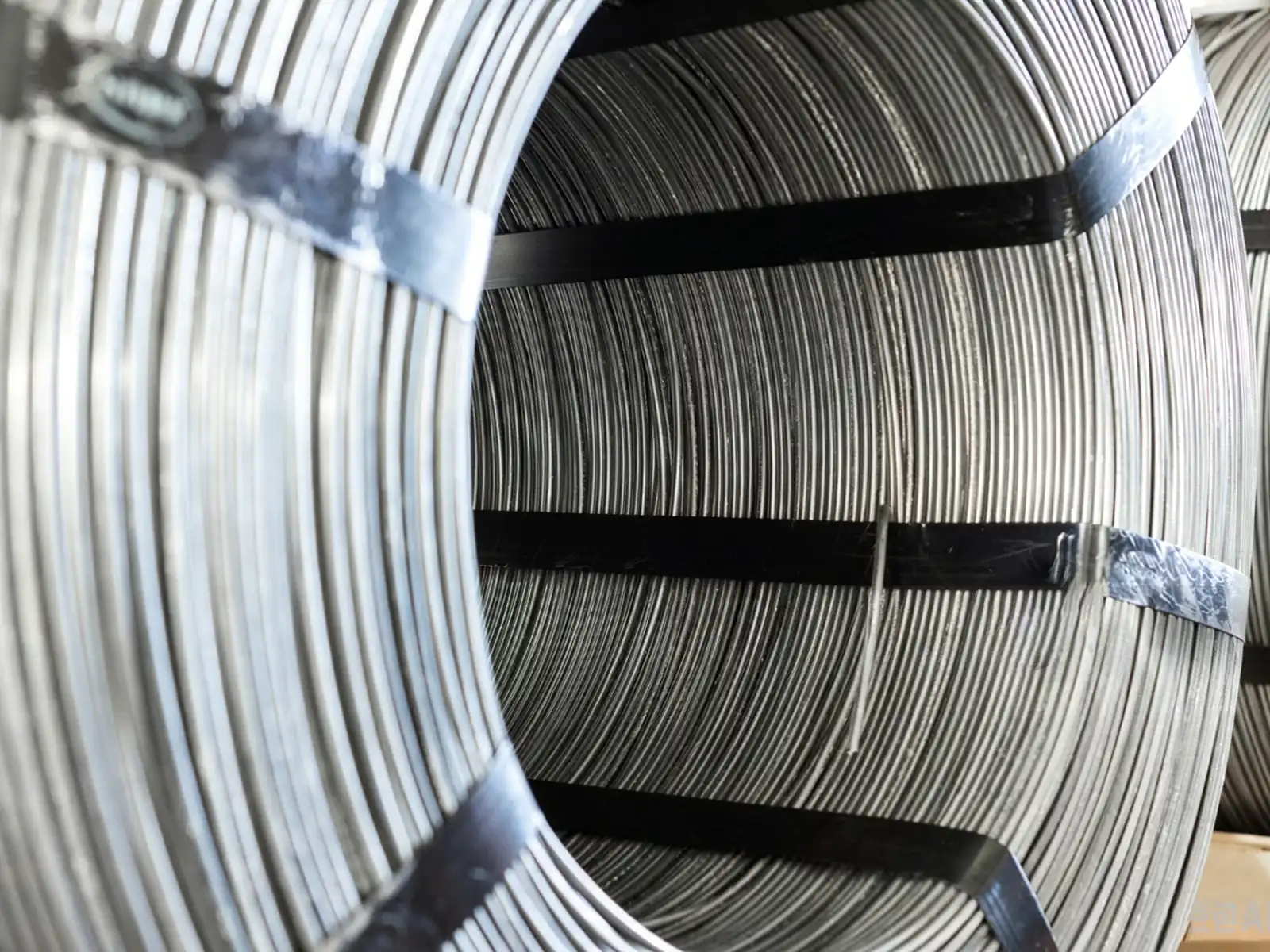
Globally, there are a limited number of companies that produce zirconium wire that meets ASTM B550 standards, and they are mainly concentrated in a few professional manufacturers with melting and precision processing capabilities in China, the United States, and Europe. These companies typically have vacuum consumable electric arc furnace (VAR) melting capabilities, precision cold rolling equipment, and complete quality traceability systems. The Baoji region of China is an important base for global rare metal processing and is home to a number of internationally certified zirconium material manufacturers. Among them, Baoji Titanium Nickel and Zirconium Materials Processing Co., Ltd. invested US$40.5 million to introduce the Italian Danieli continuous rolling production line, with an annual output of thousands of tons of high-end zirconium wire, with diameters covering 0.06-10 mm. The products are used in chemical industry, nuclear power, medical and aerospace and other fields, and are exported to Germany, the United States, Japan and other markets.
1. How Does the ASTM B550 Standard Define High-quality Zirconium Wire?
(1) What Should You Know About Standard Covered Zirconium Material Grade System?
The ASTM B550 standard stipulates the technical requirements for zirconium and zirconium alloy rods, wires and forgings, covering four core brands: industrial pure zirconium R60702 (Hf≤ 4.5%) is suitable for general strong corrosive environments; R60704 (Zr-Sn-Fe-Cr alloy) enhances corrosion resistance by adding tin, iron and chromium elements; R60705 (Zr-2.5Nb) niobium content 2.0-3.0%, greatly improving strength and toughness, and is widely used in nuclear reactor fuel components; R60706 (Zr-0.5Sn-0.5Nb) is optimized for specific working conditions. The standard clarifies the upper and lower limits of chemical composition, grain size grade and mechanical performance indicators of each grade to ensure that the material maintains long-term stability in hydrochloric acid, sulfuric acid, organic acids and high-temperature water environments.
(2) What Should You Know About Mechanical Properties and Dimensional Accuracy Requirements?
Annealed zirconium wire needs to meet the basic thresholds of tensile strength 380-550 MPa, yield strength ≥ 205 MPa, and elongation ≥ 16%. The yield strength of high-strength R60705 alloy can reach more than 415 MPa. The diameter tolerance is controlled within ± 0.01 mm and the straightness deviation does not exceed 1 mm/m, which is crucial for automated welding and precision manufacturing. The surface quality is prohibited from cracks, folds, inclusions and other defects, and the mirror finish can reach Ra 0.2 um. The supply status includes coiled wire (500-3000 meters/coil) and straight strips (cut to length), with material certificates, ultrasonic flaw detection reports and tensile test data provided.
(3) What Should You Know About Purity Control and Impurity Element Limitation?
The standards strictly limit the content of harmful elements: oxygen ≤ 0.18%, carbon ≤ 0.05%, nitrogen ≤ 0.025%, hydrogen ≤ 0.005%, iron ≤ 0.20%. Hafnium as an associated element needs to be controlled below 4.5% (nuclear-grade zirconium wire is even lower). The high purity ensures the intergranular corrosion resistance and welding performance of the zirconium wire, and prevents the precipitation of metal ions from contaminating high-clean process media such as medicine and semiconductors. VAR vacuum melting technology eliminates pores and segregation through three remeltings, with a density of more than 99.8% and a microstructure of fine equiaxed crystal structure.
Table 1: Comparison of chemical composition of major ASTM B550 grades
Trademark | Zr+Hf | Nb | Sn | O | Fe | Cr | C | Typical applications |
R60702 | margin | – | – | ≤ 0.16% | ≤ 0.20% | – | ≤ 0.05% | Chemical anti-corrosion |
R60704 | margin | – | 1.0-2.0% | ≤ 0.18% | 0.2-0.3% | 0.1-0.2% | ≤ 0.05% | heat exchanger |
R60705 | margin | 2.0-3.0% | – | ≤ 0.18% | ≤ 0.20% | – | ≤ 0.05% | Nuclear power fuel assembly |
2. What Core Capabilities Do Zirconium Wire Manufacturers Need to Possess?
(1) What Should You Know About Raw Material Consumptive Smelting and Ingot Preparation Technology?
The production of high-quality zirconium wire begins with the vacuum consumable arc remelting (VAR) of zirconium sponge. This process is heated by arc in a high vacuum environment of 10⁻³ Pa, so that the zirconium sponge is melted layer by layer and solidified in a water-cooled crystallizer. Repeated three times of remelting can reduce gas impurities to the ppm level and eliminate macro segregation. After ultrasonic flaw detection, the ingot is subjected to high-temperature beta phase homogenization treatment (1000-1200℃ for 4-8 hours) to transform the structure into fine equiaxed crystals, creating conditions for subsequent plastic processing. Manufacturers with independent smelting capabilities usually build their own VAR furnace groups, with a single furnace capacity of 3-5 tons, and an annual output of high-purity zirconium ingots of more than 1, 000 tons.
(2) What Should You Know About Multi-pass Hot Rolling and Cold Drawing Finishing Process?
Plastic deformation of zirconium alloy needs to be carried out under strict temperature control. In the hot rolling stage, a reversible billet rolling mill is used to compress the ingot into φ20-80 mm wire rods. The heating temperature is usually controlled at 600-750℃ (below the beta transformation point) to avoid coarse grains and excessive surface oxidation. In the cold drawing process, the polycrystalline diamond mold is used to gradually reduce the diameter, and the single-pass compression rate is controlled at 15-25%. When the cumulative cold deformation reaches more than 80%, intermediate annealing (650℃ × 2 hours) is required to restore plasticity. The Danieli GCC short stress rolling mill in Italy adopts an alternating horizontal and vertical arrangement, which can achieve continuous multi-pass finishing rolling with a diameter accuracy of ± 0.005 mm and a surface roughness Ra≤ 0.4 um.
(3) What Should You Know About Full-process Quality Inspection and Certification System?
Manufacturers of zirconium wire that meet ASTM B550 are typically ISO 9001, AS9100 (aerospace), and ASME nuclear grade materials certified. The testing process covers chemical composition spectral analysis (ICP-OES), mechanical properties universal testing machine testing, metallographic structure microscopic observation, ultrasonic non-destructive testing and intergranular corrosion testing. Each batch of products comes with a material certificate (MTR), recording the melting furnace number, rolling batch, heat treatment curve and mechanical data. Suppliers of zirconium materials suitable for nuclear reactors are required to submit additional reports on neutron absorption cross-section, creep performance and irradiation stability.
Table 2: Key equipment and technical indicators for zirconium wire production
process | Core equipment | Technical parameters | quality effect |
smelting | VAR Vacuum Electric Arc Furnace | Vacuum degree 10⁻³ Pa | Gas impurities <50 ppm |
hot rolled | Reversing rolling mill/continuous rolling mill | Temperature 600-750℃ | Uniform structure and controllable oxide layer |
Cold drawn | Polycrystalline diamond mold | Single pass diameter reduction 15-25% | Surface roughness Ra 0.2 um |
annealing | Argon protective furnace | 650℃×2h | Eliminate work hardening |
3. Who Are the Major Players in the Global Zirconium Wire Supply Chain?
(1) What Should You Know About Baoji Rare Metal Industry Cluster, China?
The Baoji area is an important source of global zirconium production, forming an industrial chain from zirconium sponge smelting to deep processing. Baoji Titanium Valley Titanium Nickel Zirconium Material Processing Co., Ltd. will invest US$40.5 million in 2022 to introduce an Italian Danieli automated rolling line, equipped with an induction heating system, a GCC short stress rolling mill and an online detection device to achieve stable batch production of 0.06-6.5 mm zirconium wires. This production line has overcome process problems such as zirconium material ovality control, mold adhesion and low yield rate, and its products are exported to German chemical companies, American nuclear power operators and Japanese precision electronics manufacturers. In addition, Baoti Group, Western Materials and other companies also have zirconium material production capabilities, but there are differences in production capacity, product specifications and market focus of each factory.
(2) What Should You Know About Specialty Metal Processing Companies in North America and Europe?
ATI Metals and Carpenter Technology of the United States are traditional suppliers of nuclear-grade zirconium materials. They have certifications from the U.S. Nuclear Regulatory Commission (NRC) and the Naval Reactor Administration (NR), and focus on zirconium alloys for pressurized water reactor fuel cladding tubes and control rod guide tubes. European companies such as French Cezus (now part of the Orano Group) and German SGL also occupy a certain share of the nuclear power zirconium material market, and their M5 alloy (Zr-1Nb) is used in EPR third-generation nuclear power plants. The annual output of zirconium wires from these companies is usually in the hundreds to kiloton range, and the price is 30-50% higher than Chinese products, but they have advantages in nuclear safety traceability and long-term irradiation performance data accumulation.
(3) What Should You Know About the Layout of Japanese and Korean Companies in the Precision Field?
Japan’s Toho Titanium Co., Ltd. and Nippon Steel & Sumitomo Metal Co., Ltd. produce ultra-fine zirconium wire (φ0.05-0.3 mm) through technology licensing, mainly supplying semiconductor sputtering target substrates, medical minimally invasive surgical instruments and precision electronic connectors. The zirconium-niobium alloy welding wire developed by South Korea’s POSCO subsidiary is used in lithium battery cathode material production equipment, and its resistance to high-temperature sulfuric acid corrosion is better than that of nickel alloys. The Asian market’s demand for high-purity, small-diameter zirconium wire has an annual growth rate of 12%, driving relevant suppliers to accelerate technology upgrades and production capacity expansion.
How to Evaluate the Reliability and Service Capabilities of Zirconium Wire Suppliers?
What Should You Know About Production Scale and Equipment Modernization Level?
Small factories with an annual production capacity of less than a few hundred tons may struggle to ensure batch stability, with ordering cycles of 3-6 months and high quality fluctuations. When inspecting suppliers, you need to pay attention to whether they have independent VAR melting capabilities, continuous rolling production lines and automated testing equipment. Some manufacturers with advanced production lines can use closed-loop automatic control systems to monitor process point parameters in real time and shorten the delivery cycle to 4-6 weeks.
What Should You Know About Material Certification and International Standards Compliance?
Check suppliers for third-party certifications: ISO 9001 (Quality Management), ISO 14001 (Environmental Management), OHSAS 18001 (Occupational Health), and industry-specific certifications such as AS9100 (Aerospace), API 6A (Oil and Gas), ASME Section II (Pressure Vessels). Nuclear-grade zirconium materials need to comply with the dual standards of ASTM B550 and ASTM B551 (nuclear-grade zirconium-hafnium alloy) and pass customer on-site audits (such as EDF, Westinghouse Electric of France). Suppliers are required to provide material certificate samples from the past three years to check whether the chemical composition, mechanical properties and grain size data are within the scope of the standard.
What Should You Know About Technical Support and Customized Development Capabilities?
Excellent zirconium wire manufacturers should provide full-process technical consultation, including material selection suggestions, welding process parameter optimization, corrosive environment adaptability assessment and failure analysis services. For special working conditions (such as ultra-low hydrogen content ≤ 3 ppm, special surface treatment, non-standard diameters and tolerances), the key indicator is whether the trial production can be completed within 2-4 weeks and a performance test report can be provided. Some manufacturers have established materials laboratories equipped with scanning electron microscopes, X-ray diffractometers and electrochemical workstations to assist customers in conducting working condition simulation tests and material modification research and development.
Table 3: Zirconium wire supplier evaluation dimensions and key indicators
Assessment Dimensions | key indicators | Excellent standard | risk signal |
Capacity scale | annual output | ≥ 1000 tons | <200 tons |
Equipment level | Core equipment | VAR+continuous rolling line | Independent stand-alone rolling |
Certification qualification | international standards | ASTM+ASME+AS9100 | Basic certification only |
Quality traceability | Furnace batch number management | Whole process barcode traceability | Manual ledger |
Delivery time | standing order | 4-6 weeks | >12 weeks |
Technical services | Custom development | 2 weeks trial production + testing | Only standard products |
4. Why Is Different Application Scenarios Have Different Requirements for Zirconium Wire Performance Important?
Why Is Chemical Anti-corrosion and Hydrometallurgical Applications Important?
Strong reducing acid environments such as hydrochloric acid, sulfuric acid, and hydrofluoric acid are classic application scenarios for zirconium materials. The annual corrosion rate of R60702 industrial pure zirconium in boiling 37% hydrochloric acid is <0.1 mm, which is better than titanium alloy and 316L stainless steel. The hydrometallurgical copper-nickel-cobalt extraction process uses φ2.0-4.0 mm zirconium wire to manufacture corrosion-resistant fasteners, stirring blades, and spray pipes. The operating temperature is 80-120℃, and the Cl⁻ concentration is as high as 200 g/L. Pitting corrosion and perforation will occur in ordinary materials in 3-6 months, and the service life of zirconium wire components can be extended to 5-8 years.
What Should You Know About Nuclear Power Fuel Assemblies and Core Structural Parts?
The fuel cladding tube of the pressurized water reactor is made of R60705 (Zr-2.5Nb) alloy, which needs to withstand 300℃ high-temperature water environment, 15 MPa pressure and neutron irradiation conditions, and has a service life of 3-5 years. Zirconium wire is used as a positioning grid welding material in this application, which requires low hydrogen content (≤ 5 ppm) to prevent hydrogen embrittlement, low hafnium content (<100 ppm) to reduce neutron absorption, and high elongation (>20%) to adapt to thermal expansion and contraction cycles. Each fuel rod consumes 0.8-1.2 kg of zirconium wire. The global annual demand for operating nuclear power units is about 450 tons. The technical threshold for entering this market is high.
What Should You Know About Medical Equipment and Precision Electronics Fields?
Biomedical zirconium wire (φ0.1-0.5 mm) needs to meet ISO 13485 medical device quality system and biocompatibility testing, and is used to manufacture minimally invasive surgical suture needles, dental implant threads and cardiovascular stent frames. The surface roughness Ra<0.05 um after electrolytic polishing treatment avoids tissue damage and bacterial adhesion. The semiconductor industry uses φ0.06-0.15 mm ultra-fine zirconium wire as sputtering target binding wires and chip packaging leads, which require purity >99.95%, tensile strength 600-800 MPa, and completely non-magnetic (magnetic permeability μ<1.01).
5. What Is the Conclusion?
Selecting a zirconium wire supplier that meets ASTM B550 standards requires comprehensive consideration of smelting technology, rolling equipment, quality certification and service capabilities. Companies in Baoji, China, are gradually expanding into the mid-to-high-end market by virtue of large-scale automated production lines and cost advantages; established North American and European manufacturers maintain technological leadership in nuclear-grade materials and extreme working conditions applications; Japanese and Korean companies focus on precision micro-machining segments. The purchaser should match the material grade according to the specific working conditions and verify the supplier’s strength through on-site audits and small batch trials.
FAQ
Q1: How to choose between R60702 and R60705 zirconium wire in chemical applications? ?
R60702 industrial pure zirconium is suitable for strong acid environments such as hydrochloric acid and sulfuric acid at room temperature to 150℃, and has a lower cost; R60705 zirconium-niobium alloy is more than 40% stronger and suitable for high-pressure (>1.6 MPa) and high-stress conditions such as pump shafts and high-pressure vessel fasteners. Although the price is 20-30% higher, the service life can be extended by 2-3 times.
Q2: How to verify whether the zirconium wire truly meets the ASTM B550 standard?
Suppliers are required to provide third-party testing reports (SGS, TÜV, etc.) to verify chemical composition, mechanical properties and grain size data; check whether the material certificate indicates the melting furnace number and rolling batch; if possible, an independent laboratory can be entrusted to conduct intergranular corrosion tests and tensile tests to verify the deviation between actual performance and nominal values.
Q3: Why does zirconium wire welding require high-purity argon gas protection? ?
Zirconium can easily absorb oxygen and nitrogen at high temperatures to form brittle compounds, causing weld cracks. TIG/MIG welding requires the use of argon gas with a purity of ≥ 99.99% (dew point ≤ -50℃), front protection flow of 10-15 L/min, and back protection of 5-8 L/min. Before welding, acetone + pickling is required to remove surface oil stains and oxide films to ensure the toughness and corrosion resistance of the weld.
How Should Looking for Reliable Zirconium Wire Suppliers That Meet ASTM B550 Standards?
As a professional manufacturer, Baoji Titanium Valley Titanium Nickel Zirconium Materials Processing Co., Ltd. has vacuum consumable electric arc furnace (VAR) melting capabilities, Italian Danieli continuous rolling production line and full-process quality traceability system. It can stably supply R60702, R60704 and R60705 grade zirconium wires with diameters of 0.06-6.5mm, with an annual production capacity of thousands of tons. We provide customized products that comply with ASTM B550, ASME and AS9100 certification for global chemical anti-corrosion, nuclear power fuel components, medical equipment and precision electronics customers. Contact sales@titaniumvalleys.com immediately to obtain technical solutions and samples.
References
- Li Minghua, Zhang Zhiqiang. “Zirconium and Zirconium Alloy Material Processing Technology”. Beijing: Metallurgical Industry Press, 2021.
- Wang Jianguo, Chen Xiaodong. “Research Progress of Zirconium Alloy Materials for Nuclear Power”. Rare Metal Materials and Engineering, 2020, 49(3): 1023-1030.
- Zhao Zhigang, Liu Wei. “Application status and prospects of zirconium in the field of chemical anti-corrosion”. Corrosion Science and Protection Technology, 2019, 31(5): 475-482.
- Zhang Ming, Li Hong. “Research on the Preparation Process and Properties of ASTM B550 Standard Zirconium Alloy”. Materials Herald, 2021, 35(4): 4012-4018.
- China Nonferrous Metals Industry Association. “China’s Zirconium Industry Annual Development Report”. Beijing: China Nonferrous Metals Industry Association, 2022.