
Who Are the Top Suppliers of ASTM B550 Zirconium Wire?
- ASTM B550 Zirconium Wire
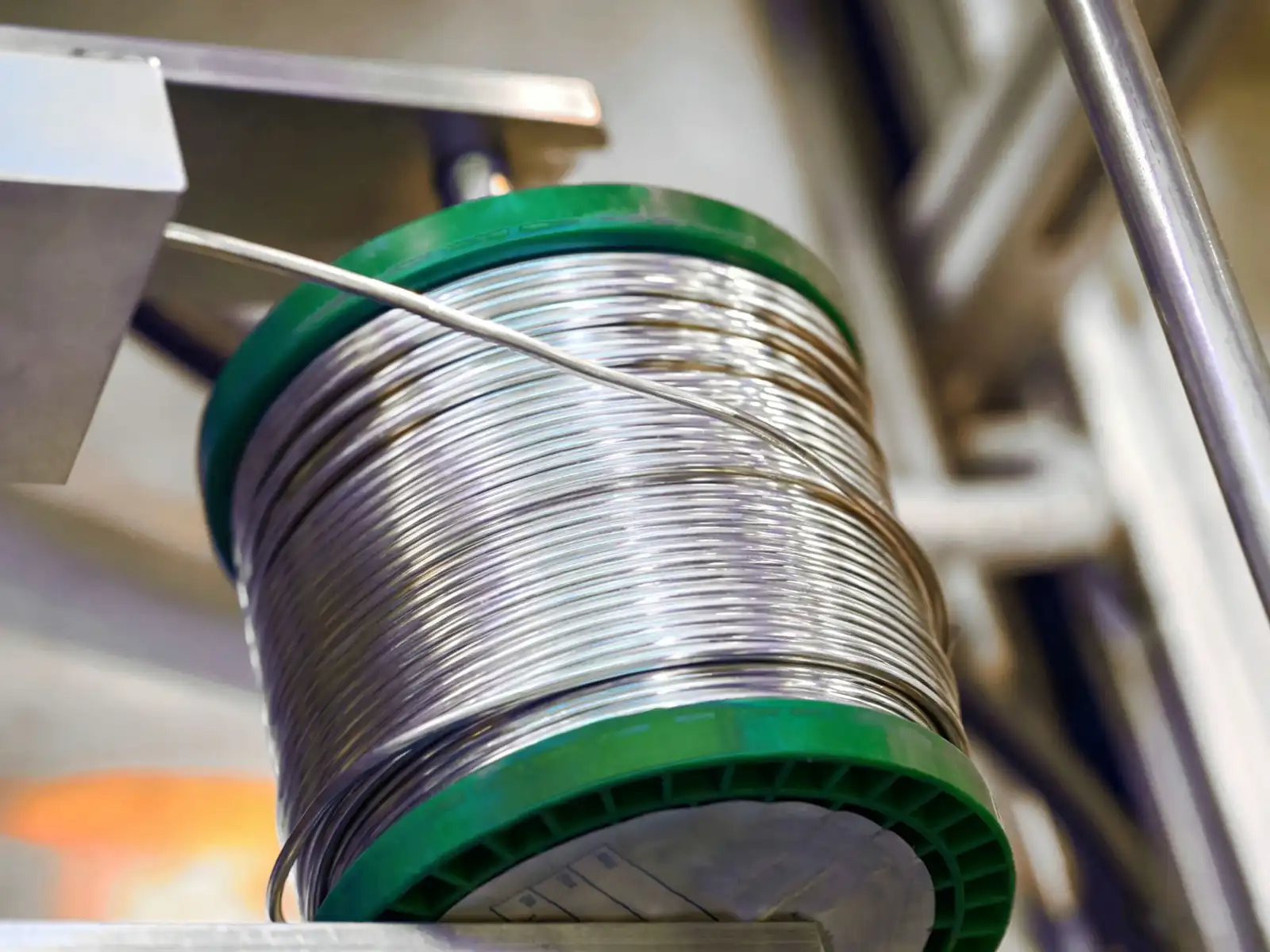
In the global ASTM B550 zirconium wire market, suppliers with large-scale production capabilities and high-end certification qualifications are mainly concentrated in China, the United States and Japan. The titanium-nickel-zirconium processing enterprise cluster in Baoji, Shaanxi Province, China has become an important production base in the world by virtue of its scale advantage; Western Zirconium and ATI Metals in the United States focus on nuclear-grade and aerospace-grade high-end products; Japan’s Toho Titanium Co., Ltd. (Toho Titanium) has outstanding performance in precision electronic-grade zirconium wire technology. This article aims to objectively analyze the global supply landscape in this field, the core capabilities of top suppliers, and provide a systematic supplier evaluation framework to help purchasers make professional decisions.
1. What Should You Know About ASTM B550 Standard Zirconium Wire Market Supply Pattern?
(1) What Should You Know About Main Producing Countries and Regional Distribution?
Global zirconium wire production shows obvious regional concentration characteristics. The western region of China (with Baoji, Shaanxi Province as the core) has formed a complete zirconium industry chain, from zirconium sponge smelting to integrated precision wire processing. According to industry reports, the region’s production capacity accounts for more than 55% of the world’s total production capacity. U.S. suppliers are mainly located in Pennsylvania and Ohio, focusing on nuclear-grade and aerospace-grade high-end products, accounting for about 18% of the world’s production capacity. Japanese manufacturers have a relatively small production capacity (about 8%), but they are technologically advanced in the fields of ultra-fine specifications (0.06-0.2mm) and electronic-grade zirconium wire. European suppliers are mainly Germany and France, focusing on chemical anti-corrosion and zirconium wire for medical devices. The combined market share is about 12%, and about 7% of the production capacity is distributed in other parts of the world.
(2) What Should You Know About Capacity Scale and Technology Threshold?
The number of suppliers with an annual production capacity of more than 1, 000 tons is limited globally, which is mainly due to the high threshold of zirconium processing technology. The melting point of zirconium is as high as 1852℃, which requires extremely high accuracy of the heating system; its active chemical properties require smelting and thermal processing under the protection of inert gas; defects such as excessive ovality and surface cracks are prone to occur during the wire rolling process. Therefore, top suppliers commonly use vacuum consumable electric arc furnace (VAR) melting, precision temperature-controlled heating systems, and multi-stand continuous rolling units. For example, the short stress rolling mill production line introduced by a leading company in Baoji achieves high-precision continuous rolling through alternating horizontal/vertical arrangements. According to the company’s public information, this production line effectively solves common problems in the industry such as large ovality and low yield rate.
(3) What Should You Know About Certification System and Quality Traceability?
ASTM B550 standard covers R60702 (industrial pure zirconium), R60704 (Zr-Sn alloy), R60705 (Zr-2.5Nb alloy) and other brands. Top suppliers generally have ISO 9001 quality management system and ISO 14001 environmental management system certification, and for high-end application needs, they have additionally obtained NADCAP aerospace special process certification or ASME nuclear grade material certification. Companies usually establish a full-process quality control system from raw materials entering the factory to finished products leaving the warehouse. Each batch of products provides traceability reports including chemical composition, mechanical properties, grain size, and surface quality to meet the stringent requirements of nuclear power, aerospace and other industries.
How Should Analysis of the World’s Major ASTM B550 Zirconium Wire Suppliers and Core Competitiveness?
Why Is Representatives of China’s Leading Companies, Advantages of Production Capacity and Scale Important?
Suppliers represented by the Shaanxi Baoji Titanium, Nickel and Zirconium Processing Enterprise Cluster have significant advantages in cost control and delivery capabilities with their large-scale production capacity and complete industrial chain. Among them, some leading companies have introduced advanced bar and wire rod continuous rolling production lines, making the annual production capacity up to 5, 000 tons, covering full specifications of zirconium wire with a diameter of 0.06-10.0mm. These production lines usually have the following technical features:
- Precision temperature control: using an induction heating system with precise temperature control of 1200℃;
- Advanced rolling: Equipped with high-precision short-stress rolling mill to achieve continuous and stable rolling;
- Integrated post-processing: integrated bright annealing, pickling, polishing and online inspection units;
- Automation control: The full-line automation system manages thousands of process points in a closed loop.
The R60705 zirconium-niobium alloy wire (Nb content 2.0-3.0%) produced by these companies is widely used in pressurized water reactor nuclear fuel assemblies, chemical high-pressure pipelines and seawater desalination devices.
How Should US Premium Suppliers, Nuclear Grade and Aerospace Expertise?
Western Zirconium (Oregon) and ATI Metals (Pennsylvania) are typical representatives of nuclear-grade zirconium materials in the United States. Western Zirconium focuses on nuclear-grade zirconium wire with ultra-low hafnium content (Hf<100ppm), which is used in key components such as fuel cladding tubes and guide tubes in nuclear power plants. Its products have passed ASME Section III nuclear grade certification and NQA-1 quality assurance system. ATI Metals is a technology leader in the field of aerospace-grade zirconium wire. Its R60702 wire is used to manufacture corrosion-resistant fasteners and hydraulic pipelines that meet AMS (Aerospace Materials Specification) certification requirements. The core advantages of American suppliers lie in decades of industry application experience, strict quality traceability systems, and long-term cooperative relationships with large customers such as Westinghouse Electric and General Electric.
What Should You Know About Japanese Precision Manufacturing, Ultra-fine Specifications and Technological Leadership?
Japan’s Toho Titanium Co., Ltd. is a technological leader in the fields of ultra-fine zirconium wire (0.06-0.3mm) and electronic-grade zirconium wire. The electrolytic polishing surface treatment technology developed by it can make the surface roughness (Ra) of zirconium wire reach less than 0.1 um, meeting the ultra-clean requirements of semiconductors and medical devices. Japanese suppliers mostly use multi-pass cold rolling and intermediate annealing processes to accurately control the grain size and ensure balanced mechanical properties of ultra-fine wire rods. Its advantages in coating lubrication technology effectively solve the problem of mold sticking during the drawing process of ultra-fine zirconium wire, so that the diameter tolerance of the finished product can be controlled within ± 0.005mm.
How Should Key Evaluation Criteria for Selecting ASTM B550 Zirconium Wire Suppliers?
What Should You Know About Brand Coverage and Customization Capabilities?
ASTM B550 standard contains multiple grades, suitable for different working conditions. Top suppliers should be able to provide full brand coverage and customized services.
Trademark | Main ingredients | Tensile strength (MPa) | Typical applications |
R60702 | Zr+Hf≥ 99.2% | ≥ 380 | Chemical anti-corrosion, heat exchangers, pump valves |
R60704 | Zr-Sn (1.0-2.0%) | ≥ 410 | Structural parts, fasteners |
R60705 | Zr-2.5Nb | ≥ 550 (typical value) | Nuclear fuel components, high-pressure pipelines |
Customization capabilities include: fine-tuning of chemical composition, special surface treatments (such as pickling, electrolytic polishing), and non-standard diameter and length products.
What Should You Know About Surface Quality and Dimensional Accuracy Control?
The surface quality of zirconium wire affects its welding performance and corrosion resistance life. Top suppliers monitor surface defects through online optical inspection systems, and the surface roughness Ra of qualified products is usually ≤ 0.8um. Dimensional accuracy is the key to automated production, and the diameter tolerance of welding wire grade products must reach ± 0.01mm. The straightness of the coiled wire is the guarantee for the stable operation of the automatic wire feeding equipment. The straightness of the coiled wire of high-quality products should be controlled within 2mm/m.
What Should You Know About Batch Supply Stability and Lead Time?
Industries such as chemical industry and nuclear power have high requirements on the stability of batch supply. The annual production capacity of a supplier is an important indicator for evaluating its supply capacity. For example, companies with a production capacity of more than 1, 000 tons are better able to meet the needs of large-scale projects. The lead time for standard specification products is usually 2-4 weeks, and for customized products is 6-8 weeks. The coiled wire form is suitable for automated welding, while the straight wire is more suitable for manual work or specific components.
Why Is Technical Support and Application Service System Important?
Top suppliers typically provide full-process technical support, including:
- Welding process support: Provide welding parameter optimization and protective gas selection suggestions;
- Corrosion environment assessment: recommend the optimal grade and surface treatment method based on the customer’s actual working conditions;
- Failure analysis service: analyze the causes of corrosion or fracture through metallographic and electrochemical tests.
What Should You Know About Quality Traceability and Third-party Testing Reports?
A complete quality traceability system is the basis for high-end industry access. A complete test report including chemical composition, mechanical properties, metallographic structure, etc. should be provided for each batch of products. Nuclear-grade and aerospace-grade products usually require independent inspection reports from third-party organizations (such as SGS).
What Should You Know About Environmental Compliance and Sustainable Development Capabilities?
The European and American markets have increasingly strict environmental compliance requirements for suppliers. Suppliers need to meet regulatory requirements such as RoHS and REACH, and ensure that the source of raw materials does not involve conflict areas. ISO 14001 environmental management system certification is the foundation, and the adoption of cleaner production processes and waste recycling systems is an industry trend.
Why Is Special Requirements for Suppliers in Different Application Areas Important?
What Should You Know About Nuclear Power Industry?
Nuclear grade ASTM B550 zirconium wire needs to pass specific certifications such as ASME Section III. R60705 is the main material for fuel assembly end plugs and guide tubes. It has strict regulations on hafnium content (lower requirements to reduce neutron absorption), hydrogen content (needs to be strictly controlled to prevent hydrogen embrittlement), grain size, etc. Suppliers need to have long-term stable supply capabilities and strict batch consistency control.
What Should You Know About Chemical and Environmental Engineering?
In extremely corrosive environments such as hydrochloric acid and wet chlorine, zirconium wire achieves long-term service with its stable oxide film. The supplier should be able to conduct material selection verification through corrosion testing and other methods based on the media, temperature and other parameters provided by the customer.
What Should You Know About Medical and Electronics Industry?
Zirconium wire for medical devices needs to meet ISO 10993 biocompatibility standards, and the surface roughness needs to be extremely low to reduce the risk of bacterial adhesion. Zirconium wire for semiconductors requires extremely high purity (total impurity content <50ppm) and must be produced and packaged in a clean room environment.
What Should You Know About Aerospace and Marine Engineering?
The aerospace field values the specific strength of zirconium wire, and fasteners and pipelines made of R60705 can achieve weight reduction. Marine engineering values its excellent resistance to seawater pitting corrosion and stress corrosion cracking.
Application areas | key performance requirements | Recommended grades | Typical specifications |
Nuclear power fuel assembly | Low hafnium, low hydrogen, radiation resistant | R60705 | Φ2.0-6.0mm straight wire |
Chemical anti-corrosion equipment | Resistant to hydrochloric acid, wet chlorine, high temperature acid | R60702/R60705 | Φ0.8-3.0mm coiled wire |
medical device | Biocompatible, ultra-clean | R60702 (electrolytic polishing) | Φ0.15-0.5mm |
Aerospace | High specific strength, weight reduction | R60705 | Φ1.0-3.0mm |
Marine Engineering | Resistant to seawater corrosion | R60702/R60705 | Φ2.0-5.0mm |
Note: Common specifications for nuclear power plants depend on the specific component design and are only examples.
2. What Is the Conclusion?
Selecting an ASTM B550 zirconium wire supplier is a systematic project that requires a comprehensive evaluation of the supplier’s production scale, technical strength, certification qualifications, quality traceability capabilities and after-sales support. Enterprises should start from the cost-effectiveness of the whole life cycle and comprehensively consider the initial purchase cost and long-term maintenance cost. Establishing a supplier hierarchical management and annual review mechanism, and establishing long-term cooperation with strategic suppliers with technical strength and stable delivery capabilities are the keys to ensuring supply chain security and obtaining technical value-added services.
FAQ
Q1: What are the main differences between R60702 and R60705 zirconium wires in ASTM B550 standard?
R60702 is industrial pure zirconium with excellent corrosion resistance and is suitable for general chemical anti-corrosion fields. R60705 is a zirconium-niobium alloy with higher strength and is suitable for high stress corrosion conditions such as nuclear power and high-pressure chemical industry. There are significant differences in chemical composition, mechanical properties and typical applications between the two.
Q2: How to verify the performance of zirconium wire in a specific corrosive environment?
It is usually evaluated through immersion corrosion tests (under media, temperature, and time simulating actual working conditions) and electrochemical tests (such as dynamic polarization curves). Suppliers should be able to provide test reports or data support based on actual working conditions.
Q3, How to Evaluate the Delivery Capability of a Zirconium Wire Supplier?
You can examine its annual production capacity, production line automation level, raw material inventory cycle, and on-time delivery rate of historical orders. Require suppliers to provide large order cases or customer reviews as auxiliary references.
3. What Should You Know About Get ASTM B550 Certified Grade Zirconium Wire Now?
As a professional manufacturer and supplier of ASTM B550 zirconium wire, Baoji Titanium Valley Titanium Nickel Zirconium Material Processing Co., Ltd. is equipped with a vacuum consumable arc melting furnace, a short-stress continuous rolling production line and a fully automatic online inspection system. The annual production capacity reaches 5, 000 tons, and can provide customized services for zirconium wire in full specifications of Φ0.06-10.0mm. The products fully cover R60702, R60704, and R60705 grades, and comply with ASTM B550, ASME SB-550, and ISO 5832-3 standards. The surface supports pickling, polishing, electrolytic brightening, and passivation treatments, and serves the fields of nuclear power fuel components, chemical anti-corrosion equipment, medical equipment, and aerospace. Each batch of products comes with complete chemical composition analysis, mechanical property testing, grain size testing reports and EN 10204 3.1 material certificates. Welcome to send technical requirements to sales@titaniumvalleys.com to obtain selection suggestions, sample testing and professional technical support
References
- Liu Zhiguo, Zhao Yongqing. (2018). Research status and development trends of nuclear-grade zirconium alloys. “Rare Metal Materials and Engineering”, 47(1), 1-8.
- Wang Xiangdong, Gao Xiaojun. (2020). Analysis of the current situation and development strategy of my country’s titanium and zirconium industry. “Chinese Engineering Science”, 22(5), 46-53.
- General Administration of Quality Supervision, Inspection and Quarantine of the People’s Republic of China. (2017). GB/T 3620.1-2016 Grades and chemical compositions of zirconium and zirconium alloys. China Standards Press.
- Zhang Yongqiang, Li Jianchang. (2019). Corrosion resistance and application of pure zirconium and zirconium alloys used in chemical equipment. “Corrosion and Protection”, 40(6), 440-444.
- China Nonferrous Metals Industry Association. (2021). China’s zirconium industry market analysis report. Internal research report.