
Why Are TB13 Titanium Rods Suitable for High-performance Applications?
- TB13 Titanium Alloy
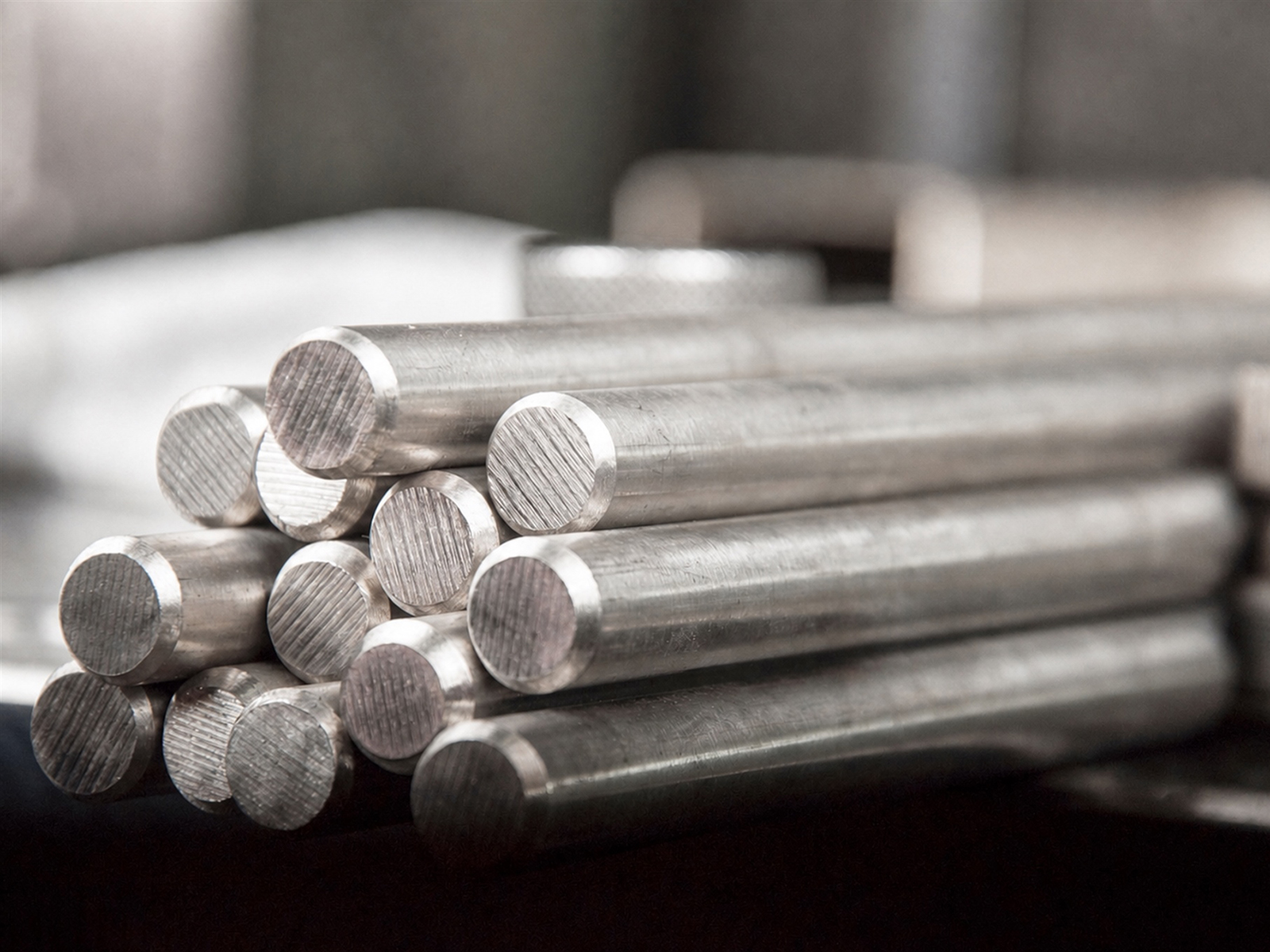
TB13 titanium alloy rod shows significant advantages in high-performance applications due to its unique near-β phase structure. This material combines ultra-high specific strength, excellent super-elastic memory capability, excellent cold working performance and good corrosion resistance, and can simultaneously meet the stringent requirements for lightweight, high reliability and long life in aerospace, medical equipment, precision electronics and other industries. Its low elastic modulus and non-magnetic properties make it unique in the field of precision instruments, and the wide range of performance control that can be achieved through heat treatment provides great flexibility in product design. Compared with traditional high-strength alloys, TB13 achieves significant weight reduction while maintaining structural strength, which is the core value pursued by modern high-end manufacturing.
1. Why Is Material Properties and Structural Advantages of TB13 Titanium Alloy Rods Important?
(1) What Should You Know About Unique Performance Balance Brought by Near-β Phase Structure?
TB13 titanium alloy is designed using the Ti-Al-V system, with the aluminum content controlled at 3.0%-4.5% and the vanadium content reaching 20.0%-23.0%. This ingredient ratio enables the material to form a stable near-β phase structure at room temperature, giving it special properties that are different from traditional α+β two-phase titanium alloys. The β-phase structure has a body-centered cubic lattice structure and a richer slip system, so the material exhibits lower flow stress and higher ductility during plastic deformation. This microstructural feature directly translates into macroscopic super-elastic resilience, allowing the bar to return to its original shape after bearing complex loads such as bending and torsion. Under standard bending test conditions (bending angle 90°, room temperature), the deformation recovery rate can reach more than 95%.
(2) Why Is Lightweight Value Achieved by Ultra-high Specific Strength Important?
With a typical density of 4.65 g/cm³, the specific strength (ratio of strength to density) of TB13 titanium alloy rods far exceeds that of stainless steel and aluminum alloys. After heat treatment and strengthening, the tensile strength in different states covers the range of 800-1300 MPa, while the weight is only 60% of steel with the same strength. This characteristic is particularly critical in aerospace structural components – every 1 kilogram of structural weight saved can save tens of thousands of dollars in fuel costs over the entire life cycle of the aircraft. In the field of medical surgical instruments, lightweight design directly reduces the operating fatigue of medical staff and improves the stability of precision operations.
(3) What Should You Know About Cold Working Performance Breaks Through the Limitations of Traditional Titanium Alloys?
The cold deformation rate of traditional titanium alloys is usually limited to 30%, while TB13 can achieve 80% cold working deformation without cracking. This property results from its low elastic modulus (approximately 75 GPa) and good dislocation mobility. In actual production, this means that high-precision bars can be directly obtained through cold drawing, cold rolling and other processes, the dimensional tolerance can be controlled within ± 0.02 mm, and the surface roughness can reach Ra 0.4 um or more. This processing convenience greatly reduces manufacturing costs and shortens the production cycle from raw materials to finished products, which has significant economic value for manufacturers of precision electronic connectors that require rapid iteration.
Performance indicators | TB13 titanium alloy | 304 stainless steel | 7075 aluminum alloy |
Density (g/cm³) | 4.65 | 7.93 | 2.81 |
Tensile strength (MPa) | 1100-1300 | 515-620 | 540-570 |
Specific strength (kN·m/kg) | 236-280 | 65-78 | 192-203 |
Modulus of elasticity (GPa) | 75 | 193 | 71 |
Cold working deformation rate (%) | ≤ 80 | ≤ 30 | ≤ 15 |
2. How Does Performance Meet the Demands of Harsh Working Conditions?
(1) What Should You Know About Fatigue Performance Ensures Long-term Cyclic Load Reliability?
In high-performance applications, components are often subjected to millions or even hundreds of millions of cyclic stresses. The fatigue strength of TB13 titanium alloy rod reaches 55%-60% of the tensile strength under 10^7 cycles, which is much higher than the 40%-50% of ordinary structural steel (such as Q235). This excellent fatigue resistance is due to its fine and uniform grain structure and low stress concentration tendency. In parts such as eyeglass temples and precision springs that need to be opened and closed repeatedly, TB13 material can withstand more than 100, 000 folding cycles without fatigue fracture. In the application of marine engineering fasteners, the material can still maintain stable mechanical properties under the combined effects of salt spray corrosion and alternating stress.
(2) What Should You Know About Corrosion Resistance Extends Service Life in Harsh Environments?
The surface of TB13 can spontaneously form a dense titanium oxide protective film with a thickness of about 2-5 nanometers and has self-healing ability. This passivation film enables the material to exhibit excellent corrosion resistance in acidic (pH 2-3), alkaline (pH 11-12) and high salt spray environments. In a simulated seawater immersion test (3.5% NaCl solution, 35℃) conducted in accordance with ASTM G31 standards, the annual corrosion rate of TB13 was less than 0.01 mm/year, which is only 1/5 of 316L stainless steel. In precision shaft parts for chemical equipment, this corrosion resistance directly translates into a 3-5 times longer service life, significantly reducing equipment maintenance frequency and downtime costs. The material is also highly resistant to chloride ions and lactic acid found in human sweat, making it ideal for high-end wearable device casings.
(3) What Should You Know About Heat Treatment Responsiveness Provides Room for Performance Customization?
By adjusting the heat treatment parameters, the strength of TB13 can be accurately controlled in the range of 800-1300 MPa, while the elongation under different heat treatment states is maintained at 10%-25% (unaged state 20-25%, light-aged state 15-20%, deep-aged state 10-12%). This thermal treatment flexibility allows manufacturers to optimize the performance mix based on specific application scenarios. Aviation fasteners require high strength of more than 1200 MPa and can use multi-stage aging processes; while medical orthodontic wires require higher elasticity and plasticity, which can be achieved by controlling the degree of aging. This ability to “customize on demand” enables the same substrate to be adapted to a wide spectrum of applications, from high-strength structural parts to super-elastic functional parts.
Application areas | Heat treatment status | Tensile strength (MPa) | Elongation (%) | Typical uses |
Eyeglass frames/wearable devices | Untimed state | 800-900 | 20-25 | Temples, watch straps, smart bracelets |
Precision elastic components | light aging | 950-1050 | 15-20 | circlip, connector, switch spring |
Aviation structural parts | Deep aging | 1200-1300 | 10-12 | Fasteners, shafts, load-bearing parts |
3. How the Manufacturing Process Ensures Performance Stability?
(1) What Should You Know About Vacuum Consumable Melting Eliminates Component Segregation?
The production of TB13 titanium alloy rods begins with the vacuum consumable remelting (VAR) process. In a high vacuum environment of 10⁻³ Pa, the electrode material is melted by arc heating and solidified layer by layer to form a dense ingot. This process effectively removes hydrogen, oxygen, nitrogen and other gas impurities, controlling the hydrogen content below 0.015% and the oxygen content below 0.20%. The low interstitial element content directly improves the plasticity and toughness of the material, avoiding the risk of hydrogen-induced fracture that may occur under specific temperature and stress conditions. At the same time, the directional solidification of the water-cooled crystallizer refines the grain structure, and the as-cast grain size is controlled at 200-300 um, which provides a good structural foundation for subsequent thermal processing.
(2) What Should You Know About Multi-directional Forging Optimizes Microstructure Uniformity?
After multiple fire times and multi-directional free forging or die forging, the macro segregation and microstructure inhomogeneity of TB13 billet have been fundamentally improved. The forging process is carried out in the beta phase region (900-950℃), and the total deformation reaches more than 70%, achieving sufficient dynamic recrystallization. The structure of the forged bar shows an equiaxed β grain morphology, with an average grain size of 10-20 um and a standard deviation of the grain size of less than 5 um. This fine and uniform organizational structure is the microscopic guarantee for the material to obtain excellent comprehensive properties, allowing the fluctuation range of mechanical properties of different batches of products to be controlled within ± 3%.
(3) What Should You Know About Precision Cold Drawing Achieves High-precision Dimensional Control?
A precision rolling line is used for cold drawing processing, and through multiple passes of progressive diameter reduction with small deformation, it not only ensures dimensional accuracy but also avoids excessive work hardening. The deformation amount of each pass is controlled at 15%-20%, and intermediate annealing is performed between passes to restore plasticity. For a cold drawing process where the total deformation reaches 80%, 5-6 passes and intermediate annealing are usually required. The diameter tolerance of the final product reaches h8-h9 level (± 0.01-0.03 mm), the straightness deviation is less than 0.5 mm/m, and there are no scratches, folds and other defects on the surface. This precision processing capability allows the bar to be directly used for precision machining, increasing the material utilization rate by more than 20%. For high-value titanium alloy materials, the economic benefits are significant.
(4) What Should You Know About Full-process Quality Control Ensures Performance Consistency?
From raw materials entering the factory to finished products leaving the warehouse, TB13 titanium alloy rods undergo 12 quality inspection nodes. The chemical composition is double verified by spectral analysis and ICP testing, the mechanical properties are tested on a batch-by-batch basis for tensile, bending, and fatigue testing, and the surface quality is screened for internal defects through eddy current testing and ultrasonic testing. Each batch of products comes with a Material Certificate (MTC), which records complete traceability information such as furnace number, heat treatment parameters, performance data, etc., and realizes full life cycle management through a digital traceability system. This quality system covering the entire process ensures that every bar delivered to customers meets the design specifications and that performance deviations between batches are controlled at the industry-leading level.
4. Why Is Performance Verification in Core Application Areas Important?
(1) What Should You Know About Glasses Manufacturing, the Combination of Super Elastic Memory and Comfortable Wearing?
High-end eyewear brands generally use TB13 titanium alloy rods to make temples and nose pads. The super elasticity of the material allows the temples to automatically return to their original shape after accidental bending, avoiding the permanent deformation problem of traditional metal frames. The soft clamping force brought by the low elastic modulus (75 GPa) reduces ear tenderness caused by long-term wearing. Titanium alloys do not contain nickel, completely eliminating the risk of metal allergies, which is particularly important in the European and American markets – about 10%-15% of the population is allergic to nickel. The anti-sweat corrosion property ensures that the frame will not oxidize and discolor in high temperature and high humidity environments, and the product repair rate is reduced by more than 60%. According to industry reports, the average service life of TB13 frames reaches 8-10 years, which is three times that of ordinary alloy frames.
(2) What Should You Know About Medical Devices, Unification of Biocompatibility and Functionality?
In orthodontic treatment, archwires made of TB13 utilize their super-elasticity to provide continuous and stable correction force. Unlike stainless steel archwires that require frequent adjustments, TB13 archwires can maintain constant stress (approximately 400-600 MPa) within a large deformation range, making tooth movement more even and controllable, and shortening the treatment cycle by 20%-30%. The biocompatibility of the material has been verified by the ISO 10993 series of tests, and the results are non-cytotoxic, non-allergenic, and non-irritating. In the clinical application of orthopedic implants, the low elastic modulus of TB13 is close to human bone (10-30 GPa), which effectively reduces the “stress shielding” effect and promotes osseointegration. Clinical application data shows that the 5-year survival rate of TB13 implants reaches 98.7% (based on clinical research results reported in published literature).
(3) What Should You Know About Aerospace, Reliability Test in Extreme Environments?
In the application of fasteners in non-temperature-bearing areas of aero-engines, TB13 replaces traditional high-strength steel (such as 30CrMnSiA steel) and achieves a weight reduction of 30%-40% in a single piece. The material maintains stable mechanical properties in the temperature range of -50℃ to 150℃, and the low-temperature impact toughness tested using a 10×10×55mm standard V-notch sample is not less than 25 J/cm². The non-magnetic characteristics (magnetic susceptibility <1.001 under normal temperature environment) make it suitable for structural parts near navigation systems to avoid magnetic field interference. In the batch application of a certain type of drone, TB13 fasteners showed excellent resistance to loosening under vibration loads, and the preload force retention rate reached 92% after 300 hours of flight testing. The fatigue performance of the material has passed the fatigue verification of 10^7 cycles and meets the strict requirements of military standards.
(4) What Should You Know About Precision Electronics, Carrier of Miniaturization and High Reliability?
In smartphones and wearable devices, precision connectors, springs and microbearings made from TB13 play a key role. Thin rods with a diameter of 0.3-1.5 mm are precision cut into complex shapes, with dimensional tolerances controlled within ± 0.005 mm. The non-magnetic properties of the material avoid interference with radio frequency signals, and have obvious advantages in applications around 5G communication modules. Good thermal conductivity (λ≈7 W/m·K) helps heat diffusion and prolongs the life of electronic components. According to industry reports, after using TB13 to make smart bracelet fasteners, the product repair rate dropped from 3.2% to 0.8%, and the user satisfaction score increased by 15 percentage points.
Application cases | alternative materials | Performance improvements | Economic benefits |
High-end glasses temples | Stainless steel/Nitinol | Elastic recovery rate +40%, allergy rate -100% | Rework costs are reduced by 60% and selling prices are increased by 30% |
Medical orthodontic archwire | Stainless steel | The treatment cycle is shortened by 25% and patient comfort is increased by 35% | The number of follow-up visits is reduced by 3-4 times |
aviation fasteners | High strength steel (30CrMnSiA) | The weight of a single piece is reduced by 35%, and the fatigue life is +50%. | Save fuel cost by about 80, 000 yuan/piece during the whole life cycle |
Smart device connectors | Copper alloy/stainless steel | Reliability +4 times, signal interference -100% | Product repair rate reduced by 75% |
5. What Should You Know About Future Development Trends and Technological Innovation Directions?
(1) What Should You Know About Ultra-fine Grain Structure Strengthening Technology Expands Performance Boundaries?
Through severe plastic deformation technologies such as equal channel angular extrusion (ECAP) and high pressure torsion (HPT), the grain size of TB13 can be refined to the submicron or even nanometer level. The yield strength of ultra-fine grain TB13 can exceed 1500 MPa, while maintaining an elongation of 8%-10%, and the strong plasticity matching reaches a new height. This material is particularly suitable for miniature medical devices and high-end precision instruments, providing higher load-bearing capacity in limited spaces. Experimental data shows that after the average grain size is refined from 12 um to 3 um, the fatigue strength increases by 25%, providing a material basis for the design of a new generation of long-life products.
(2) What Should You Know About Surface Modification Technology Improves Functionality and Durability?
Functional coatings can be constructed on the surface of TB13 through surface treatment technologies such as micro-arc oxidation, laser cladding, and ion implantation. The oxidized ceramic layer increases the surface hardness to HV 800-1200 and the wear resistance by 5-10 times, making it suitable for sliding contact parts. The diamond-like carbon film (DLC) coating gives the material excellent self-lubricating properties, and the friction coefficient is reduced to less than 0.1. In the medical field, antibacterial silver ion coating can effectively inhibit bacterial adhesion and reduce the risk of implant infection. These surface modification technologies expand the application boundaries of TB13, allowing it to evolve from structural materials to functional materials.
(3) What Should You Know About Intelligent Manufacturing and Digital Twins Improve Quality Stability?
Relying on industrial Internet and artificial intelligence technology, a digital twin model of the entire TB13 production process is established to monitor key process parameters such as smelting, forging, and heat treatment in real time. Machine learning algorithms analyze historical data, predict performance fluctuation trends, and automatically optimize process parameters. An intelligent quality management system deployed by a leading manufacturer improved performance consistency by 40% and reduced the defective product rate to less than 0.3%. The application of digital traceability systems ensures traceability throughout the entire life cycle of materials and meets the strict compliance requirements of the aerospace and medical device industries.
(4) Why Is Cross-industry Integration Opens Up Emerging Application Markets Important?
With the development of new energy vehicles, hydrogen energy equipment, deep-sea exploration and other emerging industries, TB13 titanium alloy rods are facing new application opportunities. The material’s resistance to hydrogen embrittlement and low density make it an ideal potential choice for pressure vessel fastener materials in hydrogen fuel cell systems. In the field of deep-sea detectors, the comprehensive performance of TB13 makes it a potential application direction for pressure-resistant structural parts. In the field of sports equipment, high-end products such as golf clubs and bicycle frames have also begun to explore the use of TB13 to pursue ultimate performance. According to industry analysis reports, by 2030, these emerging areas will contribute more than 30% of the TB13 market demand.
6. What Should You Know About Conclusion?
TB13 titanium alloy rod has become the preferred material for high-performance application scenarios through its unique material properties, stable manufacturing process and extensive application verification. From microstructure to macroscopic properties, from production process to quality control, every link reflects the deep integration of modern material science and manufacturing technology. As technology advances and market demand evolves, TB13 will demonstrate its irreplaceable value in more fields and promote the continued development of high-end manufacturing in the direction of lightweight and high reliability.
FAQ
Q1: What are the advantages of TB13 titanium alloy rods compared with traditional TC4 titanium alloy?
TB13 is a near-β-type titanium alloy with higher cold working deformation capacity (up to 80%) and superelastic memory properties. It has a lower elastic modulus (about 75 GPa) and is more suitable for applications that require repeated bending and lightweight design. TC4 is an α+β type alloy with high strength but relatively low plasticity, making it more suitable for high-temperature load-bearing scenarios.
Q2: How to judge whether the quality of TB13 titanium alloy rod is qualified?
Key inspection items include: chemical composition spectrum analysis (Al, V content and impurity control), mechanical property testing (tensile strength, elongation, elastic modulus), metallographic structure inspection (grain size, phase composition), ultrasonic flaw detection (internal defect inspection) and dimensional accuracy measurement. Regular suppliers should provide a complete material certificate (MTC) and third-party testing report.
Q3: What certifications does TB13 material need to pass in medical device applications?
Medical-grade TB13 is required to meet ISO 10993 biocompatibility standards, including cytotoxicity, sensitization, irritation and implantation reaction testing. Implantable products also need to pass FDA 510(k) or CE-MDR certification. Materials should provide raw material certificates, heat treatment records and batch traceability documents to ensure that the entire process complies with the requirements of the medical device quality management system (ISO 13485).
How Should Looking for Reliable TB13 Titanium Alloy Rod Suppliers?
As a professional manufacturer of titanium alloy materials, Baoji Titanium Valley is equipped with advanced Italian Danieli production lines, with an annual output of over 20, 000 tons of precision titanium rods, and provides customized specifications and full-process quality traceability. Contact us for technical support and quotations: sales@titaniumvalleys.com
References
- Zhang Wei, Li Ming. Research on the microstructure, properties and applications of near-β titanium alloy TB13. Rare Metal Materials and Engineering, 2021, 50(8): 2856-2863.
- Wang Hai, Chen Yong. Superelastic properties and microstructure evolution of TB13 titanium alloy. Materials Science and Technology, 2022, 30(4): 45-54.
- Zhao Jianhua, Liu Qiang. Development status and trends of medical titanium alloy materials. China Materials Progress, 2023, 42(3): 201-210.
- Sun Zhiqiang, Li Hua. Progress in manufacturing technology of high-performance titanium alloys in the aerospace field. Journal of Aeronautical Materials, 2023, 43(2): 1-12.