
Why Is Analysis of the Core Advantages of Nickel 201 Nickel Foil, Corrosion Resistance, High Purity and Stable Performance Important?
- Nickel 201 Nickel Foil
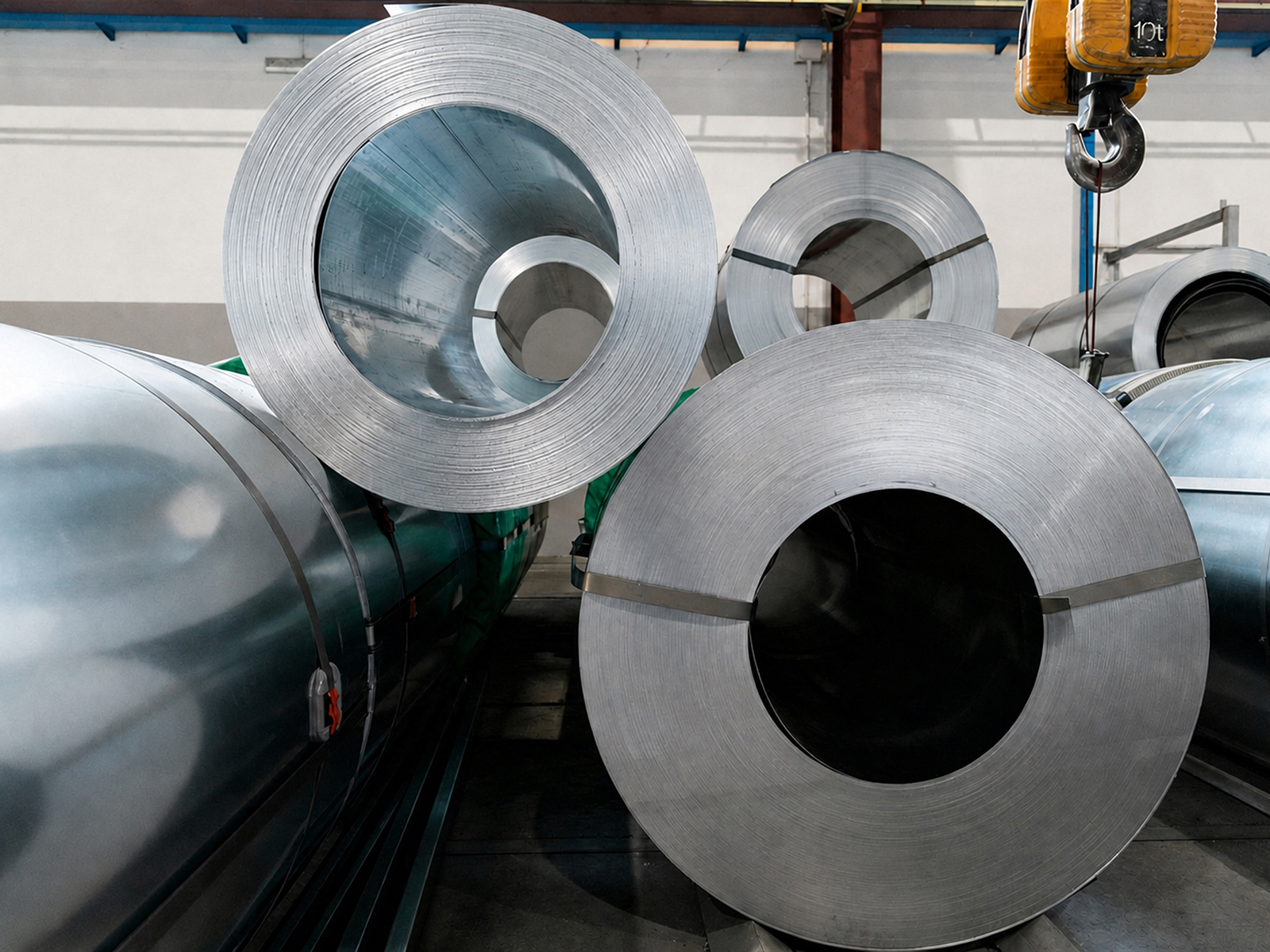
Nickel 201 nickel foil is a low-carbon, high-purity nickel material. Its core advantages are reflected in three dimensions: excellent corrosion resistance enables long-term stable operation in harsh environments such as strong alkali and seawater; high-purity properties (Ni≥ 99.0%, C≤ 0.02%) effectively prevent graphitization embrittlement at high temperatures; excellent electrical and thermal conductivity and mechanical stability meet the needs of multiple scenarios such as batteries, electrolysis, and high-temperature equipment. Compared with Nickel 200, Nickel 201 shows stronger anti-brittleness and long-term reliability in environments above 316℃ by strictly controlling the carbon content, making it an ideal material choice for industries such as chemical industry, new energy, and precision electronics.
1. What Should You Know About the Material Essence and Unique Positioning of Nickel 201 Nickel Foil?
(1) What Should You Know About Essential Breakthroughs Brought About by Low-carbon Design?
The most notable feature of Nickel 201 nickel foil is its strict carbon content control (C≤ 0.02%), which is much lower than ordinary industrial pure nickel materials. Low-carbon design is not a simple adjustment of ingredients, but a targeted improvement for high-temperature use environments. When nickel materials serve for a long time at temperatures above 316℃, excessive carbon content will cause graphite to precipitate at the grain boundaries, causing embrittlement of the material and a sharp decline in mechanical properties. By controlling the carbon content below 0.02%, Nickel 201 fundamentally inhibits this harmful phase change process and ensures that the material maintains long-term structural stability in high-temperature alkaline environments, electrolysis systems, and vacuum equipment.
(2) What Are the Differences in Performance Difference Comparison with Nickel 200?
Performance indicators | Nickel 200 | Nickel 201 | Difference description |
Carbon content | ≤ 0.15% | ≤ 0.02% | Ni201 carbon content reduced by 87% |
High temperature stability | <315℃ | ≤ 600℃ | Ni201 operating temperature nearly doubled |
Resistance to graphitization | generally | Excellent | Ni201 effectively inhibits graphitization |
Long term corrosion stability | good | excellence | Ni201 grain boundary purity is higher |
Applicable scenarios | Room temperature electronic applications | High temperature chemical electrolysis | Ni201 has wider application range |
(3) What Should You Know About Strategic Position in the Industrial Materials System?
Nickel 201 nickel foil occupies a unique niche in the spectrum of industrial materials. Compared with titanium alloy materials, nickel foil has better electrical conductivity and electrochemical activity; compared with stainless steel, nickel foil shows stronger corrosion resistance in alkaline media; compared with copper, nickel foil maintains more stable mechanical properties and oxidation resistance in high temperature environments. This multi-dimensional comprehensive advantage makes Nickel 201 a key material connecting normal temperature electronic applications and high-temperature chemical scenarios. It is especially suitable for complex working conditions that require conductivity, corrosion resistance, and high-temperature stability at the same time.
2. What Should You Know About Excellent Corrosion Resistance System?
(1) What Should You Know About Long-term Stable Performance in Strong Alkaline Environments?
Nickel 201 nickel foil exhibits excellent corrosion resistance in strong alkaline solutions such as sodium hydroxide and potassium hydroxide. This excellent performance comes from the ability to form a dense oxidation protective film on the surface of the nickel material, which effectively blocks the continuous erosion of the substrate by alkaline media. In electrolytic cells, alkali evaporation systems, and caustic alkali storage and transportation equipment in the chlor-alkali industry, the corrosion rate of Nickel 201 nickel foil is usually lower than 0.025 mm/a, which is much lower than ordinary stainless steel materials. More importantly, the low-carbon design maintains high purity at the material grain boundaries, avoiding grain boundary corrosion, a common failure mode, and ensuring that the equipment maintains structural integrity after years of continuous operation.
(2) What Should You Know About Broad Spectrum Adaptability to Multi-media Environments?
corrosive medium | working temperature | corrosion rate | Typical applications |
Sodium hydroxide solution (50%) | 80-120℃ | <0.025 mm/a | Chlor-alkali electrolyzer |
Seawater and chloride solution | Normal temperature -80℃ | <0.05 mm/a | Marine engineering equipment |
Dilute sulfuric acid (deoxygenation) | Normal temperature -60℃ | <0.1 mm/a | Chemical reactor |
Organic acids and alcohols | Normal temperature -100℃ | <0.02 mm/a | Food and pharmaceutical equipment |
(3) What Should You Know About Electrochemical Corrosion Protection Mechanism?
In electrolysis and electroplating systems, Nickel 201 nickel foil is not only used as a structural material, but also a key electrochemical functional component. The electrode potential characteristics of nickel materials make it excellent in cathodic protection systems, and can effectively inhibit corrosion caused by stray currents. The high purity of the material ensures the uniformity of the electrochemical reaction and avoids local corrosion and pitting problems. In applications such as lithium battery tabs, water electrolysis hydrogen production electrodes, and electroplating anodes, the service life of Nickel 201 nickel foil is usually 2-3 times that of ordinary nickel materials, significantly reducing system maintenance costs and downtime risks.
3. What Should You Know About Performance Benefits of High-purity Materials?
(1) What Should You Know About Decisive Influence of Pure Ingredients on Conductive Properties?
The high purity characteristics of Nickel 201 nickel foil (Ni≥ 99.0%) directly translate into excellent electrical properties. The strict control of impurity elements keeps the resistivity of the material at a low level, and the conductivity can reach more than 95% of the theoretical value of pure nickel. In lithium battery tab applications, this high conductivity can effectively reduce internal resistance, reduce heat accumulation during charging and discharging, and improve battery cycle life and safety performance. In electromagnetic shielding applications, high-purity nickel foil can achieve a shielding efficiency of more than 60dB, meeting the stringent electromagnetic compatibility requirements of 5G communications and precision medical equipment.
(2) What Should You Know About Impurity Control Key to High Temperature Performance?
Impurity elements | Content limit | Impact on performance | Ni201 control advantages |
Carbon (C) | ≤ 0.02% | Prevent high temperature graphitization embrittlement | 87% lower than Ni200 |
Sulfur(S) | ≤ 0.01% | Avoid thermal brittleness and grain boundary weakening | Extremely low sulfur content ensures toughness |
Iron (Fe) | ≤ 0.40% | Affects corrosion resistance and magnetism | Precise proportioning to optimize performance |
Copper (Cu) | ≤ 0.25% | Balance strength and ductility | Reasonable content improves processability |
(3) What Should You Know About Long-term Reliability of Pure Grain Boundary Structures?
Another key advantage of high-purity materials is the cleanliness of the grain boundary regions. In applications that are extremely sensitive to pollution, such as vacuum systems, high-purity gas transportation, and semiconductor manufacturing, the low-carbon and low-sulfur characteristics of Nickel 201 nickel foil ensure that the material will not release harmful gases to the environment at high temperatures. During the long-term use of the material below 600℃, the grain boundaries maintain a stable metallurgical structure, and performance degradation caused by precipitation phases does not occur. This long-term stability makes Nickel 201 the material of choice for equipment requiring tens of thousands of hours of continuous operation.
4. What Should You Know About Mechanical Properties and Processing Stability?
(1) What Should You Know About Performance Balance Between Annealed and Cold-worked States?
Nickel 201 nickel foil can meet diverse application needs through different heat treatment states. The annealed material exhibits excellent plasticity, with a tensile strength of 350-420MPa and an elongation of ≥ 25%. It is suitable for applications that require high deformation capabilities, such as deep drawing and complex forming. The strength of cold-worked materials is increased to 500-600MPa through work hardening, while maintaining an elongation of ≥ 8% to meet structural applications requiring higher mechanical strength. Such tunable mechanical properties enable a single material to cover a wide range of requirements, from flexible circuits to rigid supports.
(2) What Should You Know About Precision Control Capabilities in Ultra-thin Specifications?
Thickness range | Tolerance control | Width capacity | Application scenarios |
0.005-0.01mm | ± 0.001mm | 300-500mm | Precision electronic shielding |
0.01-0.03mm | ± 0.001mm | 350-600mm | Battery tab material |
0.03-0.08mm | ± 0.002mm | 350-670mm | Chemical electrode base material |
0.08-0.80mm | ± 0.003mm | 350-670mm | Structural functional components |
(3) What Should You Know About Formability and Welding Compatibility?
After ultrasonic cleaning and surface treatment of Nickel 201 nickel foil, the surface dyne value is stable at 44mN/m, ensuring excellent wettability and coating compatibility. The material can be bent 90° at room temperature without cracking, making it suitable for high-speed processing in automated stamping lines. In welding applications, nickel foil shows good metallurgical bonding ability with a variety of metals, and various connection processes such as resistance welding, laser welding, and ultrasonic welding can be used. The low-carbon design makes the weld area less prone to pores and cracks, and the strength of the welded joint can reach more than 85% of the base material, meeting the needs for high-reliability connections.
5. What Should You Know About Precision Manufacturing Process and Quality Assurance System?
(1) What Should You Know About Microstructure Control of Multi-pass Cold Rolling?
The production of Nickel 201 nickel foil uses a 20-roll precision rolling mill for multi-pass cold rolling. Through precise reduction rate control and inter-pass annealing, fine control of the grain size is achieved. The tension control system during the rolling process ensures that the flatness of the plate shape is better than 0.5%, eliminating common defects such as edge waves and middle waves. The multi-pass small reduction rolling strategy makes the internal stress distribution of the material even, avoiding the uneven structure and performance fluctuations caused by a single pass of large reduction. This precision rolling process is the technical basis for achieving ± 0.001mm tolerance control within the thickness range of 0.03-0.8mm.
(2) What Should You Know About the Key Role of Protective Atmosphere Annealing?
The continuous annealing furnace is protected by high-purity argon gas, and the temperature control accuracy reaches ± 2℃, ensuring that the entire roll of material obtains a uniform metallographic structure. The precise matching of annealing temperature and holding time allows the material to achieve sufficient recrystallization and softening while avoiding performance degradation caused by abnormal grain growth. For low-carbon materials such as Nickel 201, protective atmosphere annealing can also effectively prevent surface carburization and oxidation and maintain the high purity characteristics of the material. The surface of the annealed material presents a uniform silver-white luster, and the surface roughness Ra value can be controlled below 0.4 um, meeting the cleanliness requirements of electronic grade applications.
(3) What Should You Know About Whole-process Quality Control and Testing System?
The production line is highly automated, and key processes are equipped with an online detection system to achieve real-time monitoring and feedback control of thickness, width, and plate shape. Each roll of product undergoes chemical composition analysis, mechanical property testing, metallographic structure inspection, and surface quality inspection. The materials comply with relevant industry standards, and complete material certificates and third-party testing reports are provided. The batch traceability system ensures that the production parameters of each roll of material can be traced throughout the process, providing customers with stable and reliable quality assurance. The annual production capacity of 3, 000 tons supports stable supply of large quantities and meets the large-scale procurement needs of the automotive, electronics, chemical and other industries.
6. What Is the Conclusion?
Nickel 201 nickel foil achieves an excellent balance of corrosion resistance, conductivity and high temperature stability through low-carbon and high-purity design, showing irreplaceable application value in the fields of strong alkali chemicals, new energy batteries, precision electronics and other fields. The advanced precision rolling process and strict quality control system ensure the stability and consistency of material performance, providing reliable material guarantee for high-end manufacturing.
FAQ
Q1: How to choose between Nickel 201 and Nickel 200 in practical applications?
When the operating temperature exceeds 316℃ or long-term high-temperature service is required, Nickel 201 should be preferred. Its low-carbon design can effectively prevent graphitization and embrittlement. Nickel 200 can be used for electronic applications at normal to medium temperatures (<300℃), which is more cost-effective.
Q2: How to avoid deformation and damage of ultra-thin nickel foil during processing?
A precision decoiler and a tension control system are used to ensure a smooth unwinding process; special ultra-thin material slitting equipment is used to avoid burrs and edge damage; the coil is kept flat during storage and transportation to avoid stress concentration caused by local indentations.
Q3: Can Nickel 201 nickel foil be used in the food and pharmaceutical industries?
It can be applied. The high purity and corrosion resistance of nickel foil meet food-grade requirements and are often used in alkaline cleaning systems, evaporation and concentration equipment, etc. It is necessary to ensure that the materials comply with relevant hygienic standards and are fully cleaned and passivated before being put into use.
How Should Looking for Reliable Nickel 201 Nickel Foil Supplier?
Baoji Titanium Valley Titanium Nickel Zirconium Material Processing Co., Ltd. (Titanium Valley) is a professional manufacturing plant with an annual production capacity of 3, 000 tons and an advanced 20-roll finishing production line. It can provide high-precision nickel foil products with a thickness of 0.03-0.8mm and a width of 350-670mm. Welcome to contact us for technical support and quotation: sales@titaniumvalleys.com
References
- China Nonferrous Metals Industry Association. Nickel and Nickel Alloy Materials Manual[M]. Beijing: Metallurgical Industry Press, 2019.
- Li Hua, Zhang Ming. Research progress on corrosion resistance of nickel-based alloys[J]. Materials Herald, 2020, 34(5): 05123-05130.
- Wang Qiang, Liu Wei. Research on high-temperature properties of low-carbon nickel alloy[J]. Journal of Materials Science and Engineering, 2021, 39(3): 456-462.
- Chen Lei, Zhao Min. Preparation and performance optimization of nickel foil materials for batteries [J]. Rare Metal Materials and Engineering, 2022, 51(8): 2987-2994.