
Why Is Key Factors Affecting the Performance of 702 Zirconium Foil, Purity, Processing Technology and Application Environment Important?
- 702 Zirconium Foil
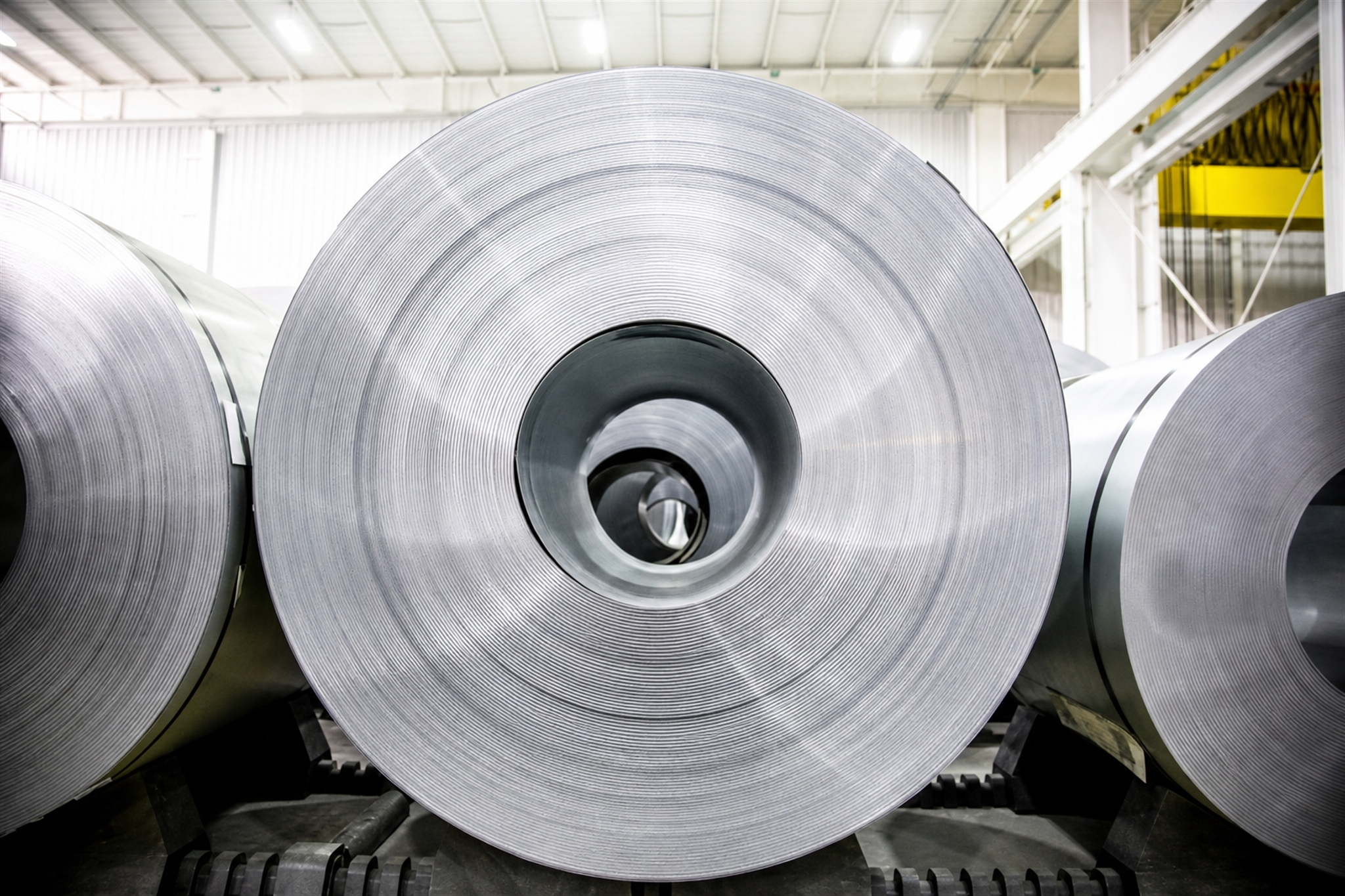
The comprehensive performance of UNS R60702 zirconium foil depends on the synergy of three core dimensions. The purity of the material directly determines its corrosion resistance and chemical stability. When the Zr+Hf content is ≥ 99.2%, the material exhibits excellent corrosion resistance in a strong acid environment. The processing technology controls the microstructure through multi-pass cold rolling and precise annealing to ensure the thickness uniformity and mechanical stability of the ultra-thin foil. The application environment puts forward differentiated requirements for materials – the chemical industry requires pitting corrosion resistance, electrolysis systems emphasize electrochemical stability, and aerospace focuses on high-temperature durability. These three are interrelated: high purity provides the basis for process optimization, precision technology releases the potential of materials, and environmental adaptation verifies the value of materials. Understanding the internal logic of these factors is the key to achieving long-term reliable service of zirconium foil.
1. How Material Purity Determines Core Properties of UNS R60702 Zirconium Foil?
(1) What Should You Know About Quantitative Relationship Between Zr+Hf Purity and Corrosion Resistance?
The total content of Zr+Hf in industrial pure zirconium ≥ 99.2% is the core requirement of the ASTM B551 standard. When the purity increases by 0.1%, the corrosion rate of materials in boiling hydrochloric acid can be reduced by 15-20%. This is due to the fact that high purity reduces micro-battery corrosion formed by impurity elements such as Fe and Cr, making the surface oxide film more dense and uniform. If the purity of the zirconium foil used in chemical equipment is insufficient, local corrosion acceleration will occur in gaps and welds, leading to sealing failure.
(2) What Should You Know About Effects of Interstitial Element Control on Tissue Stability?
The contents of interstitial elements such as O, N, and C must be strictly controlled below 0.16%, 0.025%, and 0.05%, which is crucial to the processing quality of UNS R60702 zirconium foil. Excess oxygen content increases material hardness but reduces ductility, causing edge cracks in ultra-thin foils during cold rolling. Excessive nitrogen content will form a hard nitride phase, resulting in increased surface roughness. Carbon contamination causes grain boundary embrittlement and causes structural inhomogeneity during high-temperature annealing. High-purity raw materials combined with vacuum melting are effective means to control interstitial elements.
(3) Why Is the Special Significance of Hf Content for Nuclear Industry Applications Important?
The limit of Hf content ≤ 4.5% in zirconium foil is not set arbitrarily. The nuclear industry requires materials with low neutron absorption cross-section, and the thermal neutron absorption cross-section of Hf is 600 times that of Zr. Reducing the Hf content through ion exchange or vacuum distillation technology can make zirconium foil meet the requirements of reactor structural materials. The requirements for Hf content in the chemical industry are relatively loose, but high-purity Zr matrix is still the basis for ensuring long-term corrosion resistance.
Purity grade | Zr+Hf content (%) | Hydrochloric acid corrosion rate (mm/year) | Elongation (%) | Typical applications |
Standard level | 99.2-99.5 | 0.08-0.12 | 16-20 | Chemical seals |
Premium grade | 99.5-99.7 | 0.04-0.08 | 20-25 | electrolysis electrode |
High purity grade | ≥ 99.7 | <0.04 | 25-30 | Nuclear Industry/Aviation |
2. What Should You Know About Precision Processing Technology Controls the Microstructure and Macroscopic Properties of Zirconium Foil?
(1) What Should You Know About Thickness Control and Stress State in Multi-pass Cold Rolling?
From the initial thickness to the 0.02mm ultra-thin specification, it requires 15-20 passes of cold rolling. The reduction rate of each pass is controlled between 10-15%, which not only ensures the uniformity of plastic deformation, but also avoids edge cracks caused by excessive stress. The special structure of the 20-high finishing mill provides a smaller work roll diameter and achieves a thickness tolerance of ± 0.002mm. During the rolling process, the material undergoes work hardening and the dislocation density increases, requiring intermediate annealing to restore ductility.
(2) What Should You Know About the Dual Effects of Vacuum Annealing on Grain Structure and Surface Quality?
The annealing temperature is accurately controlled within the range of ± 2℃, which is crucial to the structural uniformity of UNS R60702 zirconium foil. The annealing temperature range of 580-650℃ can achieve recrystallization, eliminate cold rolling stress and control the grain size at 10-20um. Vacuum or inert atmosphere protection prevents surface oxidation, uneven color and surface contamination. Improper annealing will lead to coarse grains or uneven structure, causing the orange peel effect or excessive anisotropy of UNS R60702 zirconium foil during forming.
(3) What Should You Know About the Influence Mechanism of Surface Treatment on Subsequent Processing Performance?
Ultrasonic cleaning combined with alkaline solution treatment can stabilize the surface dyne value above 40, meeting the fitting requirements of the gasket. The surface roughness Ra is controlled between 0.2-0.4um, which not only ensures cleanliness but also maintains moderate mechanical bonding force. The grinding process removes microscopic defects and reduces stress concentration points. Insufficient cleanliness will affect welding quality, and surface residues may introduce contamination in the electrolytic environment.
Process parameters | span of control | Corresponding performance indicators | Consequences of loss of control |
Cold rolling reduction rate | 10-15%/pass | Thickness tolerance ± 0.002mm | Edge cracks/uneven thickness |
Annealing temperature | 580-650℃± 2℃ | Grain 10-20um | Uneven texture/poor ductility |
surface dyne value | ≥ 40dyne/cm | Sealing fit | Seal failure |
surface roughness | Ra 0.2-0.4um | Welding quality | Weld defects |
(4) What Should You Know About Key Technologies of Slitting and Tension Control in Ultra-thin Foil Production?
When wide zirconium foil is divided into narrow strips, the edge sharpness and shear gap directly affect the edge quality. A gap that is too large will cause burrs, and a gap that is too small will cause edge cracks. The tension control system needs to be adjusted in real time to prevent ultra-thin materials from wrinkling or stretching and deforming during the winding process. The high-precision slitting line cooperates with the edge detection system to control edge defects to a minimum, and the yield can reach more than 95%.
3. Why Is Differentiated Expression of Performance Requirements of Zirconium Foil by Application Environment Important?
(1) What Should You Know About Corrosion Mechanism and Material Response in Strong Acid Environment?
Strong acid media such as hydrochloric acid, sulfuric acid, and organic acids pose severe challenges to metal materials. Titanium quickly dissolves in hydrochloric acid, causing pitting and perforation of stainless steel, while UNS R60702 zirconium foil achieves protection by forming a stable ZrO₂ passivation film on the surface. The film thickness is about 3-5nm and has self-healing properties. Rising temperature will accelerate corrosion, but zirconium still maintains excellent stability in strong acid environments below 150℃. In the mixed acid system, the presence of oxidizing acid promotes the formation of passivation film and enhances corrosion resistance.
(2) What Should You Know About Requirements for Electrochemical Stability of Materials in Electrolytic Plating Systems?
Zirconium foil used in electrolytic cells needs to withstand the dual effects of DC electric field and corrosive medium. The electrochemical window of the material must cover the working potential range to avoid hydrogen evolution or dissolution reactions. The potential-pH diagram of zirconium shows that it has a passivation zone over a wide pH range. Uneven distribution of current density can lead to local overheating, requiring materials to have good thermal conductivity and tissue uniformity. The surface cleanliness of the electrode foil directly affects the current efficiency and product purity.
(3) What Should You Know About Creep and Oxidation Behavior Under High Temperature and Pressure Environment?
In aerospace and energy equipment, zirconium foil may face high temperature conditions of 300-500℃. In this temperature range, the material begins to creep, and dislocation climbing and grain boundary slip become the main deformation mechanisms. The oxidation rate increases exponentially with temperature. If the temperature exceeds 400℃, the issue of oxidation weight gain must be considered. High-temperature alloying or surface coating technology can extend the upper limit of service temperature. In vacuum or inert atmosphere, the high temperature stability of the material is significantly better than that in air environment.
(4) What Should You Know About Strict Requirements for Material Pollution Control in Clean Environments?
High-purity processes such as pharmaceuticals and semiconductors are extremely sensitive to metal ion precipitation. The low leachability characteristics of zirconium foil make it an ideal choice, but residual processing oil or particulate matter on the surface may still introduce contamination. Dust-free workshop production combined with ultrapure water cleaning can reduce surface contamination to the ppb level. The non-magnetic characteristics of the material itself avoid magnetic field interference and are suitable for precision measuring instruments and electronic equipment.
Application areas | key environmental factors | Performance requirements focus | failure mode |
Chemical anti-corrosion | Strong acid/mixed acid/high temperature | Corrosion/pitting resistance | Perforation/Crevice Corrosion |
electrolytic plating | Electric field/corrosive medium | Electrochemical stability | Electrode dissolution/contamination |
Aerospace | High temperature/stress/oxidation | Creep resistance/high temperature stability | Oxidation/Creep Deformation |
Precision electronics | Cleanliness/magnetic field | Low contamination/non-magnetic | Ion precipitation/magnetic interference |
4. What Should You Know About Engineering Practice Path for Multi-factor Collaborative Optimization?
(1) How Should System Thinking From Material Selection to Process Design?
The realization of high-performance UNS R60702 zirconium foil requires full process control. When purchasing raw materials, the purity index and the upper limit of impurity elements are clearly defined, and a vacuum consumable electric arc furnace is used in the smelting process to reduce gas pollution. The hot rolling blanking temperature and reduction affect the initial structure and create conditions for subsequent cold rolling. The alternation of cold rolling and annealing not only ensures the thickness decreases, but also maintains the plasticity of the material. Surface treatment and inspection run through the entire process, forming a closed-loop quality management.
(2) What Should You Know About the Role of Quality Inspection System in Ensuring Performance Stability?
Chemical composition analysis verifies purity compliance, and a spectrometer can quickly detect the content of each element. The tensile test evaluates the mechanical properties to ensure that the tensile strength is ≥ 380MPa and the elongation is ≥ 16%. Metallographic observation of grain size and phase composition, and electron microscopy to identify microscopic defects. The corrosion test simulates actual working conditions and is immersed in boiling hydrochloric acid for 168 hours to measure the corrosion rate. Non-destructive testing eliminates internal cracks and inclusions, and ultrasonic testing penetrates the entire thickness.
(3) Why Is Customized Development to Meet the Needs of Special Application Scenarios Important?
The standard specification of 0.02-1.0mm thickness covers most applications, but scientific research and high-end equipment may require 0.005mm ultra-thin foil. Customized development requires adjusting the rolling passes and annealing curve to balance the ultimate thickness and strength requirements. Wide foils with widths up to 670mm are suitable for lining large equipment to reduce the number of welds and improve reliability. Surface functionalization treatments such as plasma cleaning or chemical passivation further improve adaptability to specific environments.
(4) What Should You Know About Feedback Mechanism for Long-term Performance Monitoring and Failure Analysis?
Regular sampling and analysis during the service process reveal the material degradation laws. Corrosion product composition analysis determines the failure mechanism, whether it is uniform corrosion or localized attack. The degree of mechanical property attenuation is used to evaluate the remaining life and determine the timing of replacement. In-depth research on failure cases feeds back into process improvement, forming a continuous optimization cycle. Establish a material performance database and accumulate long-term performance data in different environments.
5. What Should You Know About Conclusion?
The excellent performance of UNS R60702 zirconium foil comes from the precise matching of purity, process and environment. High-purity materials lay the foundation for corrosion resistance, precision processes release performance potential, and environmental adaptability verifies application value. From strong acid chemicals to aerospace, from electrolysis electrodes to precision instruments, zirconium foil solves key technical problems with its unique advantages. Mastering the inner logic of these influencing factors is the core path to achieve long-term reliable service of materials and reduce system maintenance costs.
FAQ
Q1: What is the performance difference between UNS R60702 zirconium foil and titanium foil in strong acid environment?
The corrosion rate of zirconium foil in hydrochloric acid and sulfuric acid is 2-3 orders of magnitude lower than that of titanium. Titanium dissolves quickly in reducing acids, while zirconium achieves long-term protection through a stable oxide film, which is particularly suitable for high-concentration acidic conditions.
Q2: How to ensure thickness uniformity during processing of ultra-thin zirconium foil with 0.02mm specification?
A 20-high finishing mill is used to reduce the work roll diameter to less than 50mm, and a real-time thickness measurement feedback system is used to control the reduction amount pass by pass. Intermediate annealing eliminates stress concentration and ultimately achieves ± 0.002mm tolerance control.
Q3: Why does the surface treatment of zirconium foil for electrolysis emphasize the dyne value above 40?
The high coefficient value represents sufficient surface energy to ensure electrolyte wettability and current distribution uniformity. Surface contamination will reduce the dyne value, causing bubble adhesion to affect electrolysis efficiency, and in severe cases, cause local corrosion.
6. What Should You Know About Call to Action?
Baoji Titanium Nickel Zirconium Material Processing Co., Ltd., as a professional manufacturer and supplier of UNS R60702 zirconium foil, has an advanced production line with an annual output of 3, 000 tons, providing customized products with a thickness of 0.02-1.0mm and a maximum width of 670mm. Our 20-roll finishing system and full-process quality control ensure that each roll of foil meets ASTM B551 standards. To obtain technical specifications or to discuss your application needs, please contact: sales@titaniumvalleys.com
References
- Li Quan, Zhang Xiaoming, Zhao Yongqing. Research on the corrosion behavior of industrial pure zirconium in hydrochloric acid [J]. Rare Metal Materials and Engineering, 2019, 48(4): 1356-1361.
- Wang Junfeng, Liu Chengxin, Yang Rui. Preparation process and microstructure properties of zirconium alloy ultra-thin strips [J]. Materials Engineering, 2020, 48(7): 98-105.
- Chen Yifei, Zhou Lian. Effect of interstitial elements on the mechanical properties of industrial pure zirconium [J]. Chinese Journal of Nonferrous Metals, 2017, 27(10): 2045-2052.
- Sun Jian, Li Defu, Li Xianmin. Application and failure case analysis of zirconium materials in chemical equipment [J]. Corrosion Science and Protection Technology, 2022, 34(4): 367-374.