
Why Is Nickel 201 Foil Explained, Characteristics, Applications and Benefits Important?
- Nickel 201 Foil
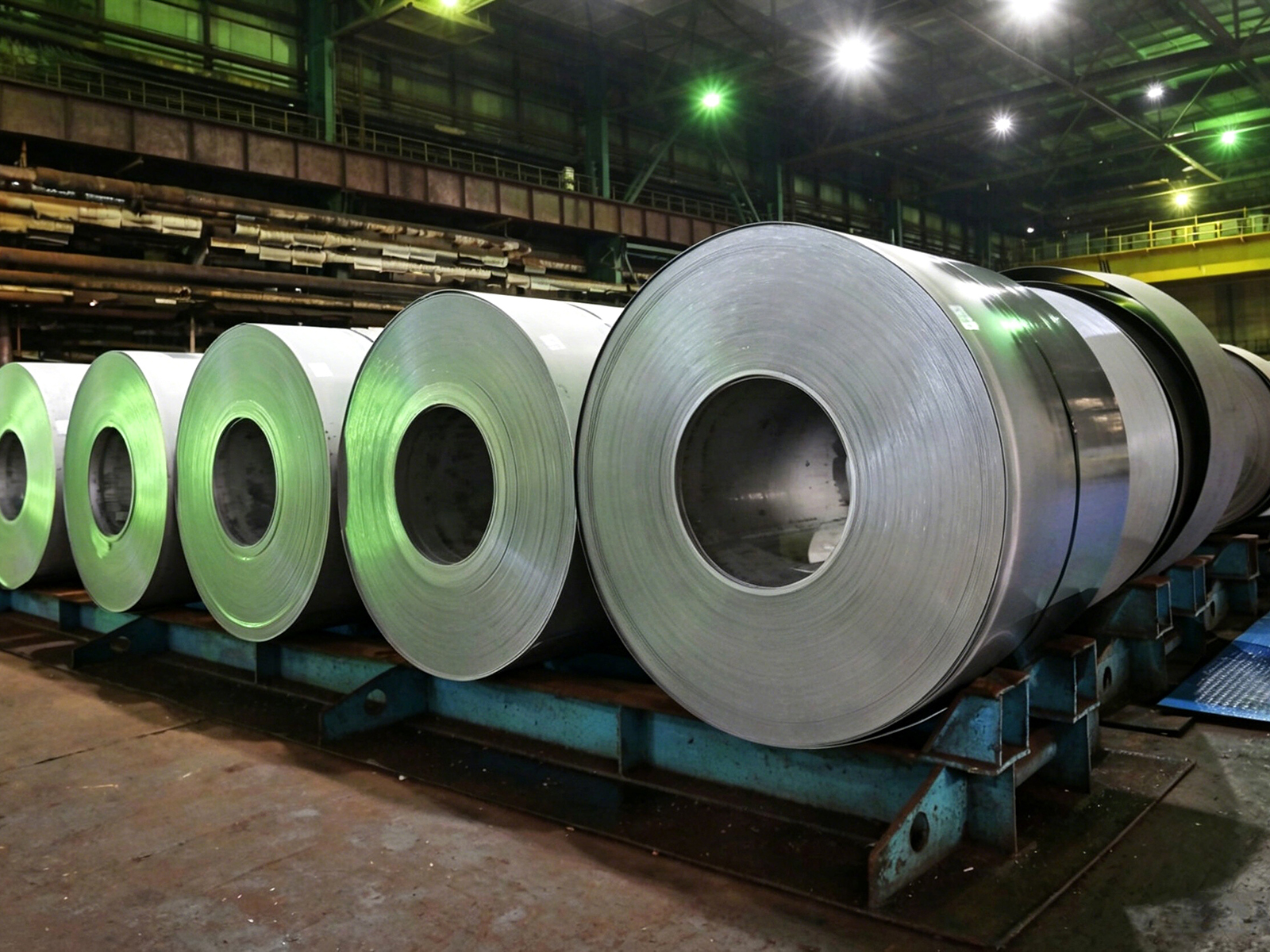
Nickel 201 foil is a low-carbon, high-purity nickel ultra-thin strip (C≤ 0.02%, Ni≥ 99.6%), specially designed for high temperature and corrosive environments. Compared with conventional pure nickel materials, Nickel 201 has significantly improved high-temperature structural stability and resistance to graphitization by strictly controlling the carbon content, and can serve stably for a long time in an environment of ≤ 600℃. The material maintains excellent electrical conductivity and corrosion resistance, as well as good formability and welding performance. The thickness range is 0.03-0.8mm, and the width can reach 670mm. It adopts 20-roller finishing process (accuracy ± 0.001mm) to achieve ultra-thin and wide mass production. It is widely used in new energy battery tabs, chemical electrolysis electrodes, electronic shielding materials and high-temperature equipment components, providing reliable material support for strong alkali, high temperature and high-purity environments.
1. Why Is Nickel 201 Foil Core Characteristics and Material Advantages Important?
(1) What Should You Know About Breakthrough in High-temperature Stability Brought About by Low-carbon Design?
Nickel 201 strictly controls the carbon content below 0.02%. This key indicator directly determines the performance of the material in high temperature environments. When traditional pure nickel materials are used for a long time above 315℃, carbides tend to precipitate to form a graphitized structure, leading to grain boundary embrittlement, reduced mechanical strength and even cracking and failure. The low-carbon design effectively inhibits the carbon migration and deposition process, allowing Nickel 201 to maintain a stable microstructure below 600℃.
This material improvement is of great significance to chemical equipment and high-temperature electrochemical systems. In application scenarios such as caustic evaporators, vacuum furnace heating elements, and high-temperature electrolyzers, the equipment needs to withstand the double test of long-term thermal cycles and corrosive media. The anti-graphitization ability of Nickel 201 ensures the long-term reliability of the welded joint and the body material, reducing the risk of sudden failure due to thermal embrittlement.
At the process level, continuous argon gas protection annealing (temperature fluctuation is controlled within ± 5℃) combined with multi-pass finishing rolling technology achieves microstructure uniformity and recrystallization control. This strict temperature control avoids the redistribution of carbides, ensures the consistency of the microstructure of each batch of products, and lays the foundation for stable batch supply.
(2) What Should You Know About Excellent Electrochemical Performance and Conductive Properties?
Nickel 201 retains the intrinsic conductive properties of pure nickel materials, with a conductivity of up to 18% IACS (International Annealed Copper Standard) and above, meeting the needs of battery tabs, electrode connectors and other applications that require efficient current transmission. In the assembly of new energy lithium batteries, the resistance of the tab material directly affects the charge and discharge efficiency and thermal management performance. The low contact resistance of Nickel 201 foil reduces energy loss in welded joints and increases the overall energy density of the battery module.
In terms of electrochemical stability, the material exhibits excellent passivation film formation capabilities in an alkaline electrolyte environment. In strong alkaline media such as sodium hydroxide and potassium hydroxide, a dense nickel oxide protective layer spontaneously forms on the surface, effectively blocking the continued erosion of corrosive media. This characteristic makes it an ideal choice as a coating substrate for chlor-alkali industrial electrolyzers and fuel cell bipolar plates.
Compared with nickel-plated copper strips, pure nickel materials effectively reduce the problems of coating peeling and matrix corrosion, are less prone to electrochemical corrosion in hot and humid environments, and maintain long-term stable contact resistance. At the same time, it should be noted that nickel itself is a magnetic material and may cause magnetic loss problems in some high-frequency signal applications, which should be considered during design. For components such as precision electronic shields and radio frequency connectors that require long-term reliable conduction, this stability directly translates into extended product life and reduced maintenance costs.
(3) What Should You Know About Balance Between Mechanical Properties and Processing Adaptability?
In the annealed condition, Nickel 201 foil typically has a tensile strength of 350-420 MPa and an elongation of ≥ 30% according to ASTM B162. This combination balances structural strength with ease of secondary processing. In the cold-worked condition, the tensile strength can increase to 500-600 MPa, while elongation usually drops below 8%, making it more suitable for applications requiring higher rigidity and dimensional stability.
Availability status | Tensile strength (MPa) | Elongation (%) | Typical applications |
Annealed state (M) | 350-420 | ≥ 30 | Deep stamping parts, complex formed structures |
Mild cold working state (Y) | 500-600 | ≥ 8 | Elastic connecting piece, high-strength shielding cover |
Good ductility allows Nickel 201 to adapt to stamping, bending, deep drawing, and other forming methods. In electronic connector manufacturing, the material often must undergo repeated forming, slitting, and welding operations without cracking, edge burrs, or severe work-hardening problems. Even in ultrathin gauges down to 0.03 mm, the material maintains stable tear resistance and elongation, meeting the requirements of precision electronic components for thin-gauge materials.
In terms of welding performance, Nickel 201 has good compatibility with itself and other nickel-based alloys. High-quality joints can be obtained by processes such as argon arc welding, resistance welding, and laser welding. The welding heat-affected zone is extremely small, and the risk of carbon precipitation is low. The low-carbon characteristics further ensure the overall quality of the weld area. This property is critical for applications requiring air tightness and structural integrity, such as chemical container manufacturing and vacuum system assembly.
2. Why Is Industrial Application Scenarios of Nickel 201 Foil Important?
(1) What Should You Know About the Key Role in New Energy Battery Systems?
New energy power batteries and energy storage systems place stringent requirements on the conductivity, corrosion resistance and long-term stability of materials. Nickel 201 foil shows significant advantages in the field of battery tabs and connectors. As the connecting medium between the battery core and the external circuit, the tabs need to withstand high-frequency charge and discharge current impacts and face the risk of corrosion caused by electrolyte microleakage.
In power battery modules, the welding quality of the tabs directly affects the internal resistance and cycle life of the battery. The low carbon properties of Nickel 201 ensure the good quality of the weld area during the laser welding process, and the mechanical strength and electrical conductivity of the joint remain consistent. Compared with nickel-plated copper strips, pure nickel materials effectively reduce the problems of coating peeling and matrix corrosion, and perform more stably under high temperature conditions.
Large-capacity battery packs in energy storage systems often need to be in a charge-discharge cycle for a long time, and the electrochemical stability of the tab material is directly related to the safety of the system. The excellent corrosion resistance of Nickel 201 in alkaline and neutral electrolyte environments reduces metal dissolution and increase in internal resistance, extending the effective service life of the battery module.
(2) Why Is Corrosion Resistance Applications in the Chemical and Electrolytic Industries Important?
The highly alkaline environment in the chemical industry puts extreme tests on materials. Electrolyzers in the chlor-alkali industry need to operate continuously for several years under conditions of high concentration sodium hydroxide solution (30-50% mass fraction) and high temperature (90-110℃). Nickel 201 foil is widely used as cathode base material, conductive connecting piece and corrosion-resistant lining plate in electrolytic cells due to its excellent alkali corrosion resistance.
corrosive media | working temperature | Nickel 201 Corrosion Rate | Application parts |
50% NaOH | 100℃ | <0.05 mm/year | Electrolytic cell lining, alkali pipeline |
sodium chloride solution | 80℃ | <0.02 mm/year | Salt water preheater, electrolytic diaphragm frame |
potassium hydroxide | 90℃ | <0.04 mm/year | Fuel cell electrolyte circulation system |
Anode materials in the electroplating industry also need to withstand acid and alkali electrolyte corrosion for a long time. Electrode plates processed from Nickel 201 foil maintain stable size and conductive properties during nickel plating and copper plating processes, reducing plating solution contamination and plating quality fluctuations caused by electrode dissolution.
The food and pharmaceutical industries have dual requirements for material cleanliness and corrosion resistance. The high purity characteristics of Nickel 201 (Ni ≥ 99.6%) ensure that harmful impurities will not be precipitated during steam sterilization, acid and alkali cleaning and other processes, and it has the characteristics of good biocompatibility. Used for sealing gaskets and baffles in pharmaceutical reactors and aseptic filling equipment, this material takes into account both corrosion resistance and safety.
(3) What Should You Know About Shielding and Connection in Electronic Communications?
Electromagnetic interference shielding is an indispensable technical link for modern electronic equipment. Nickel 201 foil has good electrical conductivity and magnetic shielding properties, and is processed into shielding covers and shielding gaskets for use in smartphones, laptops, communication base stations and other equipment. Compared with aluminum foil materials, nickel-based shielding materials exhibit better shielding performance in the high frequency band and have better mechanical strength and corrosion resistance.
High-performance electrical connectors require materials with stable contact resistance and strong oxidation resistance. The dense passive film formed on the surface of Nickel 201 improves corrosion resistance, so even after long-term exposure to high-humidity environments, fluctuations in contact resistance remain much lower than those of copper alloy materials. This consistency is particularly important in high-reliability applications such as automotive electronics and aerospace electrical systems.
Nickel 201 foil in ultra-thin gauge (0.005-0.01mm) plays a role in the reinforcing layer of flexible printed circuit boards (FPC). Its excellent ductility and anti-fatigue properties ensure that circuit boards will not fail due to base material cracking during repeated bending, meeting the needs of emerging applications such as wearable devices and foldable screen mobile phones.
3. What Should You Know About Production Process and Quality Control of Nickel 201 Foil?
(1) What Should You Know About Precision Rolling Technology Enables Stable Production of Ultra-thin and Wide Widths?
The production of ultra-thin wide foils faces three core challenges: thickness uniformity control, shape stability maintenance, and surface quality assurance. By using a twenty-high finishing mill (taking the 750mm mill as an example) and a multi-pass small reduction rolling strategy, the thickness tolerance is controlled at the level of ± 0.001mm. This accuracy guarantee is of decisive significance for automated welding of battery tabs and stamping of precision electronic components.
Tension control during the rolling process directly affects the flatness and residual stress distribution of the material. A constant tension closed-loop control system is used to monitor the tension difference between the front and rear strips in real time and dynamically adjust the roller pressure and speed to match. This technological breakthrough enables the 670mm wide foil to maintain a straightness deviation of ± 0.5mm throughout its entire length, meeting the strict requirements of high-speed slitting and automated loading.
The work hardening problem during cold rolling is controlled through the intermediate annealing process. After every 3-5 passes of pressing, the material enters the continuous annealing furnace for recrystallization treatment to eliminate dislocation accumulation and internal stress concentration. The annealing temperature is precisely controlled within the recrystallization temperature range (600-700℃) to avoid strength decline caused by excessive grain growth and at the same time restore the plasticity and ductility of the material.
(2) What Should You Know About Surface Treatment and Cleanliness Control System?
Electronic-grade applications impose stringent standards on material surface cleanliness. Nickel 201 foil undergoes dual processes of ultrasonic cleaning and alkaline degreasing to remove rolling oil stains, scale and particulate impurities. Surface wettability is evaluated through contact angle or surface energy testing. Good surface condition ensures subsequent coating adhesion and welding performance.
Cleaning process stage | processing media | temperature control | achieve effect |
Ultrasonic pre-wash | alkaline cleaning agent | 60-70℃ | Remove large particles of impurities and heavy oil stains |
Lye soaking | NaOH solution | 80-90℃ | Remove residual grease and organic matter |
High pressure water washing | deionized water | normal temperature | Remove lye residue and salt |
Drying and curing | hot air circulation | 120℃ | Evaporates water and stabilizes surface condition |
The application of continuous argon gas protection annealing furnace avoids the problems of high temperature oxidation and carbon pollution. The oxygen content in the furnace is controlled below 10ppm, and the annealing temperature fluctuation is controlled within ± 5℃, ensuring the consistency of the microstructure of the entire roll of material. This refined heat treatment makes the grain size of the annealed material evenly distributed in the ASTM grade 7-9 range, taking into account the strength and plasticity requirements, ensuring good mechanical properties for 0.03mm ultra-thin foil.
Surface conditions can be provided as glossy, matte or specially treated surfaces according to application requirements. The glossy side is suitable for shielding materials requiring high reflectivity, while the matte side exhibits better wettability in welding and coating applications. Precise control of the surface roughness Ra value (0.2-0.8um) can be achieved through sanding line processing to meet the differentiated needs of different process scenarios.
(3) What Should You Know About Full-Process Quality Inspection and Traceability System?
The automated production line is equipped with intelligent detection units such as online thickness detection, surface defect identification, and flatness monitoring. The laser thickness gauge scans the full-width strip at a 10mm pitch and feeds back the data to the rolling mill control system in real time to achieve closed-loop control. Any sections that are outside the tolerance range are automatically marked and removed during slitting, ensuring zero defect rates in delivered products.
Mechanical property testing is performed in accordance with ASTM B162 standards. Samples are taken from each batch of materials for tensile testing, hardness testing and microstructure analysis. The chemical composition is double verified by spectral analysis and wet chemistry to ensure that key indicators such as carbon content and impurity elements meet the requirements of UNS N02201 specifications.
The quality traceability system covers all aspects from raw materials entering the factory to finished products leaving the warehouse. Each roll of foil is assigned a unique batch code, which is associated with complete information such as raw material heat number, rolling parameters, annealing curve, and inspection data. Customers can query the complete production history of the product through coding, realizing a closed loop of rapid location and improvement of quality issues.
4. Why Is Nickel 201 Foil Selection Guidance and Application Optimization Important?
(1) Why Is Matching Application Scenarios Corresponding to Different Specifications Important?
The selection of thickness specification needs to be combined with the mechanical strength and processing technology requirements of the actual working conditions. The 0.03-0.1mm ultra-thin specifications are suitable for weight- and space-sensitive applications such as battery tabs and flexible circuit reinforcements. In such scenarios, the ductility and welding performance of the material are given priority. The medium thickness range of 0.1-0.3mm takes into account formability and structural strength, and is widely used in components that require a certain load-bearing capacity, such as electromagnetic shielding covers and chemical equipment linings.
The thicker specifications of 0.3-0.8mm provide higher mechanical strength and impact resistance, and are suitable for structural parts such as electrolytic cell conductive plates and high-temperature furnace linings that are subject to complex stress states. In such applications, the material’s creep resistance and high-temperature durability become key considerations. The low-carbon properties of Nickel 201 ensure structural stability during long-term service.
Width specifications affect material utilization and processing efficiency. The width of 350-450mm is suitable for small and medium-sized batch customized production, and can flexibly meet special size requirements. 500-670mm wide material is suitable for large-volume stamping and automated production lines, reducing splicing welds and edge material losses, and has obvious overall cost advantages.
(2) What Are the Differences in Performance Comparison with Other Pure Nickel Materials?
As a traditional industrial pure nickel material, Nickel 200 has a carbon content of up to 0.15% and has similar performance to Nickel 201 in a normal temperature environment. When the service temperature exceeds 315℃, the graphitization tendency of Nickel 200 increases significantly, and the grain boundary carbon precipitates, causing the material to embrittle. Nickel 201 effectively suppresses this problem by strictly limiting carbon (C≤ 0.02%), making it the preferred material for high-temperature working conditions.
In terms of cost, Nickel 201 has higher smelting and refining process requirements, and the price is 10-15% higher than Nickel 200. For equipment that operates in a high-temperature environment for a long time, the increased material cost can be compensated by extending the maintenance cycle and reducing the risk of sudden failure, which is economically reasonable in specific application scenarios.
Although the electroplated nickel layer can provide similar corrosion resistance on the surface of copper-based or steel-based materials, the thickness of the coating is limited (usually <50um), and it is easy to fall off and fail under conditions such as wear and thermal cycling. As a whole material, Nickel 201 foil has corrosion resistance throughout the entire service life, and its reliability and consistency are significantly better than surface coating methods.
(3) Why Is Customized Processing Services and Supply Chain Advantages Important?
Titanium Valley provides one-stop customized processing services from raw materials to finished products. Customers can specify thickness tolerance (± 0.001-0.005mm), width specification (50-670mm), surface condition (bright/matt/special treatment) and supply form (coil/sheet/slit strips) according to application requirements. The flexible production organization model supports the differentiated needs of small batch samples (starting from 10kg) and large batch supply (annual production capacity of 3, 000 tons).
The slitting process is optimized for the characteristics of ultra-thin materials, using a combination of precision disc shears and laser cutting. The edge burrs are controlled within 10um, and the cross-section verticality deviation is <0.1mm. This high-quality slitting ensures the stability of the material during automated loading and high-speed stamping, reducing equipment downtime and scrap rates caused by edge quality problems.
At the supply chain level, with an annual production capacity of 3, 000 tons and a complete inventory management system, regular specifications can achieve a delivery cycle of 7-10 days, while the delivery cycle of customized specifications is controlled at 20-30 days. Stable supply capacity is crucial for industries such as new energy batteries and electronics manufacturing that require continuous large-volume supply, avoiding the risk of production line stagnation due to material shortages.
5. What Is the Conclusion?
Nickel 201 foil material achieves a breakthrough in high-temperature stability through low-carbon and high-purity design. While maintaining excellent conductivity and corrosion resistance, it significantly improves graphitization resistance and long-term service reliability. Ultra-thin wide-width precision rolling technology combined with a full-process quality control system ensures the material’s stable application in battery tabs, chemical electrolysis, electronic shielding and other fields. Facing the continued growth in demand from new energy, high-end manufacturing, precision electronics and other industries, Nickel 201 foil has become a reliable choice for high-temperature conductive and corrosion-resistant applications with its unique performance advantages and supply chain support capabilities.
FAQ
Q1: What is the main difference between Nickel 201 and Nickel 200?
The carbon content of Nickel 201 is strictly controlled below 0.02%, which is significantly lower than Nickel 200 (C≤ 0.15%). This difference enables Nickel 201 to effectively suppress carbide graphitization and grain boundary embrittlement in high temperature environments above 315℃, making it suitable for long-term high temperature service conditions, while Nickel 200 is more suitable for normal to medium temperature application scenarios.
Q2: What is the thickness tolerance of Nickel 201 foil?
Using 20-roll finishing rolling technology combined with online laser thickness measurement closed-loop control, the conventional production thickness tolerance can be stabilized at ± 0.001mm. For ultra-thin specifications below 0.03mm, through multi-pass small reduction rolling and precise tension control, micron-level thickness uniformity can also be achieved, meeting the strict requirements of precision electronics and battery manufacturing.
Q3: How to choose between annealed and cold-worked materials?
The elongation of the annealed (M) material is ≥ 30%, which is suitable for deep stamping, complex bending and other forming processes that require large deformation. The material strength in the mildly cold-worked state (Y) is increased to 500-600MPa, and the elongation remains above 8%. It is suitable for elastic parts and high-strength structural parts that require a certain load-bearing capacity. The appropriate state can be selected according to specific processing technology and mechanical performance requirements.
6. What Should You Know About Looking for Reliable Nickel 201 Foil Manufacturer?
Baoji Titanium Valley Ti-Ni-Zr Material Processing Co., Ltd. focuses on the precision processing and customized supply of high-end nickel-based foil materials. It has an annual production capacity of 3, 000 tons and supports stable mass production of 0.03-0.8mm thickness and 350-670mm width. As a professional Nickel 201 Foil supplier and factory, we provide high-quality products and complete technical support services that comply with ASTM B162 standards.
Contact us: sales@titaniumvalleys.com
References
- Nickel and Cobalt Branch of China Nonferrous Metals Industry Association. “Production Technology and Application of Nickel and Nickel Alloy Plate and Strip”. Beijing: Metallurgical Industry Press, 2021.
- National Chemical Equipment Design Technology Center Station. “Guidelines for Selection of Corrosion-Resistant Materials for Electrochemical Industry”. Shanghai: East China University of Science and Technology Press, 2019.
- Wang Jianjun, Zhang Minghua. “Study on Graphitization Behavior and Control of Pure Nickel Materials”. Corrosion Science and Protection Technology, 2020, 32(4): 345-352.
- National Standardization Administration. GB/T 2054-2018 “Nickel and Nickel Alloy Plate and Strip”. Beijing: China Standards Press, 2018.