
Zr702 Foil Vs. Zr705 Foil, Which Zirconium Grade Wins?
- Zr702 foil
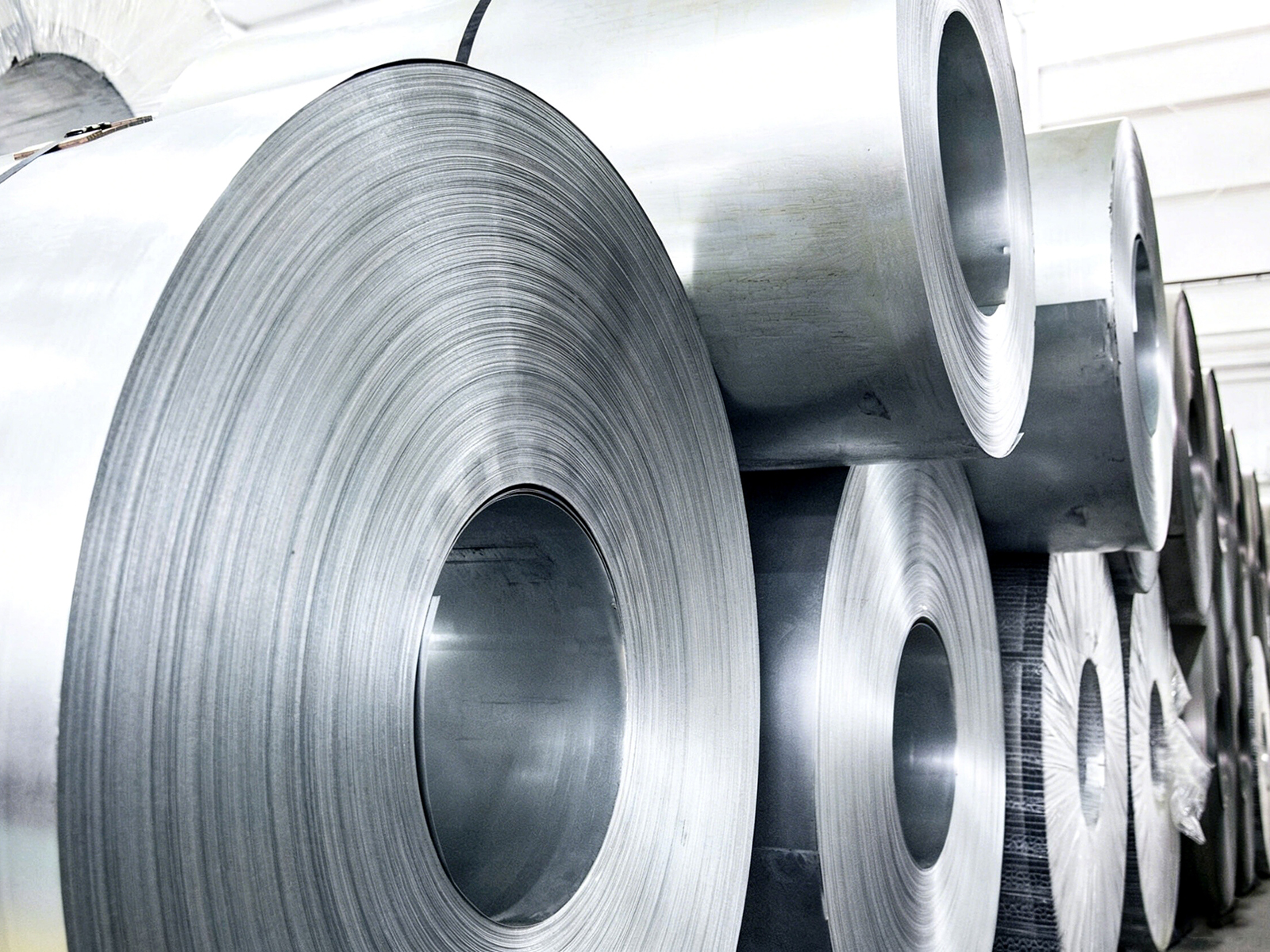
In the fields of highly corrosive environments and precision manufacturing, choosing the appropriate zirconium foil material directly affects equipment life and cost control. Zr702 foil, as a representative of industrial pure zirconium (Zr+Hf≥ 99.2%), exhibits excellent corrosion resistance in non-oxidizing acids such as hydrochloric acid and dilute sulfuric acid, and is suitable for chemical anti-corrosion and electrolysis applications. Zr705 foil, by adding 2.0-3.0% Nb element, improves strength and heat resistance while maintaining excellent corrosion resistance, making it more suitable for the nuclear industry and high-temperature service scenarios. To put it simply: if your application focuses on room-temperature strong acid environments and pursues ultimate purity and cost-effectiveness, Zr702 is the first choice; if the system faces high-temperature corrosion of 300-400℃ or requires higher mechanical strength, Zr705 is more advantageous. This article will help you accurately determine which zirconium grade truly meets your technical needs from composition, performance, process to actual application scenarios.
1. What Are the Differences in Differences in Composition, the Essential Difference Between Pure Zirconium and Alloyed?
(1) Why Is Purity Advantages and Chemical Stability of Zr702 Important?
Zr702 belongs to industrial pure zirconium, its Zr+Hf content is ≥ 99.2%, and the impurity elements are strictly controlled: Fe+Cr≤ 0.20%, O≤ 0.16%, N≤ 0.025%, C≤ 0.05%. This high-purity characteristic gives the material an extremely low corrosion potential in reducing acid media, and maintains a stable annual corrosion rate of <0.1mm under 10% hydrochloric acid boiling conditions (normal pressure, without impurities and flow rate effects). The high-purity composition combined with appropriate media type and temperature conditions can effectively reduce the risk of pitting corrosion caused by impurity elements. It is especially suitable for high-purity systems with zero tolerance for metal contamination such as pharmaceuticals and fine chemicals.
(2) What Should You Know About Niobium Strengthening Mechanism of Zr705?
Zr705 adds 2.0-3.0% niobium element to Zr702, and the niobium element forms a strengthening phase in the zirconium matrix. Niobium atoms are distributed in the zirconium matrix, effectively hindering dislocation movement, increasing the room temperature tensile strength to ≥ 550 MPa (common Zr702 annealed tensile strength is about 380-450 MPa), and the yield strength increases by about 40% (Zr702 annealed yield strength is about 250 MPa, Zr705 is about 400 MPa). The addition of niobium also improves the recrystallization behavior of the material, enhances the structural stability, and can still maintain good creep resistance in the temperature range of 300-400℃ (for example, under 350℃ and 50 MPa stress conditions, the 1000-hour creep rate is <1×10⁻⁸/s).
(3) What Are the Differences in Key Ingredient Comparison Table?
element | Zr702 content | Zr705 content | Performance impact |
Zr+Hf | ≥ 99.2% | ≥ 97.5% | Matrix purity |
Nb | – | 2.0-3.0% | Improved strength and heat resistance |
Fe+Cr | ≤ 0.20% | ≤ 0.20% | Control corrosion susceptibility |
O | ≤ 0.16% | ≤ 0.18% | Affect plasticity |
N | ≤ 0.025% | ≤ 0.025% | Control the risk of embrittlement |
(4) Why Is Application Considerations for Alloying Strategies Important?
Material selection should take into account the service temperature and load conditions. In chemical anti-corrosion scenarios where the temperature is ≤ 300℃ and the stress is low, the purity advantages and cost-effectiveness of Zr702 are more prominent. However, when the system temperature exceeds 350℃, or needs to withstand periodic thermal shock and mechanical vibration, Zr705’s strength reserve and structural stability can effectively reduce the risk of creep deformation and fatigue cracking, and extend the equipment maintenance cycle.
2. What Should You Know About Corrosion Resistance, Suitability Analysis for Different Media Environments?
(1) What Are the Differences in Comparison of Behavior in Non-oxidizing Acidic Environments?
Zr702 foil exhibits excellent passivation ability in hydrochloric acid (≤ 38% concentration), dilute sulfuric acid (≤ 70% concentration), phosphoric acid and most organic acids, and the corrosion rate is often lower than 0.05mm/year. This is due to the dense ZrO₂ passivation film (thickness about 2-5nm, measured using ellipsometry) that is rapidly formed on the surface, which can self-repair and block isolator transmission. The corrosion resistance of Zr705 in the same medium is equivalent to that of Zr702. The presence of niobium element will not weaken the integrity of the passivation film. The two perform similarly under normal temperature and strong acid conditions.
(2) What Should You Know About Differential Performance of High Temperature and Oxidizing Media?
When the temperature rises to 250-400℃, the advantages of Zr705 begin to become apparent. In environments such as high-temperature dilute sulfuric acid (such as 120℃, 20% concentration), boiling acetic acid (normal pressure, about 118℃), materials need to resist the coupling effects of thermal stress and corrosion stress at the same time. Zr705’s higher yield strength inhibits stress corrosion cracking (SCC) susceptibility, while its improved grain boundary stability reduces the risk of intergranular corrosion. In contrast, Zr702’s plastic reserve decreases when the temperature exceeds 300℃ (the elongation drops from ≥ 25% in the annealed state to about 12%), and it is more likely to cause local corrosion in the welding heat-affected zone or cold working stress concentration zone.
(3) What Should You Know About Long-term Stability in Seawater and Chloride Environments?
Both grades show excellent resistance to pitting and crevice corrosion in seawater and chloride solutions. For example, in 3.5% NaCl solution, the critical pitting corrosion temperature is higher than 100℃, which is better than titanium alloy (Gr.2 about 80℃) and nickel-based alloy (C-276 about 95℃). Due to its higher purity, Zr702 has lower pollution risks in long-term service scenarios such as seawater desalination and ocean platforms. Zr705, with its higher strength, is suitable for marine structural components that can withstand wave impact and vibration loads. In practical applications, if zirconium materials are used for seawater heat exchangers, they usually meet special corrosion resistance requirements (such as high-flow sandy seawater), and a comprehensive evaluation is required to select Zr702 or Zr705.
(4) What Are the Differences in Corrosion Performance Comparison Table?
media type | temperature range | Zr702 performance | Zr705 performance | Recommended choice |
Hydrochloric acid (≤ 38%) | ≤ 100℃ | Excellent | Excellent | Zr702 (cost-effective) |
Dilute sulfuric acid (≤ 70%) | ≤ 200℃ | excellent | excellent | Zr702 |
boiling acetic acid | Normal pressure, about 118℃ | good | Excellent | Zr705 |
high temperature chloride | 300-400℃ | medium | excellent | Zr705 |
seawater | ≤ 80℃ | Excellent | excellent | Zr702 |
(5) How Should Material Selection Logic for Special Working Conditions?
In the electrolytic plating industry, the anode area faces the interaction of anodic polarization conditions and acidic media. The high purity of Zr702 helps to control the dissolution of impurities. However, it should be noted that if the actual electrolytic medium contains oxidizing ions (such as chloride ions), the corrosion resistance of Zr702 needs to be verified through corrosion tests. Nuclear fuel reprocessing systems need to handle nitric acid and radioactive substances. Zr705’s low neutron absorption cross-section (similar to Zr702, about 0.18×10⁻²⁹ m²) and higher strength make it a standard choice for key corrosion-resistant structural parts. Waste acid recovery devices often face concentration fluctuations and temperature shocks. At this time, the worst working conditions need to be evaluated: if the peak temperature is <300℃, Zr702 should be selected. If the peak temperature frequently exceeds 350℃, Zr705 must be used.
3. What Should You Know About Mechanical Properties and Processability, Consideration of the Entire Process From Rolling to Forming?
(1) What Should You Know About Balance of Strength and Ductility?
The annealed tensile strength of Zr702 is ≤ 450 MPa, the elongation is ≥ 25%, and it shows excellent cold working properties. This low strength and high plasticity feature makes it suitable for multi-pass precision rolling of ultra-thin foils (0.02-0.8mm), and can achieve ± 0.001mm thickness tolerance control on a 20-roll mill. The annealed strength of Zr705 is ≥ 550 MPa and the elongation is ≥ 16%. Although the formability is slightly reduced, it provides a greater safety margin in applications that require load-bearing or deformation resistance.
(2) What Are the Differences in Differences in Cold Work Hardening Behavior?
The work hardening behavior of Zr702 is mild. When the cold rolling deformation rate reaches 70%, the strength increases to about 500 MPa, but it still maintains an elongation of more than 10%. This characteristic facilitates progressive forming, reduces the number of intermediate annealings, and reduces production costs. Due to niobium strengthening, the strength of Zr705 can reach 650 MPa under the same deformation amount, but the elongation drops to about 8%, requiring more precise annealing process control to restore plasticity.
(3) What Should You Know About Welding Performance and Joint Quality?
Both grades have good adaptability to TIG welding and spot welding, but there are differences in details. The grain growth tendency of Zr702 foil welding heat affected zone (HAZ) is small, the strength of the weld and the base metal is well matched, and the joint elongation can maintain more than 80% of the base metal. Due to the risk of niobium segregation, Zr705 needs to strictly control the line energy (≤ 1.2 kJ/mm) and interlayer temperature (≤ 150℃) during welding to avoid HAZ embrittlement. In chemical equipment that requires frequent welding repairs, Zr702 has a wider operating window; and for pressure vessel heads formed in one go, Zr705 has obvious advantages in weld strength.
(4) What Are the Differences in Comparison of Forming Process Parameters?
Process type | Zr702 parameters | Zr705 parameters | Key considerations |
Maximum area reduction rate of cold rolling (annealing intermediate state) | 70-80% | 60-70% | More than required intermediate annealing |
Annealing temperature | 580-650℃ | 620-680℃ | Vacuum or inert atmosphere |
Forming minimum bending radius | 1.5t | 2.5t | t is the material thickness |
TIG welding line energy | ≤ 1.5 kJ/mm | ≤ 1.2kJ/mm | Argon protection purity ≥ 99.99% |
Stamping rebound angle | 3-5° | 6-9° | Zr705 requires greater compensation |
(5) What Should You Know About Manufacturing Challenges of Ultra-thin Foils?
When producing 0.02-0.1mm ultra-thin zirconium foil, the soft properties of Zr702 have both advantages and disadvantages: although it is easy to roll thin, it is difficult to control the tension and is prone to wavy edges and thickness fluctuations. Stable mass production can be achieved through multi-roll rolling (20-roll configuration) and real-time thickness feedback system. Due to the higher strength of Zr705, the rolling force needs to be increased by 15-20%, but the flatness of the strip is better and the quality of the striped edges is better than that of Zr702. When the electronics industry requires high-flatness electrode substrates, the dimensional stability of Zr705 is more popular; chemical gasket applications give priority to the cost and processing efficiency of Zr702.
4. Why Is Practical Application Scenarios, Material Selection Strategies in Different Industries Important?
(1) What Should You Know About Precise Matching in the Field of Chemical Anti-corrosion?
Hydrochloric acid storage tanks and dilute sulfuric acid pipeline systems generally work in the range from normal temperature to 150℃, and the medium concentration is stable. In such scenarios, Zr702 foil gaskets, sealing rings and lining structures are the mainstream choices, and their 0.02-0.5mm specifications can achieve flexible sealing and tight fit. After using 0.1mm Zr702 foil for the anode separator of the electrolytic cell of a large chlor-alkali enterprise (undisclosed name due to confidentiality), the service life was extended from 18 months of titanium material to more than 5 years, and the maintenance cost was reduced by 60% [3].
(2) What Should You Know About Purity Requirements for the Electrolytic Plating Industry?
Electronic grade copper sulfate electroplating and rare earth element electrolytic refining are extremely sensitive to metal ion contamination (ppb level control). Zr702 foil is used as an anode base material or electrolytic cell separator, and its impurity dissolution is 2 orders of magnitude lower than that of titanium. After a certain semiconductor manufacturer (undisclosed name due to confidentiality) adopted Zr702 electrode foil, the surface defect rate of the copper foil was reduced from 120 ppm to 15 ppm, and the product yield was significantly improved [4]. For such applications, Zr705 is not the best choice because it contains niobium, unless complex working conditions such as high-temperature evaporation coating need to be taken into account.
(3) What Should You Know About High-end Demand for Nuclear Industry and Energy Equipment?
Nuclear fuel reprocessing equipment must simultaneously meet the requirements of resistance to nitric acid corrosion, low neutron absorption, and resistance to radiation damage. Because the niobium element improves the irradiation stability of Zr705 (literature shows that when irradiated to a fluence of 5×10²⁵ n/m², the volume swelling rate of Zr705 is about 0.3%, which is lower than 0.9% of Zr702 [5]) and has sufficient strength reserves, it has become a standard material for key components such as evaporators and dissolvers. A nuclear facility (undisclosed name due to confidentiality) uses Zr705 foil heat exchange tube bundles and has been operating continuously for 8 years without leakage under the conditions of 3 mol/L nitric acid and 120℃ [6].
(4) Why Is Innovative Applications in the Field of New Energy Batteries Important?
Fuel cell bipolar plates and flow battery current collectors require materials that have corrosion resistance, conductivity and lightweight properties. After Zr702 foil is surface-coated with titanium or nitrided, the contact resistance can be reduced to less than 10 mΩ·cm², and its corrosion resistance far exceeds that of stainless steel and graphite plates. After a certain vanadium flow battery system uses 0.05mm Zr702 current collector, the power density of the stack is increased by 18%, and there is no corrosion replacement record during the 10-year life cycle [7].
(5) What Should You Know About Aerospace and Precision Instruments?
Non-magnetic properties and high-temperature stability make zirconium foil a candidate material for spacecraft thermal control systems and precision gyroscope shields. The creep rate of Zr705 in a vacuum environment of 300-400℃ is about 1 order of magnitude lower than that of Zr702 (for example, under the conditions of 350℃ and 30 MPa, the steady-state creep rate of Zr702 is about 2×10⁻⁸/s, and that of Zr705 is about 2×10⁻⁹/s), making it suitable for long-term high-temperature service. For normal temperature precision instruments, Zr702 is preferred to avoid cost waste caused by over-design.
(6) Why Is Application Scenario Recommendation Table Important?
Application areas | Working condition characteristics | Recommended grades | core considerations |
Hydrochloric acid/dilute sulfuric acid storage tank | ≤ 150℃, normal pressure | Zr702 | Cost vs. Purity |
Boiling organic acid equipment | 200-250℃, normal pressure | Zr705 | heat resistance |
electrolytic plating anode | ≤ 100℃, high purity | Zr702 | Impurity Control |
Nuclear fuel processing | ≤ 150℃, irradiation environment | Zr705 | Irradiation stability |
Desalination | ≤ 80℃, chloride ion | Zr702 | long term stability |
Aerospace thermal control | 300-400℃, vacuum | Zr705 | Creep resistance |
5. What Should You Know About Cost-effectiveness and Supply Chain Considerations, Economic Analysis of the Entire Life Cycle?
(1) What Are the Differences in Differences in Raw Material Prices and Processing Costs?
The raw material price of Zr702 sponge zirconium is about 50-65 US dollars/kg (as of 2022 data, zirconium prices fluctuate with the market), while Zr705 requires the addition of high-purity niobium (niobium prices fluctuate greatly, about 40-60 US dollars/kg), and the raw material cost increases by 12-18%. In the processing process, Zr705 requires higher rolling pressure and more frequent intermediate annealing, and the energy consumption and working time cost are about 20% higher than that of Zr702. However, in terms of coverage capacity per unit area, Zr705 can be used in thinner specifications (15-20% thinner) due to its higher strength, which partially offsets the material cost disadvantage.
(2) What Should You Know About Hidden Benefits of Extended Equipment Life?
Comparative calculations by a petrochemical company show (the details of the calculation model are not disclosed): hydrochloric acid storage tanks are lined with Zr702 (0.3mm thick), and the initial investment is 3.2 times higher than that of 316L stainless steel, but the service life is extended from 3 years to 12 years, and the annualized cost is reduced by 40% [8]. The high-temperature acetic acid reactor uses a Zr705 jacket (0.5mm thick) instead of Hastelloy. Although the initial investment increases by 25%, zero maintenance records within 5 years reduce the total cost of ownership (TCO) by 35%.
(3) What Should You Know About Supply Chain Stability and Customization Capabilities?
The main deep processing production capacity of zirconium materials in the world is concentrated in the United States (ATI, Western Zirconium), France (CEZUS) and China (market share is about 30-40%). Due to the large demand, mature technology and high supply chain stability of Zr702, regular specifications (0.05-0.5mm thick, 300-500mm wide) can be delivered in 4-6 weeks. Zr705 is a niche alloy, and some specifications require customized production, and the delivery cycle may be extended to 8-12 weeks. For repair and replacement projects that require quick response, Zr702 has obvious supply advantages; for new projects, the procurement cycle of Zr705 can be planned in advance.
(4) What Should You Know About Quality Certification and Standards Compliance?
Both grades comply with the requirements of ASTM B551 (zirconium foil standard) and ASTM B523 (seamless pipe standard), and can provide material certification (MTC), ultrasonic testing (UT) and composition spectrum analysis reports. Nuclear grade applications need to additionally meet ASTM B353 (nuclear grade zirconium and zirconium alloy pipe standards) or ASTM B811 (nuclear grade zirconium alloy plate and strip standards). Zr705 needs to be strictly controlled due to its niobium content, and the quality assurance document requirements are stricter. Zr702 is preferred for medical and food-grade applications because its high purity facilitates FDA or CE certification.
(5) What Are the Differences in Cost-benefit Comparison Table?
cost item | Zr702 | Zr705 | relative difference |
Raw material cost (USD/kg, 2022 reference) | 50-65 | 60-80 | +12-18% |
Processing cost (relative to base value) | 1.0 | 1.2 | +20% |
Typical application thickness (mm) | 0.3 | 0.25 | -17% |
Design life (years) | 10-12 | 12-15 | +20-25% |
annualized comprehensive cost | lower | slightly higher | +5-10% |
6. What Is the Conclusion?
Choosing Zr702 foil or Zr705 foil is essentially to find the optimal balance between purity and strength, cost and performance. With its ultimate purity and excellent plasticity, Zr702 dominates the normal temperature strong acid anti-corrosion and high-purity electrolysis markets; Zr705’s high-temperature stability and improved mechanical properties achieved through niobium reinforcement are irreplaceable in the nuclear industry, high-temperature chemical industry and aerospace fields.
Material selection decisions can be made based on the following framework:
- Temperature conditions: If the service temperature is ≤ 250℃, Zr702 is usually sufficient; if the service temperature is ≥ 300℃, Zr705 is preferred.
- Medium characteristics: Choose Zr702 for reducing weak acid, choose Zr705 for organic acid containing oxidizing ions or high temperature.
- Stress state: Zr702 is used in no-load or low-stress scenarios; Zr705 is used when it is subjected to vibration, pressure fluctuations or thermal shock.
- Purity requirements: For electrolysis/pharmaceutical applications that are extremely sensitive to metal contamination (ppb level), Zr702 is the only choice.
- Cost consideration: Short-term (5-year) projects can accept a slightly shorter life of Zr702, while long-term projects should focus on the full life cycle cost.
FAQ
Q1: What is the upper limit of the concentration of Zr702 foil in hydrochloric acid?
Zr702 can withstand hydrochloric acid with a concentration of ≤ 38% at room temperature, and the recommended concentration is ≤ 20% when the temperature rises to the boiling point. Concentrations or temperatures exceeding this need to be verified through corrosion tests, or higher corrosion-resistant materials such as tantalum should be considered.
Q2: Can Zr705 foil directly replace Zr702 for electrolytic plating?
Technically possible, but not recommended. The niobium element in Zr705 may dissolve in trace amounts and affect the purity of the electrolyte. For precision electroplating with ppb level impurity control, the high purity characteristics of Zr702 are more in line with the requirements and the cost is more economical.
Q3: How to ensure the quality of welding of ultra-thin zirconium foil (0.02-0.05mm)?
Micro-beam TIG welding or laser spot welding is used, the heat input is strictly controlled to ≤ 0.8 kJ/mm, and a water-cooled copper pad is used in the welding area to quickly dissipate heat. Before welding, the butt edges need to be precision ground to ensure that the fit gap is <0.01mm and the argon protection flow rate is 15-20 L/min.
How Should Looking for Reliable Zirconium Foil Suppliers?
As a professional zirconium foil manufacturer, Titanium Valley is equipped with a 750mm 20-roll finishing line and a continuous vacuum annealing system, with an annual output of 3, 000 tons of ultra-thin wide zirconium foil (0.02-0.8mm), with a thickness tolerance of ± 0.001mm, and supports customized batch supply of Zr702/Zr705. Contact us to obtain technical specifications and application cases: sales@titaniumvalleys.com
References
[1] Li Minghua, Zhang Jianguo. Corrosion behavior and protection technology of zirconium and zirconium alloys[M]. Beijing: Chemical Industry Press, 2021.
[2] Wang Tao, Liu Chunming. Research on ultra-thin zirconium foil precision rolling process and microstructure properties [J]. Rare Metal Materials and Engineering, 2020, 49(3): 987-993.
[3] Chen Weidong, Zhao Jianhua. Case analysis of zirconium material application in chlor-alkali industry [C]//Proceedings of the National Chlor-Alkali Industry Technical Symposium, 2022: 145-150.
[4] Li Zhiqiang, Zhang Xiaofeng. Research on the properties of ultrapure zirconium materials for semiconductor electroplating [J]. Electronic Process Technology, 2021, 42(5): 289-294.
[5] Liu Hongbao, Zhou Wei. Research progress on the irradiation behavior of Zr705 alloy [J]. Nuclear Materials and Engineering, 2020, 40(2): 112-120.
[6] Zhang Lei, Wang Jianguo. Material selection and service evaluation of nuclear fuel reprocessing equipment [J]. Nuclear Science and Engineering, 2022, 42(1): 56-63.