
Why Is Nickel 201 Nickel Foil Widely Used in Chemical, Electrical and High-temperature Industrial Fields?
- Nickel 201 Nickel Foil
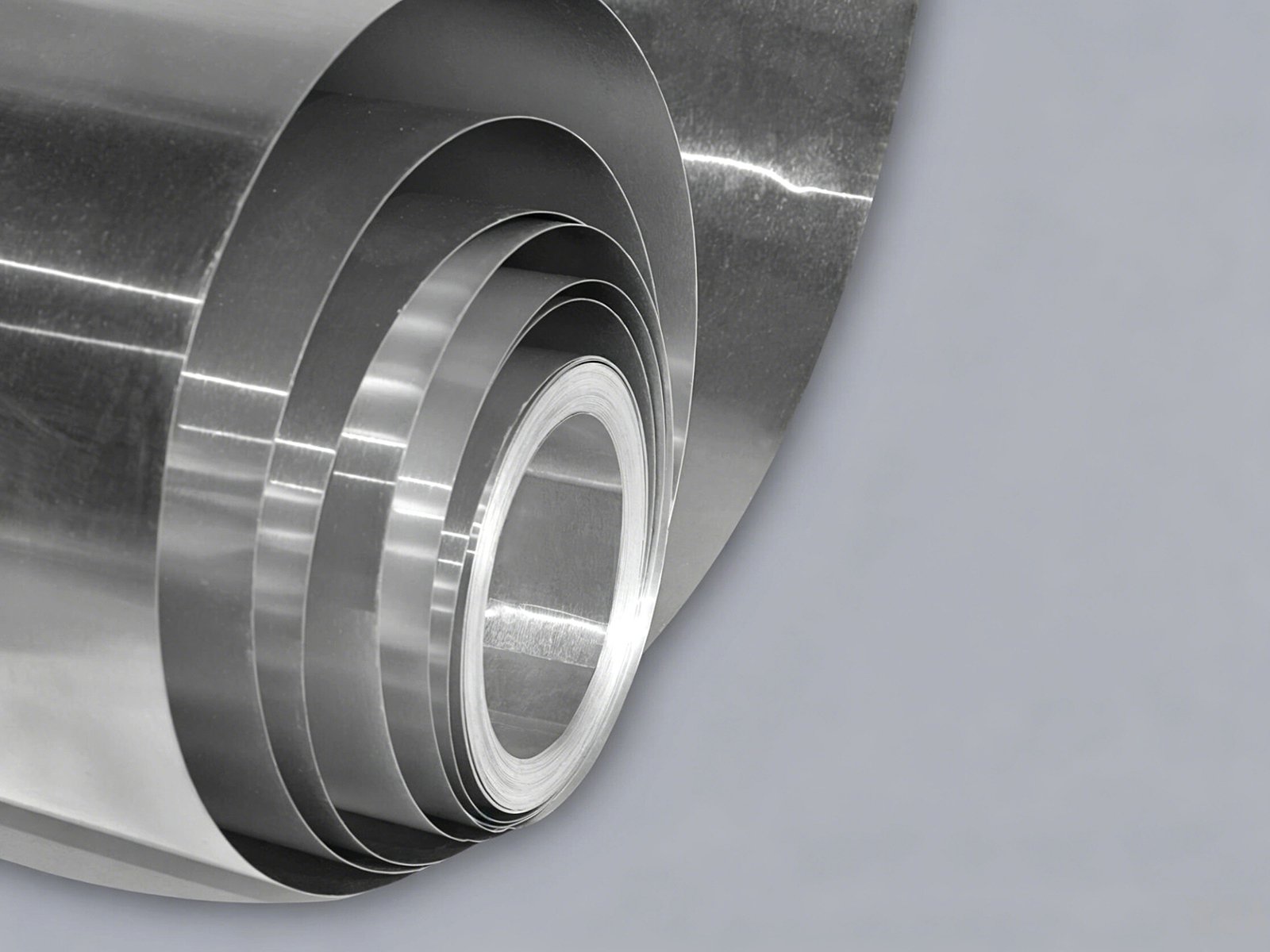
Nickel 201 nickel foil has been widely recognized in the chemical, electrical and high-temperature industrial fields due to its low-carbon and high-purity material properties. Compared with ordinary pure nickel materials, Nickel 201 strictly controls the carbon content below 0.02%, effectively avoiding the problem of graphitization and embrittlement in high temperature environments. This material not only retains the excellent electrical conductivity and corrosion resistance of pure nickel, but also significantly improves the long-term structural stability in an environment of ≤ 600℃. It performs well in strongly alkaline media, electrolysis systems and high-temperature conductive components, becoming a key material to solve the problem of material failure under extreme working conditions. Ultra-thin precision processing capabilities (0.005-0.8mm) combined with high-cleanliness surface treatment enable it to meet the stringent requirements of high-end applications such as new energy batteries, electromagnetic shielding, and chemical equipment.
1. Why Is Material Properties and Technical Advantages of Nickel 201 Nickel Foil Important?
(1) How Low-carbon Design Improves High-temperature Stability?
Carbon content is a key factor in determining the high temperature performance of pure nickel materials. When nickel materials are used in environments above 315℃ for a long time, the carbon element in ordinary pure nickel will segregate to the grain boundaries and precipitate graphite phase, resulting in grain boundary embrittlement and a sharp decline in mechanical properties. Nickel 201 fundamentally inhibits this degradation mechanism by reducing carbon content to less than 0.02%. In practical applications, this means that the material can maintain stable microstructure and mechanical properties in an environment of 600℃, avoiding premature equipment failure due to carbon precipitation. This low-carbon, high-purity design is particularly suitable for scenarios that require long-term stable operation, such as chemical reactors, vacuum furnace components, and high-temperature electrolysis systems.
(2) Why Is Excellent Conductive Properties Meet the Needs of Electrical Applications Important?
Pure nickel itself has good electrical conductivity. Nickel 201 ensures that the excellent electrical conductivity is not affected while maintaining high purity (Ni≥ 99.0%). The material’s stable resistivity and controllable temperature coefficient make it ideal for battery tabs, conductive tabs and electromagnetic shielding. In new energy battery systems, Nickel 201 nickel foil is used as a current collector material, which can effectively reduce contact resistance, improve charging and discharging efficiency, and reduce energy loss. Compared with copper foil, nickel foil shows stronger corrosion resistance in alkaline electrolyte environment, extending the service life of the battery system.
(3) What Should You Know About Excellent Corrosion Resistance to Cope with Complex Media Environments?
Nickel 201 nickel foil has excellent corrosion resistance to strong alkaline media (such as sodium hydroxide, potassium hydroxide), which is due to the dense passivation film formed by nickel in an alkaline environment. The material can maintain stable corrosion resistance even under high temperature conditions in NaOH solutions with a concentration of up to 70%. In addition to alkaline media, Nickel 201 also shows good chemical stability to seawater, neutral salt solutions and various organic compounds. This broad-spectrum corrosion resistance makes it widely used in chlor-alkali industry, pharmaceutical equipment, food processing equipment and other fields that have strict requirements on material purity and corrosion resistance.
Performance indicators | Nickel 201 | Nickel 200 | Application advantages |
Carbon content | ≤ 0.02% | ≤ 0.15% | Inhibit high temperature graphitization |
Use temperature | ≤ 600℃ | ≤ 315℃ (long-term, short-term up to 400℃) | Expand high temperature application range |
Conductive properties | Excellent | Excellent | Electrical connection stability |
Alkali corrosion resistance | excellence | good | Long life under strong alkali conditions |
2. What Should You Know About Breakthrough in Production Technology of Ultra-thin Precision Nickel Foil?
(1) What Should You Know About 20-roller Finishing Technology Achieves Ultra-thin and Stable Rolling?
The production of ultra-thin nickel foil faces multiple challenges such as thickness control, plate shape stability and surface quality. The traditional rolling process is difficult to maintain thickness tolerance and plate shape uniformity under the ultra-thin specification of 0.005-0.8mm. Using a 750mm 20-roll precision rolling mill, the thickness tolerance can be controlled within ± 0.001mm through a multi-roller support system and precise tension control. This high-precision rolling technology combined with a multi-pass cold rolling process achieves stable mass production of nickel foil with a maximum width of 670mm. The work roll diameter optimization and rolling force distribution control during the precision rolling process effectively avoid plate defects such as edge thickening and middle thinning, ensuring the consistency of the material in subsequent stamping and forming processes.
(2) What Should You Know About Continuous Annealing Process Ensures Uniformity of Structure and Performance?
After ultra-thin nickel foil undergoes multiple passes of cold rolling, a large amount of dislocations and residual stress will accumulate inside, causing the material to harden and reduce its plasticity. Continuous annealing is a key process to restore material plasticity and eliminate internal stress. Using a protective atmosphere continuous annealing furnace and performing heat treatment under strict temperature control (± 2℃) can achieve uniformity of the recrystallized structure. Argon protection during the annealing process avoids surface oxidation and carbon contamination, maintaining the high purity and surface finish of the material. After annealing, the tensile strength of Nickel 201 nickel foil is controlled at 350-420 MPa, the elongation is ≥ 25%, and it has good formability and mechanical stability. It should be noted that the continuous annealing process is suitable for tissue control of general products; for special application scenarios that require extremely low outgassing rates, such as vacuum systems, additional vacuum annealing treatment will be performed (see subsequent chapters for details).
(3) Why Is High Clean Surface Treatment Meets Electronic Grade Application Requirements Important?
Surface cleanliness directly affects the performance of nickel foil in precision applications such as electronics and batteries. During the production process, ultrasonic cleaning and alkaline solution treatment are used to effectively remove surface oil, oxides and particulate pollution. After cleaning, the dyne value of the surface of the nickel foil is stable at 44, ensuring good wettability and bonding performance. This high-cleanliness surface treatment technology is crucial for applications such as electromagnetic shielding materials, battery tabs, and precision electrodes. It can improve coating adhesion, reduce contact resistance, and prevent contamination problems during use.
3. Why Is Key Application Scenarios in the Chemical Industry Important?
(1) What Should You Know About Durability Guarantee of Chlor-alkali Industrial Electrolyzer Components?
The chlor-alkali industry is one of the most important application areas for Nickel 201 nickel foil. In the process of electrolyzing salt water to produce chlorine and caustic soda, there are high-concentration sodium hydroxide solution (30-50%) and high-temperature (90-110℃) environment inside the electrolytic cell, which places extremely high requirements on the corrosion resistance of the materials. As a cathode conductive material or structural component, Nickel 201 nickel foil can operate stably for a long time under such harsh working conditions. Compared with carbon steel or stainless steel materials, nickel foil will not cause perforation leakage due to alkaline corrosion, nor will impurities such as iron ions be introduced to contaminate the electrolyte, ensuring product purity and production efficiency.
(2) What Should You Know About Clean Corrosion Protection Barrier for Pharmaceutical and Food Equipment?
The pharmaceutical and food processing industries have strict standards for the purity and corrosion resistance of equipment materials. Nickel 201 nickel foil is used for reactor linings, pipe connections and sealing parts due to its high purity (Ni≥ 99.0%) and excellent chemical stability. This material will not precipitate harmful ions into the medium and meets the requirements of regulatory agencies such as the FDA for food contact materials. In the environment of organic solvents, acidic or alkaline solutions processed in pharmaceutical processes, nickel foil can maintain surface integrity, prevent corrosion products from contaminating pharmaceuticals, and ensure GMP compliance in the production process.
(3) What Should You Know About Vacuum Systems and High-purity Chemical Production Equipment?
Processes such as vacuum distillation and high-purity chemical synthesis have special requirements on the purity and gas release characteristics of materials. For vacuum system applications, Nickel 201 nickel foil will undergo a separate vacuum annealing treatment after completing conventional continuous annealing to further reduce the gas content inside the material so that it can meet the requirements of high vacuum environment (10⁻⁶ Pa level) without affecting the vacuum degree due to degassing. The low-carbon characteristics of the material avoid the contamination of high-purity products caused by carbon precipitation at high temperatures. This material is widely used in semiconductor-grade chemical production equipment, vacuum coating systems and high-purity gas delivery pipelines, meeting the stringent requirements of the electronics industry for ultra-high purity materials.
Application scenarios | Working condition characteristics | Nickel 201 Advantages | Typical specifications |
Chlor-alkali electrolysis | High concentration NaOH, 90-110℃ | Resistant to alkali corrosion, no iron pollution | 0.1-0.5mm thick |
pharmaceutical equipment | Organic solvents, GMP requirements | High purity, no precipitation | 0.05-0.3mm thick |
Vacuum system | High vacuum, high purity environment | Low outgassing, low carbon pollution | 0.03-0.2mm thick |
4. Why Is Core Applications in the Electrical and Electronics Industry Important?
(1) What Should You Know About New Energy Battery Tabs and Current Collector Materials?
The rapid development of new energy vehicles and energy storage systems has driven the demand for high-performance battery materials. Nickel 201 nickel foil has unique advantages as the negative electrode current collector and tab material of lithium-ion batteries. Its excellent conductive properties reduce the internal resistance of the battery and improve the charge and discharge efficiency and power density. Compared with copper foil, nickel foil has better stability in alkaline and high-temperature environments and can withstand thermal stress and electrochemical corrosion during battery cycling. Through a more refined rolling process, ultra-thin nickel foil with a thickness as low as 0.005mm (specification range 0.005-0.05mm) can be produced to meet the need for lightweight tabs, thereby reducing battery weight and increasing energy density, in line with the development trend of lightweight electric vehicles.
(2) What Should You Know About Electromagnetic Interference Shielding Materials and Conductive Connectors?
The miniaturization and increased integration of electronic equipment have brought serious electromagnetic interference problems. Nickel 201 nickel foil is an ideal material for electromagnetic shielding due to its good electrical conductivity and magnetic properties. Nickel foil with a thickness of 0.03-0.1mm can be processed into a shielding cover, gasket or conductive tape to effectively attenuate radio frequency interference and protect the normal operation of sensitive circuits. The material’s high ductility supports the stamping forming of complex shapes and is suitable for the structural design of various electronic devices. In 5G communication equipment, precision instruments and medical electronics, nickel foil shielding ensures signal integrity and equipment reliability.
(3) What Should You Know About Precision Electronic Connectors and Contact Materials?
Electronic connectors require materials with stable contact resistance, oxidation resistance and mechanical reliability. After precision stamping and surface treatment, Nickel 201 nickel foil can be made into elastic contact pieces, jacks and conductive springs. The elongation of the material in the annealed state is ≥ 25%, ensuring the elastic recovery performance and plug-in life of the connector. The passivation film on the nickel surface provides good anti-oxidation protection and maintains low contact resistance even in humid environments. This material is widely used in PCB board connectors, power interfaces and automotive electronic connection systems.
5. What Should You Know About Reliability Support for High-temperature Industrial Equipment?
(1) What Should You Know About Heating Elements and Components of Electric Heating Equipment?
Industrial heating equipment often needs to operate in the temperature range of 400-600℃ for a long time, which places strict requirements on the high-temperature stability and oxidation resistance of materials. Due to its low-carbon design, Nickel 201 nickel foil will not undergo carbon precipitation and embrittlement in this temperature range, maintaining good mechanical properties and structural stability. The material can be processed into heating strips, heating sheets or resistance elements for use in vacuum furnaces, annealing furnaces and heat treatment equipment. Compared with ordinary nickel materials with higher carbon content (such as Nickel 200), the service life of Nickel 201 is increased by more than 30% (data comes from the company’s internal accelerated life test), reducing the frequency of equipment downtime and maintenance and lowering operating costs.
(2) What Should You Know About Vacuum Furnace Lining and High Temperature Structural Parts?
Vacuum heat treatment and sintering processes require materials in the furnace to have high purity and low outgassing properties. For vacuum furnace applications, Nickel 201 nickel foil undergoes special vacuum annealing treatment after conventional continuous annealing, and can be used as a heat shield, radiant panel or structural support for vacuum furnaces. The material will not release impurity gases such as carbon and oxygen under high vacuum and high temperature conditions, ensuring the purity of the vacuum environment. The low-carbon properties avoid the impact of carburization on the surface quality of the workpiece, and are particularly suitable for applications that are sensitive to material purity, such as aerospace, nuclear industry, and precision ceramic sintering. The material’s high-temperature strength and creep resistance ensure the long-term stability of the structural parts.
(3) What Should You Know About Heat Exchangers and Heat Transfer Components?
Heat exchange equipment in the chemical and energy industries faces the dual challenges of corrosive media and high temperatures. Nickel 201 nickel foil has excellent thermal conductivity (about 90 W/m·K) and corrosion resistance, and can be used as heat transfer plates in plate heat exchangers, evaporators and condensers. Ultra-thin nickel foil (0.1-0.3mm) reduces equipment weight and material costs while ensuring heat transfer efficiency. During the heat exchange process when dealing with corrosive media containing chlorine, sulfur and other media, the passivation film on the surface of the nickel foil effectively prevents pitting corrosion and stress corrosion cracking, extending the maintenance cycle of the equipment.
Application type | temperature range | key performance requirements | Nickel 201 Advantages |
heating element | 400-600℃ | Anti-graphitization, stable resistance | Low carbon design, long life |
Vacuum furnace lining | 500-800℃(vacuum) | Low outgassing, high purity | No carbon pollution, anti-creep |
heat exchanger | 200-400℃ (corrosive medium) | Corrosion resistant, high thermal conductivity | Passivation film protection, lightweight |
6. What Is the Conclusion?
Nickel 201 nickel foil has established an irreplaceable position in the chemical, electrical and high-temperature industrial fields by virtue of its low-carbon and high-purity material design, advanced ultra-thin precision processing technology and comprehensive performance advantages. Its unique resistance to high-temperature graphitization, excellent conductivity and corrosion resistance effectively solve the industry pain point of material failure under extreme working conditions. With the rapid development of new energy, high-end electronics and clean energy industries, Nickel 201 nickel foil will have broader application prospects and become a key material to promote the progress of industrial technology.
FAQ
Q1: What is the main difference between Nickel 201 and Nickel 200?
The carbon content of Nickel 201 is strictly controlled below 0.02%, which is much lower than Nickel 200’s 0.15%. This makes Nickel 201 more resistant to graphitization in high-temperature environments above 315℃, avoiding grain boundary embrittlement caused by carbon precipitation, and is suitable for use under long-term high-temperature conditions.
Q2: Why is Nickel 201 nickel foil suitable for alkaline electrolysis applications?
Nickel 201 has excellent corrosion resistance to strong alkaline media such as high-concentration sodium hydroxide, and its surface passivation film is stable in alkaline environments. The low-carbon design avoids carbon precipitation from contaminating the electrolyte, ensuring product purity and extending the service life of the electrolytic cell.
Q3: How to ensure thickness accuracy in the production of ultra-thin nickel foil?
Using a 750mm 20-roll precision rolling mill and a multi-pass cold rolling process, the thickness tolerance is controlled to ± 0.001mm through precise tension control and optimized work roll design. Continuous annealing and online inspection systems ensure batch consistency and meet the stringent requirements of precision electronic applications.
How Should Looking for Reliable Nickel 201 Nickel Foil Supplier?
As a professional nickel foil manufacturer, Baoji Titanium Valley has an advanced 20-roll finishing production line and a stable supply capacity of 3, 000 tons per year. We provide 0.005-0.8mm ultra-thin specifications and high-precision (± 0.001mm) Nickel 201 nickel foil products to meet your stringent needs in chemical, battery and high-temperature applications. Contact us now for technical support and customized processing services: sales@titaniumvalleys.com
References
[1] Chen Guoliang. Nickel-based alloy materials manual[M]. Beijing: Metallurgical Industry Press, 2019.
[2] Li Ming, Wang Qiang. Research on the relationship between high temperature properties and carbon content of pure nickel materials [J]. Journal of Materials Science and Engineering, 2021, 39(5): 78-83.
[3] Zhao Zhigang, Liu Wei. Selection Guide for Corrosion-Resistant Materials in the Electrochemical Industry[M]. Beijing: Chemical Industry Press, 2020.
[4] Zhang Wei, Li Hua. Progress in ultra-thin metal foil precision rolling technology [J]. Chinese Journal of Nonferrous Metals, 2022, 32(3): 567-574.