
Why Is TB13 Titanium Alloy Rod a High-Strength Material for Advanced Engineering?
- TB13 Titanium Alloy Rod
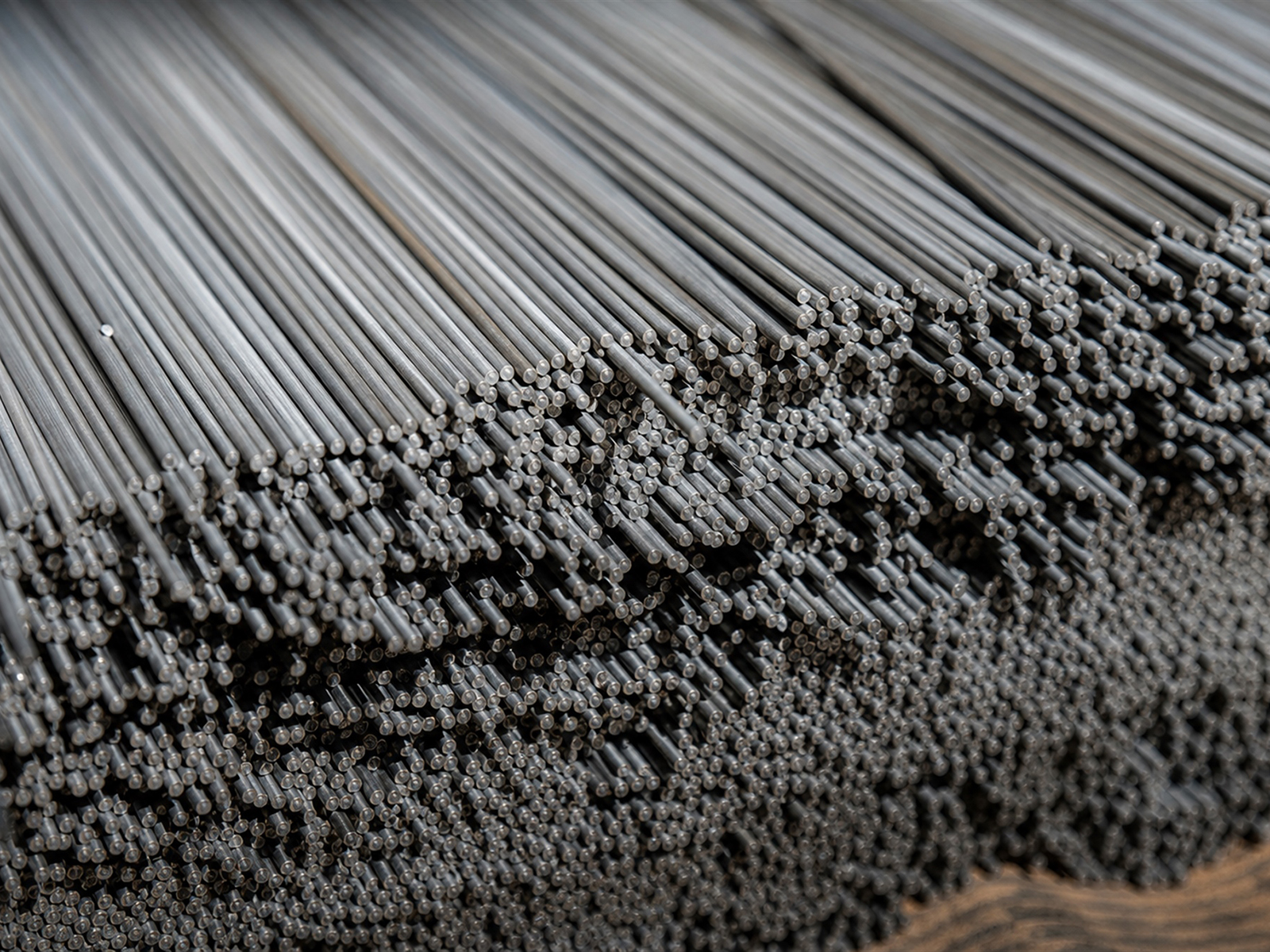
Today, with the rapid evolution of the global high-end manufacturing field, the boundaries of material performance are constantly being pushed through. As a representative product of metastable beta titanium alloy, TB13 titanium alloy rod is redefining the standards of precision engineering materials with its excellent specific strength, superelastic memory properties and excellent cold working performance. This alloy forms a stable beta phase structure at room temperature by precisely controlling the ratio of aluminum (3.0-4.5%) and vanadium (15.0-18.0%), making it show unparalleled application value in the fields of aerospace, medical equipment and high-end consumer electronics. From spectacle frame manufacturing to precision elastic components, from surgical instruments to electronic connectors, TB13 titanium rods are solving engineering problems that traditional metals cannot overcome with their unique material properties, providing ideal material solutions for manufacturers pursuing lightweight, high reliability and long service life.
1. What Should You Know About Core Material Properties and Metallurgical Basis of TB13 Titanium Alloy?
(1) What Should You Know About Superelastic Properties Endowed by Β-phase Structure?
TB13 belongs to a metastable beta titanium alloy system, and its room temperature structure is dominated by a single beta phase. This unique microstructure gives the material a superelastic strain capacity of 8-12% (test conditions: room temperature, strain rate 1×10⁻³ s⁻¹), far exceeding the 2-3% of traditional α+β titanium alloys. In repeated bending tests (load frequency 1 Hz, maximum strain 6%), TB13 titanium rods can withstand more than 10, 000 cycles without permanent deformation. This memory rebound characteristic comes from the reversible martensite transformation mechanism of the β-phase lattice. When the grain size is controlled in the range of 50-150 microns, the material exhibits the best elastic modulus (about 65-75 GPa, tested according to ASTM E111 standard), which is only one-third that of stainless steel, providing a theoretical basis for the design of lightweight elastic structures.
(2) What Should You Know About Precision Alloyed Design Balances Strength and Toughness?
As a strong beta-stabilizing element, vanadium can effectively reduce the martensite transformation temperature (Ms point is lower than room temperature) at an addition amount of 15-18%, ensuring the stable existence of the beta phase at room temperature. The 3-4.5% proportion of aluminum provides the necessary solid solution strengthening effect while avoiding the precipitation of the brittle α₂ phase caused by excessive addition. This carefully designed component system allows TB13 to maintain excellent plasticity in the solid solution state (elongation can reach 25-35%), and the tensile strength can reach 1100-1300 MPa after aging treatment, achieving a dynamic balance of strength and toughness. Strictly controlled interstitial element content (oxygen ≤ 0.20%, nitrogen ≤ 0.05%) ensures the stability of the material under extreme working conditions.
(3) What Should You Know About Purity Guarantee of Vacuum Melting Process?
The TB13 electrode prepared using vacuum consumable arc remelting (VAR) technology achieves composition homogenization and inclusion removal through multiple meltings. During the smelting process, the temperature of the titanium liquid is strictly controlled at 1750-1850℃, and the cooling rate during the ingot cooling stage is maintained at 5-8℃/minute to avoid the formation of coarse grains and segregation defects. This metallurgical process stabilizes the hydrogen content of the final rod in the range of 0.008-0.012%, effectively eliminating the risk of hydrogen embrittlement. Microstructure inspection shows that the size of non-metallic inclusions in qualified products is less than 20 microns, and the distribution density is less than 0.5/square centimeter, laying a quality foundation for subsequent precision processing and surface treatment.
Performance indicators | TB13 solid solution | TB13 aging state | 316 stainless steel (annealed) |
Density (g/cm³) | 4.82 | 4.82 | 8.00 |
Tensile strength (MPa) | 850-950 | 1100-1300 | 520-680 |
Yield strength (MPa) | 750-850 | 1000-1200 | 205-310 |
Elongation (%) | 25-35 | 12-15 | 40-50 |
Modulus of elasticity (GPa) | 65-75 | 70-80 | 193-200 |
Advanced manufacturing processes shape material properties
(4) What Should You Know About Precise Control of Thermal Processing Parameters?
The preliminary forming of TB13 bar requires open forging in the β phase region. The β phase transformation point of this alloy is about 880-900℃, so the forging temperature is selected in the range of 850-950℃. In this temperature range, the material flow stress is reduced to 150-200 MPa, which is beneficial to eliminating defects in the as-cast structure. When the forging ratio is controlled between 3: 1 and 5: 1, coarse grains can be effectively broken and a fibrous streamlined structure can be formed. The subsequent hot rolling process adopts a multi-pass small deformation strategy. The single-pass reduction rate is maintained at 15-25%, and the cumulative deformation reaches 70-85%. Deformation temperature gradient management is crucial-from the initial rolling temperature of 900℃ to the final rolling temperature of 780℃. This decreasing temperature control ensures the stable inheritance of the β-phase structure and avoids uneven precipitation of the α-phase.
(5) What Should You Know About Performance Improvement Mechanism of Cold Working Process?
The most significant advantage of TB13 is its excellent cold working ability. After solution treatment, the material can withstand up to 80% cold deformation without cracking. This characteristic is due to the high-level dislocation energy of the β phase and the easy activation of dislocation slip. The cold drawing process adopts a multi-mode multiple diameter reduction method, and the single diameter reduction rate is controlled at 12-18%. In the middle, a stress relief annealing at 350-400℃ (1 hour of heat preservation, air cooling) is performed. This temperature is lower than the recrystallization temperature (about 550℃), which can effectively release processing stress without changing the grain structure. This work hardening phenomenon linearly increases the material strength and the surface roughness can be optimized to Ra 0.4-0.8 microns. Precision cold rolling is used to prepare high-precision bars. The diameter tolerance can be controlled within ± 0.02 mm. The surface is free of scale and scratches, which directly meets the processing needs of high-end spectacle frames and medical devices.
(6) What Should You Know About Performance Customization of Heat Treatment Processes?
Solid solution treatment is a key link in regulating the performance of TB13. After being kept at 800-850℃ for 30-60 minutes and then quenched with water, a supersaturated beta phase solid solution can be obtained. In this state, the material’s plasticity reaches its peak. The aging treatment parameters are designed based on the target performance: Aging at 450-500℃ produces fine and dispersed α phase precipitation (precipitated particle size is about 50-100 nanometers), which increases the strength by 30-40% but retains good toughness; aging at 520-550℃ forms a coarse α phase (particle size is about 200-500 nanometers, which needs to be kept warm for more than 8 hours), and the strength reaches the maximum but the elongation drops to 12-15%. The double aging process (480℃/4 hours + 550℃/8 hours) can achieve the optimal matching of strength, plasticity and fatigue properties. Vacuum or inert atmosphere protection is necessary to prevent the surface layer from absorbing oxygen to form a brittle α shell, which will affect the overall performance stability of the material.
2. Why Is Application of TB13 in Precision Engineering Important?
(1) What Should You Know About Structural Benefits of Ultra-lightweight Design?
The density of TB13 is only 4.82 g/cm³, which is about 40% lighter than 316 stainless steel (density 8.00 g/cm³), which is of great significance for parts that require long-term wear or high-frequency movement. In the field of glasses manufacturing, TB13 titanium rods with a diameter of 1.8-2.2 mm are used to make the temples. A single pair of glasses can reduce weight by 8-12 grams (about 40% less than stainless steel frames), significantly reducing wearing pressure and improving user comfort. In aerospace applications, TB13 is used to replace traditional aluminum alloys to make load-bearing components, achieving a 25-35% structural weight reduction while maintaining the same strength. This lightweighting not only reduces energy consumption, but also reduces inertial impact under dynamic load conditions and extends the fatigue life of components. The combination of low density and high strength makes TB13 the material of choice when pursuing the ultimate performance-to-weight ratio.
(2) What Should You Know About Long-term Guarantee of Corrosion Resistance?
The dense TiO2 passivation film spontaneously formed on the surface of the titanium alloy is about 2-5 nanometers thick and remains stable in the pH range of 2-12, providing TB13 with excellent corrosion resistance. The salt spray test (5% NaCl, 35℃, according to GB/T 10125 standard) showed no obvious signs of corrosion for more than 1, 000 hours, far exceeding the 168-hour standard for stainless steel. In the human sweat simulated environment (composite solution containing sodium chloride, lactic acid, and urea), the corrosion rate of TB13 is less than 0.005 mm/year, ensuring that eyeglass frames, watch cases and other personal products will not discolor or rust after long-term use. In marine engineering applications, the pitting corrosion potential of the material in 3.5% sodium chloride solution is as high as +0.6 V (relative to the saturated calomel electrode), showing a resistance to seawater corrosion comparable to that of titanium alloy TA2, and is suitable for marine detection instruments and ship precision components.
(3) Why Is Special Value for Biocompatibility and Non-magnetic Properties Important?
TB13 strictly controls the nickel content below the detection limit (<0.01%), eliminating the risk of contact dermatitis caused by nickel ions and meeting the ISO 10993 biocompatibility standard. Cytotoxicity tests show that the material has a survival rate of more than 95% for fibroblasts and no hemolytic reaction or sensitization. This makes it an ideal choice for implantable devices such as orthodontic wires and bone nails. The paramagnetic characteristics of the material (magnetic susceptibility χ<0.0001) ensure that no magnetization occurs in a strong magnetic field environment, and there is no artifact interference during MRI examination, meeting the accuracy requirements of medical diagnosis. In the electronics industry, non-magnetic properties prevent interference with magnetically sensitive components. Shields and connectors made by TB13 show unique advantages in precision instruments. Although the low elastic modulus (65-75 GPa) is still higher than that of human cortical bone (15-30 GPa), it is significantly lower than that of 316 stainless steel (about 200 GPa), which is beneficial to reducing the stress shielding effect and promoting the integration of implants and bone tissue.
Application areas | Typical parts | critical performance requirements | TB13 advantages reflected |
high end glasses | Temples, frames, nose pads | Super elastic memory, light weight, anti-sweat corrosion, hypoallergenic | No deformation after repeated bending, 40% weight reduction, nickel-free |
medical device | Orthodontic wires, surgical instrument handles, implant stents | Biocompatible, low modulus, sterilizable, anti-fatigue | Non-cytotoxic, modulus much lower than stainless steel, resistant to high temperature and high pressure sterilization |
Precision electronics | Shrapnel, connector, micro-shaft | Highly conductive, non-magnetic, dimensionally stable, corrosion-resistant | No magnetic interference, cold processing accuracy ± 0.01mm, clean surface |
3. What Should You Know About Quality Control System for Mass Production?
(1) What Should You Know About Quality Assurance of Whole-process Testing?
The modern TB13 bar production line is equipped with complete online and offline inspection systems. The raw material end uses a direct-reading spectrometer for rapid composition analysis to ensure that the vanadium and aluminum content deviation of each batch is less than ± 0.2%. The forged blanks are inspected for internal defects through ultrasonic flaw detection, with a sensitivity reaching Φ1.0 flat-bottom hole equivalent, and semi-finished products containing metallurgical defects such as cracks and shrinkage holes are eliminated. The finished bars are 100% eddy current inspected, and surface defects with a depth of more than 0.3 mm are detected. The pass rate is stable at over 98.5%. The mechanical properties adopt a sampling inspection system for each furnace, and the tensile test, hardness test, and impact toughness assessment data are input into the quality traceability system in real time to ensure that the performance of each bar can be traced to the specific smelting batch.
(2) What Should You Know About Processing Control of Dimensional Accuracy?
The precision cold drawing process combined with the high-precision mold system enables the diameter tolerance of TB13 bar to reach h9 level (± 0.015mm when the diameter is 6mm). The straightening process uses a multi-roller tension straightening machine to control the curvature of the bar to ≤ 1.0mm/m to meet the loading requirements of automated processing equipment. The surface quality is optimized through polishing and chemical passivation treatment, with a roughness of up to Ra 0.3-0.6 microns, no scale, no scratches, and no oil stains. The length determination accuracy is ± 5 mm, the end face verticality is ≤ 2°, and the incision is burr-free. This high-precision processing capability allows customers to reduce the pre-processing steps in secondary processing and directly perform precision cutting, bending forming or welding assembly, improving production efficiency by 20-30%.
(3) What Should You Know About Functional Enhancement of Surface Treatment?
Depending on application requirements, TB13 rods are available in a variety of surface treatments. Mechanical polishing achieves a mirror effect (Ra<0.2 micron), which improves product aesthetics and is suitable for consumer electronics casings. Chemical passivation treatment strengthens the surface oxide film, improves corrosion resistance by 15-25%, and extends service life in marine environments. Anodizing technology can form a 5-15 micron colored ceramic layer on the surface, providing decoration while increasing the surface hardness to HV 300-400 and improving wear resistance by 3-5 times. Laser marking technology enables permanent marking of product information, with a character depth of 0.05-0.1 mm, without affecting the mechanical properties of the material. These surface engineering methods expand the application boundaries of TB13 and meet the differentiated needs of the high-end market.
4. Why Is Deep Expansion of Cross-industry Application Scenarios Important?
(1) Why Is Precision Applications in Medical and Health Fields Important?
Archwires used in orthodontic treatment require materials with low load, large deformation and sustained force output characteristics. The TB13 titanium wire with a diameter of 0.4-0.6 mm exerts a force of only 50-80 grams under a bending deformation of 3 mm to avoid excessive compression of the periodontal tissue. Superelasticity can keep the correction force stable throughout the entire course of treatment, reducing the frequency of follow-up visits and adjustments. The surgical instrument handles are made of TB13 rods with a diameter of 8-12 mm, which are 40% lighter than stainless steel and reduce doctor fatigue during long-term surgical operations. The material can withstand more than 500 times of high-pressure steam sterilization at 134℃ without performance degradation, meeting hospital infection control standards. Implant-grade TB13 has been specially purified to further reduce the content of interstitial elements (oxygen ≤ 0.15%). It is used to manufacture spinal fixation rods and craniofacial repair plates. After implantation, it has good tissue compatibility and no chronic inflammatory reaction.
(2) What Should You Know About Quality Upgrade of High-end Consumer Goods?
Luxury eyewear brands use TB13 to make ultra-light frames. The thickness of the temples can be reduced to 1.2-1.5 mm while maintaining sufficient strength to achieve a “senseless wearing” experience. Beta titanium’s unique mild luster and delicate touch enhance product quality and support a 30-50% price premium. The strap connector of smart wearable devices uses TB13 micro-pins (diameter 1.0-1.5 mm), which will not loosen or break during repeated disassembly and assembly, and the reliability test exceeds 50, 000 plug-in cycles. The high-end watch case is milled from TB13 bar material, and the wall thickness can be as thin as 0.8 mm. It can be used with a CNC five-axis machining center to achieve complex curved surface shapes. The surface is brushed to present a unique metallic texture. Its scratch resistance is better than that of 316L stainless steel, and it maintains high gloss after long-term wear.
(3) What Should You Know About Key Components for Industrial Manufacturing?
Elastic connectors in precision instruments require materials to maintain stable performance within the range of -40℃ to +80℃. The elastic modulus of C-shaped buckles and circlips made by TB13 changes less than 5% during temperature fluctuations, and the clamping force remains constant. The contact springs of the electronic connector are stamped and formed from TB13 strip with a thickness of 0.15-0.25 mm. The contact resistance is less than 5 milliohms and the plugging and unplugging life exceeds 10, 000 times. TB13 is used for small valve stems and sealing ring pressure plates in chemical equipment. In the coexistence environment of acidic media (pH 2-3) and high-temperature steam (150℃), the service life is 3-5 times that of ordinary stainless steel. In the field of automotive electronics, TB13 is used for sensor brackets, wiring harness buckles and other components, and the cumulative weight reduction contribution reaches 1.2-1.8 kg per vehicle, helping new energy vehicles extend their cruising range.
Processing technology | Applicable bar specifications | Process parameter recommendations | Processing Difficulties and Countermeasures |
Turning | Φ6-50mm | Cutting speed 50-80m/min, feed 0.1-0.2mm/r | Knife sticking phenomenon, use coated tools + sufficient cooling |
Milling | Φ8-40mm | Rotation speed 1500-2500rpm, tool feed speed 150-300mm/min | Tools wear quickly, use carbide or ceramic tools |
Cold heading forming | Φ3-12mm | Single deformation rate <30%, intermediate annealing 400℃/1h | Surface cracking, controlled deformation speed <50mm/s |
Precision grinding | Φ4-20mm | Grinding wheel linear speed 30-35m/s, feed amount 0.005-0.01mm | Burn risk, use minimal quantity lubrication technology |
5. What Should You Know About Industrial Chain Collaboration and Sustainable Development Trends?
(1) What Should You Know About Stability Challenges of Upstream Raw Material Supply?
The core raw material of TB13, ferrovanadium, mainly relies on the recycling of by-products from large steel companies such as Panzhihua Iron and Steel Co., Ltd. and Chenggang Iron and Steel Co., Ltd., and its price fluctuations are significantly affected by the steel industry cycle. Establishing long-term supply agreements and strategic inventory mechanisms can smooth the risk of raw material cost fluctuations. As the main titanium source, the quality of titanium sponge directly affects the performance of the alloy. Low-chlorine and high-purity titanium sponge (chlorine content <0.02%) produced by the chlorination method is preferred to avoid potential corrosion risks caused by residual chloride. The prefabrication standardization of aluminum vanadium master alloy simplifies the batching process and improves composition uniformity. One production line uses a vacuum induction furnace to pre-melt Al-V master alloy, reducing the composition deviation of the final bar from ± 0.5% to ± 0.15%.
(2) What Should You Know About Deep Integration of Intelligent Manufacturing Technology?
The modern TB13 production line integrates the industrial Internet of Things system to collect more than 500 process parameters such as rolling temperature, pressure, and speed in real time. The big data analysis algorithm establishes a correlation model between process parameters and final performance. The predictive maintenance system warns of equipment abnormalities 72 hours in advance, and the overall equipment efficiency (OEE) is increased to more than 85%. Digital twin technology simulates the organizational evolution under different heat treatment regimes, and the optimized process plan design cycle is shortened from 45 days to 12 days. The automated three-dimensional warehouse cooperates with the AGV logistics system to realize intelligent dispatching of raw materials, semi-finished products, and finished products. The inventory turnover rate increases by 30% and the energy consumption per unit product is reduced by 18%. Blockchain technology is applied to quality traceability. The production data of each bar is encrypted and uploaded to the chain. Customers can check the complete manufacturing history by scanning the QR code.
(3) What Should You Know About Environmental Protection Practice of Circular Economy Model?
The recycling value of chips and scraps generated by titanium alloy processing is significant. A scrap sorting system established by a company has increased the purity of TB13 scrap to more than 98%, and returns it to the smelting process for reuse. The comprehensive utilization rate of materials has increased from the traditional 65% to 92%. The waste acid produced in the pickling and passivation process is recovered using membrane separation technology. The titanium content recovery rate reaches 85%. The treated wastewater meets the direct discharge standard. The heat treatment furnace waste heat recovery system uses 600-800℃ high-temperature flue gas to preheat workpieces and workshop heating, saving about 120, 000 cubic meters of natural gas annually. The packaging materials use biodegradable wooden pallets and recyclable plastic protective covers to reduce the generation of disposable packaging waste. These green manufacturing practices have reduced the carbon footprint of the TB13 production process by 28% (based on a comparison of a company’s production data in 2022 and 2023), complying with the requirements of the EU carbon border adjustment mechanism and enhancing the competitiveness of the product in the international market.
6. What Is the Conclusion?
TB13 titanium alloy rod has established a unique position in the field of high-end manufacturing through precision alloy design, advanced processing technology and strict quality control. Its comprehensive properties of super-elastic memory, light weight and high strength, corrosion resistance and anti-allergy are promoting technological innovation in glasses, medical, electronics and other industries. With the deepening application of intelligent manufacturing and green production technology, this high-performance material will continue to release its value potential and become an indispensable key material for advanced engineering.
FAQ
Q1: What are the unique advantages of TB13 titanium alloy rods compared with conventional titanium alloys?
TB13 is a metastable beta titanium alloy with a superelastic strain capacity of 8-12% and a cold working deformation of up to 80%, which cannot be achieved by alpha + beta titanium alloys. Its low elastic modulus (65-75 GPa) and nickel-free component design are particularly suitable for precision applications requiring elastic memory and biocompatibility.
Q2: How to choose the heat treatment status of TB13 according to application requirements?
The solid solution state of TB13 has the best plasticity (elongation 25-35%) and is suitable for parts that require cold bending. The aging strength can reach 1100-1300 MPa and is suitable for load-bearing structural parts. Eyeglass frames usually use solid solutions to ensure elasticity, while aviation fasteners need to be strengthened over time to increase their load-bearing capacity. The elongation of the aged state is generally 12-15%, which is significantly different from that of the solid solution state. The strength and plasticity requirements need to be weighed when selecting.
Q3: What issues need to be paid attention to during machining of TB13 bar?
Titanium alloys have poor thermal conductivity and high chemical activity. Carbide or ceramic-coated tools need to be used during processing. The cutting speed is controlled at 50-80 m/min, and a large flow of coolant is used to prevent tool adhesion. Deformation processing needs to control the deformation rate of a single pass to <30% to avoid surface cracking. Strictly clean oil and dirt on the surface of the workpiece to prevent hydrocarbons from decomposing and contaminating materials at high temperatures.
7. What Should You Know About Get Customized TB13 Titanium Alloy Rods Now?
As a professional manufacturer and supplier of TB13 titanium alloy rods, Baoji Titanium Valley Titanium Nickel and Zirconium Materials Processing Co., Ltd. is equipped with a vacuum consumable arc remelting furnace, a precision cold drawing production line and a fully automatic heat treatment system. Its annual production capacity reaches 2, 500 tons, and it can provide customized services for full-size rods of Φ0.5-50mm. The products comply with AMS 4957 and ASTM F2066 standards and can be delivered in solid solution, aging and double aging states. The surface supports polishing, passivation and anodizing treatments. We serve customers in the global aerospace, medical equipment, high-end eyewear and precision electronics fields. Welcome to send technical requirements to sales@titaniumvalleys.com to obtain sample testing and professional technical support.
References
- Zhang Jianwei, Li Minghua. Research on the microstructure, properties and applications of near-β titanium alloy TB13 [J]. Rare Metal Materials and Engineering, 2021, 50(8): 2845-2852.
- Wang Shaohua, Zhao Yongqing. Optimization of biocompatibility and mechanical properties of medical β-titanium alloy [J]. Chinese Journal of Nonferrous Metals, 2020, 30(6): 1423-1431.
- Chen Guoliang, Liu Huan. Titanium alloy cold working process and its effect on microstructure[J]. Materials Science and Technology, 2019, 27(4): 56-63.
- Liu Wei, Zhang Qiang. Determination of phase transformation point and optimization of thermal processing process of β titanium alloy [J]. Progress in Titanium Industry, 2020, 37(2): 28-34.
- Yang Lei, Liu Xiaodong. Effect of titanium alloy vacuum melting process parameters on ingot quality [J]. Special Casting and Nonferrous Alloys, 2021, 41(5): 612-617.