
Why Is UNS R60702 Foil Considered a Premium Corrosion-resistant Material?
- UNS R60702 Foil
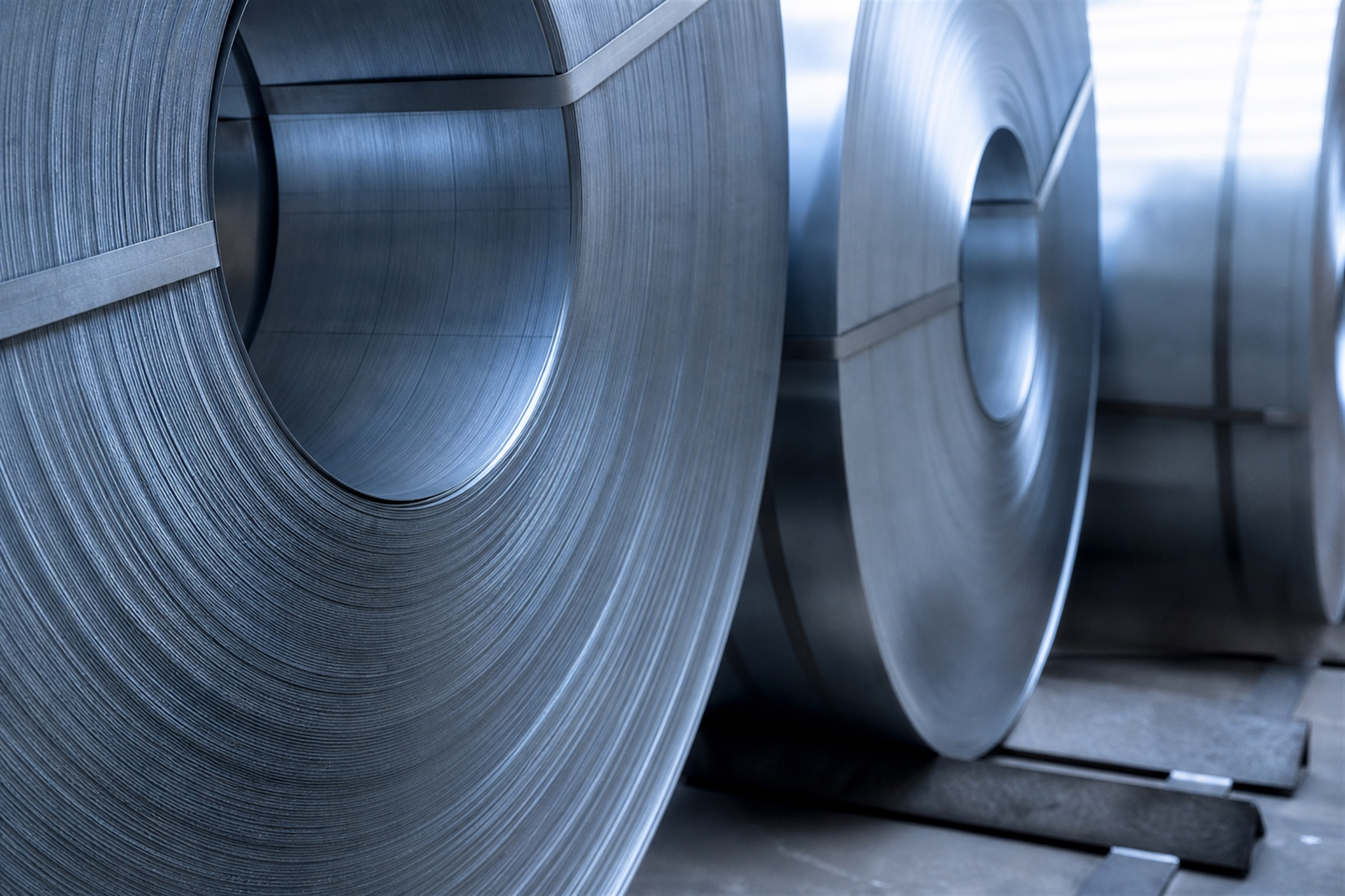
In modern industry, equipment is exposed to strong acid, high temperature and complex chemical environments for a long time. The corrosion resistance of materials directly determines the safety and economy of the system. As an industrial pure zirconium material, UNS R60702 foil has a high purity composition with a Zr+Hf content of ≥99.2%. It shows long-term stability far exceeding that of titanium alloys and stainless steel in extreme media such as hydrochloric acid, sulfuric acid, and organic acids. This material can not only maintain structural integrity in highly corrosive environments, but also has excellent formability and weldability, making it the first choice for key sealing components in chemical anti-corrosion, electrolytic plating, new energy batteries and other fields. Its physical properties of density 6.51 g/cm³ and melting point 1852℃, combined with tensile strength ≥380 MPa and elongation ≥20% in the annealed state, provide engineers with a material solution that combines reliability and processability.
1. What Should You Know About Material Nature and Chemical Stability of UNS R60702 Foils?
(1) What Should You Know About High-purity Zirconium-based Ingredients Build Corrosion-resistant Barrier?
The core advantage of UNS R60702 foil comes from its precisely controlled chemical composition system. The total content of Zr+Hf in the material is not less than 99.2%, and the hafnium content is controlled within 4.5%. This composition design enables zirconium to form a dense zirconium oxide protective film on the surface. When the material comes into contact with a strong acid medium, this passivation film, which is only a few nanometers thick, can effectively block the penetration of corrosive ions. In contrast, titanium materials can cause passive film damage due to chloride ion attack in hydrochloric acid environments, while stainless steel is unstable in mixed acid systems due to the risk of pitting corrosion.
(2) What Should You Know About Strict Control Logic for Impurity Elements?
The total amount of iron and chromium in the material is limited to less than 0.20%, and the oxygen content does not exceed 0.16%. This strict impurity control is not accidental. Excess iron will form an enriched phase at the grain boundaries and become a preferential channel for electrochemical corrosion; increased oxygen content will reduce the toughness of the material and increase the risk of stress corrosion cracking. Through the vacuum smelting process and multi-pass annealing treatment, titanium valley materials control interstitial elements such as nitrogen, carbon, and hydrogen below 0.025%, 0.05%, and 0.005% respectively to ensure the uniformity of the microstructure.
(3) What Should You Know About Analysis of the Self-healing Mechanism of Passivation Film?
The key to the long-term stability of zirconium materials in strong acid environments lies in the self-healing ability of the zirconium oxide film. When mechanical scratches or chemical erosion cause local film damage, the exposed fresh zirconium surface will react with oxygen within milliseconds to regenerate the protective layer. This process is still effective in hydrochloric acid solutions with a pH value of 1-3, and the corrosion rate can be maintained below 0.005 mm/year. Comparative tests show that under the same conditions, the corrosion rate of titanium materials reaches 0.2 mm/year, and stainless steel even suffers from perforation failure due to crevice corrosion.
(Test conditions: 20% hydrochloric acid, 60℃)
| Material type | Hydrochloric acid environment corrosion rate | Passivation film thickness | Self-healing ability |
| UNS R60702 | <0.005 mm/year | 3-5 nm | Excellent |
| Titanium Gr2 | 0.2mm/year | 2-3 nm | medium |
| 316 stainless steel | local perforation | unstable | Difference |
Note: The evaluation of self-healing ability is based on electrochemical impedance spectroscopy test results (Reference 4)
2. How Is Performance and Application Verification Under Extreme Working Conditions?
(1) What Should You Know About Long-term Stability of Strong Acid Mixed Systems?
In chemical production, equipment often faces complex media mixed with hydrochloric acid, sulfuric acid, and nitric acid. UNS R60702 foil was exposed to a mixture of hydrochloric acid and sulfuric acid with a concentration of 30% and 20% sulfuric acid. After continuous operation at 80℃ for 5000 hours, the surface roughness changed less than 0.1 um, and no signs of pitting or intergranular corrosion appeared. This stability comes from zirconium’s dual resistance to chloride ions and sulfate ions. In an actual case, a pharmaceutical company used this material to make reactor sealing gaskets. The service life was extended from 18 months for titanium materials to more than 5 years, and the frequency of maintenance was reduced by 70%.
(2) What Should You Know About Structural Integrity in High Temperature and Highly Corrosive Environments?
The working temperature of electrolytic cells in the electrolytic plating industry often reaches 90-110℃, accompanied by high-concentration acidic electrolytes. The 0.3mm thick UNS R60702 foil performed well in this environment: the tensile strength remained above 360 MPa, the elongation maintained at 22%, and no creep deformation occurred. The material’s high melting point of 1852℃ and stable hexagonal close-packed (HCP) crystal structure (transformed into body-centered cubic BCC at high temperatures) ensure that its mechanical properties do not degrade in the medium to high temperature range.
(3) What Should You Know About Resistance to Stress Corrosion in Seawater and Chloride Environments?
Marine engineering and seawater desalination systems face long-term risks of chloride ion erosion and stress corrosion cracking. The slow strain rate test of UNS R60702 foil in 3.5% sodium chloride solution shows that its stress corrosion sensitivity index is lower than 0.1, which is much better than the 0.6-0.8 of austenitic stainless steel. A seawater desalination device uses this material to make multi-effect distiller seals, which have been running continuously for 8 years without leakage, while the original titanium alloy seals need to be replaced every three years on average.
| Application scenarios | Service life (UNS R60702) | Compare material life | cost advantage |
| Pharmaceutical reactor gasket | 5 years+ | Titanium 18 months | Reduce maintenance costs by 70% |
| Electrolyzer electrode lining | Continuous operation for 3 years+ | Stainless steel 1.5 years | Reduce downtime costs |
| Desalination seals | 8 years+ | Titanium alloy 3 years | Extend the maintenance cycle |
3. What Should You Know About Breakthrough in Manufacturing Technology for Ultra-thin Wide-format Foils?
(1) What Should You Know About Thickness Control Capability of 20-roll Finishing Rolling Process?
The core of achieving stable mass production of ultra-thin specifications of 0.02-0.8mm lies in precision rolling technology. As a professional high-end rare metal processing supplier, Titanium Valley introduced a 750mm 20-roller finishing mill, which uses a multi-stage configuration of support rolls and work rolls to evenly distribute the rolling pressure on the 670mm width foil. The thickness tolerance is controlled at +/-0.001mm, which exceeds the industry standard of +/-0.005mm for traditional four-high rolling mills. In the multi-pass cold rolling process, the reduction rate of each pass is controlled at 10-15%, and intermediate annealing is used to eliminate work hardening, ensuring the recovery of material ductility while avoiding abnormal grain growth.
(2) What Should You Know About Microstructure Uniformity Guarantee of Vacuum Annealing?
Zirconium materials can easily absorb oxygen and nitrogen elements during the annealing process, resulting in embrittlement and surface discoloration. Titanium Valley adopts a continuous annealing furnace with a vacuum degree of ≤5×10⁻³ Pa. The temperature control accuracy is +/-2℃. The heating rate and holding time are dynamically adjusted according to the thickness of the foil. After the 0.5mm specification product was kept at 650℃ for 2 hours, the metallographic structure showed uniform equiaxed grains, and the average grain size reached ASTM grade 8-9. This refined heat treatment makes the standard deviation of the material’s tensile strength less than 5 MPa, the elongation fluctuation is controlled within +/-2 percentage points, and the batch consistency is significantly improved.
(3) What Should You Know About Surface Cleanliness and Edge Quality Control?
The surface quality of ultra-thin foil directly affects sealing performance and welding reliability. The ultrasonic cleaning system equipped on the production line removes rolling oil residues through 40kHz frequency cavitation. The alkali cleaning process further eliminates the oxide layer, stabilizing the surface dyne value at 40 (passing the dyne pen test and complying with ASTM D7491 standards), meeting the needs of high-precision stamping and diffusion welding. The slitting process uses carbide blades and an automatic tension compensation system to solve the problems of edge burrs and wavy edges of ultra-thin materials. Actual measurement data shows that the edge straightness of 0.05mm specification foil is ≤0.3mm/m, and the edge trimming quality reaches medical device grade standards.
4. How Is Customized Processing Capabilities and Engineering Application Support?
(1) What Are the Custom Development of Extremely Thin Specifications?
For the fields of vacuum electronics and precision instruments, Titanium Valley can provide customized services for ultra-thin foils with a thickness of 0.005mm. Stable production of this specification requires overcoming multiple challenges such as material wrinkling, uneven thickness, and electrostatic adsorption. By optimizing the distribution of rolling passes, increasing the frequency of intermediate annealing, and using an anti-static coated roller system, the team successfully controlled the thickness deviation of ultra-thin foils within +/-0.0005mm. A semiconductor equipment manufacturer uses 0.008mm zirconium foil to make vacuum chamber shields. Its non-magnetic properties and low gas release rate meet the needs of ultra-high vacuum environments.
(2) What Should You Know About Flatness Optimization of Wide Materials?
Large sealing surfaces of chemical equipment require materials with a width of more than 600mm and excellent flatness. Titanium Valley’s high-precision flattening line is equipped with a hydraulic servo system that applies alternating bending stress to the foil through a 19-roller straightener to eliminate warpage caused by internal stress. The processed 670mm wide foil has a flatness of ≤3mm/m, which meets the one-time stamping and forming requirements for large reactor flange gaskets. This wide-width flattening capability increases material utilization to 92% and reduces leakage risks caused by spliced welds.
(3) What Should You Know About Surface Functionalization Extension?
According to different application scenarios, the material can be treated with glossy, matt, sandblasting and other surface treatments. The electrochemical polishing process reduces the surface roughness Ra to 0.2um, which is suitable for high-purity chemical pipeline linings; the sandblasting process increases the surface area to 3-5 times the original, increasing the active site density of the catalyst carrier. A new energy company used sandblasted 0.1mm zirconium foil as the base material for fuel cell bipolar plate coating. The contact resistance was reduced by 40% and the power density of the battery stack was increased by 15%.
| Custom type | Technical parameters | Application areas | Performance improvements |
| Ultra-thin specifications | 0.005-0.01mm | Vacuum electronics/precision instruments | Meet ultra-high vacuum needs |
| Extra wide web | Width 600-670mm | Large chemical equipment | Reduce splicing and improve sealing |
| functional surface | Roughness Ra 0.2-5um | Catalyst carrier/battery materials | Enhance electrochemical performance |
5. What Are the Full Life Cycle Cost Advantage and Industrial Value?
(1) What Should You Know About Economic Benefits From Extended Service Life?
Although the unit price of UNS R60702 foil is higher than that of ordinary metal, its ultra-long service life significantly reduces the whole life cycle cost. Taking a chemical plant with an annual output of 50, 000 tons as an example, using 50 pieces of reactor sealing gaskets made of zirconium foil will increase the initial investment by about 120, 000 yuan, but the labor costs, downtime losses, and spare parts inventory saved by five years of maintenance-free operation will total 800, 000 yuan. More importantly, environmental pollution fines and brand reputation losses caused by leakage accidents are avoided. This hidden value is difficult to quantify but is of great significance.
(2) What Should You Know About the Value of Pollution Control in High-purity Environments?
The pharmaceutical and semiconductor industries have strict restrictions on metal ion precipitation. The ion dissolution of UNS R60702 foil in the pH range of 2-12 is <0.01 ppm (detected by ICP-MS and based on ASTM G71 immersion test), which is much lower than the 5-10 ppm of stainless steel and the 0.5 ppm of titanium. After a biopharmaceutical company switched to zirconium foil for the stirring shaft seal of fermentation tanks, the content of metal impurities in the product dropped by 92%, and the batch qualification rate for FDA certification increased from 78% to 99.5%. The added value created by this material purity advantage in the production of high-value pharmaceutical intermediates far exceeds the cost difference of the material itself.
(3) What Should You Know About Technology Spillover Effects of Industrial Chain Collaboration?
Titanium Valley’s annual production capacity of 500 tons (zirconium foil) is guaranteed, providing a stable supply basis for downstream equipment manufacturers. An electrolysis equipment manufacturing company developed a modular zirconium electrode assembly based on a long-term supply agreement, shortening the electrolytic cell assembly cycle by 30%. This deep supply chain collaboration also promotes the common progress of welding processes and surface modification technologies. In the hydrogen energy industry chain, proton exchange membrane electrolyzers use zirconium foil as the porous transmission layer substrate. Its corrosion resistance allows the electrolyzer life to exceed 60, 000 hours, providing key material support for reducing the cost of green hydrogen to US$2/kg.
6. What Is the Conclusion?
UNS R60702 foil has established its irreplaceable status in extreme corrosive conditions by virtue of its passivation protection mechanism constructed with high-purity zirconium-based components, its long-term stability in strong acid mixture systems and high-temperature environments, and its precision manufacturing capabilities in ultra-thin and wide specifications. The full-process quality control of materials from composition control, structure optimization to surface treatment, combined with customized processing services, provides a reliable and economical engineering material system for chemical anti-corrosion, electrolytic energy, high-purity manufacturing and other fields.
FAQ
Q1: What is the performance difference between UNS R60702 foil and titanium foil in hydrochloric acid environment?
In hydrochloric acid with a concentration of 20% and a temperature of 60℃, the corrosion rate of UNS R60702 is <0.005 mm/year, while the corrosion rate of titanium Gr2 reaches 0.2 mm/year. The service life of zirconium materials can be extended by more than 40 times. The zirconium oxide film on the zirconium surface is much more resistant to chloride ions than the titanium oxide film on titanium.
Q2: Will ultra-thin zirconium foil (such as 0.05mm) affect the corrosion resistance?
Reducing the thickness will not weaken the intrinsic corrosion resistance of the material. The key is to maintain the uniformity of the microstructure. Through vacuum annealing and precision rolling control, the passivation film integrity of ultra-thin foil is consistent with that of bulk materials, and the stress distribution of the thin-walled structure is more uniform, which in turn reduces the risk of stress corrosion.
Q3: Does zirconium foil require special welding process when used in the electrolysis industry?
It is recommended to use argon arc welding or resistance welding for zirconium materials. The purity of the protective gas should be ≥99.99% to avoid oxygen and nitrogen pollution. Welded joints need to be annealed to eliminate residual stress. Titanium Valley can provide welding process parameter packages and sample testing services to ensure that the corrosion resistance of the weld is consistent with that of the base material.
7. Looking for a Reliable UNS R60702 Foil Manufacturer?
As a professional high-end rare metal processing supplier, Titanium Valley is equipped with a world-class 20-roll finishing production line with an annual production capacity of 500 tons, and provides full-specification customization services of 0.02-1.0mm. Our technical team can provide material selection and process optimization suggestions based on your specific working conditions.
Contact email: sales@titaniumvalleys. com
For a broader view of available grades, supply forms, and related specifications, explore our Zirconium Foil category.
References
- Chen Zhigang, Wang Haifeng. Research on the application of zirconium and zirconium alloys in highly corrosive media [J]. Rare Metal Materials and Engineering, 2021, 50(3): 1124-1130.
- Liu Yang, Zhao Wei. Research on the corrosion behavior of zirconium alloy in chemical equipment [J]. Corrosion Science and Protection Technology, 2020, 32(4): 345-352.
- Li Minghua, Zhang Jianguo. Ultra-thin zirconium foil precision rolling technology and microstructure and property control [J]. Chinese Journal of Nonferrous Metals, 2022, 32(7): 2018-2026.
- Wang Qiang, Chen Lei. Advanced manufacturing technology of zirconium foil for electrochemical applications[J]. Materials Herald, 2019, 33(12): 2010-2018.