
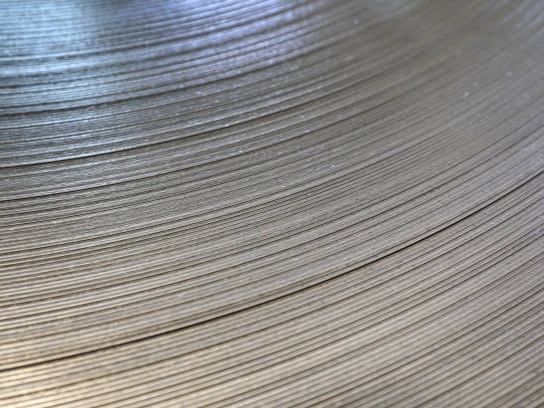
Nickel 200 foil is an ultra-thin metal strip. Factories produce it with multiple precision rolling passes from high-purity commercial nickel. Its combined nickel and cobalt content hits at least 99.0%.
As commercial pure nickel, it delivers great electrical conductivity, strong corrosion resistance and steady processing performance. It stays stable in electrochemical environments, conducts electricity well and resists corrosion in alkaline liquids. These strengths make it a core material for special batteries, precision electronics and chemical anti-corrosion equipment.
It carries higher electrical conductivity and better chemical stability than titanium foil and other metal foils. It fits applications that need steady electric current flow.
The new energy industry and high-end manufacturing expand fast. Market demand for Nickel 200 foil keeps rising year by year.
I. Core Properties of Nickel 200 Foil
1. High-Purity Chemical Composition Secures Stable Performance
Nickel 200 foil carries UNS grade N02200. Its combined nickel and cobalt content stands at no less than 99.0%. It meets global standards ASTM B162 and Chinese standard GB/T 5235.
Factories set strict upper limits for all impurity elements: carbon ≤0.15%, iron ≤0.40%, copper ≤0.25%, manganese ≤0.35%, sulfur ≤0.01%, silicon ≤0.35%.
This tight composition control keeps the material steady inside corrosive environments. It stops impurities from interfering with electrochemical reactions.
This chemical formula gives Nickel 200 strong alkali resistance and good forming plasticity for working temperatures between room temperature and 315°C.
Pick Nickel 201 (UNS N02201) if your working temperature exceeds 315°C. Nickel 201 holds carbon content ≤0.02%. It prevents material brittleness from grain boundary graphitization under high heat.
Data source: ASTM B162-2020
2. Great Electrical Conductivity Meets Current Transmission Needs
Nickel 200 foil is commercial pure nickel with solid conductive performance.
Its density equals 8.89 g/cm³, and its melting point sits near 1455°C.
Pure nickel has electrical conductivity of 140,000 S/cm, equal to 25% IACS. Its conductivity falls below copper, yet it brings unique strengths for special battery tabs. It welds easily, resists rust and holds steady resistance values.
Engineers split two working cases to judge current carrying capacity:
Short-term pulse discharge covers high-rate power battery discharge. Industry design data sets safe current load for nickel tabs at 11–13 A/mm².
Continuous running conditions need separate checks for allowable current density. Engineers base checks on heat dissipation and acceptable temperature rise. The actual value stays far lower than 11–13 A/mm² in most cases.
Nickel 200 foil mainly makes connecting parts for nickel-metal hydride batteries, nickel-cadmium batteries and special batteries.
Lithium-ion batteries use copper foil for negative electrodes and aluminum foil for positive electrodes. Manufacturers use nickel foil for special designs or surface coating layers.
3. Strong Corrosion Resistance in High-Alkali Environments
Nickel 200 foil fights corrosion well inside alkaline liquids, seawater and neutral solutions.
It outperforms regular stainless steel and aluminum alloy in thin alkali and medium-concentration alkali liquids from room temperature to medium heat.
It maintains reliable anti-rust performance in strong alkali liquids like sodium hydroxide.
Note this key limit: corrosion speeds jump sharply in hot concentrated alkali. The risk rises when alkali concentration tops 50% and temperature exceeds 100%. Run full risk assessments before using Nickel 200 foil here.
This anti-corrosion trait makes it widely used for electrolytic cell cathode parts, lining layers of chemical equipment and food & pharmaceutical machinery. It extends equipment service life and cuts maintenance costs.
Typical Mechanical Properties of Annealed Nickel 200 Foil
| Performance Index | Annealed State (M) | Cold Worked State (Y) | Unit |
|---|---|---|---|
| Tensile Strength | ≥380 (typical range: 380–480) | 500–600 | MPa |
| Yield Strength | ≥130 | Values shift widely based on rolling reduction. Check full product specification sheets. | MPa |
| Elongation | ≥30 | ≥8 | % |
| Density | 8.89 | 8.89 | g/cm³ |
| Melting Point | 1455 | 1455 | °C |
4. Superior Formability and Wide Processing Compatibility
Annealed Nickel 200 foil delivers high ductility with elongation above 30%. It fits complex forming work including stamping and bending.
Intermediate annealing steps control work hardening effectively and preserve material plasticity.
Surface cleaning treatments create ultra-clean foil surfaces. The clean surface supports spot welding, laser welding and automatic welding lines.
Nickel 200 foil hardens quickly during room-temperature processing. Add intermediate annealing after repeated forming steps. This step lowers cracking risks.
5. High-Temperature Stability and Material Selection Guidance
Nickel 200 foil grows a tight nickel oxide film on its surface between 300°C and 500°C. This thin film offers basic protection for the base metal.
Oxidation speeds rise fast when the material sits in open air at 700°C.
Long-term service above 400°C inside sulfur-rich or carbon-rich gas creates heavy corrosion risks. Switch to Nickel 201 or nickel-based high-temperature alloys for such working environments.
Heating elements, vacuum devices and other high-temperature equipment require full reviews of operating temperature and gas conditions before selecting Nickel 200 foil.
II. Precision Manufacturing Processes for Nickel 200 Foil
1. 20-High Precision Mill Produces Ultra-Thin Wide Foil
Factories use 750 mm 20-high precision rolling mills. The production flow combines multiple cold rolling passes and intermediate annealing treatments.
This stable process outputs ultra-thin wide foil. Thickness ranges from 0.03 mm to 0.8 mm, and width ranges from 350 mm to 670 mm. Precision-grade thickness tolerance hits ±0.002–0.005 mm.
This rolling technology fixes three core production challenges: springback control during ultra-thin rolling, flatness management and consistent material performance across all products.
National standard GB/T 2072-2020 sets clear thickness tolerance rules for nickel and nickel alloy strips and foils. Products under 0.02 mm thick reach high-precision tolerance ±0.002 mm. Foils narrower than 300 mm follow width deviation rules listed in Standard Table 2.
2. High-Precision Thickness Control System Guarantees Dimensional Stability
Factories install full high-precision thickness control systems. The system tracks real-time thickness changes during rolling. Closed-loop feedback adjustments balance thickness for every foil roll and keep uniform specs across all production batches.
Full-process inspection covers dimensions, surface quality and mechanical performance. It meets strict stability requirements from high-end industrial buyers.
3. Continuous Cleaning and Annealing Lines Ensure Ultra-Clean Surfaces
Production lines pair ultrasonic washing and alkali liquid treatment. The process fully removes surface oil stains and tiny impurities to create spotless foil surfaces.
Continuous annealing runs under protective gas. This step improves foil ductility and strength and keeps uniform surface color across the whole roll.
Ultra-clean surfaces satisfy strict surface standards from electronics, precision instruments and electrochemical industries.
Buyers can run extra surface cleaning before use if needed. Extra cleaning stops oil stains from hurting electrical conductivity and welding quality.
Standard Size Reference for Nickel 200 Foil
| Size Parameter | Standard Available Sizes | Custom Made Sizes |
|---|---|---|
| Thickness Range | 0.03–0.8 mm | 0.01–0.03 mm |
| Width Range | 350–670 mm | Made to customer orders |
| Main Application | Industrial conductive frames, chemical anti-corrosion lining | Tiny precision micro components |
| Supply Form | Full rolls / Cut sheets to fixed lengths | Full rolls / Cut sheets to fixed lengths |
4. Precision Slitting Technology Fits Ultra-Thin Material Processing
Manufacturers deploy high-precision slitting lines built for ultra-thin metal foils. The equipment limits slitting burrs and edge defects. It delivers accurate slitting results and steady finished product rates for mass production.
Flattening steps further boost foil flatness. The finished product meets dual customer standards for precise dimensions and clean surface finish.
III. Core Applications of Nickel 200 Foil Across Industries
1. Key Material for Special Batteries and New Energy Batteries
Manufacturers use Nickel 200 foil to build battery tabs and connecting sheets for nickel-metal hydride batteries, nickel-cadmium batteries and custom special batteries.
Nickel tabs support safe short pulse current load of 11–13 A/mm². Its strong conductive property delivers steady current flow and cuts connection resistance.
Its great welding ability matches fast automatic welding production lines.
Lithium-ion batteries use copper foil on negative electrodes and aluminum foil on positive electrodes. Engineers pick nickel foil for special battery designs or surface coating layers.
Its natural anti-corrosion property extends the full service life of all battery systems.

2. Precision Connectors and EMI Shielding for Electronics & Electrical Devices
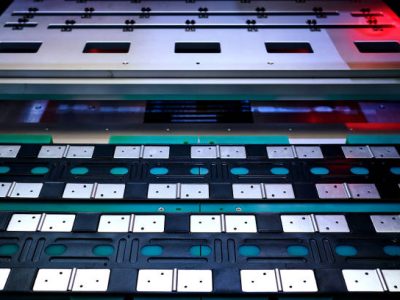
Electronic manufacturers fabricate EMI shielding layers, electrode parts and precision connectors from Nickel 200 foil.
High electrical conductivity and stable electrical performance cut signal interference and support reliable electronic device operation.
Good forming performance enables micro stamping and ultra-precision machining. It meets miniaturization and high-precision demands of 3C electronics, communication hardware and precision measuring instruments.
3. Anti-Corrosion Parts for Chemical and Electrolysis Industries
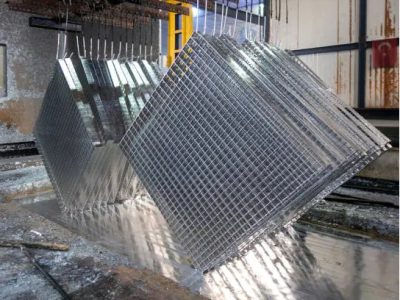
Chemical factories make electrolytic cell cathode frames and reactor lining layers from Nickel 200 foil to resist corrosion.
Chlor-alkali industry relies on nickel as core cathode material such as nickel mesh. Nickel stands strong against harsh high-alkali liquids.
It delivers long service life inside high-alkali and reduction chemical environments thanks to its anti-corrosion strength.
High material purity removes contamination risks. It satisfies strict cleanliness rules for food processing equipment, pharmaceutical machines and high-purity chemical production lines.
4. High-Temperature Parts for Heating and Vacuum Equipment
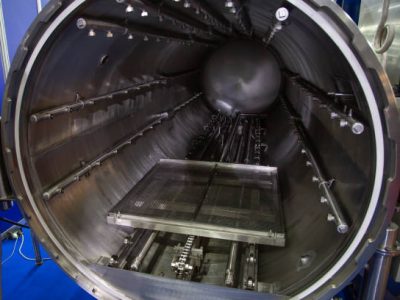
Equipment makers build heating elements and high-temperature hardware with Nickel 200 foil.
Follow this usage rule: do not run Nickel 200 foil continuously above 315°C in open air. Switch to Nickel 201 foil (carbon ≤0.02%) for higher temperatures.
Oxidation speeds rise rapidly with long-term service over 400°C in air, and the foil will wear out faster.
Full working condition reviews and proper material selection lift the safety and reliability of the whole equipment system.
5. High-Precision Structural Parts for Precision Manufacturing
Precision component factories produce micro stamped pieces and high-accuracy structural assemblies from Nickel 200 foil.
Annealed foil holds high ductility for stable forming work. Cold-worked foil offers higher mechanical strength.
Strict dimensional tolerance control and consistent surface quality meet tough accuracy and reliability standards of aerospace hardware, medical devices and precision machinery parts.
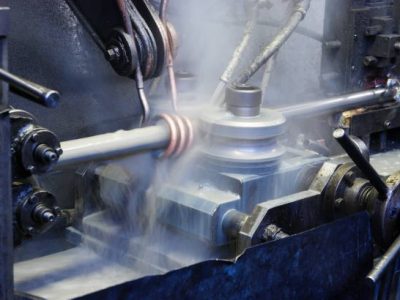
Recommended Core Uses of Nickel 200 Foil by Industry
| Industry Field | Typical End Products | Required Core Properties | Recommended Thickness |
|---|---|---|---|
| New Energy & Special Batteries | Battery Tabs, Connection Sheets | High conductivity, good weldability | 0.03–0.15 mm |
| Electronics & Electrical Hardware | EMI Shielding Sheets, Precision Connectors | Electrical conductivity, flexible forming | 0.05–0.30 mm |
| Chemical & Electrolysis | Electrolytic Cell Cathode Frames, Anti-Corrosion Lining | Strong alkali resistance, high purity | 0.10–0.50 mm |
| Heating & Vacuum Equipment | Heating Elements, High-Temperature Parts (≤315°C) | Stable performance under moderate heat | 0.15–0.80 mm |
| Precision Manufacturing | Micro Stamped Parts, High-Precision Structures | Precise dimensions, high ductility | 0.03–0.30 mm |
IV. Performance Comparison Between Nickel 200 Foil and Other Metal Foils
1. Electrical Conductivity
Nickel 200 foil beats titanium foil by a wide margin on electrical conductivity. Titanium only carries 3% to 4% of pure nickel’s conductivity value.
Its superior conductive performance makes Nickel 200 foil the top pick for special battery tabs, electrodes and conductive structural frames.
2. Corrosion Resistance
Titanium foil works best inside strong oxidizing acids and seawater. Nickel 200 foil takes the lead inside alkaline and reduction environments.
It resists rust far better than most common metal materials in sodium hydroxide liquid, ammonia water and other alkaline solutions.
Engineers select either foil type after studying exact working conditions to match different application demands.
3. Balance Between Density and Mechanical Strength
Titanium foil has low density at roughly 4.5 g/cm³. It fits lightweight structural projects.
Nickel 200 foil carries higher density of 8.89 g/cm³. It provides stronger electrical conductivity and better chemical stability.
Material selection requires balanced review of density, mechanical strength, conductivity and anti-corrosion ability to match specific project needs.
4. Overall Cost Efficiency
Nickel 200 foil costs more than regular stainless steel raw materials but less than premium titanium alloy.
When buyers count long service life, low maintenance costs and steady performance, Nickel 200 foil brings competitive total cost advantages for electrochemical and conductive applications.
Mass production capacity secures stable stock supply. It supports long-term cost control for large-scale industrial projects.
5. Processing Performance Comparison
Nickel 200 foil delivers better forming ability and welding performance than titanium foil. Its annealed state holds elongation above 30% to support complex stamping and bending steps.
Titanium foil has solid ductility yet demands stricter welding rules. Welders need inert shielding gas during every welding pass.
Nickel 200 foil’s flexible processing and simple welding steps cut manufacturing difficulty and lower overall production costs.
V. Key Standards to Pick Reliable Nickel 200 Foil Suppliers
1. Production Line Technology and Equipment Grade
Trusted suppliers run advanced manufacturing equipment. The list includes 20-high precision rolling mills, continuous cleaning & annealing lines, flattening machines and precision slitting lines.
Equipment technical levels directly shape product thickness tolerance, foil flatness control and surface finish quality.
Full-process inspection systems guarantee uniform product quality across all production batches.
2. Thickness Tolerance Control and Flatness Management
Precise thickness tolerance control acts as a core marker of a supplier’s technical strength.
Ultra-thin rolling demands deep process experience to manage springback, foil flatness and consistent material performance.
Check Section II “Precision Manufacturing Processes” for full details of thickness tolerance grades and high-precision index rules.
3. Surface Cleanliness and Surface Treatment Technology
Surface oil stains and tiny impurities hurt electrical conductivity, welding quality and electrochemical stability.
Qualified suppliers adopt ultrasonic washing to maintain ultra-clean foil surfaces. All annealing processes run under protective gas to create uniform metal grain structure and consistent surface finish. This process meets strict surface standards for electronics, precision instruments and high-cleanliness industrial projects.
4. Quality Certifications and Standard Compliance
Reliable suppliers follow global and domestic standards: ASTM B162, GB/T 5235, GB/T 2072. They hold full ISO quality management system certifications.
They provide complete material test reports covering chemical composition, mechanical property and surface quality inspection data.
Standard compliance and full quality traceability systems secure stable product performance and cut risks for end users.
5. Custom Processing Service and Stable Product Supply
Buyers should check a supplier’s custom processing capacity. Available custom services cover special thickness, custom width, tailored surface treatment and custom slitting work.
Large steady production capacity meets bulk order delivery demands. One-stop custom processing services shorten delivery cycles and lower communication costs between buyers and suppliers.
FAQ
1. What differences exist between Nickel 200 foil and stainless steel foil on corrosion resistance?
Nickel 200 foil resists corrosion far better than stainless steel inside strong alkaline liquids such as sodium hydroxide solutions. It fits electrolytic cell cathode frames and chemical equipment lining layers perfectly.
Stainless steel works well in neutral and weak acid environments. It develops rust easily inside strong alkali and reduction chemical media.
Nickel 200 foil’s high purity (Ni+Co ≥99.0%) keeps its performance steady for all electrochemical projects.
2. How to select the right thickness grade for Nickel 200 foil?
We offer targeted thickness suggestions for different use cases:
- New energy & special battery tabs: 0.03–0.15 mm, balances conductivity and forming ability
- EMI shielding sheets & precision connectors: 0.05–0.30 mm
- Electrolysis cell cathode frames for chemical projects: 0.10–0.50 mm, balances mechanical strength and alkali resistance
- Heating elements for working temperatures ≤315°C: 0.15–0.80 mmChoose Nickel 201 foil if working temperatures rise above 315°C. Long-term use of Nickel 200 foil above this temperature speeds up oxidation and triggers grain boundary graphitization risks.
3. How is the welding performance of Nickel 200 foil?
Nickel 200 foil carries excellent welding performance. It works with spot welding, laser welding, TIG welding and other common welding methods.
Annealed foil holds high ductility and rarely cracks during welding work.
Clean all welding surfaces fully before welding. Use argon shielding gas to stop high-temperature oxidation and get consistent solid welding results.
Tight control of welding heat input and inter-pass temperature guarantees high-quality weld joints.
Run post-weld stress relief annealing for parts that demand strong welding strength.
Searching for Trusted Nickel 200 Foil Manufacturers?
Baoji Titanium Valley Titanium Nickel Zirconium Material Processing Co., Ltd. acts as a professional supplier of high-end nickel foil products.
We install world-class 20-high precision rolling mills and hit an annual production capacity of 3,000 tons.
We supply ultra-thin wide foil products with thickness 0.03–0.8 mm and width 350–670 mm. We also provide full custom processing services.
All our nickel foil meets ASTM B162 standards and holds ISO quality certifications. We deliver stable product supply to aerospace, new energy and precision electronics clients worldwide.
Contact us: sales@titaniumvalleys.com
References
- ASTM International. ASTM B162-2020: Standard Specification for Nickel Plate, Sheet, and Strip[S]. West Conshohocken: ASTM International, 2020.
- GB/T 5235-2021 Designation and Chemical Composition of Wrought Nickel and Nickel Alloys[S]. Beijing: China Standards Press, 2021.
- GB/T 2072-2020 Nickel and Nickel Alloy Strips and Foils[S]. Beijing: China Standards Press, 2020.
- Zhou Wei, Liu Yan. Production Line Technology and Equipment for Nickel and Nickel Alloy Plates & Strips[J]. Non-Ferrous Metals Processing, 2014(03).
- Geng Shujiang, Zhu Shenglong, Wang Fuhui. High-Temperature Oxidation Behavior of Pure Nickel and Its Sputtered Nanocrystalline Layers[J]. Chinese Journal of Corrosion and Protection, 2003(06).
- China Nonferrous Metals Industry Association. Standard Compilation for Wrought Nickel and Nickel Alloy Products[M]. Beijing: China Standards Press, 2020.