
Gr5 Titanium Wire for WAAM Additive Manufacturing: Opening a New Era of Metal 3D Printing
- Gr5 titanium wire
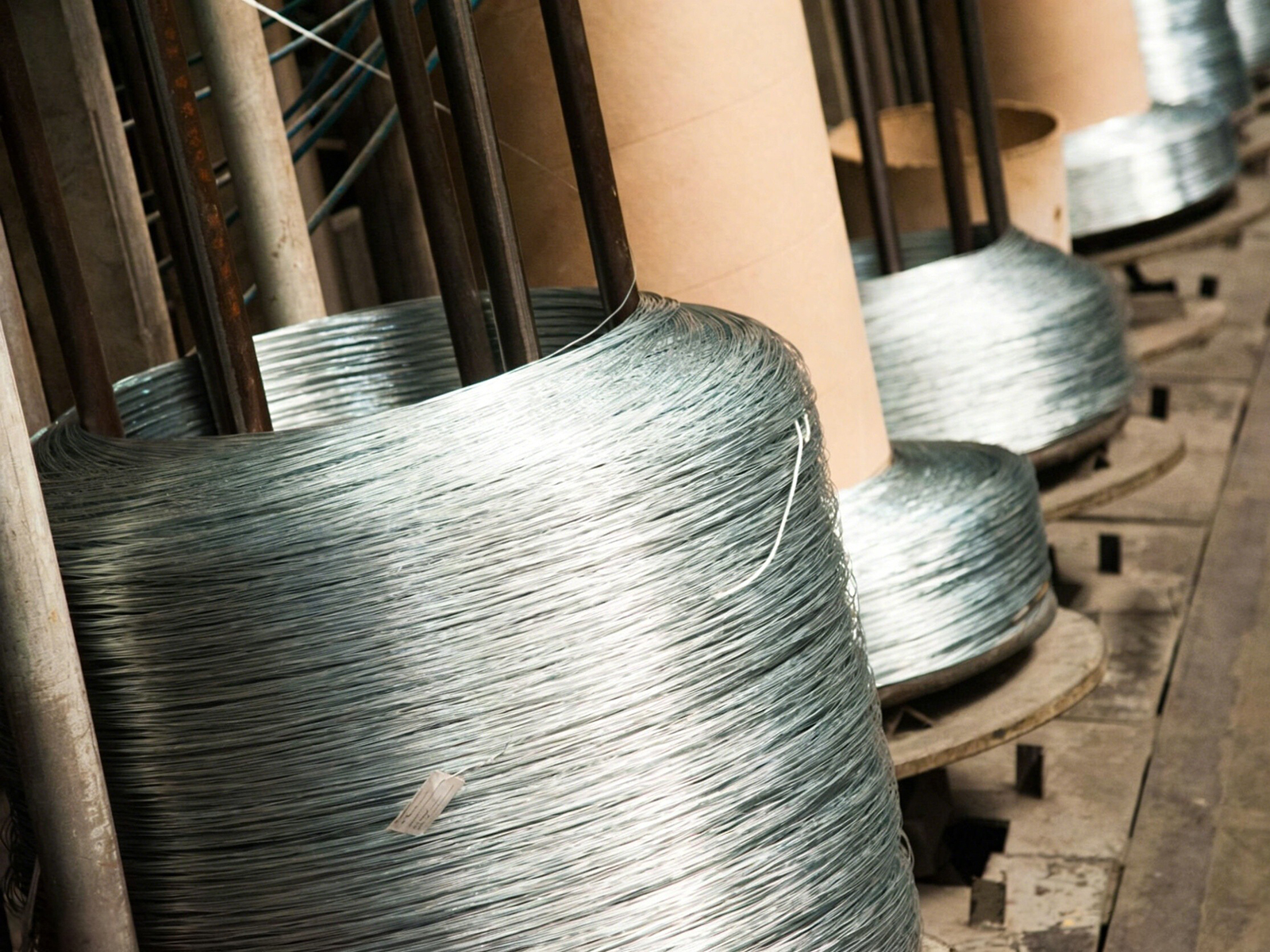
Gr5 Titanium Wire Wire Arc Additive Manufacturing (WAAM) is emerging as a leading technology for producing large-scale titanium components with high deposition rates and excellent mechanical properties. Gr5 (Ti-6Al-4V) titanium wire serves as the primary feedstock material for WAAM processes, offering an optimal balance of strength, weldability, and process compatibility. This article examines the role of Gr5 titanium wire in WAAM additive manufacturing and the technical advantages it brings to metal 3D printing applications.
1. WAAM Process Fundamentals
(1) Wire Feed Mechanism and Deposition Physics
In WAAM, Gr5 titanium wire is fed through a standard welding torch and melted by an electric arc (GMAW, GTAW, or plasma arc). The molten metal deposits layer by layer onto a substrate, building complex 3D geometries. Deposition rates of 2-10 kg/hour are achievable, significantly exceeding powder-bed laser systems (0.1-1 kg/hour). Wire diameter typically ranges from 0.8 to 2.4 mm, with surface quality requirements matching AWS A5.16/A5.16M standards.
(2) Process Parameters Affecting Deposit Quality
Optimal WAAM of Gr5 titanium wire requires precise control of arc voltage (20-30 V), travel speed (300-800 mm/min), wire feed rate (4-12 m/min), and interpass temperature (below 300 degrees C). Shielding gas composition (pure argon or Ar-He mixtures) and flow rate (15-25 L/min) are critical for preventing oxygen and nitrogen pickup during deposition.
| Parameter | Typical Range | Effect on Deposit | Optimal Setting |
|---|---|---|---|
| Arc Voltage | 20-30 V | Controls bead width | 22-26 V for Gr5 |
| Travel Speed | 300-800 mm/min | Affects layer thickness | 400-600 mm/min |
| Wire Feed Rate | 4-12 m/min | Determines deposition rate | Matched to voltage |
| Shielding Gas | Pure Ar or Ar-He | Prevents contamination | Ar 20 L/min |
2. Gr5 Titanium Wire Properties for WAAM
(1) Chemical Composition and Purity Requirements
WAAM-grade Gr5 titanium wire must conform to AWS A5.16 ER56 or AMS 4928 specifications: aluminum 5.5-6.75%, vanadium 3.5-4.5%, oxygen <= 0.20%, iron <= 0.30%, and interstitial elements (C, N, H) below strict limits. Impurity control is critical as excess oxygen and nitrogen degrade mechanical properties and promote porosity in deposited layers.
(2) Surface Quality and Geometric Tolerance
Gr5 titanium wire for WAAM requires surface roughness Ra <= 0.8 micrometers, straightness deviation <= 3 mm/m, and diameter tolerance +/- 0.05 mm. Surface defects such as scratches, pits, or inclusions can initiate porosity or cracking during deposition, compromising part integrity.
3. Mechanical Properties of WAAM-Processed Gr5 Parts
WAAM-produced Gr5 titanium components exhibit tensile strengths of 850-950 MPa, yield strengths of 780-880 MPa, and elongation of 10-15%. These properties are comparable to or exceed those of forged Gr5 titanium bars. Post-process heat treatment (solution treating at 900-950 degrees C followed by aging at 500-600 degrees C) can further optimize the microstructure and mechanical properties.
4. Applications Enabled by WAAM
(1) Large Structural Components
WAAM with Gr5 titanium wire enables production of large aerospace structures including wing spars, bulkheads, engine mounts, and landing gear components exceeding 1 meter in dimension. The high deposition rate and low material waste (wire utilization > 95%) make WAAM economically attractive for near-net-shape manufacturing.
(2) Repair and Restoration
Damaged or worn Gr5 titanium components can be restored using WAAM to rebuild material loss before final machining. This application is particularly valuable for high-cost aerospace and medical implants where replacement costs are prohibitive.
5. Quality Control and Inspection
WAAM Gr5 titanium parts require non-destructive evaluation including ultrasonic testing (UT per ASTM E1444), computed tomography (CT) for internal defect detection, and metallographic examination for porosity and microstructure assessment. Mechanical testing per ASTM E8 validates tensile, fatigue, and fracture toughness properties.
Conclusion
Gr5 titanium wire is the cornerstone material for WAAM additive manufacturing, enabling high-rate deposition of large, structurally sound titanium components. Its combination of process compatibility, mechanical performance, and economic efficiency positions WAAM as a transformative technology for titanium part production.
FAQ
Q1: What wire diameter is recommended for WAAM?
0.8-2.4 mm diameter Gr5 titanium wire is commonly used, with 1.2 mm being the most versatile size for general-purpose WAAM applications.
Q2: Can WAAM Gr5 parts be heat treated?
Yes, solution treating and aging can significantly improve mechanical properties and relieve residual stresses in WAAM deposits.
Q3: How does WAAM Gr5 compare to DED laser in quality?
WAAM offers higher deposition rates and lower equipment costs, while laser DED provides finer feature resolution. Both produce Gr5 parts with comparable mechanical properties when properly processed.
Contact Us
Baoji Titanium Valley Titanium Nickel Zirconium Material Processing Co., Ltd. supplies WAAM-grade Gr5 titanium wire. Contact us at sales@titaniumvalleys.com.
References
[1] Williams J., et al. Wire Arc Additive Manufacturing of Titanium[J]. Additive Manufacturing, 2023, 68: 103-118.
[2] ASTM F3308-22. Standard Practice for Design of Additively Manufactured Parts.
[3] AWS A5.16/A5.16M-22. Specification for Titanium and Titanium-Alloy Welding Electrodes and Rods.