
Why Do Engineers Choose Grade 4 Titanium Foil for Critical Components?
- Grade 4 Titanium Foil
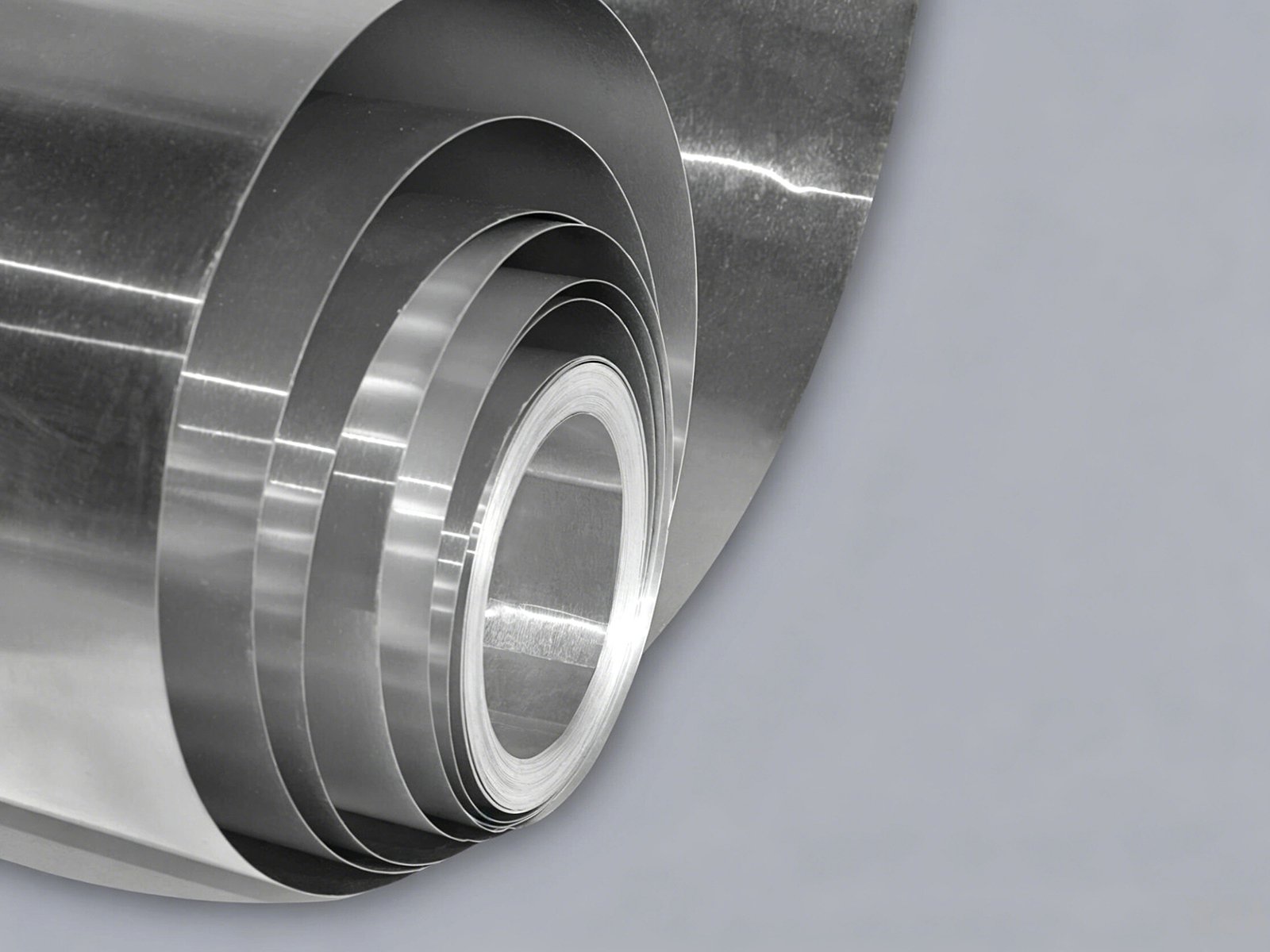
When engineers face application scenarios with high loads, strong corrosion, or extremely high safety requirements, material selection often becomes the key to success or failure. Grade 4 titanium foil has the highest strength level among industrial pure titanium (tensile strength ≥550 MPa), excellent corrosion resistance, and excellent structural stability. It has become the material of choice in aerospace, deep-sea engineering, medical implants, and high-end chemical equipment. Not only is it able to withstand long-term mechanical stress in harsh environments, it also maintains consistency and reliability in material performance. Compared with ordinary titanium or titanium alloy materials, grade 4 titanium foil achieves an ideal balance between strength, weight ratio and corrosion resistance, providing a higher safety margin and longer service life for key components.
1. What Are the Material Properties and Engineering Advantages of Grade 4 Titanium Foil?
(1) What Are the Highest Strength Grade of Industrially Pure Titanium?
Grade 4 titanium foil is the strongest grade in the industrial pure titanium series, with a tensile strength of more than 550 MPa and a yield strength range of 480-550 MPa. This performance index significantly exceeds grade 1 and grade 2 titanium foil, making it capable of meeting the design requirements of structural load-bearing components. In the aerospace industry, the dual requirements of lightweight and high strength make grade 4 titanium foil an ideal choice for honeycomb core materials, thin-wall gaskets and support structures. In medical devices, implants and surgical tools that bear the physiological load of the human body require materials with sufficient mechanical strength. The high strength properties of grade 4 titanium foil ensure the reliability of the equipment in long-term use.
(2) What Should You Know About Excellent Corrosion Resistance?
Despite the increased strength, Grade 4 titanium foil retains the excellent corrosion resistance inherent to pure titanium. In seawater, acidic and alkaline media, its surface can quickly form a dense oxidation passivation film, effectively resisting the erosion of chloride ions and other corrosive substances. Desalination modules in marine engineering, electrochemical sensor electrodes and corrosion-resistant structural linings in the chemical industry all rely on this material’s long-term stable performance in high salt spray and highly corrosive environments. Compared with stainless steel or ordinary titanium alloys, the risk of failure of grade 4 titanium foils under extreme corrosion conditions is significantly reduced.
(3) What Are the Lightweight and High Specific Strength?
The density of titanium is about 4.51 g/cm³, which is only about 60% of steel. The high specific strength characteristics of grade 4 titanium foil means that under the same strength requirements, thinner material thickness can be used, thereby achieving lightweight design of the structure. In the fields of aerospace, drones and precision instruments, weight reduction is directly related to fuel efficiency, endurance and equipment flexibility. By using grade 4 titanium foil with a thickness range of 0.02-1.0 mm (can be customized as ultra-thin as 0.005 mm), engineers were able to significantly reduce the overall weight while maintaining structural rigidity.
Table 1: Performance comparison of different grades of pure titanium foil
Performance indicators | Grade 1 titanium foil | Grade 2 titanium foil | Grade 4 titanium foil |
tensile strength | ≥240 MPa | ≥345 MPa | ≥550MPa |
Yield strength | 140-310 MPa | 275-450 MPa | 480-550 MPa |
Elongation | ≥24% | ≥20% | ≥15% |
Formability (minimum bending radius multiple) | ≤1.5t | ≤2.0t | ≤3.0t |
Application scenarios | extreme forming | Universal | Structural load-bearing type |
2. What Are the Performance Under Critical Operating Conditions?
(1) What Should You Know About Structural Stability in High Load Environments?
In petrochemical, energy and deep-sea engineering, equipment is subjected to high pressure, vibration and alternating loads all year round. Ordinary materials are prone to fatigue fracture or plastic deformation under these working conditions, leading to equipment failure. The high yield strength and fatigue resistance of Grade 4 titanium foil enable it to maintain structural integrity in long-term stress environments. Housings for deep-sea exploration equipment, linings for high-pressure reactors, and critical supports for energy systems all benefit from the material’s reliable performance under extreme loads.
(2) What Should You Know About Composite Working Conditions of Corrosion and Stress?
Many industrial application scenarios present both strong corrosive media and mechanical stress. Traditional high-strength materials lose significant strength in corrosive environments, while ordinary corrosion-resistant materials cannot meet the load-bearing requirements. Grade 4 titanium foil shows unique advantages in this composite working condition: it can not only resist chemical attack by acids, alkalis and salts, but also maintain sufficient mechanical strength. Blades of high-pressure seawater pumps, electrolyzer anode foils and precision components in corrosive gas environments take advantage of this dual performance balance.
(3) What Should You Know About Adaptability to High and Low Temperature Environments?
Grade 4 titanium foil maintains stable mechanical properties over a temperature range of -196℃ to 350℃. Brittle transformation does not occur in low temperature environments, and the oxidation rate is low in high temperature environments. This makes it suitable for use in liquid nitrogen storage equipment, low-temperature sensor packaging, aerospace engine hot-end components, and corrosion-resistant layers in high-temperature chemical reactors. Compared with aluminum alloy or stainless steel, titanium shows better dimensional stability and performance consistency under conditions with large temperature fluctuations.
Table 2: Performance advantages of grade 4 titanium foil under different working conditions
Application conditions | face challenges | Advantages of grade 4 titanium foil |
High pressure seawater system | stress corrosion cracking | High strength + excellent seawater corrosion resistance |
Chemical pressure vessels | Load and corrosion compound | Balance of strength and corrosion resistance |
Aerospace lightweight structure | Weight loss and stiffness are contradictory | High specific strength + low density |
medical implants | Biocompatibility and strength | Non-magnetic, inert, high strength |
Deep sea exploration equipment | Extreme Pressure and Salt Spray | Anti-fatigue + long-term stability |
3. What Should You Know About Processing Technology and Quality Control Capabilities?
(1) What Should You Know About Precision Cold Rolling Technology Ensures Thickness Accuracy?
Grade 4 titanium foil is produced using a 20-roll precision cold rolling process, which is gradually thinned through multiple passes, and the thickness tolerance is controlled within +/-0.001 mm (for specifications above 0.02 mm). This level of accuracy is critical for electronic shielding materials, battery current collectors and precision sensor packaging. The width range can reach 350-670 mm, which meets the needs of integrated processing of large-sized components, reduces welding joints, and improves the reliability of the overall structure. Equipment capabilities with a maximum rolling force of 3500 kN and a rolling speed of 400 m/min ensure the stable mass production of ultra-thin and wide-width titanium foils.
(2) What Should You Know About Ultrasonic Cleaning and Surface Treatment?
Grease, oxides and particulate contamination on material surfaces can seriously affect the quality of subsequent coatings, laminations and welds. The ultrasonic cleaning line uses high-frequency vibration and a special degreasing formula to increase the surface dyne value to more than 40, and the line speed can reach 30 m/min. This high standard of cleanliness ensures the interfacial bonding strength of titanium foils in electronic packaging, precision lamination and functional coatings. The grinding process further improves surface consistency and roughness, improving the material’s appearance quality and adhesion properties.
(3) What Are the Continuous Annealing Process Optimizes Structural Properties?
There are large residual stresses and work hardening phenomena inside the cold-rolled titanium foil, which requires annealing to restore ductility and eliminate internal stress. The 7-zone electrically heated continuous annealing line uses argon gas protective atmosphere, with a maximum operating temperature of 1100℃ and a temperature control accuracy of +/-2℃. The continuous annealing mode ensures uniformity of microstructure and batch consistency of material properties. The annealed state (A state) material not only maintains high strength characteristics, but also has appropriate plasticity, which is convenient for subsequent stamping, bending and welding processing.
Table 3: Titanium Valley grade 4 titanium foil production process and equipment capabilities
Process link | key equipment | Technical parameters |
precision rolling | 750 mm 20-high rolling mill | Rolling force 3500 kN, speed 400 m/min |
Surface cleaning | Ultrasonic cleaning line | Dyne value ≥ 40, linear speed 30 m/min |
heat treatment | 7-zone continuous annealing furnace | Temperature 1100℃, accuracy +/-2℃ |
Leveling control | High precision leveling line | Speed 150 m/min, eliminating residual stress |
Slitting processing | High precision slitting line | Width tolerance +/-0.1 mm |
4. How Is Typical Application Scenarios and Value Realization?
(1) What Should You Know About Aerospace Lightweight Structures?
Aircraft fuselages, satellite supports and UAV frames have extremely high requirements on the specific strength and fatigue resistance of materials. Honeycomb core materials and thin-walled structural parts made of grade 4 titanium foil achieve significant weight reduction while ensuring sufficient stiffness. Its non-magnetic properties avoid electromagnetic interference in navigation and communication systems. High temperature stability makes it suitable for insulating and sealing components near engine compartments. By adopting a wide integrated design, riveting and welding processes are reduced, and the overall reliability and air tightness of the structure are improved.
(2) What Should You Know About Medical Devices and Implants?
Human implants require materials that are biocompatible, non-magnetic, high-strength and corrosion-resistant. Grade 4 titanium foil meets these stringent requirements and is widely used as the base material for orthopedic implant screws, dental restorations and cardiovascular stents. Its surface is easily treated with a bioactive coating to promote bone tissue integration. The high-strength properties allow for the design of slimmer implants, reducing pressure on surrounding tissue. Surgical instruments such as forceps, clamps and endoscopic components also benefit from titanium’s lightweight and corrosion-resistant advantages.
(3) What Should You Know About Chemical and Marine Engineering?
Equipment in strong acid, strong alkali and high-concentration salt solution environments faces serious corrosion threats. Grade 4 titanium foil is used as the anode of the electrolytic cell, the lining of the reactor and the anti-corrosion layer of the pipeline, which can operate stably for a long time. The heat exchanger of the seawater desalination device, the shell of the deep-sea sensor and the anti-corrosion structural parts of the ocean platform use titanium’s almost non-corrosive properties in seawater to greatly extend the life of the equipment. High-strength properties enable the material to withstand seawater pressure and wave impact, reducing maintenance frequency and replacement costs.
(4) What Should You Know About New Energy and Electronic Industry?
The current collectors, tabs and connectors of lithium-ion batteries and fuel cells require materials with good electrical conductivity, corrosion resistance and mechanical strength. The high-strength properties of Grade 4 titanium foil allow the use of thinner material thicknesses, increasing the energy density of batteries. Flexible electronic shielding materials, heat dissipation substrates and sensor packaging also rely on the stable performance of titanium foil. In the field of hydrogen energy, electrode materials and proton exchange membrane support layers of water electrolysis hydrogen production equipment need to withstand strong electric fields and corrosive media, and grade 4 titanium foil has become an ideal choice.
5. What Should You Know About Supply Chain Reliability and Customized Services?
(1) What Should You Know About Large-scale Production Capacity?
Titanium Valley invested US$36.2 million to build an automated titanium foil production line with an annual production capacity of 3, 000 tons, which can meet the needs of large-volume and high-standard orders. From raw material smelting, forging, hot rolling to precision cold rolling, cleaning, annealing, slitting and inspection and packaging, full-process quality control ensures consistent performance of each roll of material. The batch supply capability ensures the continuity of customers’ production plans and avoids the risk of shutdowns caused by material shortages.
(2) What Should You Know About Flexible Customized Processing?
In addition to standard specifications (thickness 0.02-1.0 mm, width 15-680 mm), ultra-thin customization and special size slitting services of ≥0.005 mm are also available. Surface treatments include glossy, matte and functional grinding to meet the appearance and performance requirements of different applications. Two delivery states, annealed state (A) and cold working state (Y), are available, and customers can flexibly choose according to subsequent process requirements. Material reports, mechanical property testing and non-destructive testing reports are provided with the product and comply with ASTM B265 international standards.
(3) What Should You Know About Technical Support and Quality Traceability?
The technical team can assist customers with material selection, process optimization and failure analysis. For special working conditions, we provide material corrosion resistance testing, fatigue life assessment and welding performance verification services. A complete quality file is established for each batch of products to achieve full traceability from raw material batches to finished product roll numbers. The rapid response mechanism ensures that customers can receive timely professional support when encountering technical problems, reducing trial and error costs and shortening the product development cycle.
6. What Is the Conclusion?
Grade 4 titanium foil has the highest strength grade, excellent corrosion resistance and outstanding lightweight properties among industrial pure titanium, making it an ideal material for the design of key components. In high-end fields such as aerospace, medical, chemical and new energy, it solves the problem of material failure under combined working conditions of high load and strong corrosion, and improves the safety margin and service life of equipment. With advanced production technology and strict quality control, high-performance titanium foil provides reliable material guarantees for engineers around the world.
FAQ
Q1: What are the advantages of grade 4 titanium foil compared with titanium alloy?
Grade 4 titanium foil maintains the excellent corrosion resistance and biocompatibility of pure titanium, and its strength is lower than common titanium alloys such as Ti-6Al-4V, but the cost is significantly lower, no complex alloying treatment is required, and the welding performance is better, making it suitable for large-scale industrial applications.
Q2: How to ensure the performance consistency of grade 4 titanium foil in mass production?
Using a continuous annealing process and an online monitoring system, each batch of materials undergoes random inspection of mechanical properties and metallographic structure analysis, and a complete quality file is established to ensure batch stability of thickness, strength and surface quality.
Q3: What are the difficulties in processing ultra-thin grade 4 titanium foil (below 0.02 mm)?
The main challenges are shape control during rolling and prevention of cracks and surface scratches. Through the multi-roller support, precise tension control and ultrasonic cleaning of the 20-roll precision rolling mill, stable mass production of 0.005 mm ultra-thin foil is achieved.
How Can You Contact Us?
As a professional manufacturer and supplier of grade 4 titanium foil, Titanium Valley has an automated production capacity of 3, 000 tons per year and full-process customization services. We are committed to providing high-strength, high-precision titanium foil products for the aerospace, medical device, chemical and new energy industries. For more technical specifications or to get a custom quote, please contact us: sales@titaniumvalleys. com
References
- Wang Xiaofeng, Li Minghua. Research on properties and applications of industrial pure titanium materials [J]. Rare Metal Materials and Engineering, 2021, 50(3): 1023-1028.
- Chen Weidong, Zhang Jianguo. Titanium and titanium alloy precision rolling technology[M]. Beijing: Metallurgical Industry Press, 2019.
- Zhao Zhiyuan, Liu Wei. Research on the corrosion resistance of titanium materials in marine engineering [J]. Corrosion Science and Protection Technology, 2020, 32(4): 289-294.
- Liu Jianguo, Wang Lei. Comparative analysis of mechanical properties of different grades of industrial pure titanium foils [J]. Nonferrous Metal Processing, 2022, 51(2): 45-49.