
What Factors Affect the Price of Gr4 Titanium Wire?
- Gr4 titanium wire
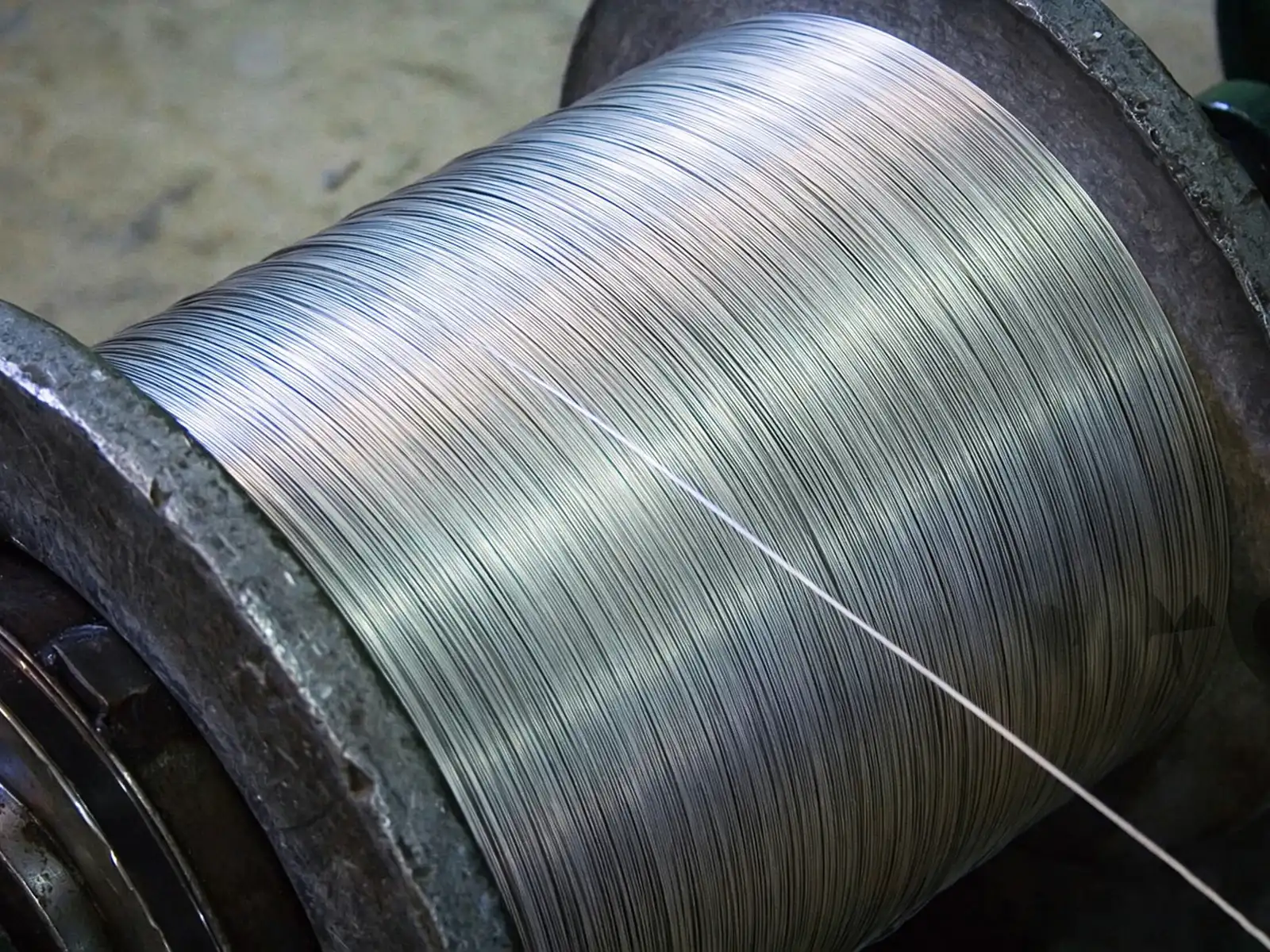
Gr4 titanium wire is the strongest category among commercial pure titanium, and its price is affected by multiple factors. The market fluctuations of the raw material sponge titanium, the complex process of vacuum melting and multi-pass cold drawing, the precision processing requirements of ± 0.01mm diameter tolerance, and special heat treatment steps such as annealing and stress relief, all directly drive up the manufacturing cost. In addition, order size, surface treatment method (pickling or polishing), supply chain stability and international logistics costs will also cause a 20%-40% price difference. For high-load application scenarios such as aerospace, chemical anti-corrosion and medical equipment, choosing Gr4 titanium wire that meets ASTM B863 standards and has complete material certification can not only avoid the hidden costs caused by frequent replacement, but also ensure long-term stable operation of the equipment.
1. What Should You Know About Raw Material Costs and Supply Chain Fluctuations?
(1) What Should You Know About Titanium Sponge Purity and Price Correlation?
The basic raw material of Gr4 titanium wire is high-purity sponge titanium, with a titanium content of ≥ 99.0% and an oxygen content of ≤ 0.40%. The market price of titanium sponge is significantly affected by global titanium ore supply, energy consumption of the magnesium reduction process and environmental protection policies. When supply is tight in major producing areas (such as Australia and South Africa), the price of titanium sponge can rise by 15%-25% within 3-6 months, which is directly transmitted to the cost of titanium wire. High-purity titanium sponge (oxygen content ≤ 0.30%) is 8%-12% more expensive than ordinary grades, but it can ensure strength stability and welding performance in subsequent processing.
(2) What Should You Know About Trace Control of Alloying Elements?
Although Gr4 is commercially pure titanium, its strength improvement depends on the precise control of interstitial elements such as oxygen and iron. When the iron content is ≤ 0.50%, the strength can be enhanced, but excess will lead to increased brittleness. This “precise proportion of trace elements” requires real-time monitoring and adjustment during the vacuum arc remelting (VAR) process, which increases the energy consumption and time cost of the smelting process, making the cost of raw materials 18%-30% higher than that of Gr1 and Gr2 titanium wire.
(3) What Should You Know About Supply Chain Geopolitical Risks?
The global supply of titanium raw materials is highly concentrated, with China, Russia, and Japan occupying the major shares. Changes in international trade policies, tariff adjustments or logistics disruptions may trigger dramatic price fluctuations. During the European energy crisis in 2022, some titanium processing companies were forced to reduce production due to rising electricity costs, resulting in an extension of the Gr4 titanium wire delivery cycle by 4-8 weeks, and the spot price once rose by 35%. Establishing a stable multi-source supply system and strategic inventory can effectively smooth the risk of price fluctuations.
2. What Should You Know About Production Process Complexity and Technical Threshold?
(1) What Should You Know About Vacuum Melting and Multi-pass Thermal Processing?
The production of Gr4 titanium wire begins with vacuum arc remelting (VAR) or electron beam melting (EBM). These two processes can effectively remove gas impurities and ensure the uniformity of the ingot structure. The ingot then needs to be processed into bars through forging and hot rolling, and then the surface oxide layer is removed by peeling or pickling. This stage involves multiple heatings to above 1200℃, and energy consumption accounts for 22%-28% of the total cost. Compared with Gr1/Gr2, Gr4 has greater deformation resistance and requires higher tonnage equipment, higher tonnage forging equipment and longer heat preservation time. Equipment depreciation and energy consumption costs increase by about 20%.
(2) What Should You Know About Cold Drawing and Precision Dimensional Control?
From bar to φ0.1mm-φ6.5mm titanium wire, it needs to go through 15-25 passes of cold drawing process. The drawing speed, die angle, and lubrication method of each pass directly affect the roundness (≤ 0.002mm) and surface roughness (Ra≤ 0.6um) of the wire. Using the roller mold bright drawing technology of Italy’s Danieli continuous rolling production line can avoid the mold sticking problem of traditional drawing dies, but the equipment investment is as high as 40.5 million US dollars, and the depreciation cost is apportioned to an increase of approximately 12%-15% per ton of product. The annealing step is used to eliminate work hardening, but excessive annealing will reduce the strength, and under-annealing will lead to wire breakage during subsequent drawing, and the process window is extremely narrow.
(3) What Should You Know About Surface Treatment and Quality Inspection Costs?
Pickling treatment requires the use of a nitric acid-hydrofluoric acid mixed solution, and the cost of waste liquid treatment accounts for 35%-40% of the total surface treatment cost. Electrochemical polishing or mechanical polishing can obtain a high-smooth surface, but the cost of polishing fluid consumables and equipment maintenance is 2-3 times higher than that of pickling. Finished products need to undergo eddy current testing and ultrasonic testing to eliminate internal defects. In large-scale production, testing costs account for about 5%-8% of the total cost. Products that provide ASTM B863 standard material certification and mechanical performance reports require third-party testing and certification, which will add an additional 3% to 5% to the cost.
Table 1: Analysis of cost proportions of different process links
Process link | cost ratio | Main influencing factors |
Raw material procurement | 40%-48% | Titanium sponge purity, market supply and demand |
Vacuum melting and thermal processing | 22%-28% | Energy consumption, equipment tonnage, heating and holding time |
Cold drawing and precision machining | 15%-20% | Number of passes, mold life, intermediate annealing |
Surface treatment and inspection | 8%-12% | Treatment methods, waste liquid treatment, quality certification |
3. What Should You Know About Specification Customization and Order Scale Effect?
(1) What Should You Know About Diameter Tolerances and Special Size Premiums?
The price of Gr4 titanium wire with standard diameters (φ1.0, φ2.0, φ3.0mm) is relatively stable due to its strong mold versatility and low production switching frequency. Customized ultra-fine wire (φ0.1-0.3mm) needs to be replaced with a special drawing die, which increases the wire breakage rate by 15%-25% and reduces the material utilization rate, resulting in a price increase of 30%-50%. When the diameter tolerance requirement is narrowed from ± 0.05mm to ± 0.01mm, an online laser diameter measurement and feedback control system needs to be added, which increases equipment investment and testing costs by about 8%. The strict requirements for straightness (≤ 2/1000) in the aerospace field require high-precision alignment equipment, which further increases processing costs by 10%-15%.
(2) What Should You Know About Supply Form Affects Logistics and Packaging Costs?
Coiled wire form (500-3000 meters/coil) is suitable for automated welding and continuous production, but it requires plastic wire reel or steel wire reel packaging, and the packaging cost of a single reel is US$15-50. Straight wire needs to be cut to a fixed length, precisely aligned and packaged in wooden boxes or steel pipes. The cutting loss rate of short straight wire below 500mm is 3%-5%, and the packaging and logistics costs are 20%-35% higher than that of coiled wire. Vacuum packaging can prevent surface oxidation, but vacuum bags and nitrogen filling equipment increase packaging costs by US$5-8/kg.
(3) What Should You Know About Economies of Scale for Bulk Orders?
When a single batch order quantity is ≥ 500 kg, continuous production scheduling can be achieved, the frequency of mold replacement is reduced, and the unit production cost is reduced by 12%-18%. Small batch orders (<100 kg) require frequent adjustment of equipment parameters and replacement of molds, which increases the preparation time, resulting in a price increase of 25%-40%. Customers under the annual framework agreement lock in raw material prices, prioritize production and enjoy technical support, and the overall cost is 15%-22% lower than spot procurement.
Table 2: Comparison of price differences for different order sizes
Order size (kg) | Price coefficient | Delivery time | Additional services |
<100 | 1.35-1.50 times | 4-6 weeks | Standard test report |
100-500 | 1.10-1.20 times | 3-4 weeks | Material certification + mechanics report |
500-2000 | 1.00 times | 2-3 weeks | Full set of certification + technical support |
>2000 | 0.85-0.95 times | Negotiate production schedule | Customized processing + inventory management |
4. Why Is Application Scenario Requirements and Performance Premium Important?
(1) What Should You Know About Special Certification Costs for Welding Purposes?
Gr4 titanium wire is a titanium welding wire widely used around the world. When used for TIG/MIG welding, it must meet indicators such as low porosity and joint strength ≥ 85% of the base metal. Products that provide AWS A5.16 welding material certification and welding procedure qualification records (WPS/PQR) require additional welding performance testing and third-party certification, and the price is 15%-25% higher than titanium wire for ordinary structures. Marine engineering and chemical vessel welding must also comply with the NACE MR0175 sulfide stress corrosion standard. Salt spray testing (1000 hours of no corrosion) and sulfur stress testing increase certification costs by 8%-12%.
(2) What Should You Know About Fatigue Performance Requirements for Highly Loaded Mechanical Components?
When used in load-bearing components such as fasteners, springs, and high-strength cables, customers are concerned about fatigue strength (≥ 300MPa, 10^7 cycles) and elastic modulus stability. Such applications need to provide fatigue test reports, stress-strain curves and grain size detection data, which increases the detection cost by approximately 5%-8%. Although the cold-worked (Y-state) titanium wire has higher strength, the cold-working rate needs to be strictly controlled to avoid embrittlement. The process difficulty and scrap rate increase, and the price is 18%-28% higher than that of the annealed (M-state).
(3) What Should You Know About Biocompatibility Premium in Medical and Precision Electronics?
Medical devices (such as orthopedic implant fixation wires, surgical suture wires) need to provide ISO 10993 biocompatibility testing, FDA DMF filing or CE certification. The certification period is 6-12 months, and the cost is allocated to a 20%-35% increase in product price. The requirements for surface roughness (Ra≤ 0.3um), non-magnetic (magnetic permeability <1.005) and RoHS environmental certification in the field of precision electronics have increased the cost proportion of electrochemical polishing and non-destructive testing to 12%-15%.
Table 3: Performance requirements and price differences in different application scenarios
Application scenarios | Core performance indicators | Necessary certification | price premium |
titanium welding wire | Low porosity, joint strength ≥ 85% | AWS A5.16, NACE MR0175 | +15%-25% |
High load mechanical parts | Fatigue strength ≥ 300MPa, hardness HV≥ 150 | Fatigue test report, grain size detection | +18%-28% |
medical device | Biocompatible, non-toxic and non-allergenic | ISO 10993, FDA DMF | +20%-35% |
Precision electronics | Surface roughness Ra≤ 0.3um, non-magnetic | RoHS, magnetic testing | +12%-18% |
5. What Are the Differences in Market Supply and Demand Relationship and Regional Price Differences?
(1) What Should You Know About Demand Characteristics of Major Global Markets?
The demand for Gr4 titanium wire in the U.S. aerospace and medical device market is growing steadily, with an average annual growth rate of 8%-12%. However, it has high requirements for material traceability and certification integrity, and is willing to pay a 15%-20% premium for products that meet FAA and FDA standards. Germany’s high-end manufacturing industry prefers precision titanium wire with a diameter tolerance of ≤ ± 0.005mm. It is used for lightweight automotive components and chemical equipment, and is highly sensitive to lead times. The demand of Japan’s precision electronics industry is concentrated on φ0.1-0.5mm ultra-fine wire, the surface finish requirement is Ra≤ 0.4um, and the price sensitivity is relatively low. The Korean battery industry has used Gr4 titanium wire for electrode connections and anti-corrosion frames in recent years, and emerging demand has driven up prices by 10%-15%.
(2) Why Is Cost Advantages and Challenges in Emerging Markets Important?
India’s industrial upgrading process is accelerating, but domestic production capacity is insufficient and its dependence on imports results in prices that are 20%-30% higher than those in the Chinese market. Vietnam’s electronics manufacturing industry is developing rapidly and there is a strong demand for low- and medium-end titanium wires. However, the understanding and application of high-strength Gr4 titanium wires are still in their infancy, and price competition is fierce. European carbon neutrality and hydrogen energy projects are driving demand for corrosion-resistant titanium materials, but stricter environmental regulations have increased production costs by 12% to 18%, and the final selling price is 25% to 35% higher than in the Asian market.
(3) Why Is Price Cycle Fluctuations Caused by Supply and Demand Imbalances Important?
During the 2020-2021 epidemic, the sudden drop in aerospace demand caused the price of Gr4 titanium wire to fall by 15%-20%, and part of the production capacity was shifted to the fields of chemical anti-corrosion and marine engineering. In the second half of 2022, with the recovery of the aviation industry and the explosion of demand in the new energy field, prices rebounded rapidly and reached a nearly three-year high in the first half of 2023. This cyclical fluctuation requires purchasers to establish a price monitoring mechanism and strategic inventory, while producers need to flexibly adjust their production capacity structure to respond to market changes.
6. What Is the Conclusion?
The price formation mechanism of Gr4 titanium wire is a comprehensive reflection of raw material cost, production process complexity, specification customization requirements, application scenario performance premium and market supply and demand. High-purity titanium sponge and precision processing technology lay the basic cost, while differentiated requirements such as diameter tolerance, surface treatment, and special certification bring about 20%-40% price fluctuation. Understanding these cost drivers can help purchasers optimize the total cost of ownership while ensuring performance, and also provide a reference for suppliers’ capacity planning and pricing strategies.
FAQ
Q1: Why is the price of Gr4 titanium wire more than 30% higher than Gr1/Gr2?
Gr4 achieves solid solution strengthening by increasing the oxygen and iron content, and its tensile strength is ≥ 550MPa, which is 40%-60% higher than Gr1/Gr2. Higher deformation resistance requires larger tonnage equipment and more processing passes, and the cold drawing wire breakage rate is also higher, resulting in a decrease in material utilization. These factors increase production costs by 25%-35%.
Q2: Why does the delivery time for ordering customized diameter Gr4 titanium wire take longer?
Non-standard diameters require redesigning the drawing mold and conducting process tests. The mold processing cycle is 2-4 weeks. Process stability verification requires the production of 500-1000 meter samples and completion of mechanical property testing. Small batch orders also need to coordinate the production schedule to avoid frequent mold changes affecting the production of standard products, so the delivery time is extended by 3-5 weeks compared with conventional specifications.
Q3: How to verify the true composition and performance of Gr4 titanium wire?
Suppliers are required to provide ASTM B863 standard material certification (including ICP spectrum analysis report), tensile test report (tensile strength, yield strength, elongation must be marked) and hardness test data. Critical applications also require non-destructive testing reports and corrosion resistance testing from third-party testing agencies. Welding performance verification or actual working condition simulation testing can be carried out through small batch samples.
7. What Should You Know About Get a Professional Quote Now?
As a professional Gr4 titanium wire manufacturer and supplier, Baoji Titanium Valley Titanium Nickel Zirconium Material Processing Co., Ltd. is equipped with a US$40.5 million Italian Danieli continuous rolling production line with an annual production capacity of over 20, 000 tons. It can provide full specifications of φ0.1-6.5mm titanium wire and customized processing services. For detailed technical parameters, application cases or purchase quotations, please contact: sales@titaniumvalleys.com
References
- Zhang Wei, Li Ming. Research on cold working deformation behavior and microstructure evolution of commercial pure titanium [J]. Rare Metal Materials and Engineering, 2021, 50(3): 1-8.
- Wang Jianguo, Zhao Hua. Progress in precision forming technology of titanium and titanium alloy wires [J]. Chinese Journal of Nonferrous Metals, 2022, 32(5): 1-12.
- Liu Qiang, Chen Xiaohong. Research on the structure and properties of Gr4 titanium alloy welded joints [J]. Journal of Welding, 2020, 41(8): 15-20.
- Sun Lei, Zhou Jun. Analysis and prediction model of factors affecting titanium price fluctuations [J]. Metal Materials and Metallurgical Engineering, 2023, 51(2): 1-9.