
What Should You Know About Key Features of Gr4 Titanium Foil to Know Before Buying?
- Gr4 Titanium Foil
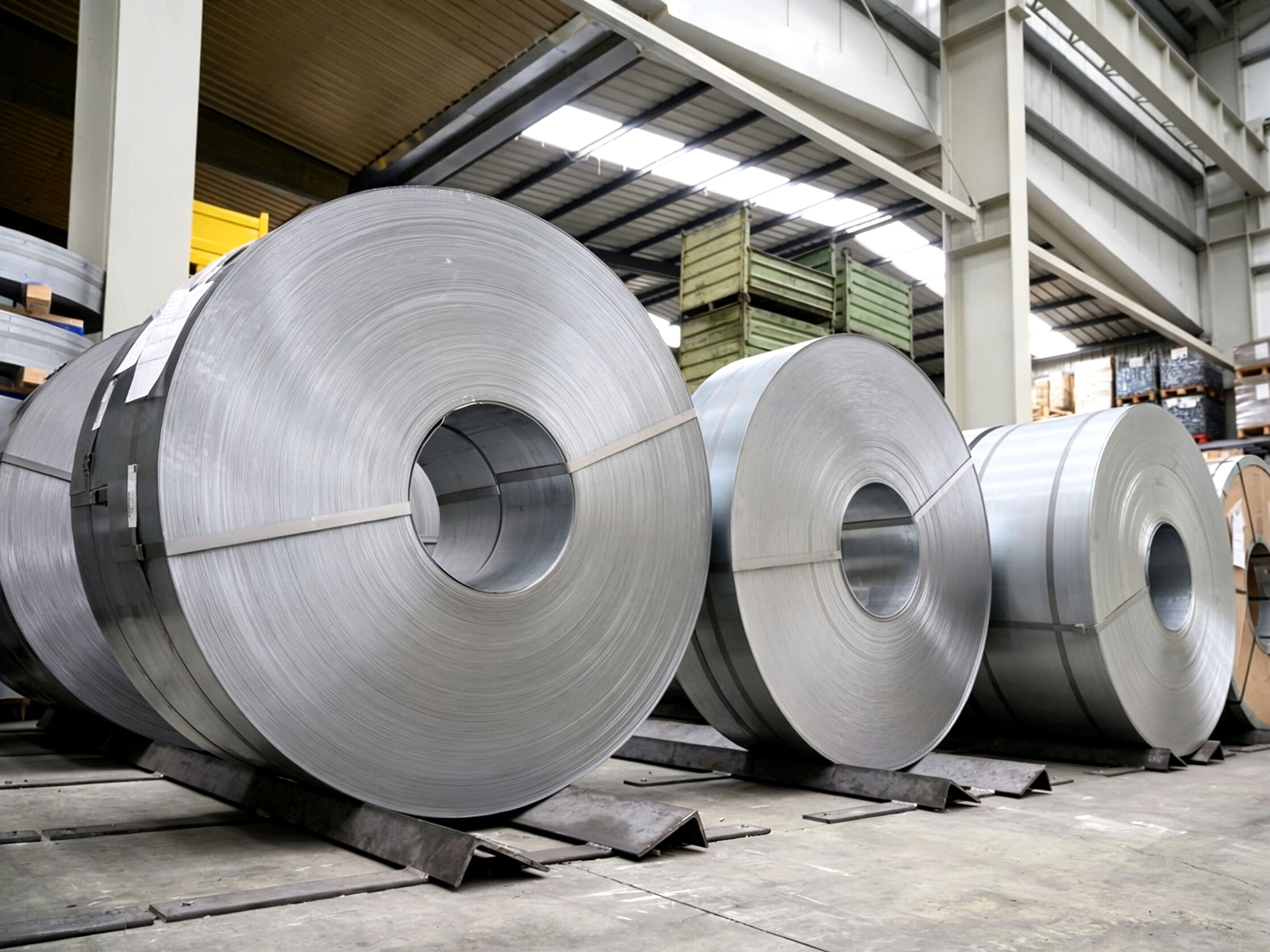
When purchasing high-strength titanium foil materials, Gr4 titanium foil has become the preferred material in aerospace, medical equipment, chemical equipment and other fields due to its unique mechanical properties and corrosion resistance. Compared with Gr1 and Gr2 grades, Gr4 titanium foil has the highest tensile strength (≥ 550 MPa) among industrial pure titanium while maintaining excellent corrosion resistance. Its density is only 4.51 g/cm³, which is about 40% lighter than steel. It is especially suitable for applications that need to withstand high loads and require lightweight. However, its formability is relatively low, processing is difficult, and it requires precise production process support. Understanding the material composition, mechanical properties, surface treatment process and application suitability of Gr4 titanium foil will help purchasing decision makers make more informed choices.
1. What Should You Know About Material Composition and Composition Control of Gr4 Titanium Foil?
(1) What Should You Know About High Strength Positioning in the Pure Titanium Grade System?
Industrial pure titanium is divided into four grades according to strength and oxygen content. As the highest grade, Gr4 has an oxygen content controlled below 0.40%. The presence of this key element significantly improves the strength of the material. In comparison, Gr1 has an oxygen content of 0.18% and a tensile strength of 240 MPa; Gr2 has an oxygen content of 0.25% and a tensile strength of 345 MPa. Through precise control of oxygen content, Gr4 achieves a leap-forward improvement in strength while maintaining the inherent corrosion resistance of pure titanium. The specific oxygen content value needs to be confirmed according to the supplier’s material report.
(2) What Should You Know About Precision Balance of Chemical Ingredients?
The composition control of Gr4 titanium foil reflects the subtlety of material design. Titanium purity ≥ 99.0%, iron content ≤ 0.30% is used to refine grains, nitrogen content ≤ 0.05% prevents brittleness from increasing, carbon content ≤ 0.08% avoids carbide precipitation, and hydrogen content is strictly controlled at ≤ 0.015% to prevent hydrogen embrittlement. This composition ratio not only ensures high strength properties, but also maintains the stability of the material in complex environments. It is especially suitable for corrosive working conditions such as high salt spray, strong acid and alkali.
(3) What Should You Know About Effect of Trace Elements on Performance?
As the main strengthening phase, iron element improves the material hardness through solid solution strengthening mechanism, but too high content will damage the corrosion resistance. The solid solution strengthening effect of the oxygen element gap is remarkable. For every 0.1% increase in oxygen content, the strength can be increased by about 100 MPa. During the production process, vacuum smelting and argon protected annealing are used to accurately control hydrogen, nitrogen and other gas impurities to ensure that the material does not produce pores or cracks during welding and high-temperature service.
2. Why Is Matching Mechanical Performance Indicators with Engineering Applications Important?
(1) What Should You Know About Quantitative Interpretation of Strength System?
The tensile strength of Gr4 titanium foil is ≥ 550 MPa, and the yield strength reaches 480-665 MPa (the typical value in common standards is 480-550 MPa, and the upper limit needs to be verified based on the actual batch). Compared with Gr2, the yield strength of Gr4 is increased by about 75%, and it can withstand greater loads at the same thickness. This characteristic makes it an ideal choice for aerospace honeycomb core materials and deep-sea engineering structural parts, which can reduce weight while meeting stringent structural strength requirements.
grade | tensile strength | Yield strength | Elongation | Typical applications |
Gr1 | ≥ 240MPa | 140-310 MPa | ≥ 24% | Deep drawing forming, complex curved surface parts |
Gr2 | ≥ 345 MPa | 275-450 MPa | ≥ 20% | Chemical pipelines and heat exchangers |
Gr4 | ≥ 550MPa | 480-665 MPa | ≥ 15% | Load-bearing structures, high-pressure vessels |
(2) What Should You Know About Ductility Vs. Processability Tradeoff?
The elongation of Gr4 titanium foil is ≥ 15%, which is lower than 24% of Gr1 and 20% of Gr2, but it still retains sufficient plastic deformation ability. Within the thickness range of 0.02-1.0mm, the material can be stamped, bent and rolled, and is suitable for manufacturing precision components such as medical implant brackets and battery lug connectors. It should be noted that the work hardening phenomenon caused by high strength is more obvious. It is recommended to use a multi-pass progressive forming process and an intermediate annealing treatment (the annealing temperature is usually 650-750℃, and the holding time depends on the thickness) to eliminate residual stress.
(3) What Should You Know About Fatigue Performance and Long-term Reliability?
The fatigue life of high-strength titanium foil under cyclic loading is a key consideration. The fatigue strength of Gr4 titanium foil is about 50-60% of the tensile strength (test conditions: 10⁷ cycles, stress ratio R=0.1), and it can still maintain stable fatigue performance in seawater environment. This makes it particularly suitable for structural parts impacted by waves in marine engineering, as well as sealing gaskets in aircraft engines that are subject to thermal cycles, and sensor housings that need to withstand long-term vibrations. Proper surface treatment and edge passivation can further improve fatigue life.
3. What Should You Know About the Decisive Influence of Production Process on Material Properties?
(1) Why Is the Core Value of Precision Cold Rolling Technology Important?
The use of 20-roll precision cold rolling process is the key to achieving ultra-thin Gr4 titanium foil. Compared with traditional 4-roll or 6-roll mills, the 20-roll structure can evenly distribute the rolling force through the cooperation of multiple support rolls and work rolls, achieving precision control of thickness tolerance ± 0.001mm. The maximum rolling force of 3500 KN combined with the linear speed of 400 m/min ensures stable production of 0.02mm ultra-thin specifications, and the flatness of the plate shape is controlled at ≤ 5 I units, meeting the stringent requirements of the electronics industry for substrate flatness.
(2) What Should You Know About Microstructural Control of Annealing Process?
The continuous annealing line adopts 7-zone electric heating control, with a maximum temperature of 1100℃ and a temperature control accuracy of ± 2℃. This precise heat treatment system is crucial to material performance. During the annealing process, the deformed structure recrystallizes, eliminating the dislocations and internal stress caused by cold rolling, allowing the material to restore a certain ductility while maintaining high strength. The argon protective atmosphere prevents surface oxidation and ensures that the titanium foil surface presents a uniform silver-gray luster with a surface roughness Ra≤ 0.4um, which is suitable for subsequent coating or lamination processes.
(3) What Should You Know About Functional Enhancement of Surface Treatment?
The ultrasonic cleaning line removes surface grease and particulate pollutants through cavitation at a frequency of 40 kHz, making the surface dyne value reach more than 40, significantly improving the wettability and adhesion properties of the material. The polishing process can obtain different textures of glossy or matte surfaces by controlling the grain size of the sanding belt to meet decorative or functional needs. The special degreasing formula removes organic residues to ensure that the titanium foil does not produce pores during welding and obtains a uniform coating during electroplating.
Process link | Equipment capabilities | Control accuracy | Performance improvements |
Precision cold rolling | 750mm 20-high rolling mill | Thickness± 0.001mm | Stable plate shape and ultra-thin |
continuous annealing | 7 zones electric heating 1100℃ | Temperature± 2℃ | Uniform tissue and stress relief |
Ultrasonic cleaning | 40kHz cavitation cleaning | Dyne value ≥ 40 | Clean surface and enhanced adhesion |
Precision slitting | High precision slitting line | Width± 0.1mm | Accurate dimensions and edge quality |
4. Why Is Performance Matching in Multi-industry Application Scenarios Important?
(1) What Should You Know About Lightweight Needs in the Aerospace Industry?
The density of Gr4 titanium foil is 4.51 g/cm³, which is only 57% of that of stainless steel. It can reduce the weight of more than 40% in aircraft honeycomb sandwich structures. Its high specific strength (strength/density ratio) reaches 122 kN·m/kg, exceeding aluminum alloys and most high-strength steels. In spacecraft sealing systems, 0.05mm thick Gr4 titanium foil can withstand a 5 MPa pressure difference while withstanding temperature cycles from -180℃ to 350℃. The non-magnetic properties of the material ensure that it does not interfere with precision navigation equipment, and it has become a standard material for the shielding layer of satellite electronic cabins.
(2) What Should You Know About Corrosion Resistance Requirements for Chemical and Marine Engineering?
In chlor-alkali industrial electrolyzers, the annual corrosion rate of Gr4 titanium foil anode plates in 10% hydrochloric acid and 30% sodium hydroxide solutions is <0.01mm, and the service life can reach more than 15 years. The wide-width heat exchanger foil (width up to 680mm) in seawater desalination equipment maintains stable performance in a high-salinity seawater environment of 90℃. The material’s ability to self-repair the passivation film of chloride ions makes it economical for long-term use in anti-corrosion linings of offshore platforms and ballast water treatment systems.
(3) Why Is Precision Applications in New Energy and Electronic Industries Important?
Titanium foil current collectors in lithium-ion batteries require thickness uniformity within ± 3%. Gr4 titanium foil achieves a stable supply of 0.02mm thickness through precision rolling. Its resistivity is 0.50 μΩ·cm, its conductivity is good, and it generates low heat during large current charging and discharging. The fuel cell bipolar plate is stamped and formed from 0.1mm Gr4 titanium foil, and its corrosion resistance ensures that it can survive 5, 000 hours in an acidic electrolyte environment without attenuation. The flexible circuit board shielding layer utilizes the non-magnetic properties and high strength of titanium foil to achieve a bending life of 50, 000 times.
(4) Why Is Biocompatibility Advantages of Medical Devices Important?
The human implant-grade titanium alloy stent is manufactured by laser welding of Gr4 titanium foil. The high strength of the material allows the wall thickness of the stent to be reduced to 0.08mm, reducing irritation to blood vessels. The biological inertness of titanium prevents it from releasing harmful ions in the body fluid environment, and the incidence of allergies is less than 0.1%. Gr4 titanium foil for surgical instrument blades is strengthened by cold working to a hardness of HV 280 while maintaining good toughness to avoid the risk of brittle fracture.
5. What Should You Know About Key Verification Points in Purchasing Decisions?
(1) What Should You Know About Material Certification and Standards Compliance?
When purchasing Gr4 titanium foil, you must obtain a complete material report, including chemical composition spectral analysis, mechanical property tensile test data, and grain size test results. Materials should comply with ASTM B265 standards (USA), JIS H4600 (Japan) or EN 10263-4 (Europe) specifications. Certification reports from third-party testing agencies such as SGS and TÜV can enhance material traceability. Especially in the aerospace and medical fields, batch traceability codes and heat number information are required.
(2) What Should You Know About Dimensional Accuracy and Batch Stability?
Thickness tolerance is the core indicator of ultra-thin titanium foil. The tolerance of 0.02-0.1mm specifications should be controlled within ± 0.005mm, and the tolerance of 0.1-1.0mm specifications should be controlled within ± 0.01mm. Width tolerance ± 0.1mm ensures automated cutting and assembly accuracy. Flatness is expressed in I units, ≤ 5 I is suitable for precision stamping, and ≤ 10 I meets general industrial use. When purchasing in large quantities, suppliers should be asked to provide batch stability data, including the fluctuation range of mechanical properties for different heat numbers.
Specifications | Accuracy requirements | Detection method | Application impact |
Thickness tolerance | ± 0.005~0.01mm | Laser thickness gauge | Affects lamination uniformity and electrical properties |
Width tolerance | ± 0.1mm | Optical edge detection | Determine suitability for automated processing |
straightness | ≤ 5~10I | platform measurement method | Relevant to coating uniformity and bonding quality |
surface roughness | Ra≤ 0.4um | Profiler | Affect bonding strength and appearance |
(3) What Should You Know About Surface Quality and Functional Treatment?
Visually inspect the surface of the titanium foil for defects such as cracks, folds, bubbles, and inclusions. The glossy surface material has uniform reflection and no color spots; the matte surface has the same texture and no scratches. If electroplating or coating is required for functional requirements, the surface dyne value (≥ 38 dyne/cm) and water contact angle (<30°) should be tested. The edges of materials that need to be welded should be chamfered or passivated to remove burrs to prevent fatigue cracks caused by stress concentration.
How Should Supplier Production Capacity Assessment?
The production line with an annual production capacity of 3, 000 tons can ensure stable delivery of large-volume orders and avoid quality fluctuations caused by insufficient production capacity. The configuration of advanced equipment such as 20-roll precision rolling mill and continuous annealing line reflects the technical strength of the supplier. Ask the supplier if it has the ability to customize ultra-thin specifications from 0.005mm, as well as flexible slitting capabilities in the full width range of 15-680mm. Request production flow charts and quality control node documents to assess process stability and quality management system maturity.
6. What Is the Conclusion?
As a high-strength grade material among industrial pure titanium, Gr4 titanium foil shows excellent performance in terms of tensile strength, corrosion resistance and lightweight. When purchasing, it is necessary to comprehensively evaluate material composition control, mechanical performance indicators, production process accuracy, and application scenario matching. Through strict material verification, dimensional accuracy testing and supplier capability assessment, we can ensure that material performance meets high-end manufacturing needs and achieve reliable applications in fields ranging from aerospace to new energy.
FAQ
Q1: How to choose between Gr4 titanium foil and Gr2 titanium foil in practical applications?
Gr4 is suitable for high load-bearing structures, such as aviation honeycomb core materials and deep-sea pressure-resistant components. Its strength is 60% higher than Gr2; Gr2 is more suitable for chemical pipelines and heat exchangers that require complex forming. If the working conditions require both high strength and corrosion resistance, Gr4 is preferred.
Q2: What problems are likely to occur during the processing of 0.02mm ultra-thin Gr4 titanium foil?
Ultra-thin materials are prone to wrinkles, edge cracks and uneven thickness. It is necessary to use slitting equipment with precise tension control to maintain constant winding tension and operate in a dry and clean environment. It is recommended to choose a supplier with 20-roll mill production capacity to ensure the flatness of the base material.
Q3: How to verify the true mechanical properties of Gr4 titanium foil?
Suppliers are required to provide batch-by-batch tensile test reports containing yield strength, tensile strength and elongation data. Key projects should be entrusted to a third-party laboratory for re-inspection, paying special attention to horizontal and vertical performance differences. Materials should comply with ASTM B265 standards, and chemical composition needs to be verified by spectral analysis.
7. What Should You Know About Get High Strength Gr4 Titanium Foil Now?
As a professional Gr4 titanium foil manufacturer and supplier, Baoji Titanium Valley Titanium Nickel and Zirconium Material Processing Co., Ltd. is equipped with a 750mm 20-roller precision finishing mill, a 7-zone continuous annealing line and a fully automatic slitting system. The annual production capacity reaches 3, 000 tons, and can provide full-specification customized services in thicknesses of 0.02-1.0mm and widths of 5-680mm. The product fully complies with ASTM B265 and JIS H4600 standards, with a tensile strength of ≥ 550 MPa. It can be delivered in annealed state (M) and cold-processed state (Y). The surface supports bright, matte and pickling treatments. Each batch of products comes with a complete chemical composition analysis, mechanical performance test report and EN 10204 3.1 material certificate, serving the fields of aerospace honeycomb structures, deep-sea pressure-resistant components, medical equipment and new energy batteries. Welcome to send technical requirements to sales@titaniumvalleys.com to obtain selection suggestions, sample testing and professional technical support.
References
- Liu Jianrong, Li Zhiqiang. Research on the microstructure, properties and processing technology of industrial pure titanium sheets [J]. Rare Metal Materials and Engineering, 2021, 50(3): 1023-1030.
- Wang Haitao, Zhang Minghui. Ultra-thin titanium foil precision rolling technology and surface quality control [J]. Chinese Journal of Nonferrous Metals, 2020, 30(8): 1856-1865.
- Chen Guang, Zhao Yongqing. Corrosion behavior and protection technology of titanium alloys in marine engineering [J]. Corrosion Science and Protection Technology, 2022, 34(2): 145-152.