
Why Is the Main Advantages of Using Ti-15V-3Al-3Cr-3Sn Titanium Foil Important?
- Ti-15V-3Al-3Cr-3Sn Titanium Foil
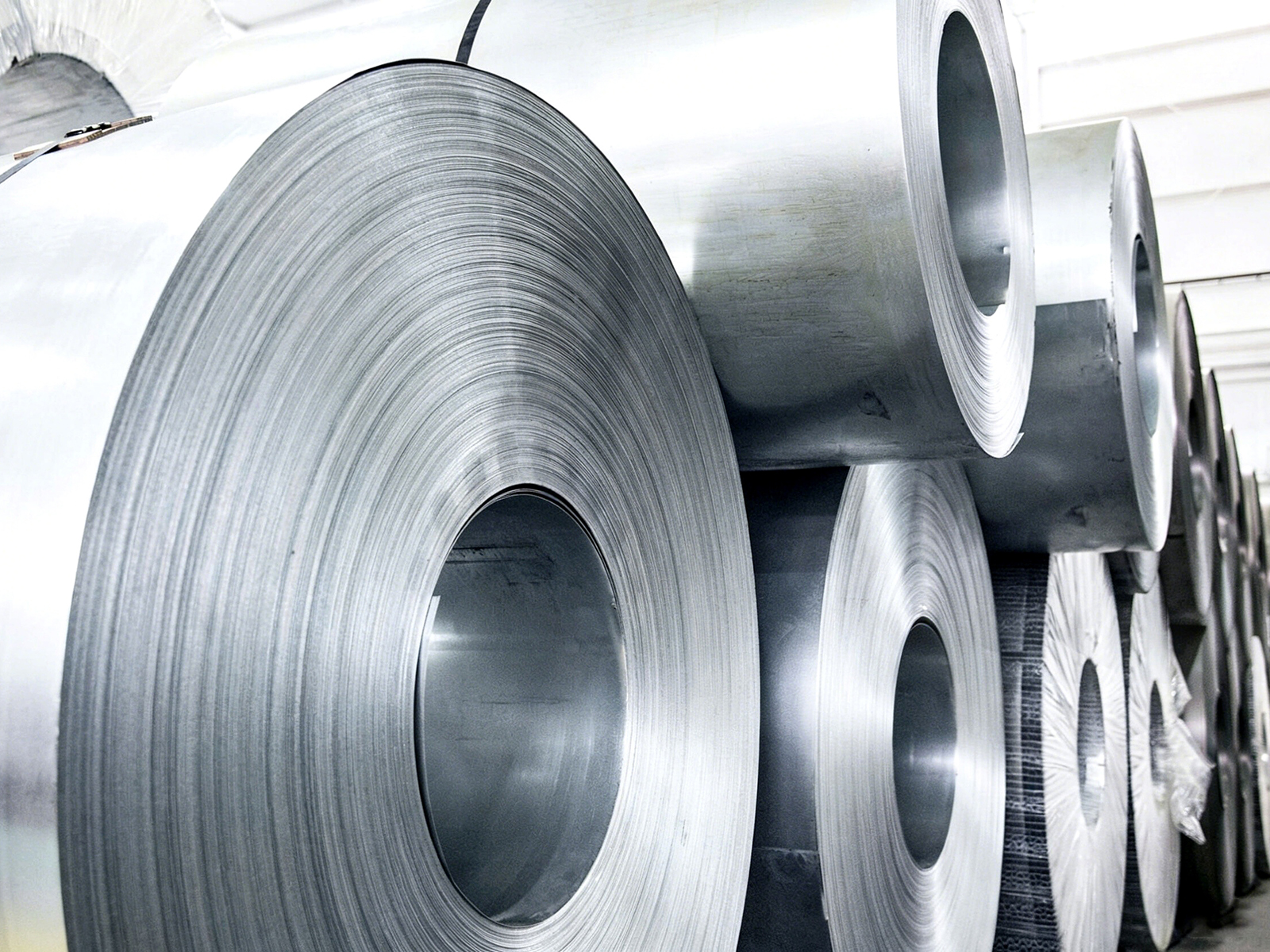
Ti-15V-3Al-3Cr-3Sn titanium foil, as a near-β titanium alloy thin strip material, demonstrates unique technological advantages in high-end manufacturing. The most notable feature of this material is that its processability and final strength can be controlled in stages – it can undergo complex forming in the homogenized state, and after aging treatment, high strength performance can be achieved. Compared with traditional pure titanium foils or Gr5 alloy foils, Ti-15V-3Al-3Cr-3Sn can simultaneously meet the dual requirements of precision machining and structural load-bearing, making it particularly suitable for aerospace, electronic shielding, precision instruments, and other applications with stringent material performance demands. Its excellent cold forming capability, controllable strength adjustment characteristics, and stable dimensional accuracy are redefining the industrial standards for ultra-thin, wide titanium alloy foils.
1. What Should You Know About Engineering Design Freedom Brought by Controllable Performance?
(1) What Should You Know About Performance Switching Mechanism Between Homogenized State and Aged State?
Ti-15V-3Al-3Cr-3Sn titanium foil is designed as a near-β alloy, and its microstructure is sensitive to heat treatment. After homogenization treatment, the material maintains a single β phase or a small amount of α phase, at which point the alloy exhibits excellent plasticity and can undergo complex deformations such as stamping, stretching, and bending. After forming, aging treatment is carried out to precipitate fine dispersed α phase to strengthen the matrix (needle-shaped α phase can provide higher strength, while spheroidal α phase is beneficial for maintaining plasticity), and the tensile strength can be increased by 30-50%. This staged performance control avoids the traditional contradiction of ‘high-strength materials being difficult to process.’
(2) What Are the Differences in Comparison with the Machinability of Conventional Titanium Alloys?
Comparing different grades of titanium foil materials, although Gr1 pure titanium has the best ductility, its strength is insufficient; Gr5 (Ti-6Al-4V), although high in strength, is extremely difficult to cold form, often leading to cracking or excessive springback. Ti-15V-3Al-3Cr-3Sn, on the other hand, has cold forming performance close to Gr2 pure titanium in the homogenized state, while its strength after aging can reach the level of Gr5. This dual advantage makes it an ideal choice for complex thin-walled structural components.
(3) Why Is Design Flexibility in Engineering Applications Important?
In the manufacturing of large thin-walled aerospace components, designers can first complete the complex surface forming according to the homogenized performance state, and then achieve strength enhancement of key parts through local or overall aging treatment. This on-demand adjustable characteristic reduces material waste and shortens the process flow, making it particularly suitable for the development needs of single-piece, small-batch high-end equipment.
Table 1: Comparison of the Performance of Different Titanium Foil Materials
Material grade | Alloy Type | Cold formability | Intensity level | Adjustable intensity | Typical application scenarios |
Gr1 Pure Titanium Foil | Pure titanium | Excellent | Low | poor | Extreme forming operation |
Gr2 Pure Titanium Foil | Pure titanium | excellent | Medium-low | general | General industrial applications |
Gr4 Pure Titanium Foil | Pure titanium | middle | middle | general | Load-bearing structure |
Gr5 Titanium Foil | alpha beta type | poor | Tall | Lower | High-strength structural components |
Ti-15V-3Al-3Cr-3Sn | Near beta type | Q (homogenized state) | High (temporal aspect) | Excellent | Aerospace precision components |
2. Why Is Manufacturing Advantages Brought by Ultra-thin, Wide Specifications Important?
(1) What Should You Know About the Impact of Width Specifications on Part Integration?
The width of traditional titanium foil is limited by the capabilities of rolling equipment, often requiring multiple pieces to be spliced together to cover large areas, resulting in the joints becoming weak points in performance. Ti-15V-3Al-3Cr-3Sn titanium foil can provide a width range of 15-680mm, particularly wide specifications over 500mm, enabling the integral manufacturing of large components such as electromagnetic shielding covers, chemical equipment linings, and composite material sandwich structures, eliminating issues of signal leakage, corrosion risks, or structural discontinuities caused by splicing interfaces.
(2) Why Is the Value of Thickness Accuracy in Mass Production Important?
Controlling the thickness of ultra-thin titanium foil is an industrial challenge, requiring a precision of ± 0.005mm within the 0.02-1.0mm range. Using a 750mm twenty-roll precision rolling mill in conjunction with a closed-loop thickness control system can achieve a full-width thickness fluctuation of less than 3%. This consistency is crucial for precision products such as sensor substrates and electronic component carriers – thickness fluctuations directly affect electrical performance, assembly gaps, and batch stability.
(3) What Should You Know About Surface Quality and Subsequent Processing Compatibility?
After ultrasonic cleaning combined with plasma treatment, the surface Dyne value of the titanium foil can reach over 40 mN/m (tested with a standard Dyne pen), ensuring the interfacial bonding strength for subsequent processes such as coating, adhesion, and welding. A glossy or matte surface can be chosen according to application requirements; the glossy surface is suitable for decorative or low-friction needs, while the matte surface provides better coating adhesion. The continuous annealing line uses 7-zone electric heating control (including preheating zone, uniform heating zone, holding zone, slow cooling zone, rapid cooling zone, etc.), with a temperature accuracy of ± 2℃ to ensure uniform microstructure.
Table 2: Specifications of Ti-15V-3Al-3Cr-3Sn Titanium Foil
Technical Specifications | Standard range | Customization capability | Control accuracy |
Thickness | 0.02-1.0mm | ≥ 0.005 mm | ± 0.005mm |
Width | 15-680mm | Customized on demand | ± 0.1mm |
Surface Dyne Value | ≥ 40 mN/m | – | Ultrasonic cleaning plasma treatment guarantee |
Flatness | International Standard Flatness Grade | Special requirements can be customized | High-precision leveling line control |
superficial form | Glossy / Matte | Milling treatment optional | Dual Standards of Vision and Function |
3. What Should You Know About Full-process Quality Control Ensures Performance Stability?
(1) What Should You Know About Vacuum Melting and Composition Uniformity?
The Ti-15V-3Al-3Cr-3Sn alloy contains 15% vanadium and various alloying elements, and composition segregation can lead to performance fluctuations. The vacuum melting process is carried out below 10^-3 Pa to avoid oxygen and nitrogen contamination, and multiple remeltings ensure compositional uniformity. Forging and hot rolling break down the original cast structure, providing a good microstructural foundation for subsequent cold rolling.
(2) What Should You Know About Thickness Reduction Strategy for Multiple-pass Cold Rolling?
From hot-rolled slabs to ultra-thin foils of 0.02mm, more than 20 passes of cold rolling are required. The reduction ratio for each pass is controlled between 15-30%, ensuring cumulative deformation while avoiding edge cracks. The multi-support roll design of the twenty-roller mill distributes rolling force evenly, and the maximum rolling force of 3500 kN ensures flatness of wide materials. The rolling speed reaches up to 400 m/min, balancing production efficiency and surface quality.
(3) What Should You Know About Inert Atmosphere Protection and Oxygen Contamination Control?
Titanium alloys are extremely sensitive to oxygen at high temperatures, and the surface oxide layer can affect formability and fatigue performance. Continuous annealing lines use inert atmospheres or vacuum protection, with the actual process temperature range usually controlled between 700-800℃ (under an inert atmosphere, oxygen content can be kept below 50 ppm at a maximum of 1100℃, but the practical annealing temperature is kept below 800℃ to avoid excessive oxidation). The cooling section employs rapid cooling techniques to suppress grain growth and maintain a fine and uniform microstructure.
(4) What Should You Know About Online Detection and Defect Traceability System?
Equipped with laser thickness gauges, surface defect detectors, and ultrasonic flaw detection equipment, enabling real-time monitoring across the entire width and length. Data is automatically recorded and associated with batch information, and immediate warnings are issued if deviations are detected. The slitting line has a width tolerance of ± 0.1mm, and edge quality is controlled through optimized tension matching to reduce burrs and wavy edge defects (the acceptance criterion for burrs is a height of <0.01mm), increasing the yield to an industry-leading level (according to the company, the edge quality pass rate has been raised to over 99.5%).
4. Why Is Technical Adaptation for Cross-industry Application Scenarios Important?
(1) What Should You Know About Weight Reduction and Forming of Aerospace Structural Components?
Large thin-walled sections, fairings, antenna brackets, and other components face the dual challenges of weight reduction and strength. Ti-15V-3Al-3Cr-3Sn titanium foil has a density of 4.51 g/cm³ and a specific strength exceeding 200 MPa/(g·cm⁻³), achieving weight reduction at equivalent strength. In the homogenized state, processes such as deep drawing, spinning, and superplastic forming (superplastic forming needs to be conducted at about 700-900℃) can be performed, and after aging, the tensile strength exceeds 900 MPa (typical aging process is 480℃/8h), meeting structural load requirements. Integral forming reduces the number of welds, improving structural reliability and fatigue life.
(2) What Should You Know About Electromagnetic Shielding and Signal Integrity Protection?
5G communication equipment and precision medical instruments are sensitive to electromagnetic interference and require high-performance shielding materials. Wide titanium foil can be used to make seamless shielding enclosures, eliminating signal leakage caused by joint gaps. Titanium’s non-magnetic properties prevent interference with components sensitive to magnetic fields, while the shielding effectiveness of titanium foil mainly relies on material thickness and structural design (titanium has a relatively low conductivity, about 3% of copper, so achieving over 60dB shielding requires increasing thickness or using multi-layer structures). Compared with copper foil, titanium foil has stronger corrosion resistance, making it suitable for long-term use in harsh environments.
(3) What Should You Know About Dimensional Stability of Precision Sensor Substrate?
MEMS devices such as pressure sensors and accelerometers require substrate dimensional stability at the ppm level. Ti-15V-3Al-3Cr-3Sn titanium foil, after stress annealing treatment (measured by X-ray diffraction with residual stress less than 50 MPa), can have deformation controlled within 0.01% after thermal cycling. Ultra-thin specifications (0.02-0.05 mm), combined with laser cutting or chemical etching, can be processed into micron-level precision patterns, with batch consistency ensuring the stability of sensor calibration parameters.
(4) What Should You Know About Interfacial Bonding Strength of Composite Material Sandwiches?
Titanium-based fiber metal laminates (FML) combine titanium foil with carbon fiber and glass fiber composites, possessing both the toughness of metal and the lightweight and high-strength characteristics of composite materials. Wide titanium foil is used as the interlayer material, and after surface grinding or plasma treatment, the bonding strength with the resin matrix can reach more than 20 N/mm. Continuous feeding reduces the overlapping areas, enhancing the uniformity of the overall performance of the laminated plate, and is widely used in aircraft interiors, bulletproof armor, and sports equipment.
(5) What Should You Know About Overall Lining of Corrosion-resistant Chemical Equipment?
In chlor-alkali, pharmaceutical, and seawater desalination equipment, traditional titanium plate welded linings carry the risk of weld corrosion. Using wide titanium foil allows for large-area seamless coverage, with edges sealed by mechanical rolling or adhesive bonding, avoiding grain coarsening in the heat-affected zones caused by welding. Titanium’s excellent corrosion resistance enables long-term service in various media with pH 1-14 and temperatures below 200℃, extending equipment life by 2-3 times.
Table 3: Typical Application Performance Requirements of Ti-15V-3Al-3Cr-3Sn Titanium Foil
Application field | Key Performance Indicators | Advantages of Ti-15V-3Al-3Cr-3Sn | Engineering problems to be solved |
Aerospace | Specific strength >200 MPa/(g·cm⁻³), elongation >15% | Homogenization forming and age strengthening | Cracking in large thin-walled parts during forming, weight exceeding the standard |
Electromagnetic shielding | Shielding effectiveness >60dB, no splicing gaps | Wideband integration, non-magnetic | Multi-piece splicing signal leakage, uneven thickness |
Precision sensor | Thickness tolerance <± 5 um, coefficient of thermal expansion <9×10⁻⁶/K | Closed-loop rolling control, low residual stress | Batch performance fluctuations, large temperature drift |
Composite materials | Interface peel strength >15 N/mm | Surface treatment process, wide continuous feeding | Interface delamination, local performance inconsistency |
Chemical corrosion protection | Corrosion resistance >500h salt spray test, no weld seams | Overall coverage, excellent corrosion resistance | Welds corrode preferentially, difficult to install |
5. What Should You Know About Breakthroughs in Manufacturing Technology and Industrialization Capability?
(1) What Should You Know About Flatness Control of Ultra-thin Wide Products?
Maintaining flatness of 0.02mm thick titanium foil at a width of 680mm is a world-class challenge. Using a multi-support roll system of a twenty-roll mill (working roll diameter about 60mm; in actual rolling of ultra-thin foils, working roll diameters of about 10-30mm are commonly used, and specific parameters need to be determined according to the rolling passes), combined with a hydraulic automatic gauge control system (AGC) with a response time of <0.01 seconds. The precision leveling line achieves flatness through multiple passes of small elongation rolling (elongation <1%) to eliminate waves and edge warping caused by residual stress, with finished product flatness reaching internationally common flatness grades (for the thickness range of 0.02-0.5mm, wave height per meter <2mm).
(2) What Should You Know About Surface Oxidation and Suppression of Performance Fluctuations?
During multi-process handling, titanium foil exposed to air will form an oxide layer, affecting subsequent welding and forming performance. Establish a full-process inert protection system: use argon or vacuum protection in the annealing furnace, introduce high-purity nitrogen in the cooling section to isolate oxygen, and perform ultrasonic cleaning before rolling to remove surface oil and particulates. The surface oxygen content should be controlled below 0.15% to ensure performance stability and batch consistency.
(3) What Should You Know About Improvement of Edge Quality and Yield by Grading?
Traditional slitting processes are prone to burrs and edge cracking, which affect subsequent stamping or welding. By optimizing tool materials and blade angles, and using segmented tension control technology-with an entry tension of 5-10 N/mm² to ensure stable feeding and an exit tension of 2-5 N/mm² to prevent stretching deformation-combined with online burr detection and automatic removal systems, the edge quality pass rate (with the standard of burr height <0.01 mm) is increased to over 99.5%, and the yield is improved by 8-12%.
(4) What Should You Know About Scalable Supply Capability?
The automated foil production line invested and constructed by the company has overcome seven key technical challenges, achieving stable mass production of ultra-thin, wide titanium foil. The entire process, from raw material input to finished product packaging, is fully automated, increasing production rhythm by 40% and reducing labor costs by 30%, forming a complete industrial chain from titanium sponge to precision foil, ensuring stable supply for high-end customers worldwide.
6. What Is the Conclusion?
Ti-15V-3Al-3Cr-3Sn titanium foil combines the excellent formability of the homogenized state with the high strength of the aged state, breaking through the traditional material limitation of ‘strength and workability cannot be achieved simultaneously.’ Its wide-width specifications and precise thickness control capabilities meet the stringent requirements for integration, high precision, and batch stability in fields such as aerospace, electronics, and precision instruments. The comprehensive quality control system and large-scale production capability enable this high-performance material to truly achieve the leap from laboratory to industrial application, reshaping the technical standards and application boundaries of high-end titanium alloy foil.
FAQ
Q1: Will the aging treatment of Ti-15V-3Al-3Cr-3Sn titanium foil affect dimensional accuracy?
The aging treatment temperature is usually between 480-550℃, and dimensional changes caused by thermal expansion can be controlled within 0.05% through tooling constraints. For high-precision parts, segmented aging or aging with fixed fixtures can be used, combined with subsequent precision reshaping, so that the final dimensional tolerance can be controlled within ± 0.02mm, meeting the requirements for precision assembly.
Q2: How can wide titanium foil be prevented from deformation during transportation and storage?
Using a dedicated mandrel for winding, the winding tension is controlled between 3-8 N/mm² to avoid layer misalignment due to too loose tension or residual stress caused by overly tight winding. The outer layer is wrapped with moisture-proof film and packed into a wooden crate, with cushioning materials inside to prevent damage during transportation. The storage environment should maintain a temperature of 15-25℃ and humidity below 60%, avoiding direct sunlight and contact with corrosive gases.
Q3: Where are the performance differences between a company’s product and imported similar Ti-15V-3Al-3Cr-3Sn titanium foil?
By introducing internationally advanced twenty-roll mills and continuous annealing lines, combined with independently developed process parameter optimization, the company’s products have reached the international level of similar products in terms of thickness accuracy, surface quality, and performance stability. Key performance indicators such as tensile strength, elongation, and grain size all meet the relevant ASTM standards, while delivery times and costs have obvious advantages.
What Should You Know About Contact Us Immediately?
As a professional manufacturer and supplier of Ti-15V-3Al-3Cr-3Sn titanium foil, Titanium Valley relies on internationally advanced 20-roll precision rolling mills, continuous annealing lines, and a full-process inert atmosphere protection system to achieve stable mass production of ultra-thin, wide titanium foil. We can provide customized foils with a thickness of 0.02-1.0 mm and a width of 15-680 mm, with thickness accuracy controlled within ± 0.005 mm and a surface dyne value ≥ 40 mN/m, meeting the stringent requirements of high-end sectors such as aerospace, electromagnetic shielding, precision sensors, and chemical corrosion protection. Whether you need highly formable foil in a homogenized condition or high-strength specifications after aging treatment, our technical team can offer comprehensive material solutions based on your forming processes, strength targets, and assembly accuracy requirements, including alloy selection, heat treatment recommendations, and batch traceability. You are welcome to contact us via email at sales@titaniumvalleys.com to obtain product samples, technical data packages (including mechanical performance curves and metallographic reports), and detailed quotation information.
References
- Qu Henglei, Zhu Zhishou, Wang Xinnan. Research Progress on Near β-Type Titanium Alloy Ti-15V-3Cr-3Al-3Sn [J]. Rare Metal Materials and Engineering, 2015, 44(6): 1395-1400.
- Boyer R, Welsch G, Collings EW. Materials Properties Handbook: Titanium Alloys[M]. ASM International, 1994: 483-492.
- Zhang Wangfeng, Wu Huan, Suo Zhongyuan. Ultra-thin titanium foil rolling technology and its application in the aerospace field [J]. Progress in Titanium Industry, 2018, 35(3): 1-6.
- Donachie MJ. Titanium: A Technical Guide, 2nd Edition[M]. ASM International, 2000: 215-228.