
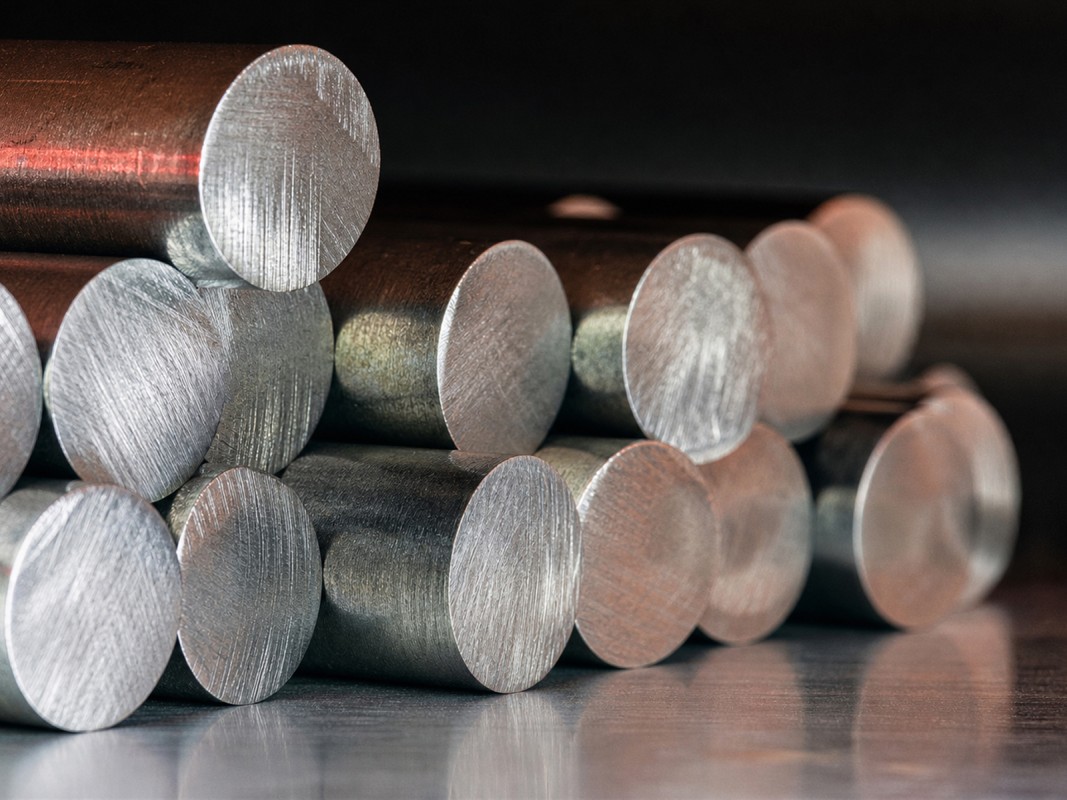
How Does GR1 Titanium Rod Compare to Other Titanium Grades Used for Medical Purposes?

In medical device and implant manufacturing, material selection is directly related to patient safet...
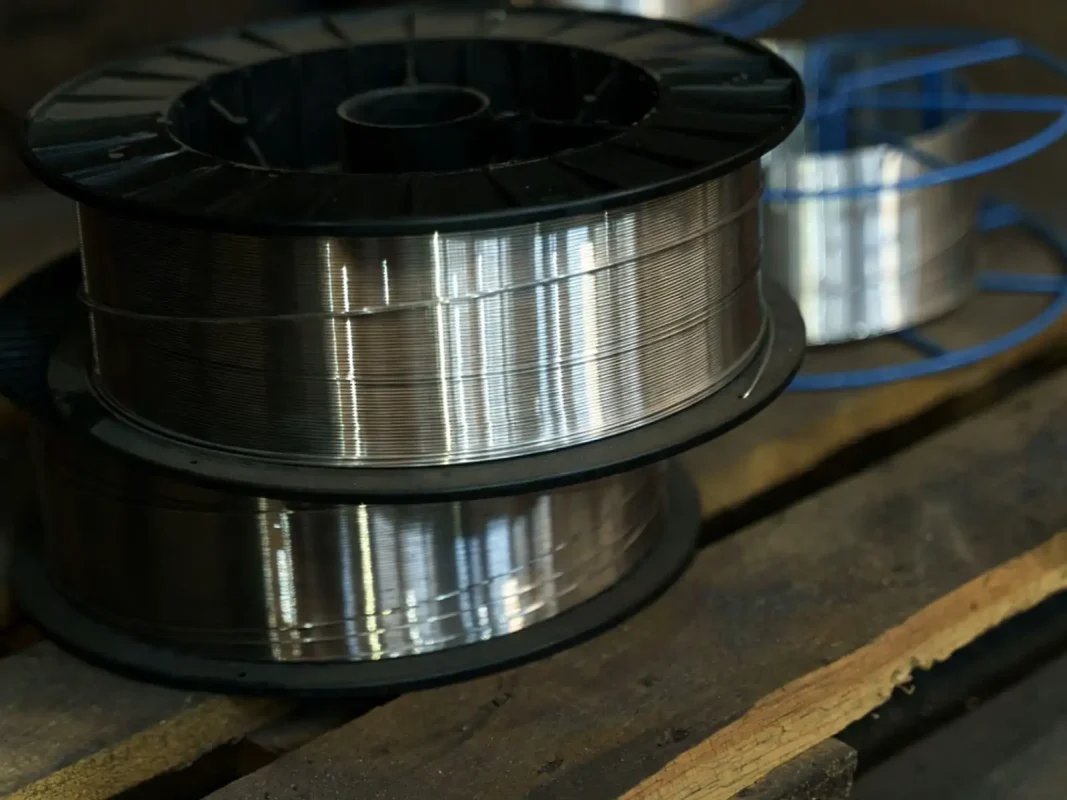
How Does Gr1 Titanium Wire Perform in Low Temperature Environments?
Gr1 titanium wire exhibits stable performance in low temperature environments, making it uniquely va...

How Should Ti-15V-3Al-3Cr-3Sn Titanium Foil Purchasing Specification Guide?
When purchasing Ti-15V-3Al-3Cr-3Sn titanium foil in the high-end manufacturing field, purchasing dec...
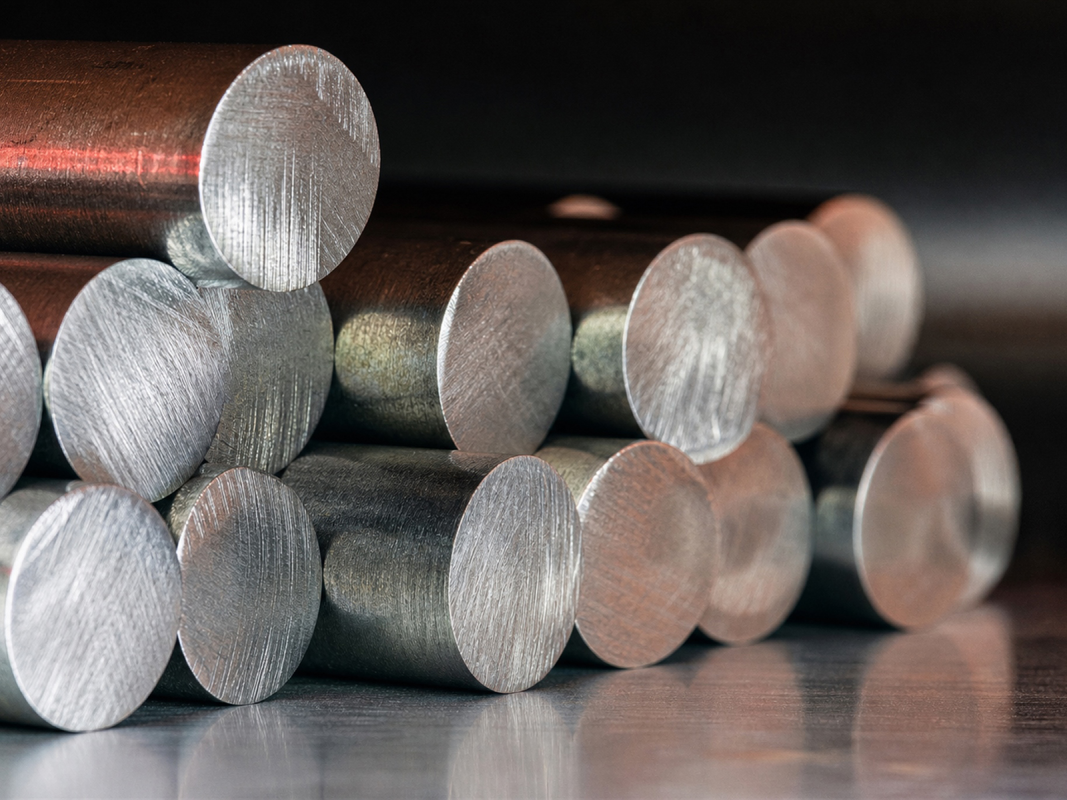
How to Choose the Right GR1 Titanium Rod for Aerospace Applications?
Choosing a suitable GR1 titanium rod in the aerospace field requires comprehensive consideration of ...
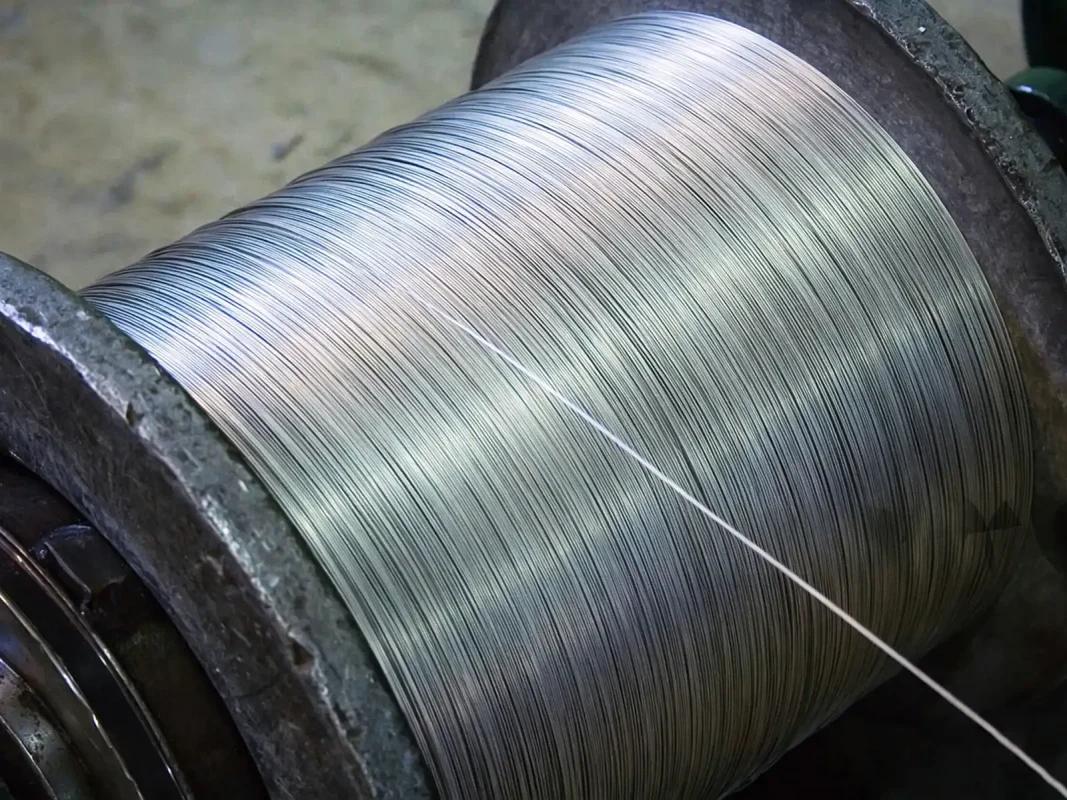
How to Use Nickel 200 Nickel Wire for High Performance Battery Connections?
In the field of modern battery manufacturing, the choice of connection materials directly affects th...
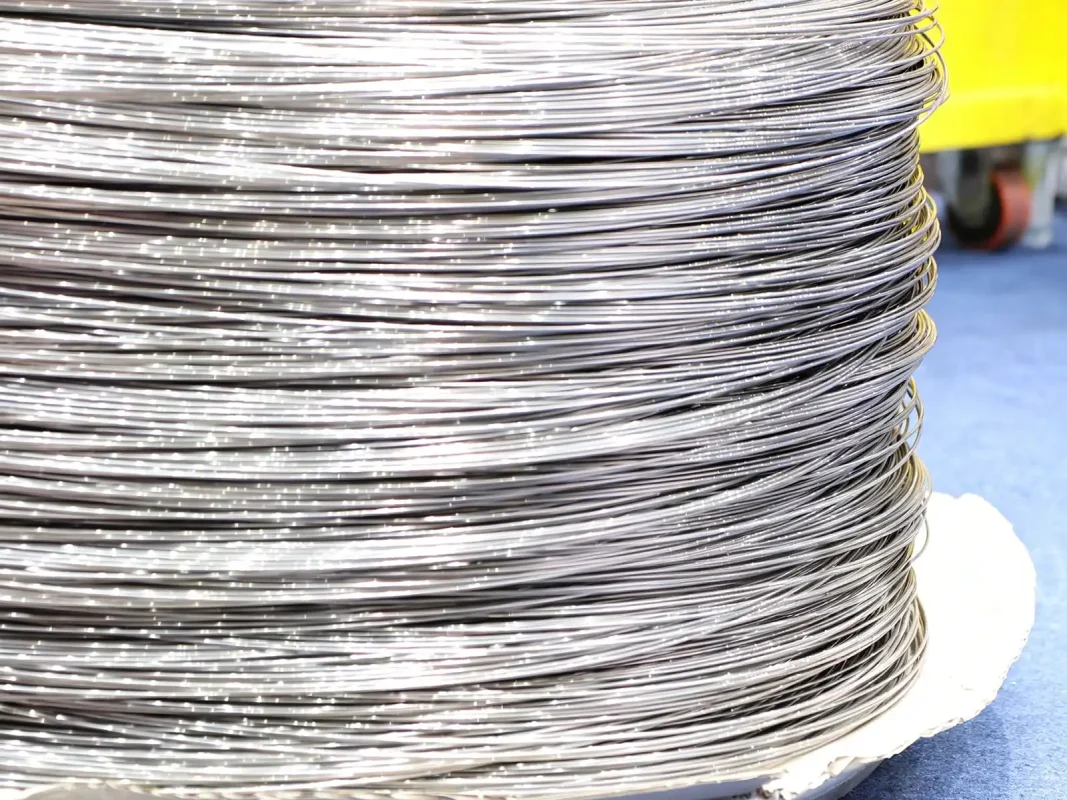
UNS R60705 Zirconium Wire Vs. Zirconium 702 Zirconium Wire, What Is the Difference?
In the selection of high-end industrial materials, engineers often face a key decision: How to choos...
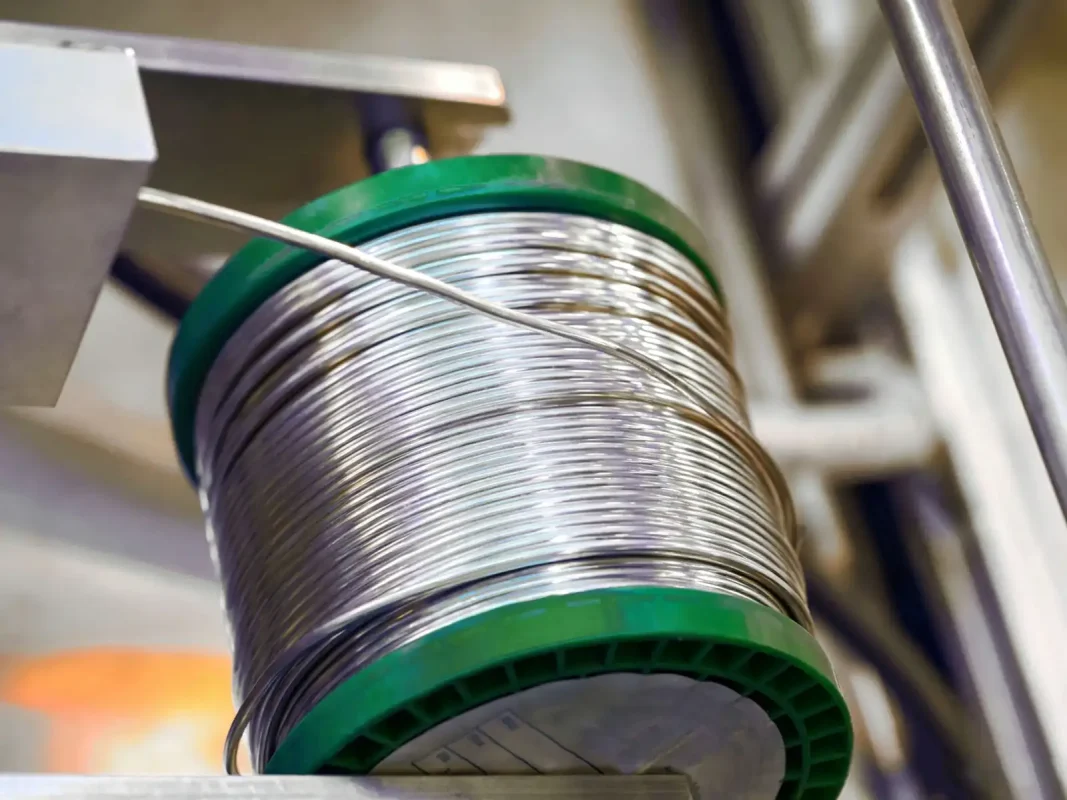
What Are the Challenges with Using GR5 Titanium Wire?
When using GR5 titanium wire (Ti-6Al-4V), companies often face core pain points such as quality fluc...
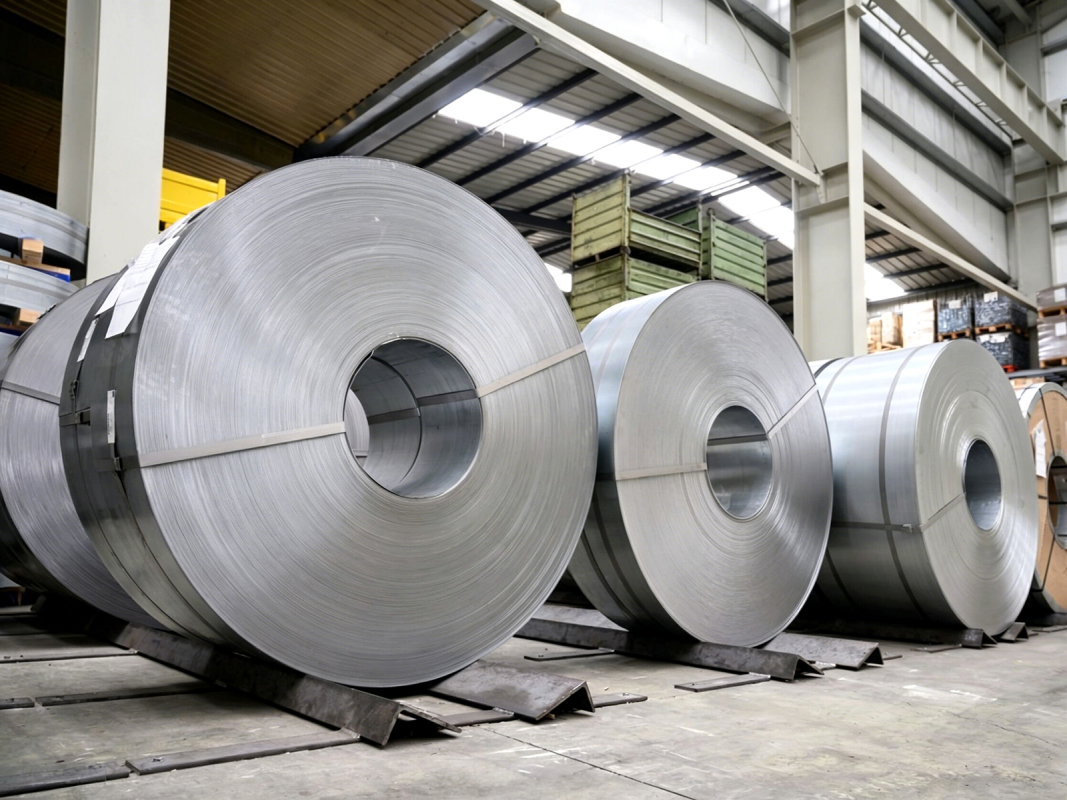
What Are the Differences in Cold Rolled Vs. Heat Treated Ti-15-3 Titanium Foil, Main Differences?
Ti-15V-3Al-3Cr-3Sn titanium foil (Ti-15-3 for short), as a representative material of near-β titaniu...
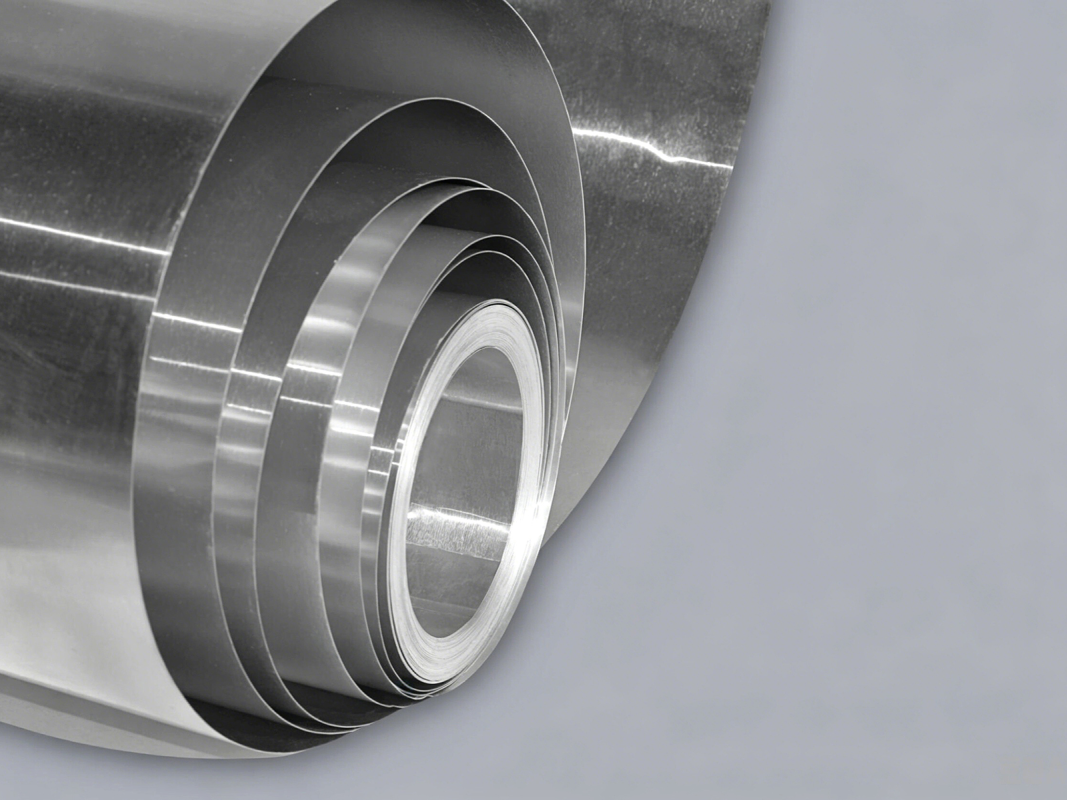
What Is Gr5 Titanium Foil? a Comprehensive Guide to Grade 5 Titanium Alloys?
Gr5 titanium foil is a high-performance titanium alloy thin material based on Ti-6Al-4V, which belon...
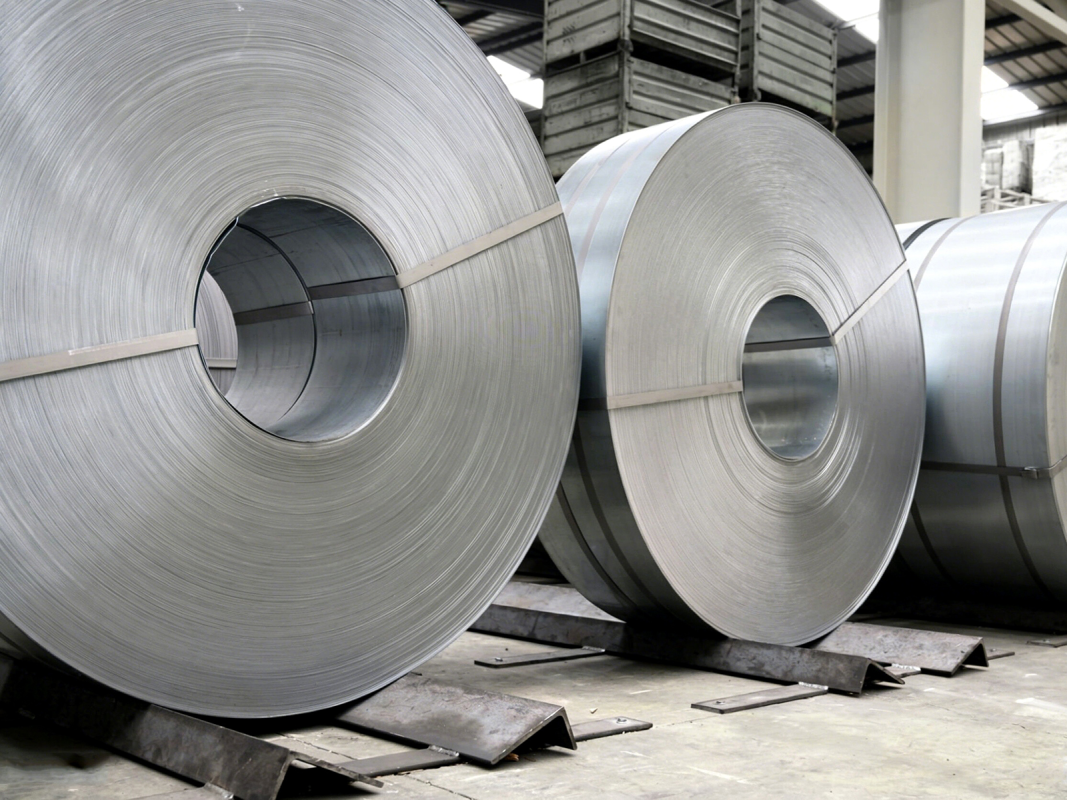
What Is Nickel 201 Foil? Comprehensive Guide for Industrial Buyers?
Nickel 201 foil is a low-carbon, high-purity nickel ultra-thin strip designed for high-end electroni...